
Rome, Italy · Dates not established
Carlo Plato
Partially verifiedMaker of catalogued italian horizontal dial
Life & work
Carlo Plato's primary output was horizontal sundials, often fitted with pivoted or gimballed compasses for orientation.
Plato's dials were designed to track diverse timekeeping systems, including Babylonian, unequal, Italian, and common hours. The maker also demonstrated a preference for bilingual notation, often labeling cardinal points and winds in both Latin and Italian. Attributions to Plato have been made based on instrument engravings and initials, such as the Car. PL. mark found on an armillary sphere.
The fuller biography summarises the open references listed under Sources; each statement was checked against the cited passage. Confirm key dates in period documents before relying on them.
Training, contributions & innovations
- His sundials often utilized bilingual labeling for geographic and time-related terminology.
- Plato integrated gimbaled or pivoted compass mechanisms into his horizontal dial designs to assist with proper alignment.
Documented works
- The Museo Galileo preserves an armillary sphere with markings attributed to Plato.
- A multi-dial instrument from the Medici collections, consisting of a disk with four horizontal dials, is also attributed to the maker.
Collecting significance
The catalogued pieces listed on this page show the kinds of objects auction houses, dealers and museums attribute to this maker; each attribution is the source's own.
Firms, key models & movements
No firm, model or movement in this encyclopedia is yet recorded under this maker's name.
In the object catalogue
4 catalogued objects are recorded under Carlo Plato. Attributions are as given by each source and are not independent authentication.
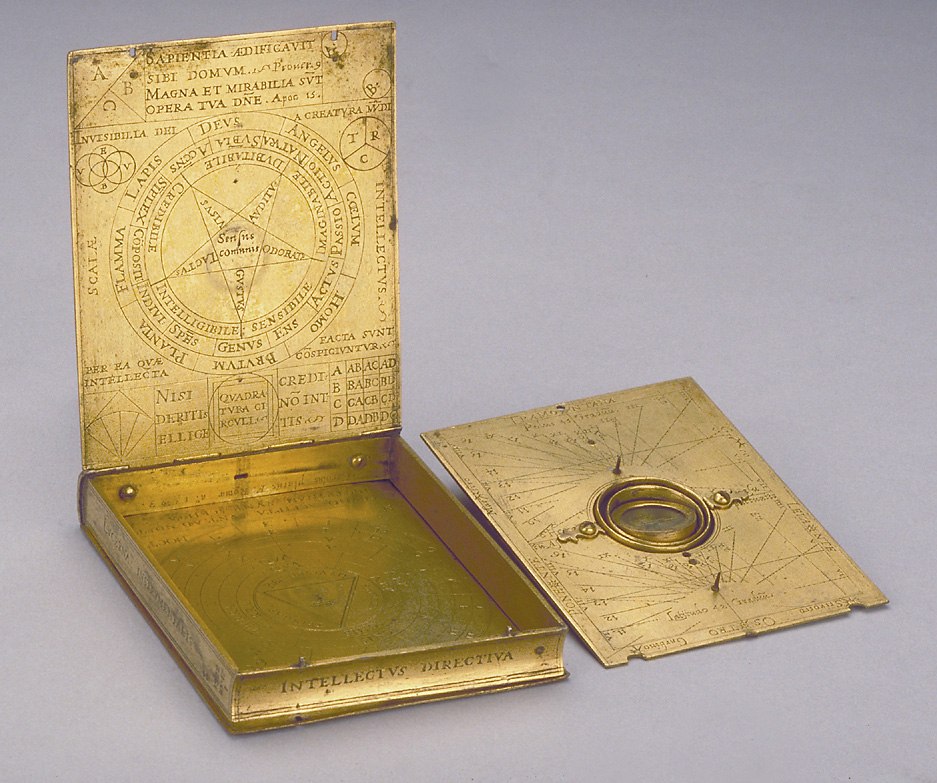
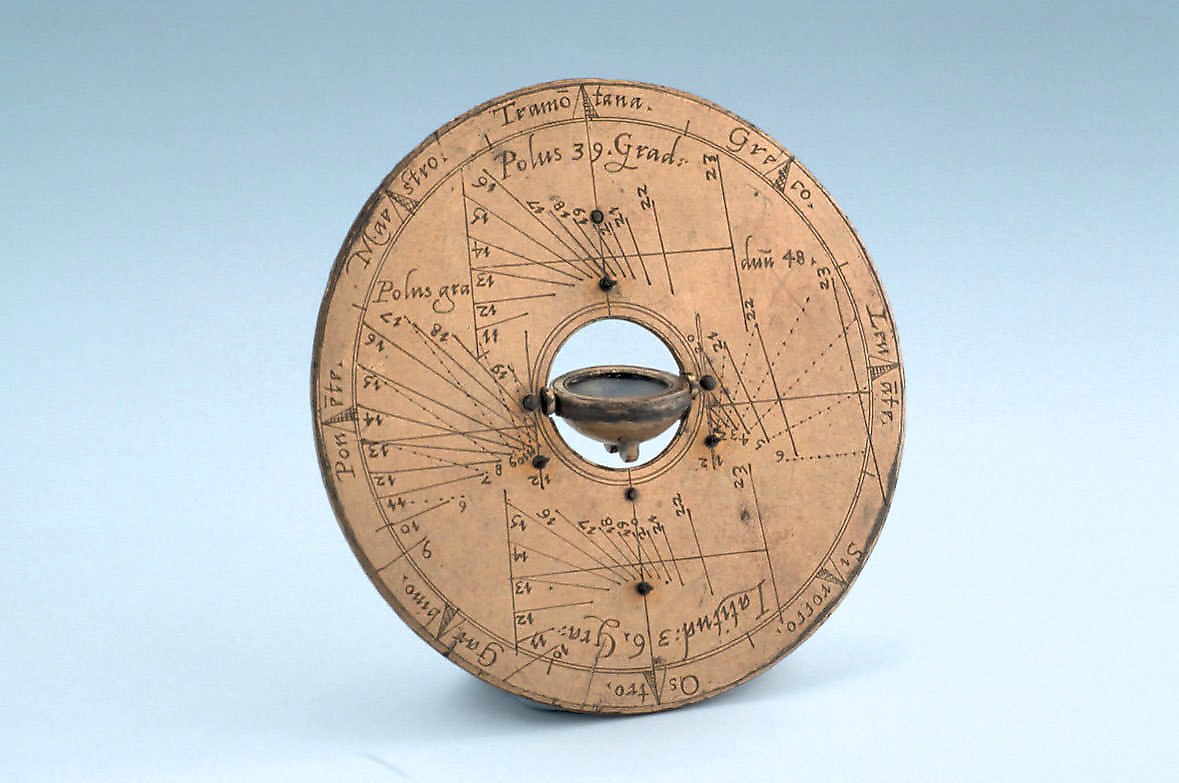
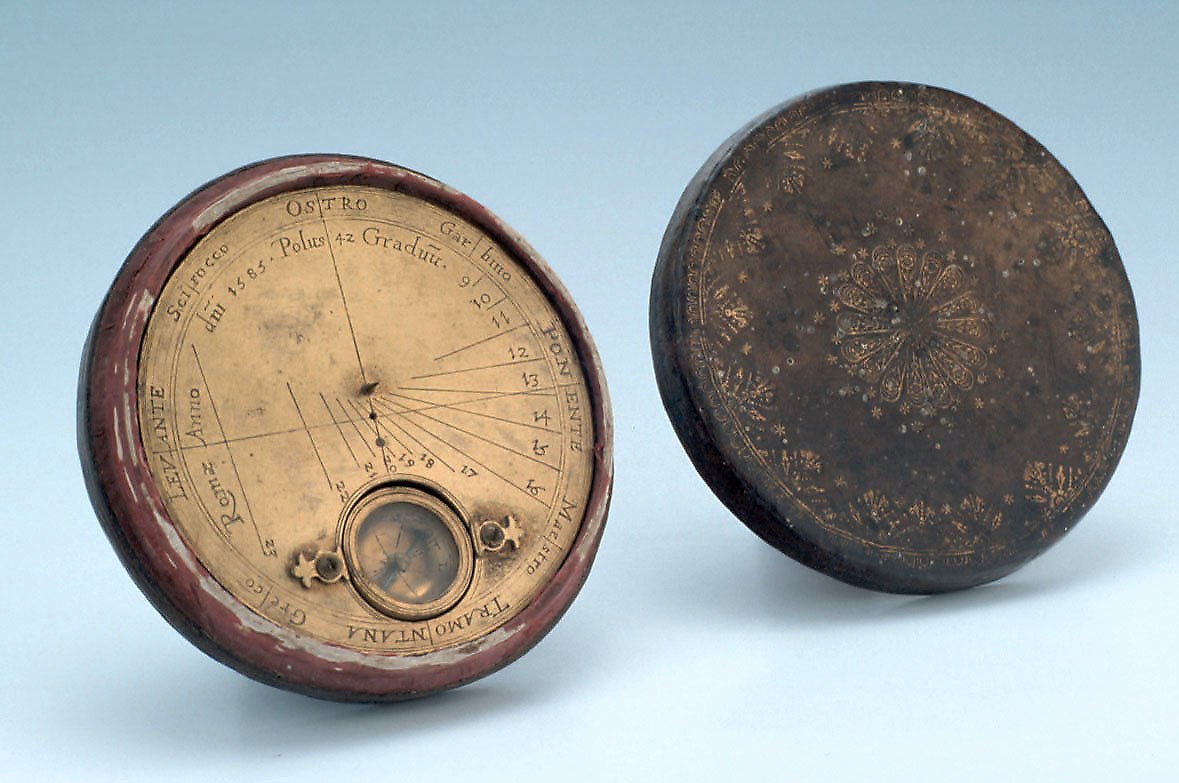
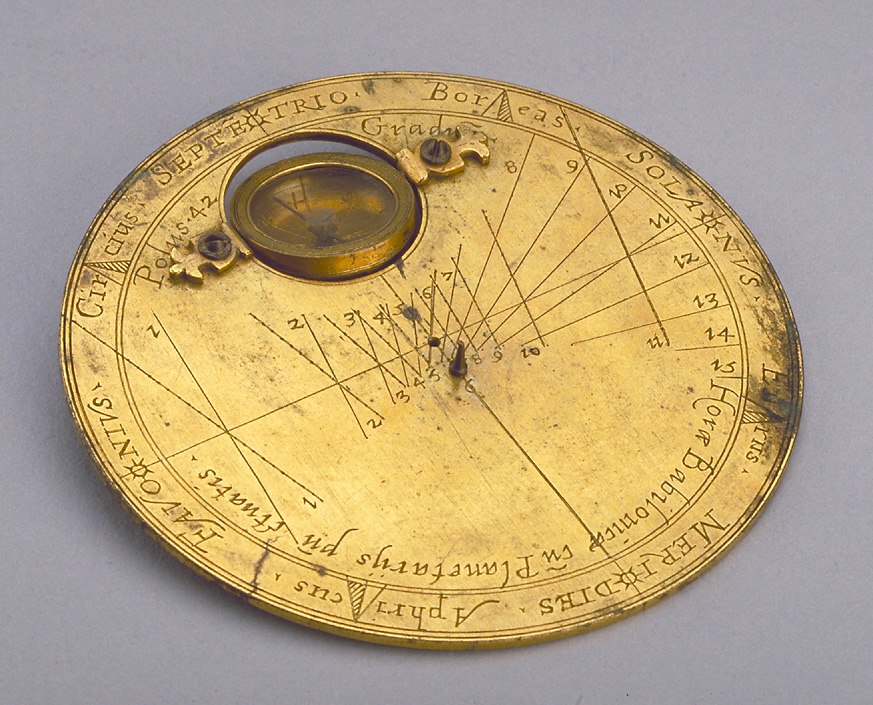
- Horizontal DialHorizontal sundial · 1585
- Horizontal Dial by Carlo PlatoHorizontal sundial · 1588
- Horizontal Dial by Carlo PlatoHorizontal sundial · 1593
- Horizontal Pin Gnomon Dial by Carlo PlatoHorizontal sundial · 1585
Sources & references
- horizontal dial; sundial; compass-dial | British Museum, British Museum, retrieved 2026-11-03 (paraphrased; text © the publisher)
- Museo Galileo - Armillary sphere, Museo Galileo, retrieved 2026-11-03 (paraphrased; text © the publisher)
- Museo Galileo - Sundial, Museo Galileo, retrieved 2026-11-03 (paraphrased; text © the publisher)
Where sources disagree, the disagreement is stated rather than resolved silently.