
Watch family · Style & purpose
Luminous-Dial Watches
Partially verifiedWatches with hands and numerals coated in a luminous compound so the time can be read in darkness, developed for military and professional use and continuing a legibility requirement already present in some pocket watches.
Movement & mechanism
- Luminous compound (historically radium-based, later replaced by safer materials) applied to hands and hour markers
- No mechanical distinction from an otherwise equivalent non-luminous watch beyond the dial and hand treatment
Identification
- Hands and numerals with a distinct luminous compound, often now aged and discoloured on radium-era examples
- Radium-era examples require appropriate handling care given their radioactivity
- Later tritium and photoluminescent materials replacing radium from the mid-twentieth century
Terminology
- Radium dial — an early luminous dial treatment using a radium-based compound, now recognised as a handling hazard
- Tritium dial — a later, less hazardous luminous treatment
- Lume — informal collector's term for luminous dial and hand material
Known variations
- Radium-era luminous dial
- Tritium-era luminous dial
- Modern photoluminescent (non-radioactive) dial
Pocket-watch ancestry
Luminous dial treatments were first applied to some pocket watches and instrument dials before the First World War; the requirement became far more pressing for the wristwatch once it became standard military-issue equipment worn in darkness in the field, cementing luminous dials as a wristwatch-defining feature even though the underlying material technology originated slightly earlier.
Collecting notes
Widely collected across military, field and dive watch categories; the type, condition and dating of the luminous material is itself a significant attribution and safe-handling consideration.
Background
Luminous-dial watches were designed to allow instruments and timepieces to be read in the dark. Early models utilized paint containing radium-226 to produce radioluminescence on hands and indices. Sabin Arnold von Sochocky invented radioluminescent paint in 1908, with widespread use for watches beginning shortly thereafter.
The Ingersoll Watch division introduced the Radiolite series of watches in 1916 as a prominent example of this technology. Radium-based materials were eventually replaced in the 1970s by safer tritium-based substances and later by strontium aluminate-based photoluminescent materials in the mid-1990s.
Written from the encyclopedia entries listed under Sources; each statement was checked against the cited text.
Defining features
- Radium dials used zinc sulfide phosphor doped with metallic activators to emit colors such as green, blue-green, or yellow-orange.
- Tritium light sources serve as permanent illumination for watch hands used in tactical, nighttime, or diving applications.
Later development
- Military forces favored tritium lights for instrument dials and weapon sights because they function without an external power source.
Photographs
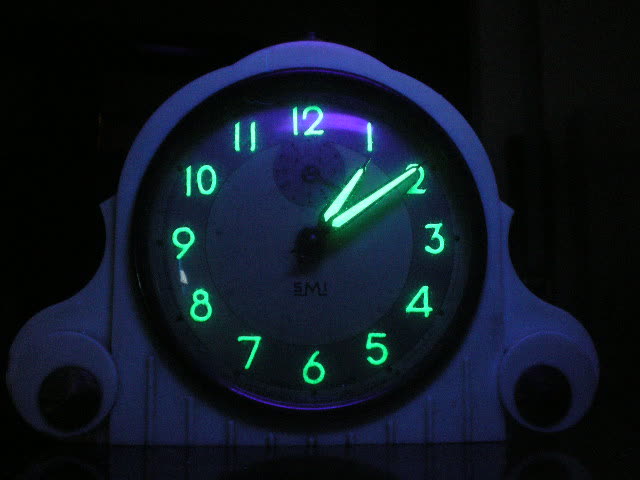
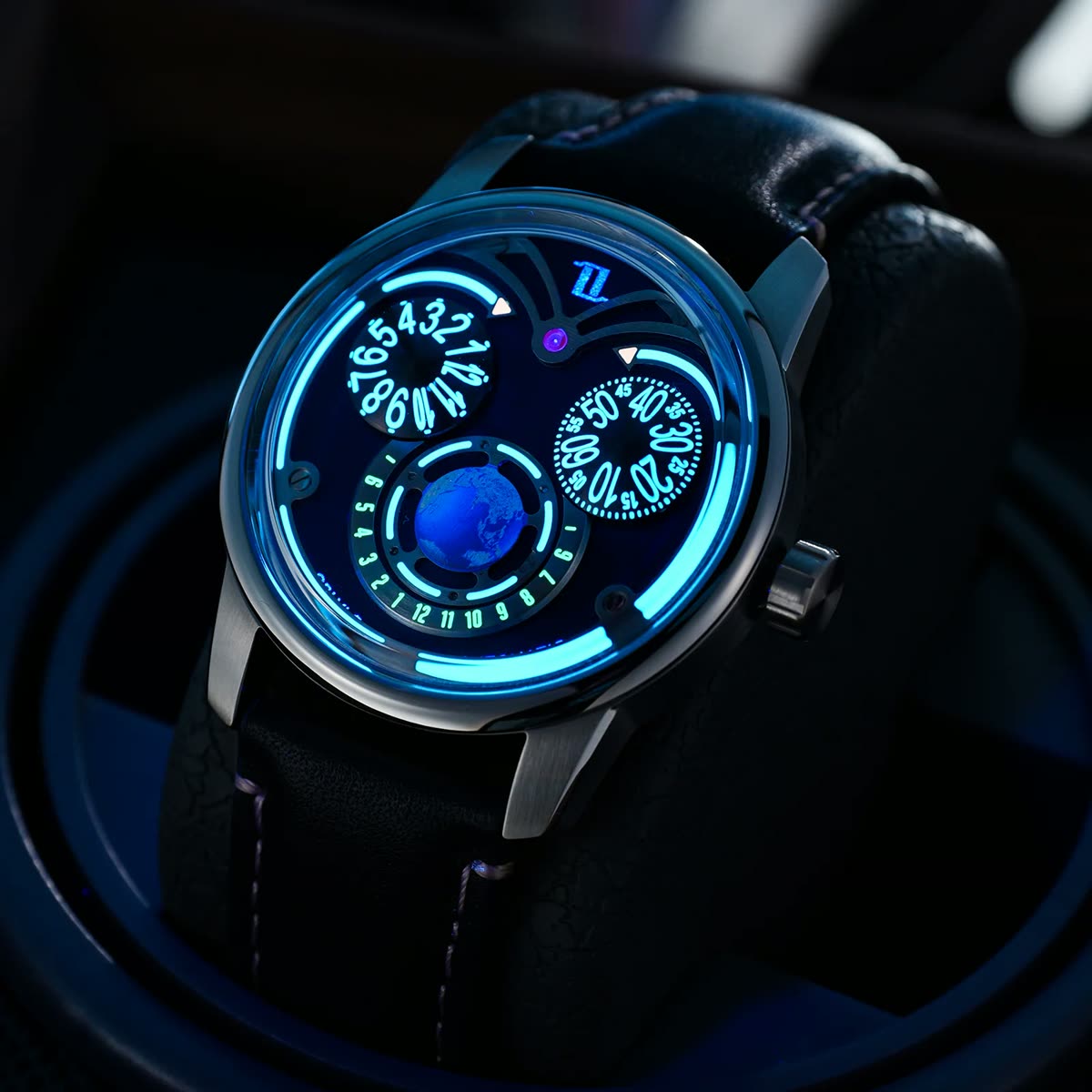
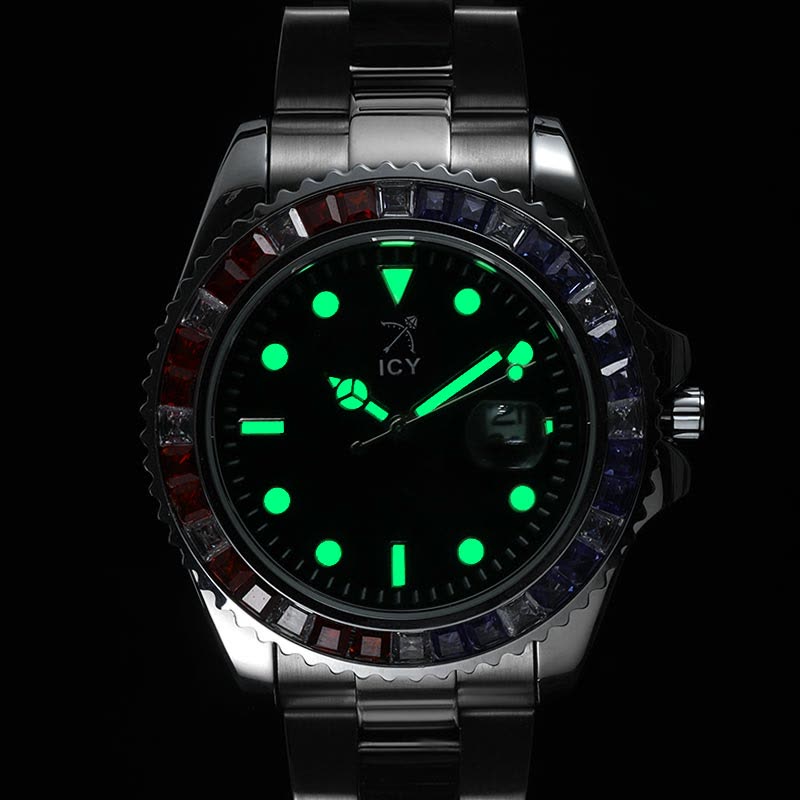
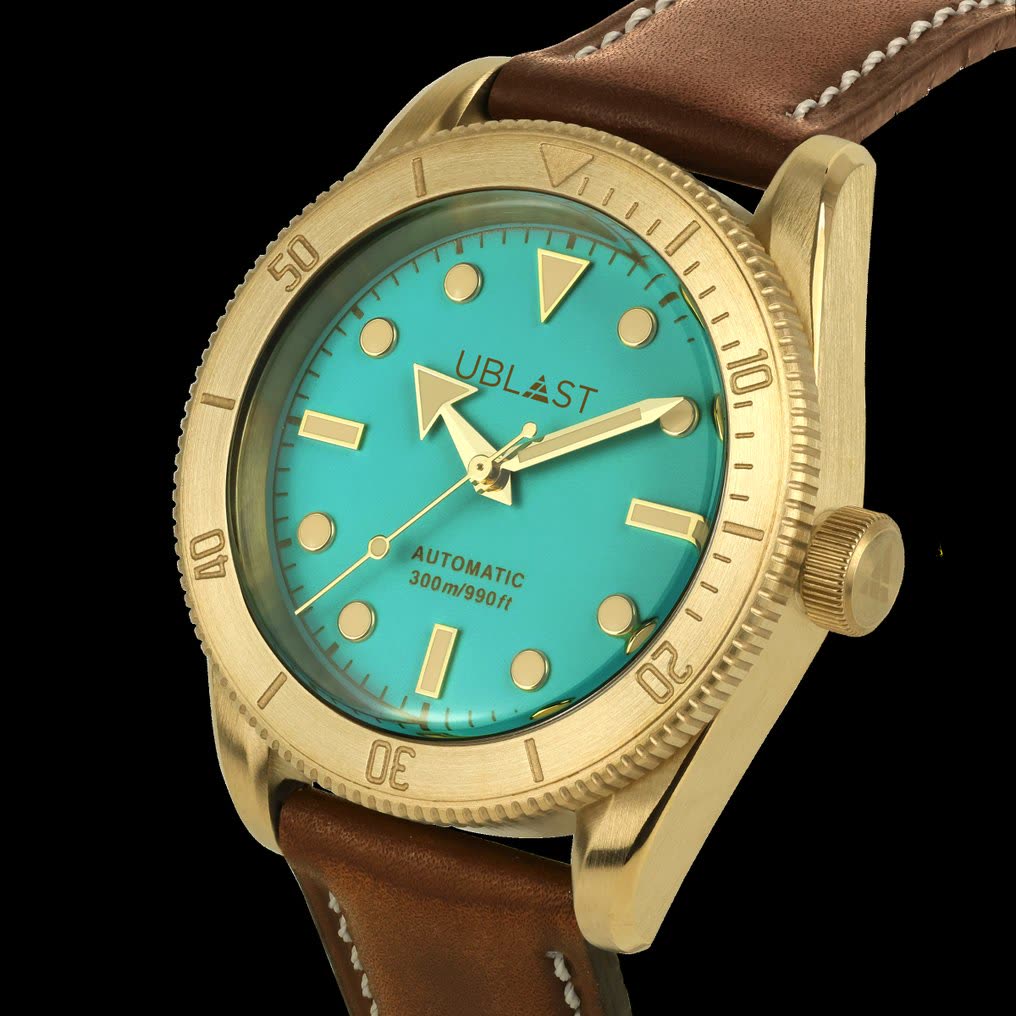
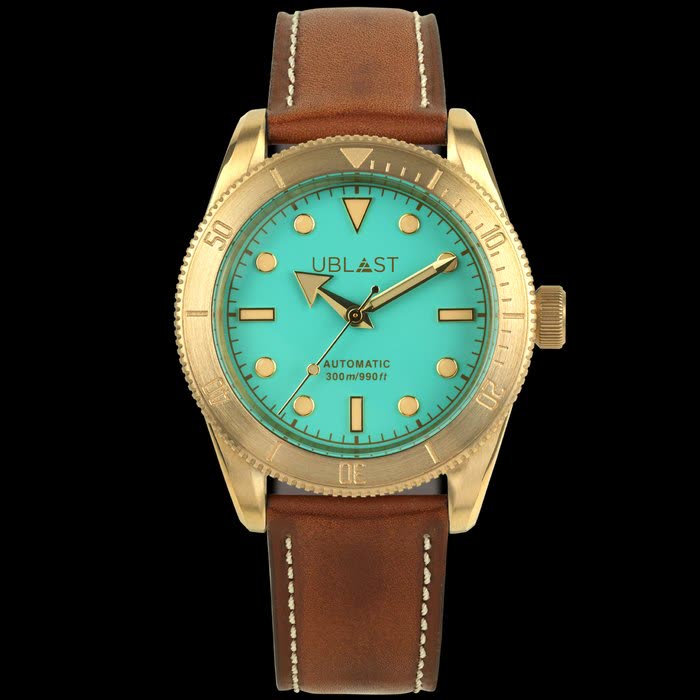
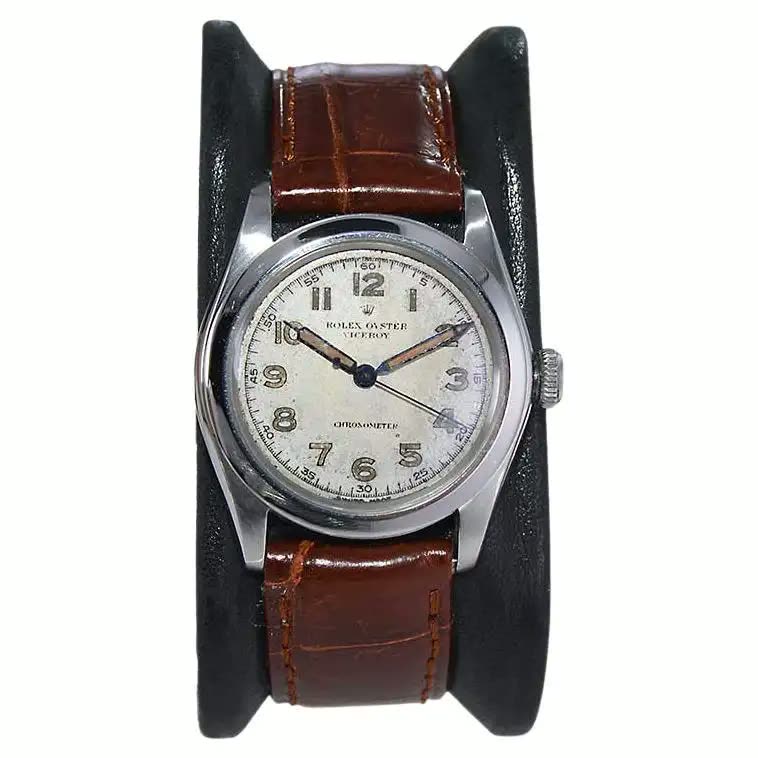
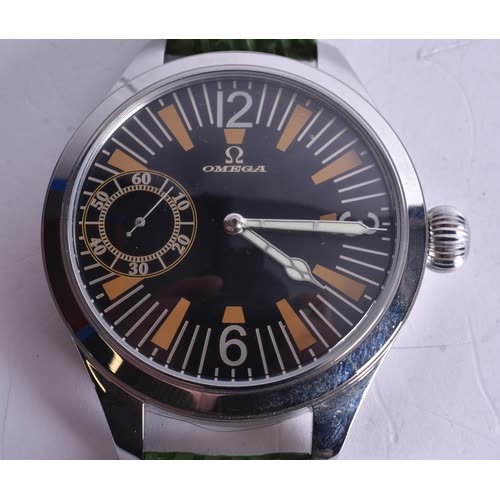
Photographs are illustrative examples of the type, not necessarily the exact object described. Verify details against the source file page.
Sources & references
- Radium dial, Wikipedia (English), retrieved 2026-10-28 (text CC BY-SA 4.0)
- Luminous paint, Wikipedia (English), retrieved 2026-10-28 (text CC BY-SA 4.0)
- General literature on radium and later luminous dial materials in watchmaking; individual maker adoption dates require further research.
Where sources disagree, the disagreement is stated rather than resolved silently.