
Watch family · Style & purpose
Military Watches
Partially verifiedWatches produced or procured to a specific military specification, marked with issue numbers, broad arrows or NATO stock numbers, prioritising legibility and robustness.
Movement & mechanism
- Standard lever movements to defence specification
- Often housing marked to resist magnetism or shock per issuing authority's requirements
- Screw or fixed case backs stamped with issue data
Identification
- Broad arrow or issue stamp on case back or dial
- Contract numbers matched against published procurement records where available
- Plain, legible military dial style
Terminology
- W.W.W. — Watch, Wristlet, Waterproof, a British military specification
- Dirty Dozen — the informal name for twelve British WWII-contracted watch manufacturers
Known variations
- W.W.W. Dirty Dozen watches
- GSTP watches
- National service-issue watches of various countries
Pocket-watch ancestry
Military procurement of timepieces began with pocket watches; the same specification culture (robustness, legibility, issue marking) carried over directly once wristwatches became the standard-issue form during and after the First World War.
Collecting notes
A well-documented and actively collected field; issue marks are frequently faked, so provenance verification against known contract records is important.
Background
Military watches were engineered to meet strict technical specifications for accuracy, shock resistance and environmental durability. Specific standards, such as MIL-W-3818, mandated the use of luminous hands, high-jewel count movements, and durable case materials. The Bureau of Ships developed specialized watertight instruments for combat demolition units during the second World War. The spread of SCUBA diving pushed requirements beyond the early water-resistance limits, and special forces later required non-magnetic watches.
Written from the encyclopedia entries listed under Sources; each statement was checked against the cited text.
Defining features
- Military specifications required stainless steel or metal cases protected by finishes or preservatives.
- Standardized dials often utilized non-ferrous metal construction with luminous markers for legibility.
- Watertight watches featured screw-down crowns and specialized gaskets to maintain integrity under pressure.
Later development
- Benrus became a notable supplier for the MIL-W-3818B specification after successfully meeting rigorous qualification testing.
Photographs
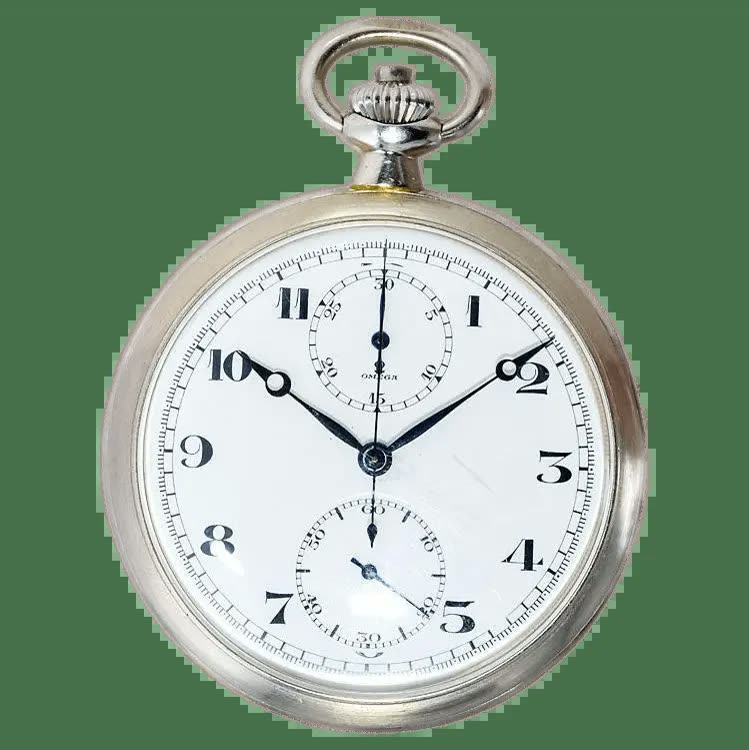
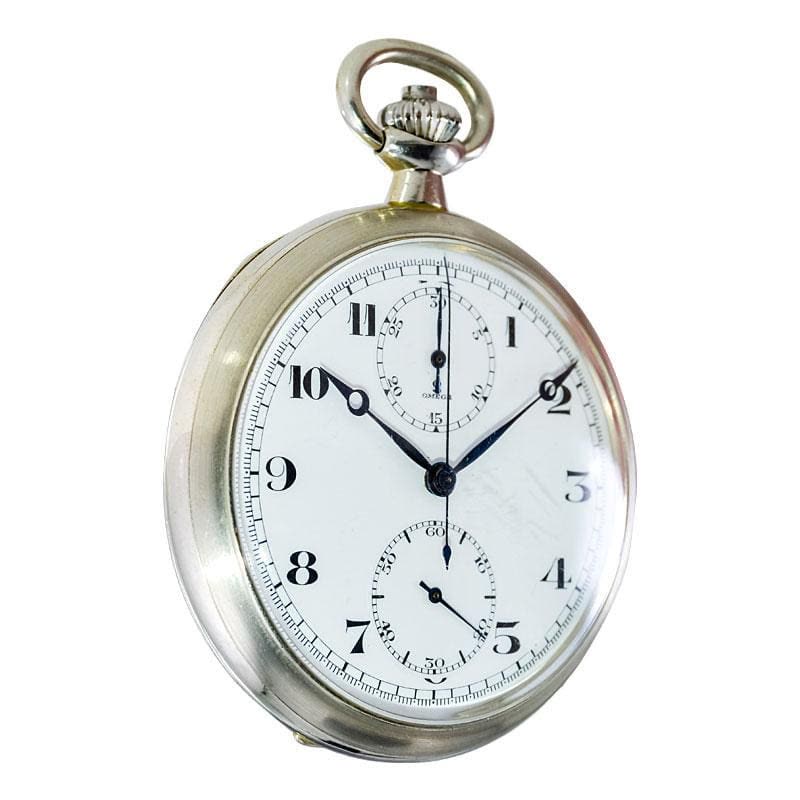
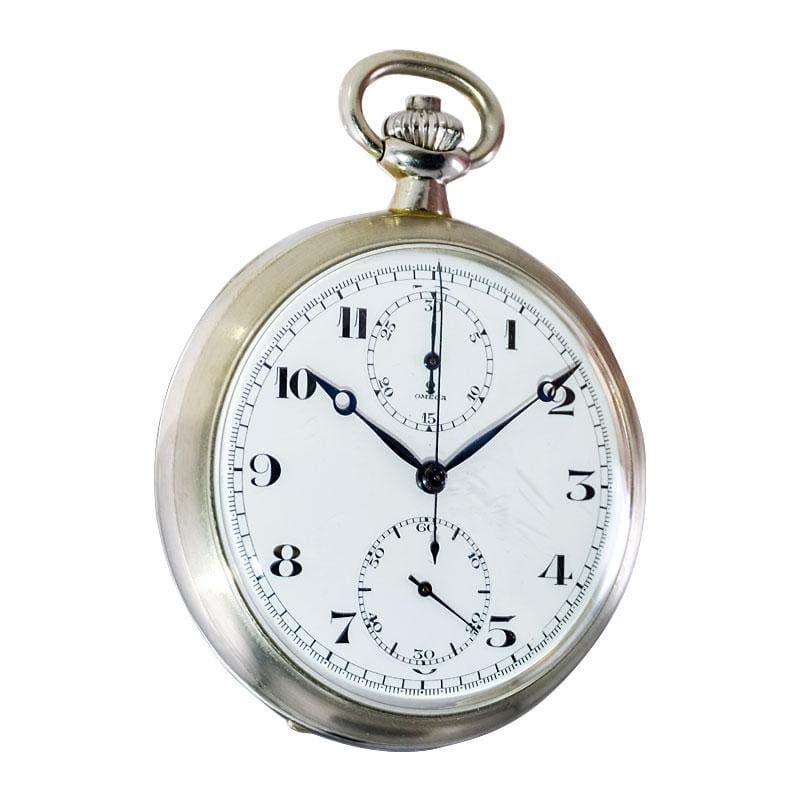
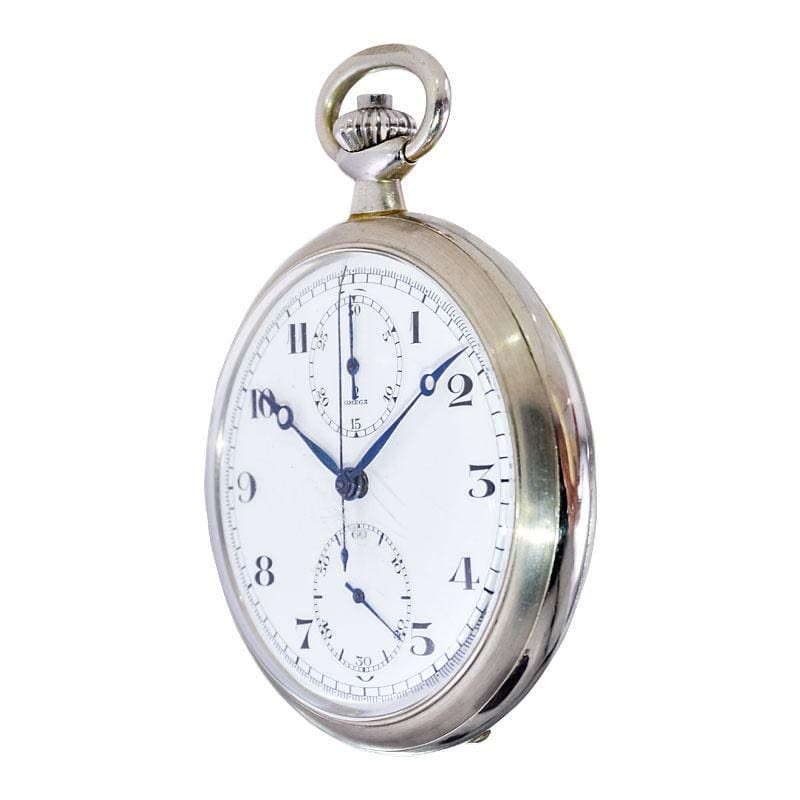
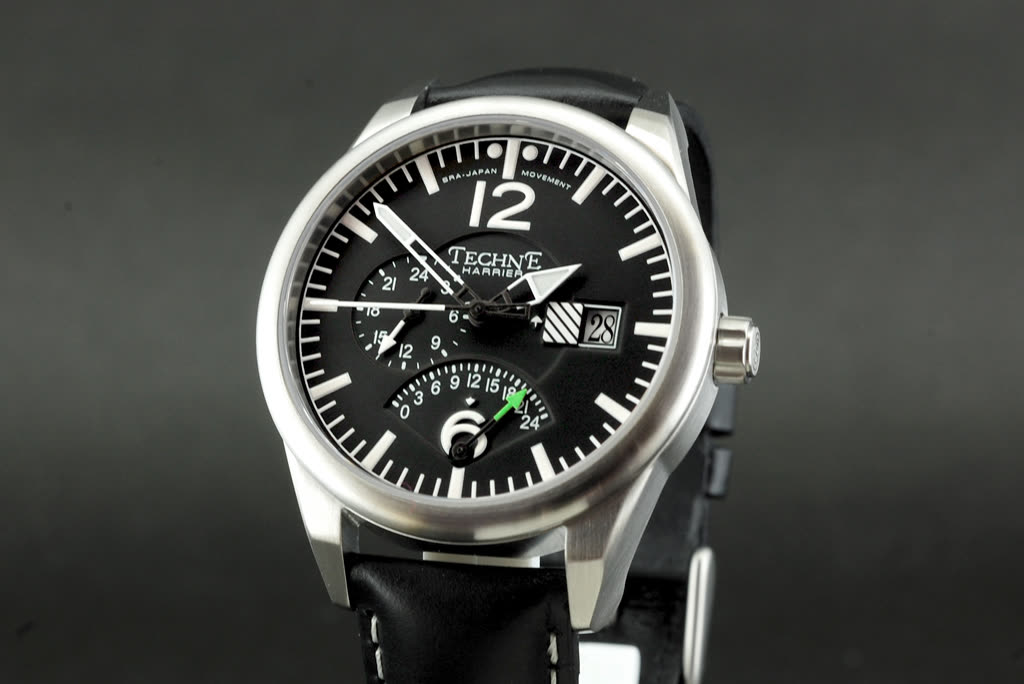
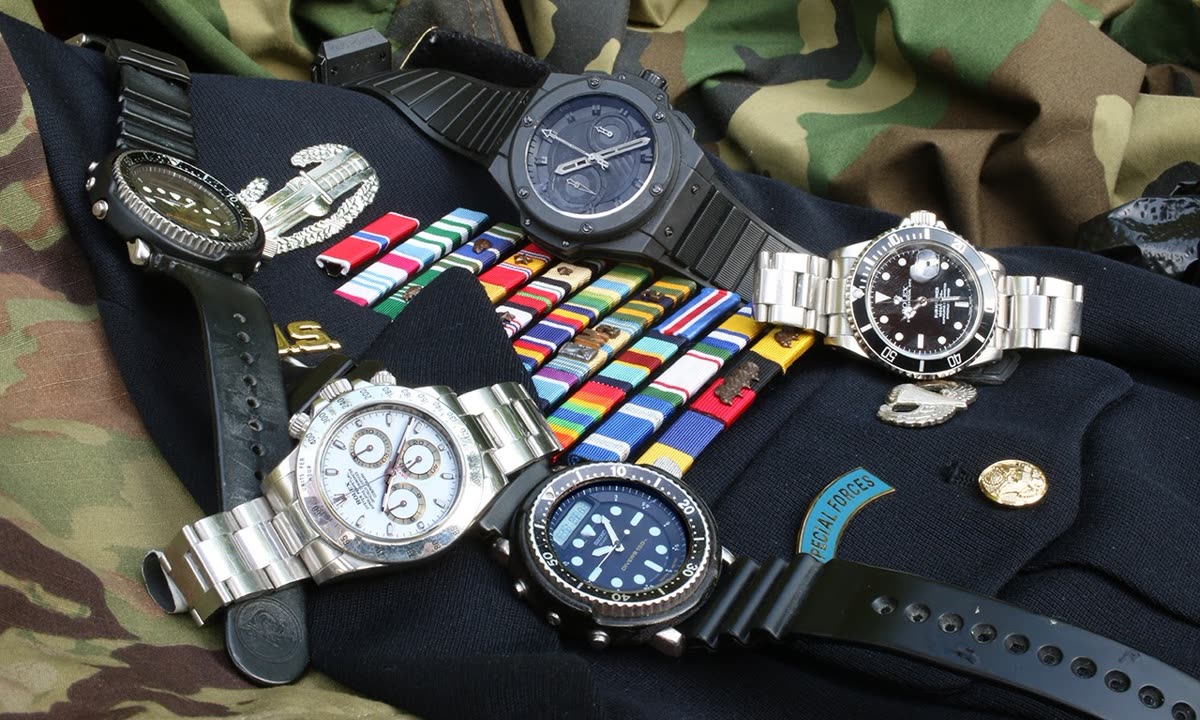
Photographs are illustrative examples of the type, not necessarily the exact object described. Verify details against the source file page.
Sources & references
- US military watches, Wikipedia (English), retrieved 2026-10-28 (text CC BY-SA 4.0)
- National archive procurement records vary by country and are incomplete in places.
Where sources disagree, the disagreement is stated rather than resolved silently.