
Europe · Late 13th century
The Verge-and-Foliot Escapement
Historical attributionThe verge moved timekeeping from continuous processes, such as the flow of water, to counting the swings of an oscillator, the principle every mechanical clock and watch still uses.
The verge and foliot regulated the first all-mechanical clocks in late thirteenth-century Europe; the verge itself stayed in use in clocks and pocket watches until the mid-nineteenth century.
Background
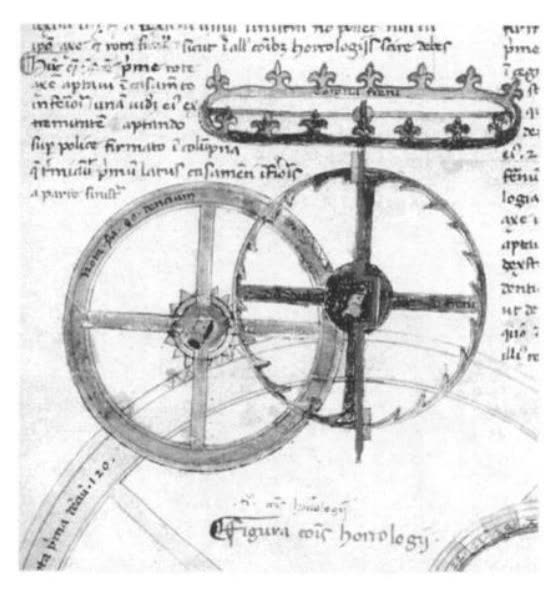
The verge escapement, derived from the Latin word virga, is recognized as the earliest known type of mechanical escapement used in timekeeping devices. Its development in 13th-century Europe enabled the creation of all-mechanical clocks, facilitating a shift away from continuous processes like water flow toward repetitive oscillation. While it is believed to have originated in the late 13th century, the identity of its specific inventor remains unknown.
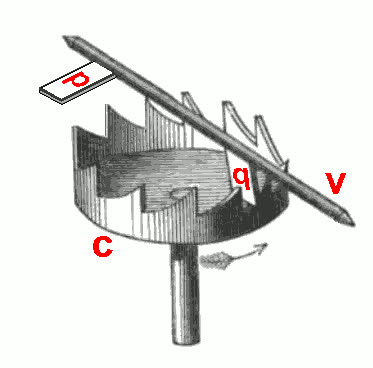
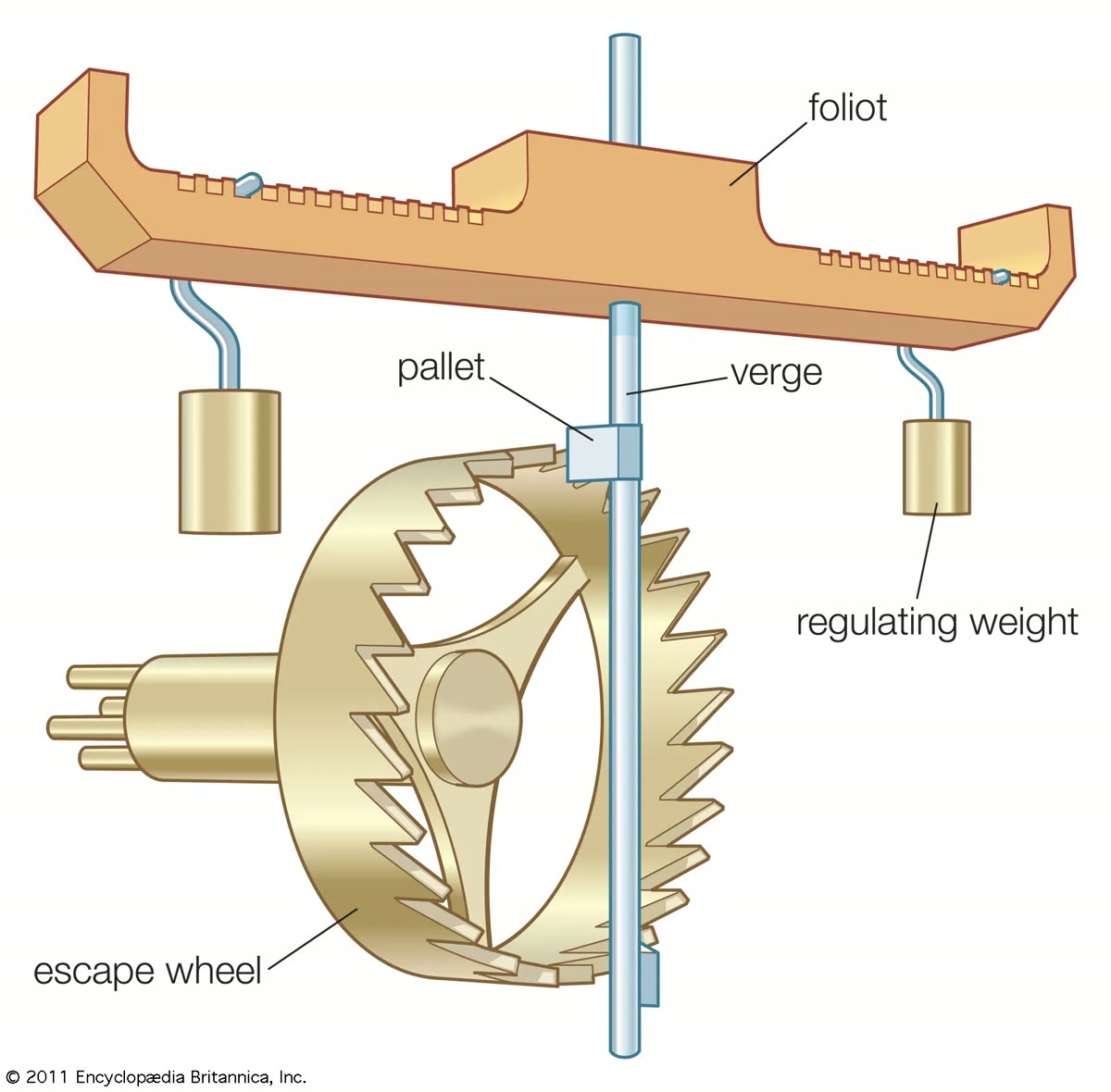
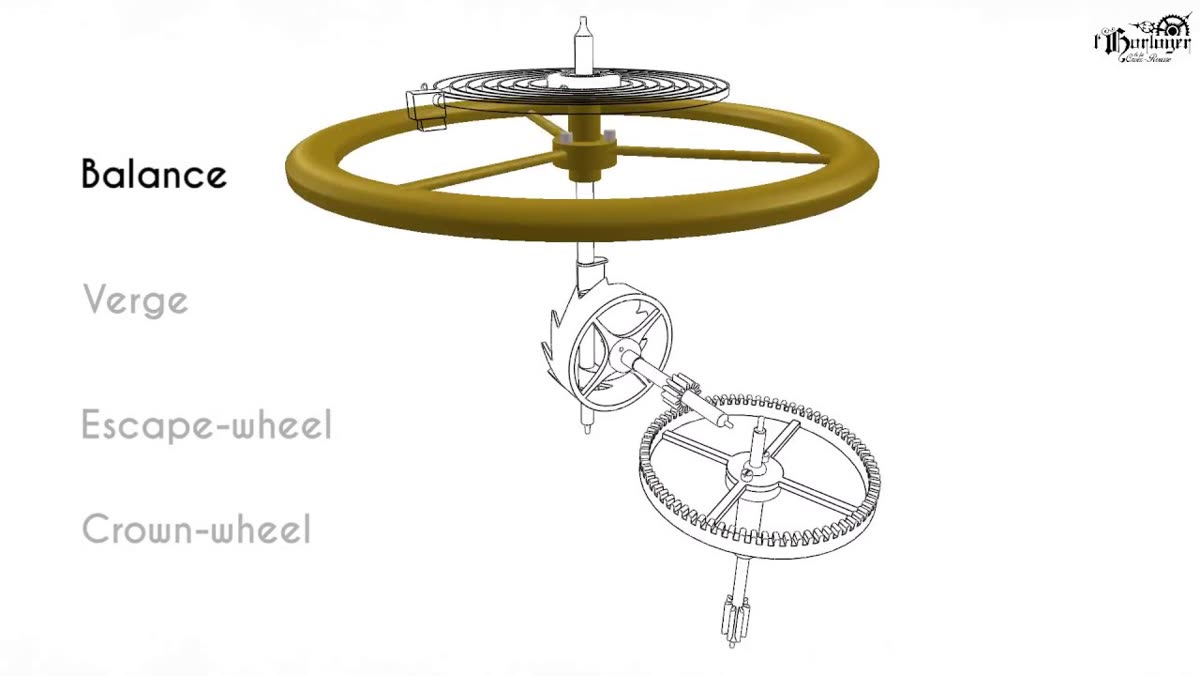
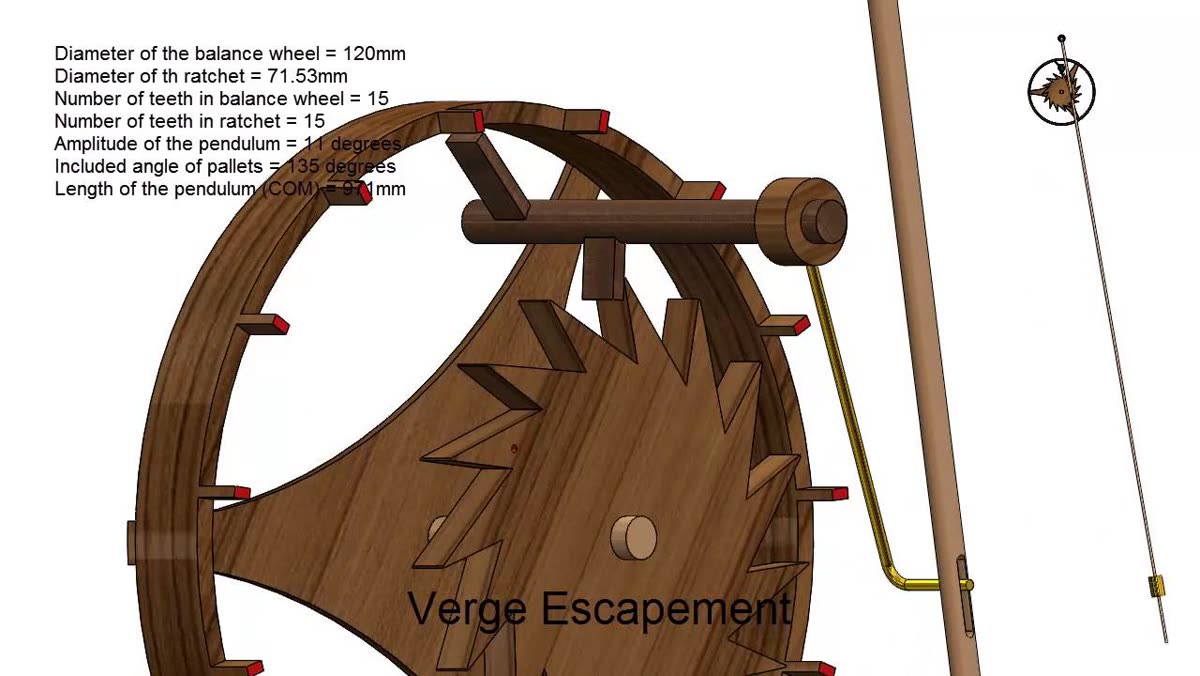
The mechanism functions by utilizing a crown-shaped wheel with axial teeth that push against two pallets mounted on a vertical verge rod. This action causes a horizontal bar known as a foliot, or later a balance wheel, to oscillate back and forth, thereby controlling the rate at which the gear train advances.
Written from the sources listed under Sources (makers, museums, auction houses and specialist publications are paraphrased, not reproduced); each statement was checked against the cited text, and claims a maker makes about its own work are attributed to it.
How it works
- The clock's rate can be adjusted by physically repositioning the weights located on the horizontal bar of the foliot.
Later history
- Verge escapements remained the primary mechanism for mechanical clocks for approximately 350 years before being supplanted by the pendulum and anchor escapements in the mid-17th century.
- Many early verge and foliot clocks were extensively rebuilt after the invention of the pendulum, making intact original specimens rare.
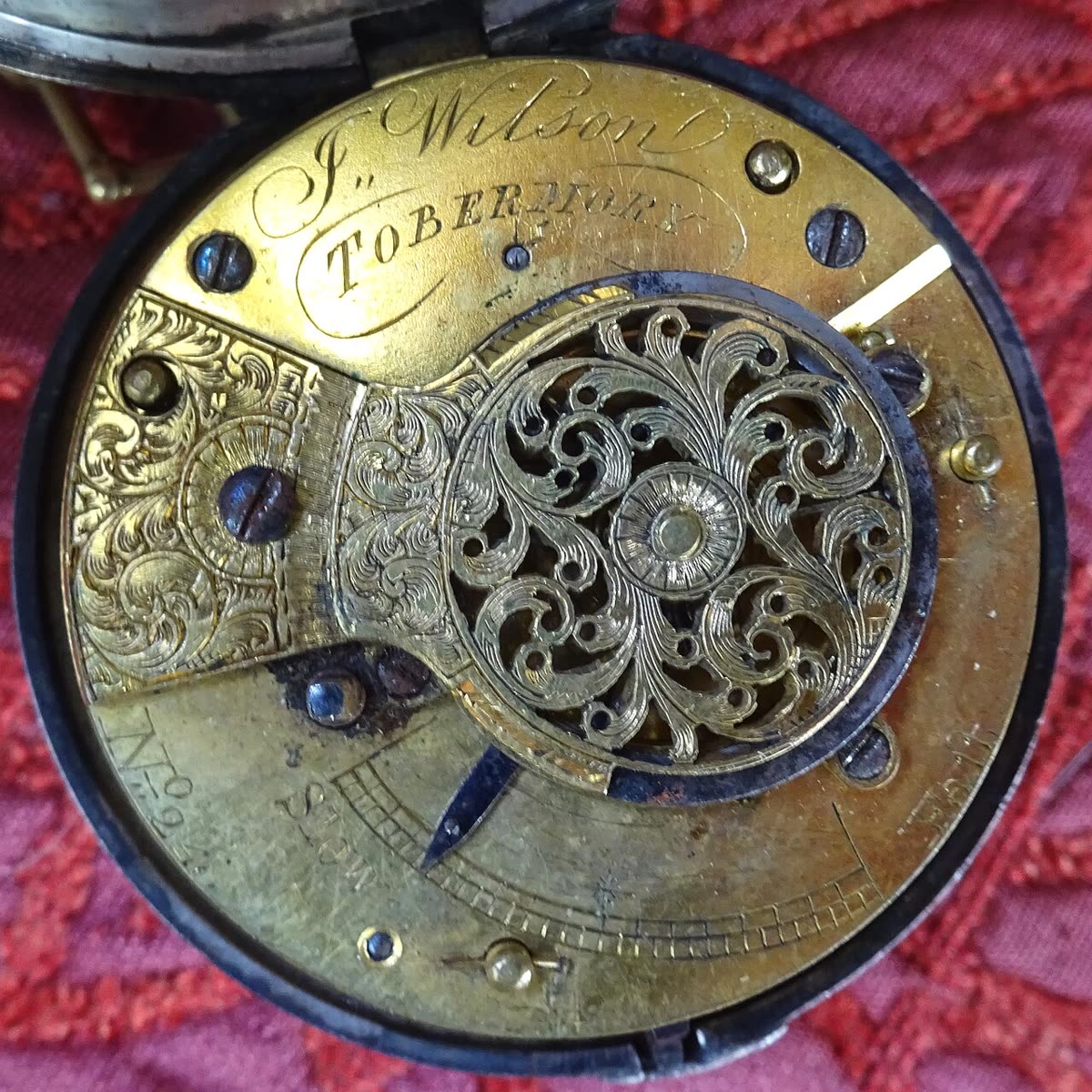
Impact on watchmaking
- Verge (crown-wheel) escapement — How the crown wheel and pallets work, and the verge's long life in pocket watches.
- Science Museum — Holds the weight-driven clock of 1392 formerly in Wells Cathedral.
- Wells Cathedral Clock — One of the surviving medieval cathedral clocks.
How to verify this yourself
Check the cited museum record or maker's archive first; for patented work, confirm the number and date from the specification itself (Espacenet covers most European, US and Japanese patents) rather than from secondary retellings.
Manufacturers known to have used it
- Medieval tower and cathedral clockmakers
- Pocket-watch makers until the lever and cylinder escapements displaced the verge in the nineteenth century
Related photographs


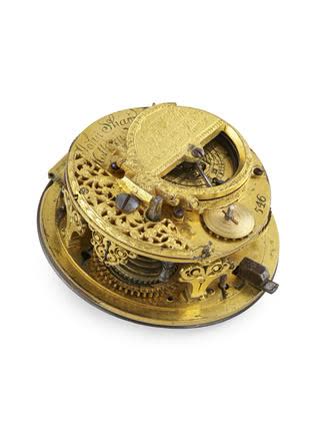
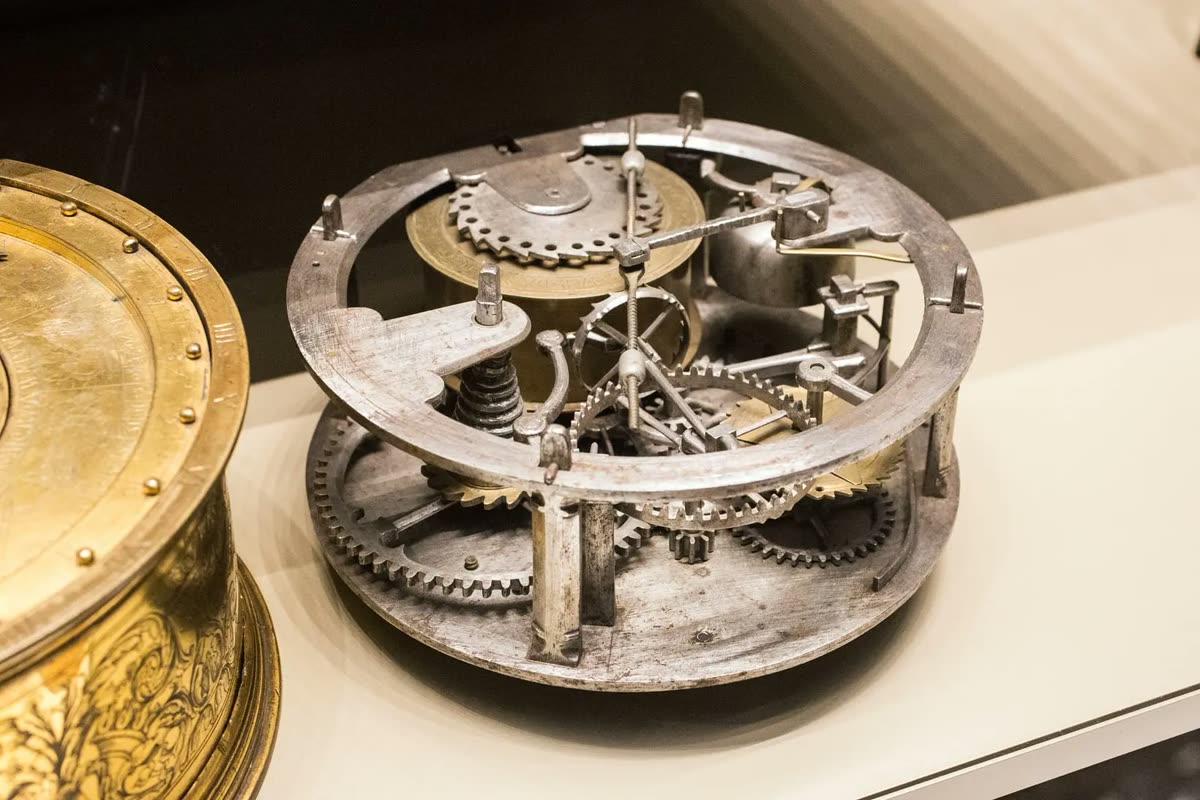
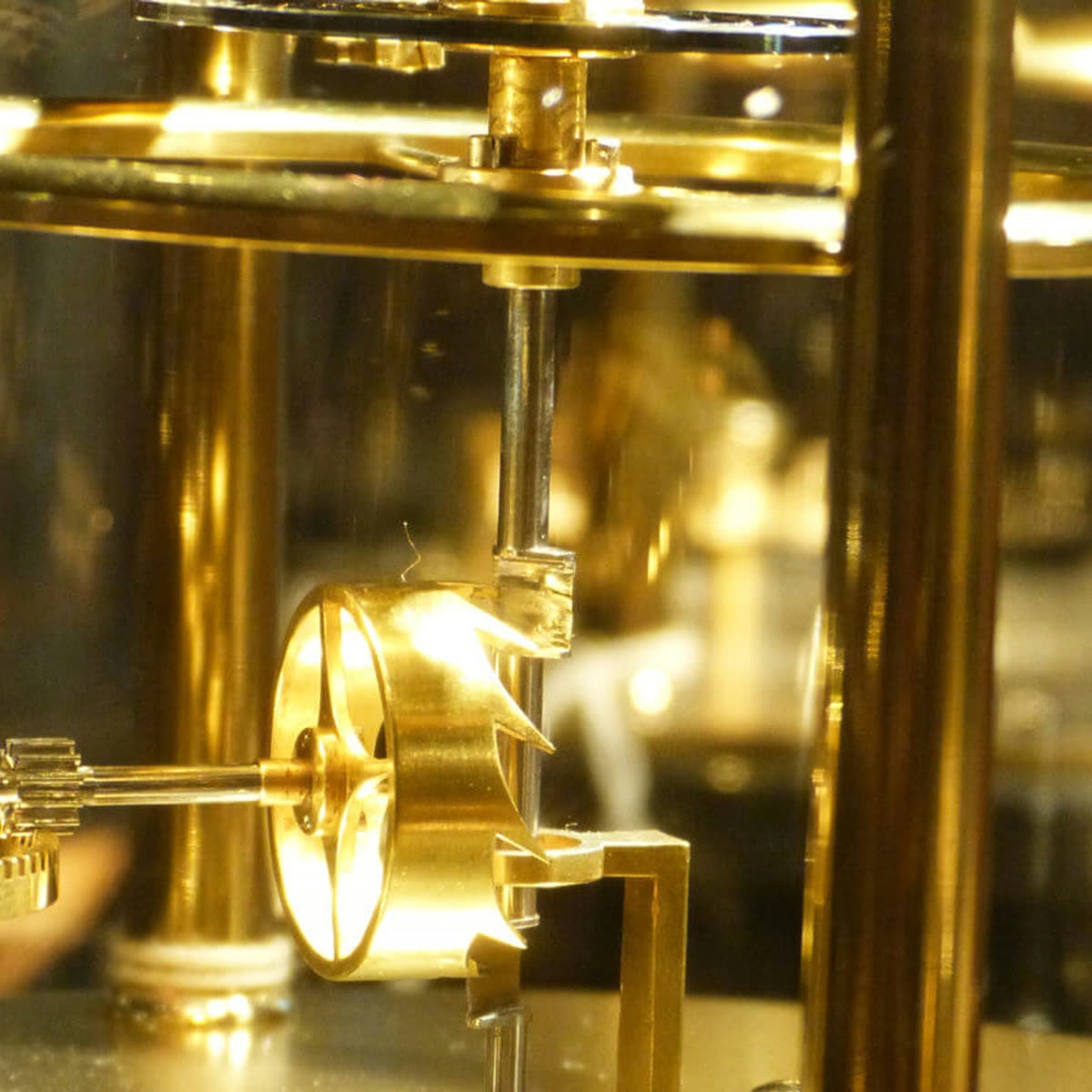
No confidently matched photograph of this subject has been found yet. These photographs show a closely related record, and are not examples of the type described on this page.
Sources & references
- Verge escapement, Wikipedia (English), retrieved 2026-11-02 (text CC BY-SA 4.0)
- Wells Cathedral clock, 1392, Science Museum Group, retrieved 2026-11-02 (paraphrased; text © the publisher)
- Wikipedia, Verge escapement (revision cited below)
- Science Museum Group, Wells Cathedral clock, 1392 (object record)
Where sources disagree, the disagreement is stated rather than resolved silently.