
Magazine · Wristwatches
Why Mechanical Watches Are Expensive: Value and Craftsmanship
Mechanical watches represent a marriage of historical engineering and meticulous artistry, distinct from mass-produced quartz alternatives. Their cost is rooted in the immense labor and precision required to assemble hundreds of microscopic, moving parts.
November 23, 2026 · 4 min read
AI-drafted from search research. Not yet editorially reviewed — check important facts against the cited sources.
Key takeaways
- Mechanical complexity: A standard movement contains over 100 parts working in harmony.
- Hand-finishing: The difference between mass-produced and luxury is often found in decorative beveling and polishing.
- R&D and testing: High-end watches undergo rigorous testing, including chronometer certification.
- Heritage and branding: The value of a manufacturer's history and reputation contributes significantly to the final price.
The Architecture of a Mechanical Movement
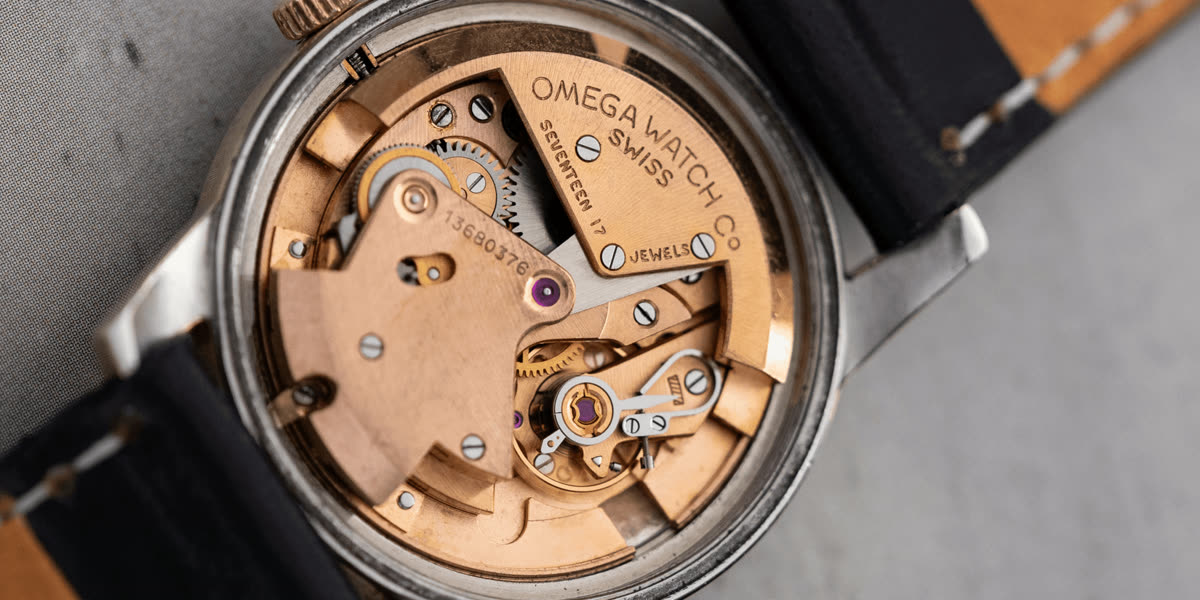
At the heart of the cost of any mechanical timepiece is the Mechanical Watch Encyclopedia complexity. A mechanical watch functions through a series of micro-engineered components that store, distribute, and regulate energy without a battery. The process begins with the mainspring barrel, which provides the motive force. This energy is transferred through a gear train, regulated by an escapement, and ultimately displayed via the dial and hands. Understanding how a mechanical watch works is essential to appreciating the level of manufacturing precision required to ensure that a watch maintains accuracy within a few seconds per day.
When comparing automatic vs manual watches, one finds that the addition of an automatic winding system introduces significant complexity. The rotor, reversing wheels, and additional bridge structures require more manufacturing steps and tighter tolerances. This mechanical sophistication is why an automatic movement often carries a higher price tag than its manually wound counterpart. Manufacturers like Auricoste have long navigated the intricacies of these mechanical systems, ensuring that even under demanding conditions, the transmission of energy remains stable and consistent.
Precision Engineering and Manufacturing Standards
The transition from pocket watches to wristwatches fundamentally changed the scale and tolerance requirements for horological manufacturing. Smaller parts must endure higher rates of wear and exposure to shock, necessitating the use of advanced materials and synthetic corundum jewels to reduce friction in the gear train. During the mid-19th century, the industrial revolution in watchmaking introduced interchangeable parts, but high-end watchmaking remains a process defined by hand-finishing finishing rather than pure automation.
The Gear Train
The Ébauche system remains a cornerstone of the Swiss industry, where specialized firms manufacture the base movement, which is then finished and adjusted by the primary watchmaker. This division of labor allows for high levels of specialization, but also adds layers of cost. Firms in Le Locle and beyond have relied on this system to ensure that high-grade movements meet strict standards before they are cased and sold as complete, refined timepieces.
Finishing and Decoration: The Hidden Labor
Beyond the basic functionality, finishing sets mass-market movements apart from luxury calibres. Finishing involves techniques such as anglage (beveled edges), perlage (circular graining), and Geneva stripes (Côtes de Genève). These processes are not merely aesthetic; they require highly skilled labor in a dedicated finishing shop to ensure that microscopic burrs are removed and surfaces are protected from oxidation. Such manual intervention is a major driver of expense, as it cannot be easily replicated by machines without compromising the quality of the edges.
Brand Premiums and Historical Legacy
Watchmaking history is not just about time; it is about prestige and narrative. Makers like Daniel Quare established foundations of accuracy that persist in the luxury market today. When consumers purchase a watch, they are often buying into a legacy that spans centuries, supported by museums, archives, and educational articles that preserve the culture of timekeeping. These brands invest heavily in marketing, research and development, and maintaining global service networks, all of which are amortized into the purchase price of the watch.
The Role of Materials and Certification
The use of precious metals, high-grade steel, and scratch-resistant ceramics impacts the production cost significantly. Furthermore, certifying a watch as a 'chronometer' or subjecting it to in-house rigorous testing increases the final retail price. These tests ensure the watch performs under varying temperatures and positions, requiring individual adjustments to the regulating square and balance spring—a labor-intensive process that can only be performed by a master watchmaker.
Care, Conservation, and Service
To protect your investment, understand how often your mechanical watch should be serviced. Maintenance is not a luxury; it is a necessity for long-term preservation. During service, a technician cleans the movement, removes old, degraded lubricants, and inspects components for wear. This is far more involved than a simple battery change in a quartz watch. Storing your timepiece properly, away from moisture and extreme temperature, is equally vital, as discussed in professional guides for storing and handling antique clocks.
If you are unsure of the history of a piece, treat it with caution. When learning how to wind a mechanical watch, always assess the resistance of the crown. Never force a watch that resists winding; it may signal a dried lubricant or a damaged mainspring. Proper stewardship ensures that the mechanical wonders of the past remain operational for future generations.
Why Vintage Watches Are Expensive
Vintage watches command high prices due to scarcity, historical significance, and the quality of their pocket watch dials or movement design. Many vintage pieces were private labels or house-branded watches that utilized high-grade components no longer in mass production. When identifying these, watchmakers often look for maker-specific serials or case hallmarks. Because condition varies wildly, authenticating these timepieces requires careful research and comparison against established collector references.
Conclusion
Mechanical watches are not simply tools for telling time; they are miniature, self-contained machines that require immense human capital to produce. From the raw engineering of a movement to the final polish of a screw head, every step reflects a commitment to quality. While they are significantly more expensive than quartz alternatives, the value lies in the mechanical integrity, artistic finishing, and the enduring legacy of the horological craft.
Frequently asked questions
Why do automatic watches cost more than manual ones?
Automatic watches contain a more complex movement, specifically an oscillating weight (rotor) and a set of reversing gears to wind the mainspring automatically. These extra components, combined with the difficulty of fitting them into a thin case while maintaining efficiency, increase both manufacturing time and labor costs.
Are expensive watches actually more accurate?
Often, yes. Expensive watches are frequently 'adjusted' to keep accurate time in multiple positions (e.g., dial up, crown down) and at different temperatures. While a cheap mechanical watch might gain or lose 30 seconds a day, a high-end, well-regulated mechanical watch can often achieve accuracy within 2 to 5 seconds per day.
What is the most expensive part of a mechanical watch to make?
The movement—specifically the escapement and the balance spring assembly—is the most labor-intensive part. Achieving the necessary precision for the balance wheel to oscillate consistently requires highly specialized machinery and expert human adjustment that drives up the price compared to simple components like the case or dial.
Does a gold case make a watch more expensive?
Yes, precious metals like 18k gold significantly increase the raw material cost. However, in luxury watchmaking, the cost of the gold is often secondary to the labor cost of finishing the movement inside. High-end brands do not simply put inexpensive movements in gold cases; the entire package is built to a high standard of quality.
How can I tell if a vintage watch is valuable?
Value in vintage watches is determined by rarity, brand provenance, and the condition of the movement and dial. Check the case for gold hallmarks and the movement for serial numbers to identify the manufacturer. Researching these through collector's references can reveal whether the watch is a mass-produced model or a high-grade, limited-production piece.
Sources
- de Carle, D., Practical Watch Repairing — mechanical inspection
- Cutmore, M., The Pocket Watch Handbook — pocket-watch construction
- de Carle, D., Practical Watch Repairing — inspection and faults
- Donzé, P.-Y., History of the Swiss Watch Industry — industry context
- de Carle, D., Practical Watch Repairing — inspection, cleaning and servicing
- Gazeley, W. J., Clock and Watch Escapements — escapement construction further reading