
Magazine · Movements & mechanisms
Mechanical vs Quartz Watches: A Guide to Movements
Choosing between a mechanical and a quartz watch involves balancing the art of traditional horology against the precision of modern electronic timekeeping. Understanding these distinct technologies is essential for any collector or enthusiast.
November 23, 2026 · 4 min read
AI-drafted from search research. Not yet editorially reviewed — check important facts against the cited sources.
Key takeaways
- Mechanical movements rely on traditional physics, using a mainspring for power and a balance wheel for regulation.
- Quartz watches use a battery and a synthetic quartz crystal to achieve high-frequency precision.
- Mechanical watches require periodic professional servicing to maintain gear integrity.
- Quartz watches generally only require a simple battery change when the power cell depletes.
- Automatic watches are a type of mechanical movement that winds itself through wearer movement.
How Does a Mechanical Watch Work?
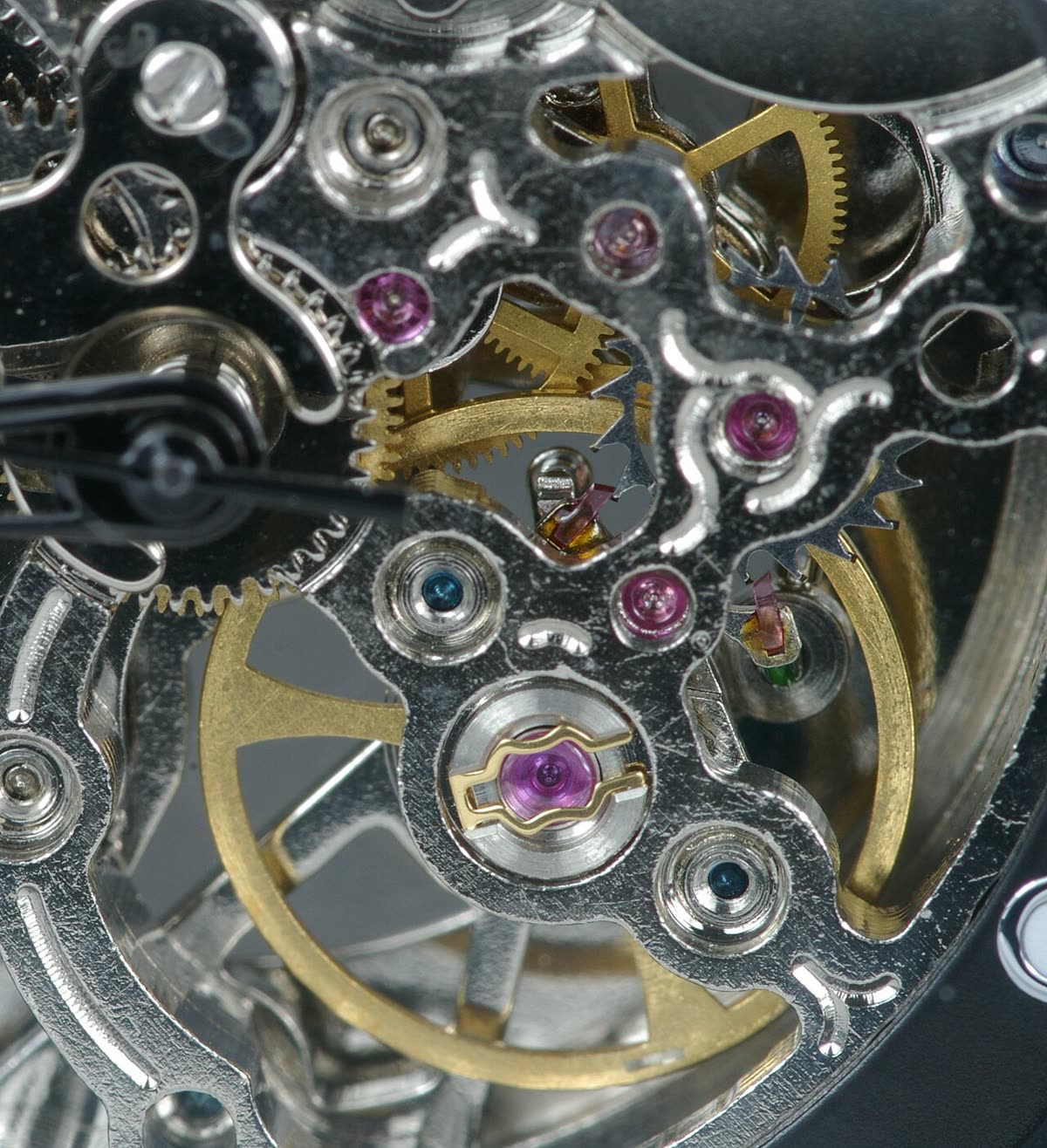
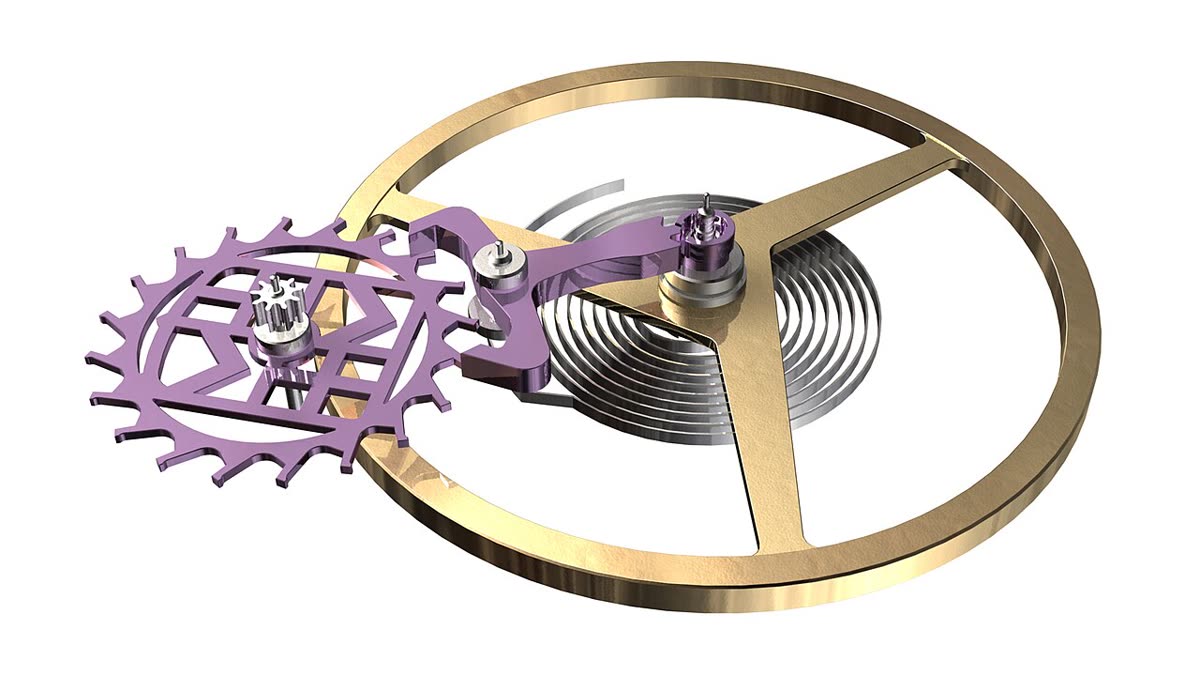
At its core, a mechanical watch is a feat of micro-engineering that functions entirely without electricity. When you explore how a mechanical watch works, you find a system driven by a mainspring, which stores potential energy when tightened. As this spring slowly unwinds, it releases energy through a gear train that drives the hands of the watch. The rate at which this energy is released is controlled by the escapement and the balance wheel, which oscillate to ensure the watch keeps accurate time. Because these systems are physical and subject to friction, they require precise lubrication and eventual professional adjustment to ensure longevity.
Mechanical vs Quartz: The Technical Distinction
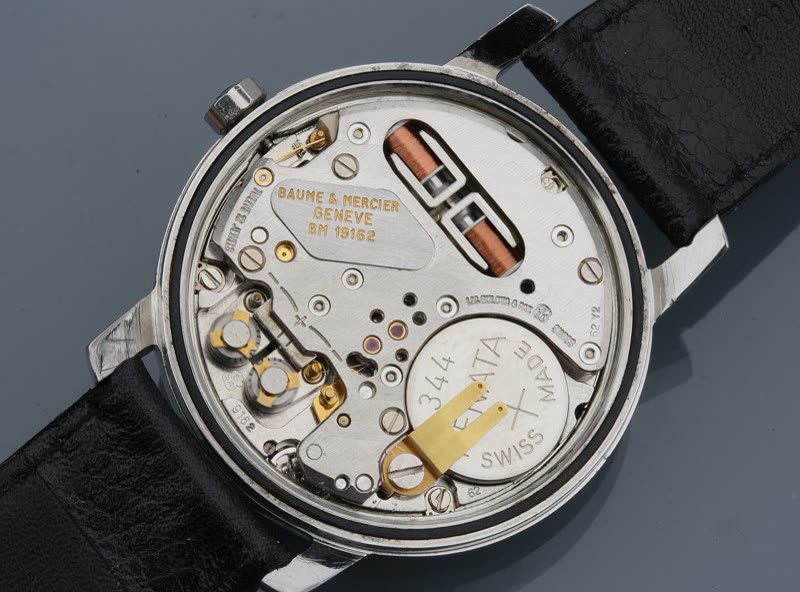
The defining difference between these technologies lies in their power source and regulation method. While the mechanical watch relies on manual or automatic winding, the quartz watch utilizes an electronic power cell. This current is sent through a quartz crystal, causing it to vibrate at a precise frequency of 32,768 times per second. An integrated circuit then counts these vibrations to move the watch hands or update a digital display. This radical shift in technology, pioneered in 1969, forever changed the industry, offering a level of precision that mechanical watches—no matter how finely tuned—cannot consistently match.
| Feature | Mechanical | Quartz |
|---|---|---|
| Power Source | Mainspring | Battery/Cell |
| Accuracy | Varies (seconds/day) | High (seconds/month) |
| Maintenance | Service every 3-5 years | Battery change as needed |
| Longevity | Generational with care | Dependent on electronics |
Automatic Watch vs Quartz: Understanding Self-Winding
A common point of confusion for new collectors is the difference between automatic and manual watches. Both are mechanical, but the automatic movement features a weighted rotor that spins as you move your wrist, winding the mainspring automatically. While these watches share the charm of the Mechanical Watch Encyclopedia, they still suffer from the same accuracy limitations as manual-wind counterparts. Quartz watches, by contrast, offer a 'set and forget' experience. Unless the quartz movement is a modern 'kinetic' or solar-powered variant, it remains reliant on a static electrical charge, lacking the rhythmic soul of a swinging balance wheel.
The History of Precision: Tuning-Fork and Electric Movements
Before quartz dominated the market, makers experimented with intermediate technologies. The tuning-fork movement is a prime example of an electromechanical hybrid. By replacing the balance wheel with a vibrating metal fork, manufacturers achieved a 'humming' accuracy that preceded quartz. Similarly, early battery-driven systems like the ATO battery-electric clock movement sought to combine traditional horology with modern efficiency. These movements represent an important bridge in the Movement Encyclopedia, reflecting the industry's desperate drive to improve timekeeping before the eventual ubiquity of the quartz crystal.
Caring for Your Timepiece: Conservation vs Restoration
For mechanical owners, maintenance is a cycle of conservation. If you own an antique piece, consult how to clean a pocket watch safely for advice on case cleaning, but understand that the internal movement requires professional intervention. Over time, lubricants dry out, which can lead to excessive wear on the gears. Quartz watches, while more robust, are not immune to issues. A leaking battery can destroy an electronic circuit board. If a quartz watch is not going to be used for an extended period, the best practice is to remove the power cell to prevent corrosion from terminal leaks.
Is Quartz Just 'Battery' Power?
While many assume 'battery-powered' is synonymous with cheap, the reality is more complex. High-end quartz watches are often temperature-compensated to achieve accuracy within seconds per year. Conversely, a mechanical watch is susceptible to temperature swings, gravity, and the state of its mainspring tension. For those transitioning from the Pocket Watch Encyclopedia to wristwatches, the shift to battery-powered movements can feel less 'tactile.' However, if you value the history of how the pocket watch became the wristwatch, you will appreciate that quartz technology is the latest chapter in that long lineage of innovation.
Standard Movement Layout
The Future of Mechanical Horology
Mechanical watches persist not because they are more accurate, but because they are enduring. With proper care, a mechanical watch can theoretically run for centuries. The lever-escapement pocket watches of the late 19th century still tick today, a testament to the longevity of the technology. Modern advancements, such as the use of silicon hairsprings, are further reducing the need for lubrication, allowing mechanical watches to remain 'alive' in a world dominated by disposable electronics. Whether you choose the reliable, modern quartz or the tradition-steeped mechanical watch, both serve as vital tools in our relationship with time.
Frequently asked questions
Why do some mechanical watches stop if I don't wear them?
Mechanical watches rely on a mainspring. In manual watches, you must wind the crown to add tension. In automatic watches, the rotor winds the spring as you move. If you stop wearing the watch, the spring unwinds completely and the watch ceases to function until it is manually wound or moved again.
Are quartz watches considered 'collectible'?
Yes. While mechanical watches have traditionally dominated the collector market, early quartz watches, particularly those from the late 1960s and 1970s, are now highly sought after for their historical significance in ending the 'quartz crisis' and changing the watch industry forever.
Can I replace a mechanical movement with a quartz one?
Generally, no. Mechanical and quartz movements are entirely different in size, shape, and how they interact with the dial, hands, and case. Attempting such a 'conversion' would destroy the integrity and historical value of the original timepiece.
What is the lifespan of a quartz watch battery?
Most standard quartz watch batteries (often referred to as power cells) last between two and five years depending on the movement's complexity and functions, such as chronograph or alarm features, which consume more energy.
Does a mechanical watch ever run as accurately as a quartz watch?
It is extremely rare for a standard mechanical watch to match the precision of a quartz movement. While some high-grade mechanical watches are certified as 'chronometers' for their accuracy, they still operate within a deviation of several seconds per day, whereas a quartz watch may only deviate by that amount per month or year.
Sources
- Cutmore, M., The Pocket Watch Handbook — pocket-watch construction
- https://collection.sciencemuseumgroup.org.uk/objects/co997/waltham-quartz-crystal-digital-watch-with-liquid-crystal-display
- de Carle, D., Practical Watch Repairing — mechanical inspection
- Pocket Watch Database maker and grade records as a secondary compilation
- de Carle, D., Practical Watch Repairing — jewelling and movement construction
- Daniels, G., Watchmaking — movement construction
- de Carle, D., Practical Watch Repairing — inspection and faults
- https://museum.seiko.co.jp/en/knowledge/Quartz04/
- de Carle, D., Practical Watch Repairing — inspection, cleaning and servicing