
Magazine · Care, conservation & repair
Fusee Watch Repair: Chain Failures and Specialist Maintenance
The fusee mechanism is a masterpiece of historical horology, designed to maintain constant force despite the mainspring's varying torque. Maintaining these complex, delicate movements requires specific knowledge and a deep respect for historical conservation.
November 24, 2026 · 4 min read
AI-drafted from search research. Not yet editorially reviewed — check important facts against the cited sources.
Key takeaways
- The fusee ensures consistent timekeeping by equalizing the mainspring's power.
- Chain failures are the most common issue; never force a wound watch.
- Conservation is preferred over restoration to preserve historical integrity.
- Only qualified watchmakers should open or service a fusee movement.
- Proper winding technique is vital for longevity.
Understanding the Fusee Mechanism
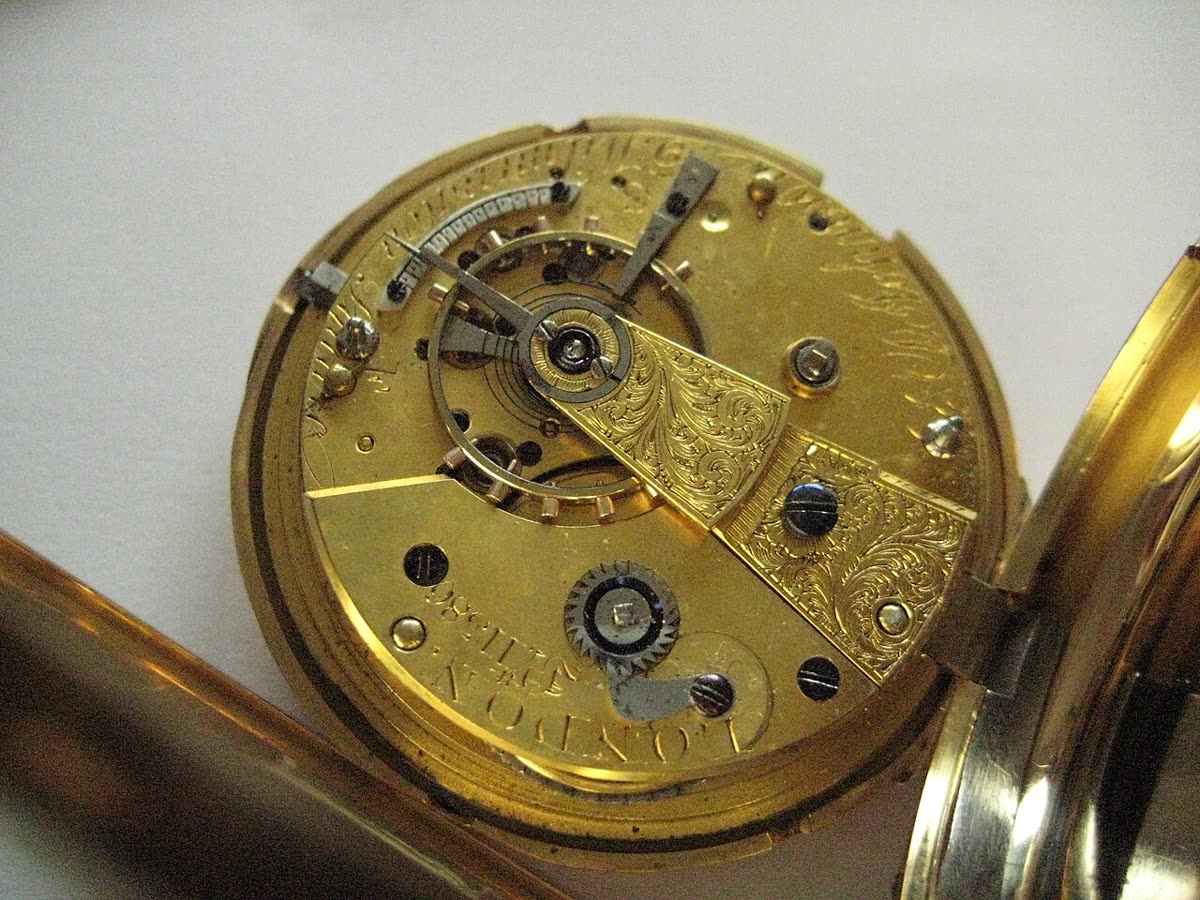
At the heart of an English full-plate fusee movement lies the fusee—a tapered, grooved cone that revolutionized early portable timekeeping. Before the invention of the modern mainspring barrel with effective click work, a mainspring provided immense force when fully wound and negligible power as it neared exhaustion. The fusee addresses this by using a fine fusee chain to connect the barrel to the fusee cone. As the watch runs, the chain winds from the fusee onto the barrel, leveraging the changing diameter of the cone to compensate for the diminishing torque of the spring.
This mechanism, commonly seen in Fusee Pocket Watches, acts as a primitive constant-force device. When the watch is wound, the chain is pulled from the barrel back onto the fusee, tightening the mainspring. Because the fusee is widest at the bottom, it provides the maximum leverage needed to wind the spring, while the narrow top allows the spring to exert its greatest power where the mechanical advantage is lowest. This delicate balancing act creates a remarkably consistent rate for the era, though it adds significant thickness and complexity to the Pocket Watch Encyclopedia of historical calibers.
Why Does a Fusee Watch Chain Fail?
The fusee chain is perhaps the most vulnerable component of the entire watch. These chains are composed of hundreds of minute steel links, joined by tiny rivets. Over centuries, these links can become brittle, rusted, or kinked. If the chain is forced during winding, or if the fusee stopwork fails to prevent over-winding, the stress can cause the chain to snap. A snapping chain in a fusee watch is a catastrophic event; the sudden release of mainspring tension can shatter the balance staff, strip gear teeth, and warp the plates of the movement.
The Professional Approach to Fusee Watch Repair
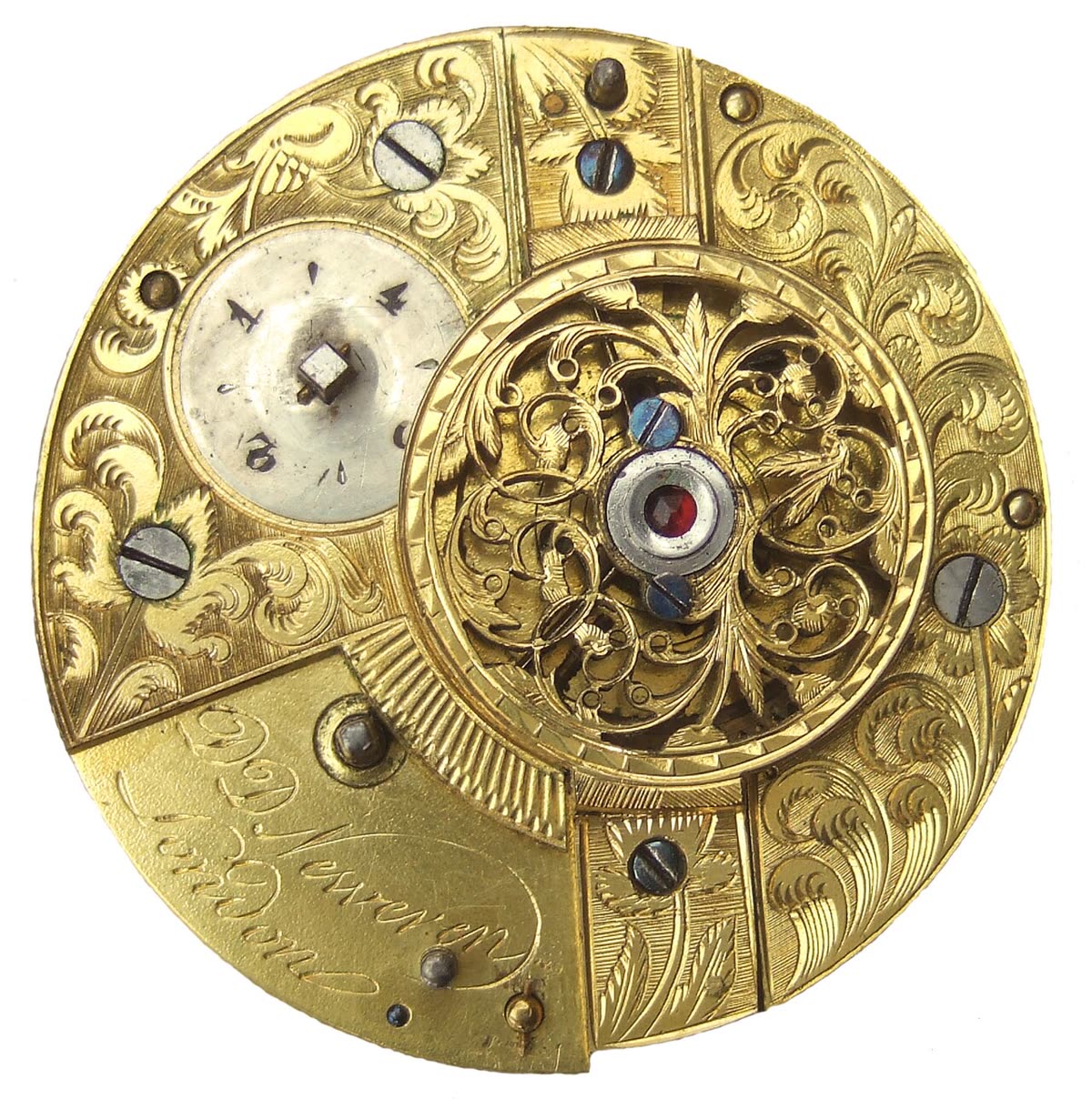
True fusee repair prioritizes conservation over aggressive restoration. A master watchmaker will first examine the fusee chain guard to determine if it has served its purpose in preventing damage. If replacement parts are required, they must be hand-manufactured or sourced from period-correct scrap movements, as standardized modern parts do not exist for these unique assemblies. The movement holder is essential here, providing a stable platform to work on the plates without inducing stress on the fusee arbor or the escapement.
During the service process, the horologist must carefully inspect the mainspring barrel and the under-dial work. Often, the issues lie not in the fusee itself, but in the chain hook or the barrel hook where the chain attaches. If these hooks are worn, the chain may slip under high tension, causing the watch to lose power suddenly. An experienced outworker or specialist workshop will clean these components using ultrasonic methods, taking care not to damage the original fire-gilding often found on brass plates of this period.
How to Care for Your Fusee Watch
Owner maintenance is strictly limited to cleaning the exterior and proper handling. You can safely clean the case, but never open the movement yourself unless you are trained to do so. If you have mastered how to open a pocket watch safely, use only the appropriate tools. Never oil a fusee watch with modern synthetic lubricants intended for high-speed quartz movements; these are often inappropriate for the slow-moving, high-torque environments found in fusee mechanisms, where the viscosity requirements are vastly different.
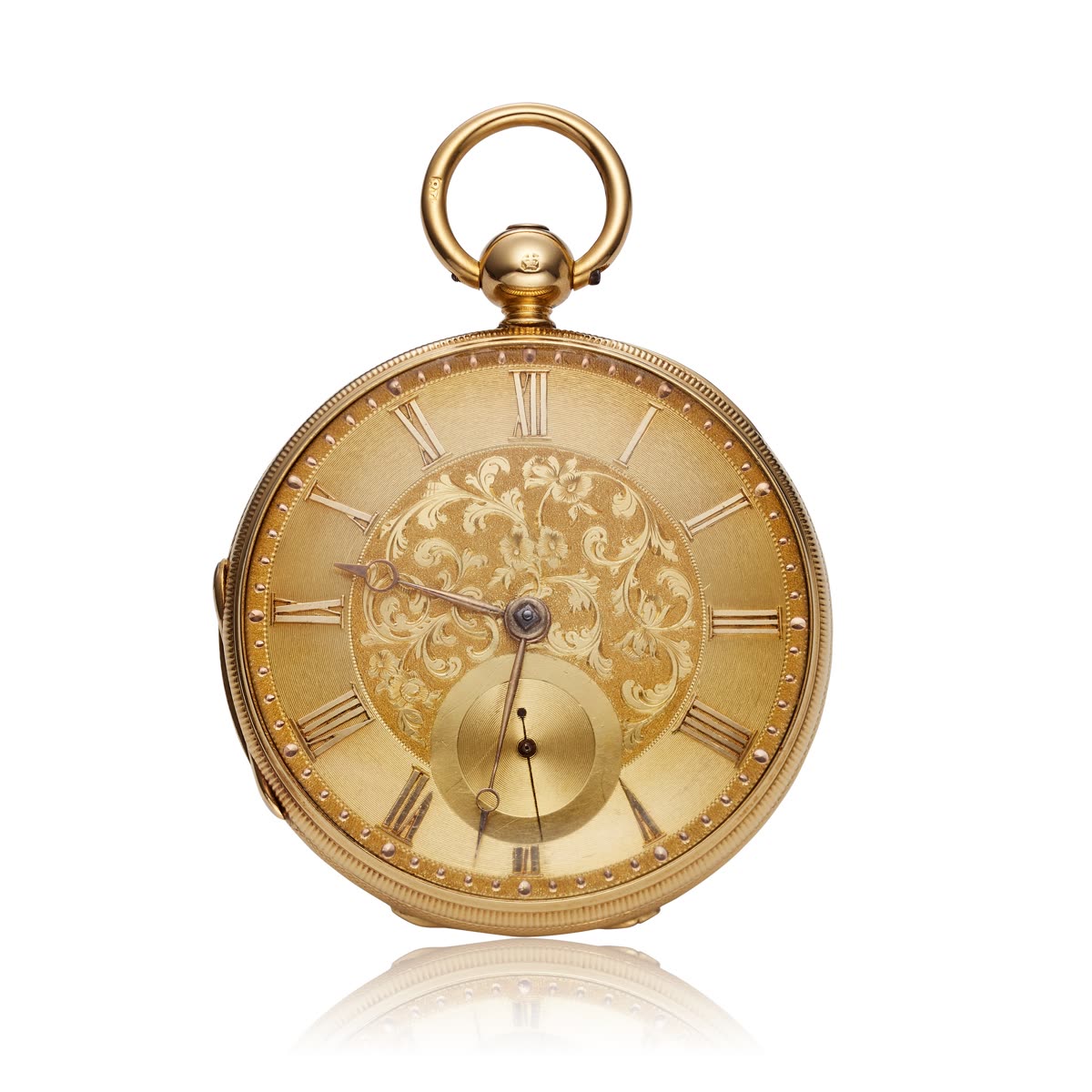
When wearing or storing your watch, consider how you carry it. Using chains, fobs and accessories correctly protects the watch from accidental drops. Always wind the watch slowly and stop the moment you feel the resistance of the fusee stopwork. Never force the crown. If the watch has not been serviced in the last decade, it is likely that the original oils have congealed into an abrasive paste, which acts as a grinding compound on the pivots, accelerating wear every time the watch runs.
Identification and History
Identifying these watches requires checking the movement layout. Most British fusee movements have a distinct full-plate construction. You can learn how to identify an antique pocket watch by looking at the hallmarks on the case, which often provide a window into the watch's origin. Many provincial makers relied on outworkers for parts, meaning individual watches may feature a blend of components. Always check the movement encyclopaedia for known calibre configurations, though be aware that many historical records remain incomplete or disputed.
Table: Common Fusee Issues
| Component | Common Fault | Resolution |
|---|---|---|
| Fusee Chain | Broken/Kinked links | Professional repair or custom replacement |
| Stopwork | Worn or broken spring/finger | Replacement of stopwork components |
| Barrel Arbor | Wear in pivot holes | Bushing and re-pivoting |
| Mainspring | Set/Fatigue | Replacement with correct tension spring |
Frequently Asked Questions
Sources
- Cutmore, M., The Pocket Watch Handbook — pocket-watch construction
- de Carle, D., Practical Watch Repairing — jewelling and movement construction
- Daniels, G., Watchmaking — movement construction
- de Carle, D., Practical Watch Repairing — inspection and faults
- de Carle, D., Practical Watch Repairing — inspection, cleaning and servicing