
Magazine · Collecting & value research
Are Vintage Watches on Etsy Real? A Buyer’s Guide to Authenticity
The vintage marketplace on Etsy is a mix of legitimate horological finds and deceptive compilations. Navigating these listings requires a discerning eye for historical detail and a healthy dose of skepticism regarding authenticity claims.
November 23, 2026 · 5 min read
AI-drafted from search research. Not yet editorially reviewed — check important facts against the cited sources.
Key takeaways
- Treat every listing as an independent case study; platform reputation does not equal individual item authenticity.
- Learn to identify original condition versus sympathetic replacement parts to avoid overpaying for modified watches.
- Use movement serial numbers and calibre markings to cross-reference production periods.
- Prioritize sellers who open the case back; a watch you cannot inspect inside is a high-risk purchase.
- Consult The Ébauche System to understand that many authentic vintage movements were used by multiple brands.
The allure of finding a hidden gem on a platform like Etsy is undeniable, yet the digital marketplace for vintage timepieces is fraught with complexities. Unlike specialized auction houses that offer expert vetting, Etsy functions as a bazaar where responsibility for authenticity lies almost entirely with the buyer. A vintage watch may be 'real' in the sense that it exists, but determining whether its components are original to one another is a task that requires fundamental horological knowledge. Buyers must distinguish between a well-maintained heirloom and a marriages, recases and frankenwatches assembly, which uses disparate parts to create a marketable appearance.
Are vintage watches on Etsy generally authentic?
There is no binary answer. You will find professional restorers listing meticulously serviced, authentic timepieces alongside opportunistic sellers offering 'restored' pieces that are, in fact, frankenwatches. Because Etsy sellers range from private collectors to high-volume dealers, the provenance of a watch varies wildly. Authentic watches are often those that have been kept in original condition, showing honest wear on the dial and case. Conversely, watches that look 'too perfect'—often with repainted dials or incorrectly matched hands—should be approached with extreme caution, as these are common hallmarks of attempted deception in the vintage market.
How can I verify if my vintage Gucci or Casio watch is real?
Authenticating a fashion brand like Gucci requires checking the case back for specific model numbers and comparing them against known production records. For digital watches like vintage Casio, the focus shifts to the module number and the quality of the display's 'crispness'—fakes often display poor contrast or incorrect segment fonts. In both cases, consult The Ébauche System archives if the brand used outsourced movements. Authentic watches will feature crisp engravings that match the brand's production era, whereas fake signatures are often laser-etched or poorly aligned, lacking the depth of period-correct machine stamping.
The importance of the movement: beyond the dial
The most critical step in assessing any vintage watch is inspecting the engine within. Sellers who refuse to provide a clear photograph of the movement are essentially asking you to buy a closed box. When you examine the movement, look for the maker’s mark, the calibre number, and the serial number. If these are absent or illegible, refer to Dating an Unmarked Movement. A movement’s jewel count is also a significant clue; an unusually high or low number for a specific calibre can indicate that parts have been scavenged or replaced with incompatible components, shifting the watch from an original piece to one containing replacement parts.
| Indicator | Potential Meaning | Action |
|---|---|---|
| Repainted Dial | Loss of originality; low collector value | Decline purchase |
| Mismatched Hands | Sympathetic or non-original replacement | Request history |
| No Movement Photo | Obfuscation of calibre or state | Avoid listing |
| Shiny, new-looking movement | Possible over-polishing or incorrect servicing | Consult a watchmaker |
Understanding 'Original Condition' vs. Restoration
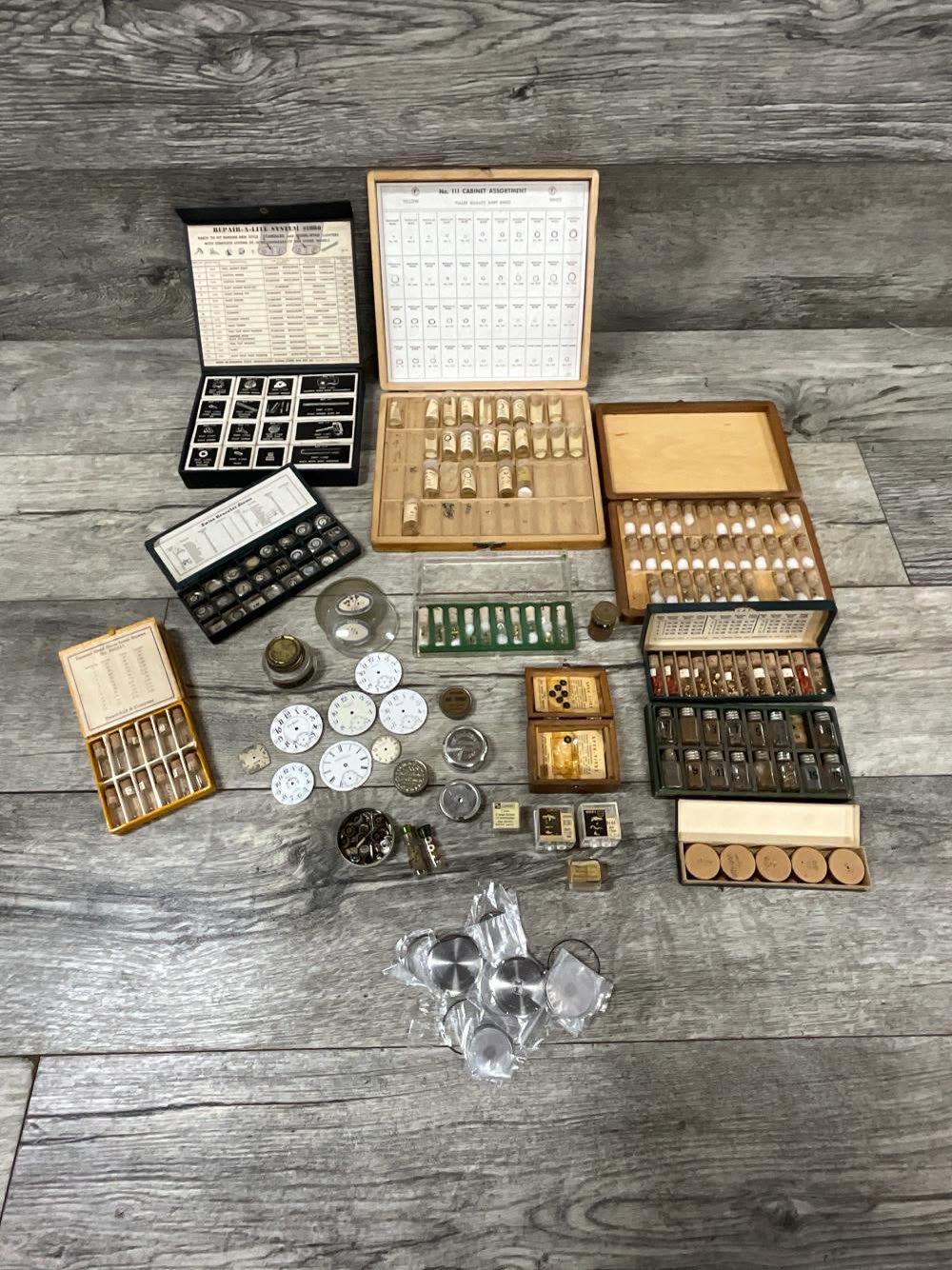
Collecting is often divided between those who demand absolute original condition and those who prioritize a watch's working life. If a watch has been serviced, ensure the work was performed with sympathetic replacement parts—that is, components that match the original material and design aesthetic of the era. Watchmakers often rely on replacement parts to keep a caliber running after decades, and this is standard practice. However, there is a distinct difference between a functioning replacement mainspring and a modern dial fitted onto a 1950s movement. Always ask the seller about the extent of the servicing performed.
Navigating the 'Frankenwatch' trap
A 'frankenwatch' is a composite assembly—often taking the dial from one watch, the case from another, and a movement from a third. These are common in the vintage market because individual components are often easier to source than complete, working units. To detect these, look for inconsistencies in finish. Does the wear on the case match the wear on the dial? Does the crown appear to have been forced or replaced with one that doesn't seat flush? Reference Movement Encyclopedia records to confirm that the movement in question was actually used in that specific case reference at the time of manufacture.
Conservation advice for the new collector
If you acquire a vintage watch, your first responsibility is conservation. Avoid the urge to open the case yourself unless you possess the correct tools and training, as you risk damaging the case back or the movement inside. If the watch is running, monitor its timekeeping over a 24-hour period. If it deviates significantly, it likely requires an expert assessment. Never attempt to oil a vintage watch movement yourself; modern lubricants are incompatible with the oils used in older mechanisms, and over-oiling can lead to disastrous wear on the gear train. A qualified professional should always perform the cleaning and calibration of a lever-escapement or other historical mechanism.
Where to find reputable vintage watch sources
While Etsy offers a wide reach, enthusiasts often look toward dedicated vintage watch specialists or reputable auction houses that provide condition reports and historical verification. Museums, such as the Science Museum Group or the British Museum, hold extensive records of horological development that can serve as a benchmark for what original pieces should look like. Use these institutional collections to educate your eye on the finishing standards of different eras, from the Lépine calibre of the 18th century to the Lancashire Watch Company output of the late 19th century.
Why do some vintage watches have 'secret' signatures?
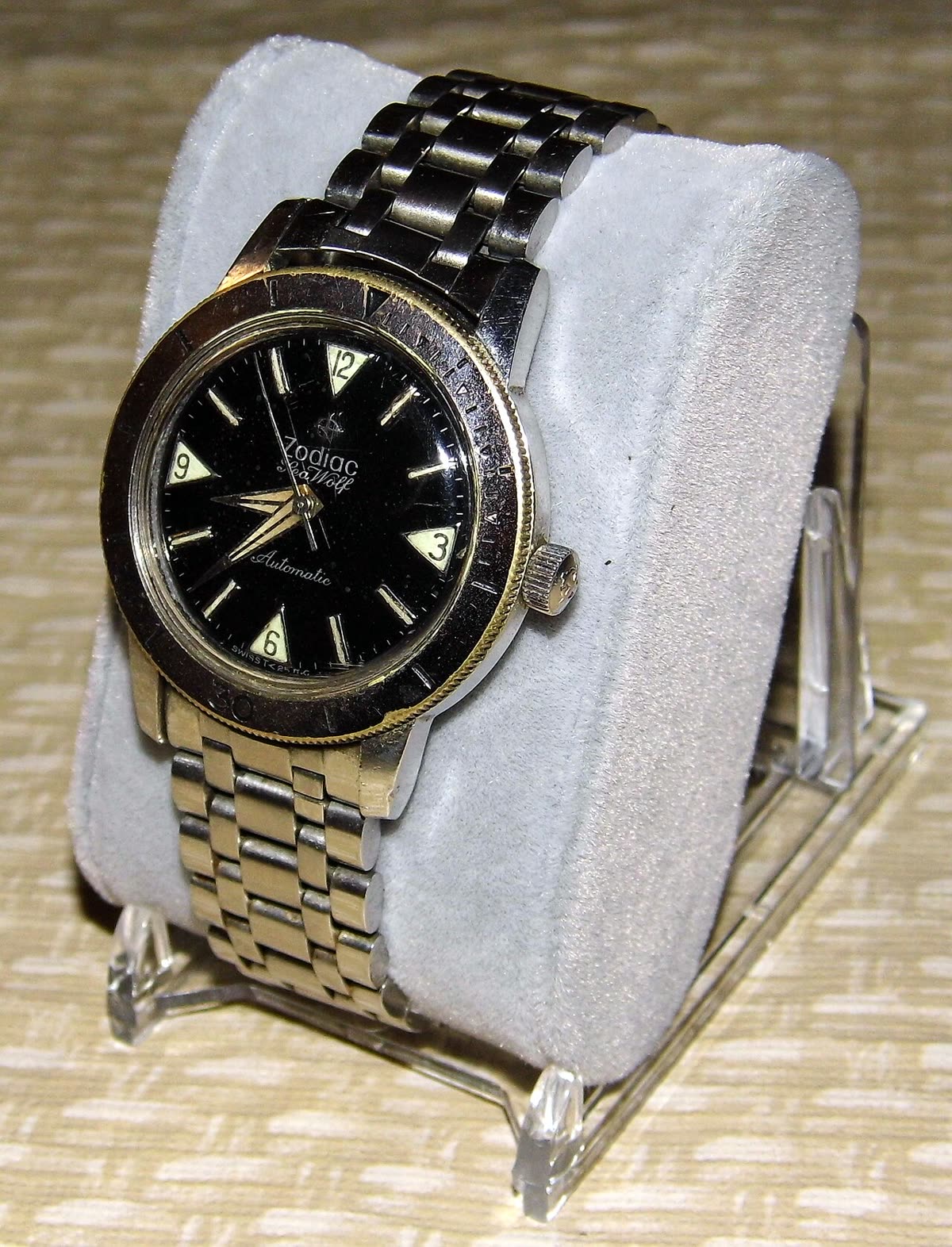
Some makers placed 'secret' signatures—small, near-invisible marks—on dials to protect against fake signatures and counterfeiting. These are often located near the center of the dial, hidden beneath the hands, or tiny inscriptions on the movement bridges. Searching for these requires a jeweler’s loupe and a good light source. Identifying these marks is one of the most reliable ways to authenticate a vintage watch, as they are exceptionally difficult for forgers to replicate without expensive, period-accurate tooling.
Final considerations for buying
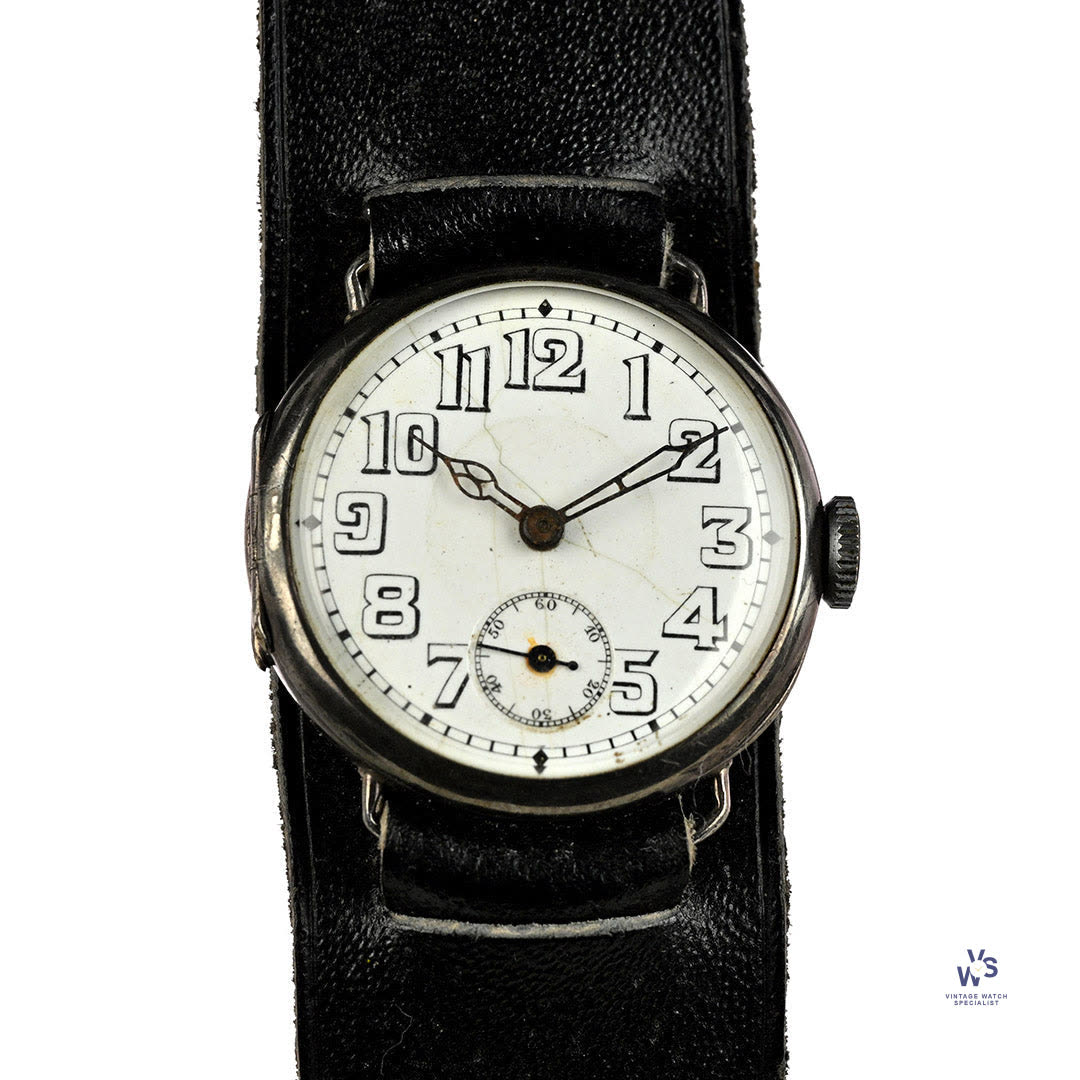
The purchase of a vintage watch should be viewed as an act of stewardship. Whether you are looking for a men’s dress watch or a rugged trench piece, your goal is to find an object that has been respected throughout its lifespan. Ask yourself: is the watch being sold by someone who appreciates horology, or is it merely a listing designed to move inventory? A seller who can answer detailed questions about the escapement or the movement’s origins is more likely to be offering a genuine piece of history.
Sources
- Thompson, D., The Watches of the British Museum — early watch development further reading
- Cutmore, M., The Pocket Watch Handbook — pocket-watch construction
- de Carle, D., Practical Watch Repairing — inspection and faults
- Priestley, P., Watch Case Makers of England — case makers and responsibility marks
- https://collection.sciencemuseumgroup.org.uk/objects/co997/waltham-quartz-crystal-digital-watch-with-liquid-crystal-display
- de Carle, D., Practical Watch Repairing — jewelling and inspection
- de Carle, D., Practical Watch Repairing — inspection, cleaning and servicing
- Priestley, P., Watch Case Makers of England — case and trade identification context