
Detached escapement
Swiss (straight-line) lever escapement
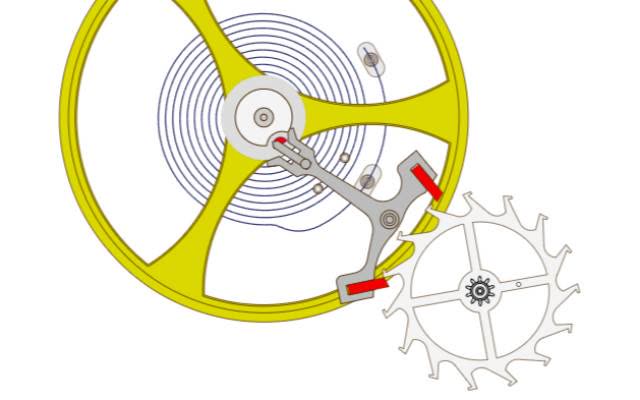
VerifiedEscape wheel, pallet fork pivot and balance staff are arranged on a single straight line, typically with a club-tooth escape wheel; the compact layout suits thin, going-barrel movements built for volume production.
Schematic arrangement
How it is laid out
Outline schematic only, drawn to show the characteristic arrangement of wheel, locking member and oscillator. It is not a dimensioned working drawing and should not be used for setting up or repairing a movement.
Advantages
- Compact and thin
- Efficient impulse transfer
- Well suited to mass and later mechanised production
Drawbacks
- Requires precise jewelling and pallet geometry to perform well
Attribution and period
Standardised through the nineteenth century as Continental going-barrel production matured
Horological firsts are frequently contested. Where an invention is attributed to a named maker, that attribution is recorded as such rather than treated as settled fact.
How to recognise it
- Escape wheel, pallet arbor and balance staff arranged in a straight line.
- Club-tooth escape wheel with an impulse face on each tooth.
- Found in the overwhelming majority of twentieth-century jewelled mechanical watches.
Servicing and conservation
Standard overhaul practice applies: inspect pallet stones and escape-wheel teeth, check lock and drop, and oil only the pallet stones and escape teeth as the calibre's technical guide specifies. Excess oil on the pallets is a common cause of poor amplitude.
Work on an antique escapement by a qualified watchmaker or clockmaker. Conservation of original parts is preferred to replacement wherever the object will still run.
Bibliography
- Daniels, George, Watchmaking
- de Carle, Donald, Practical Watch Repairing
Photographs
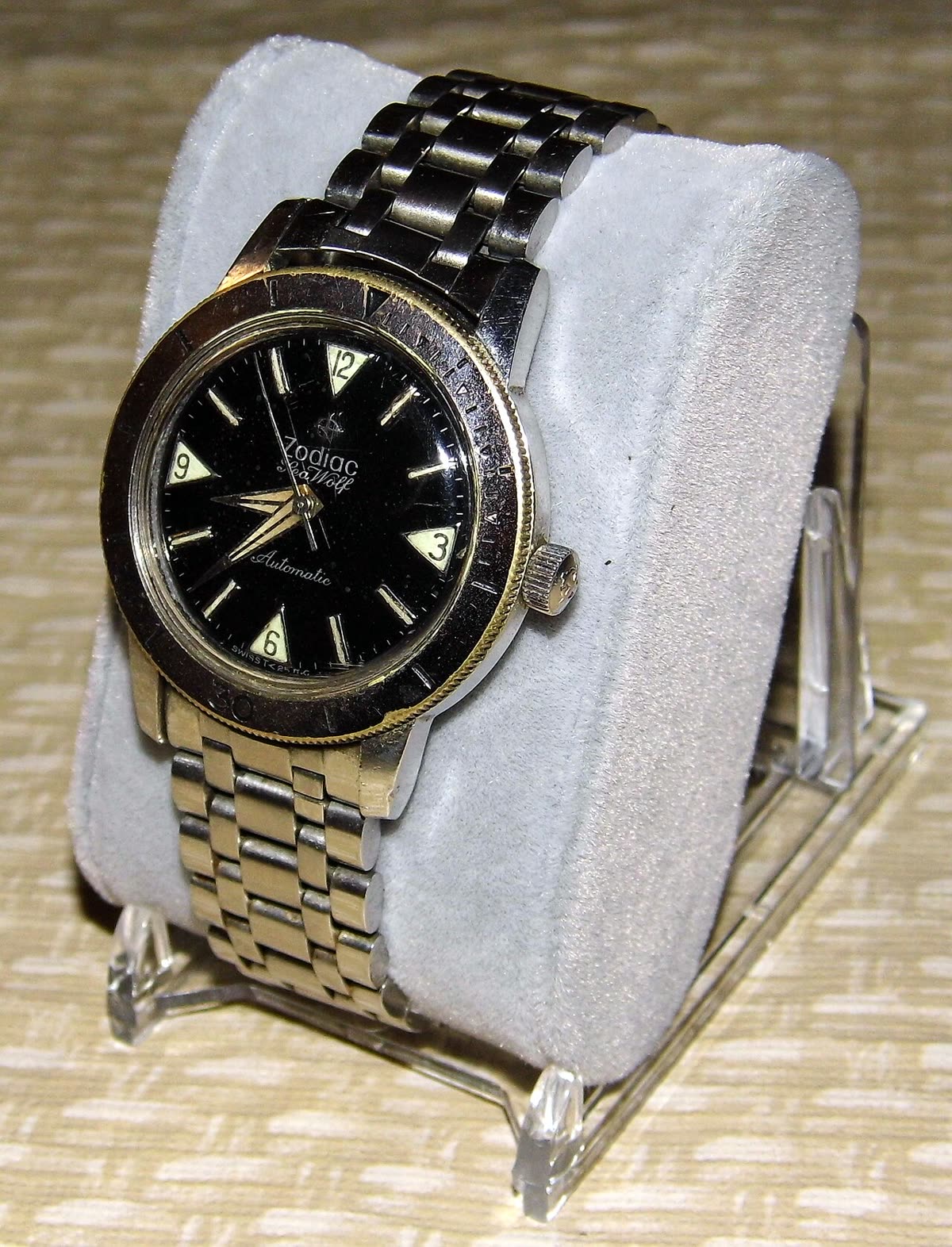
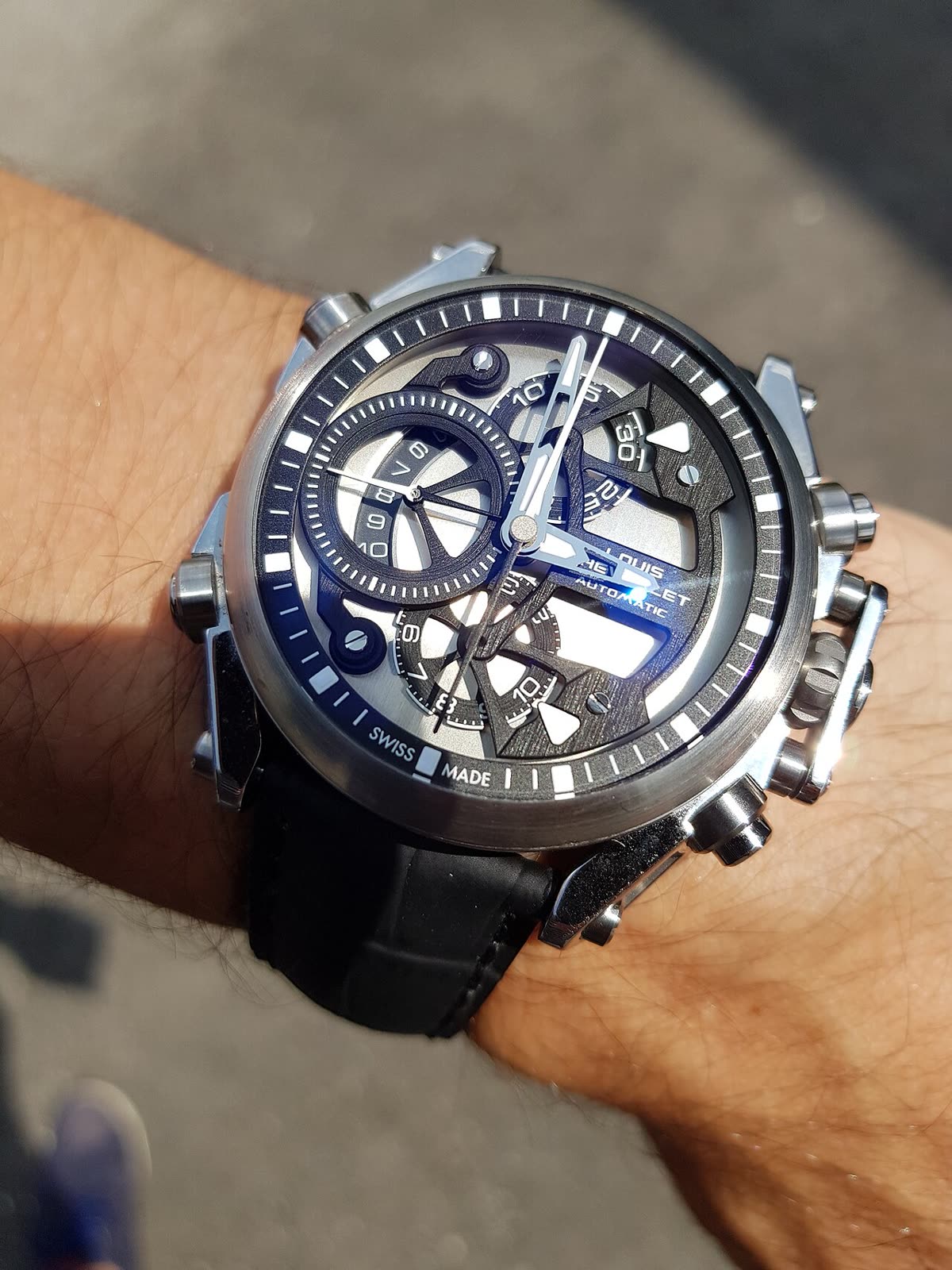
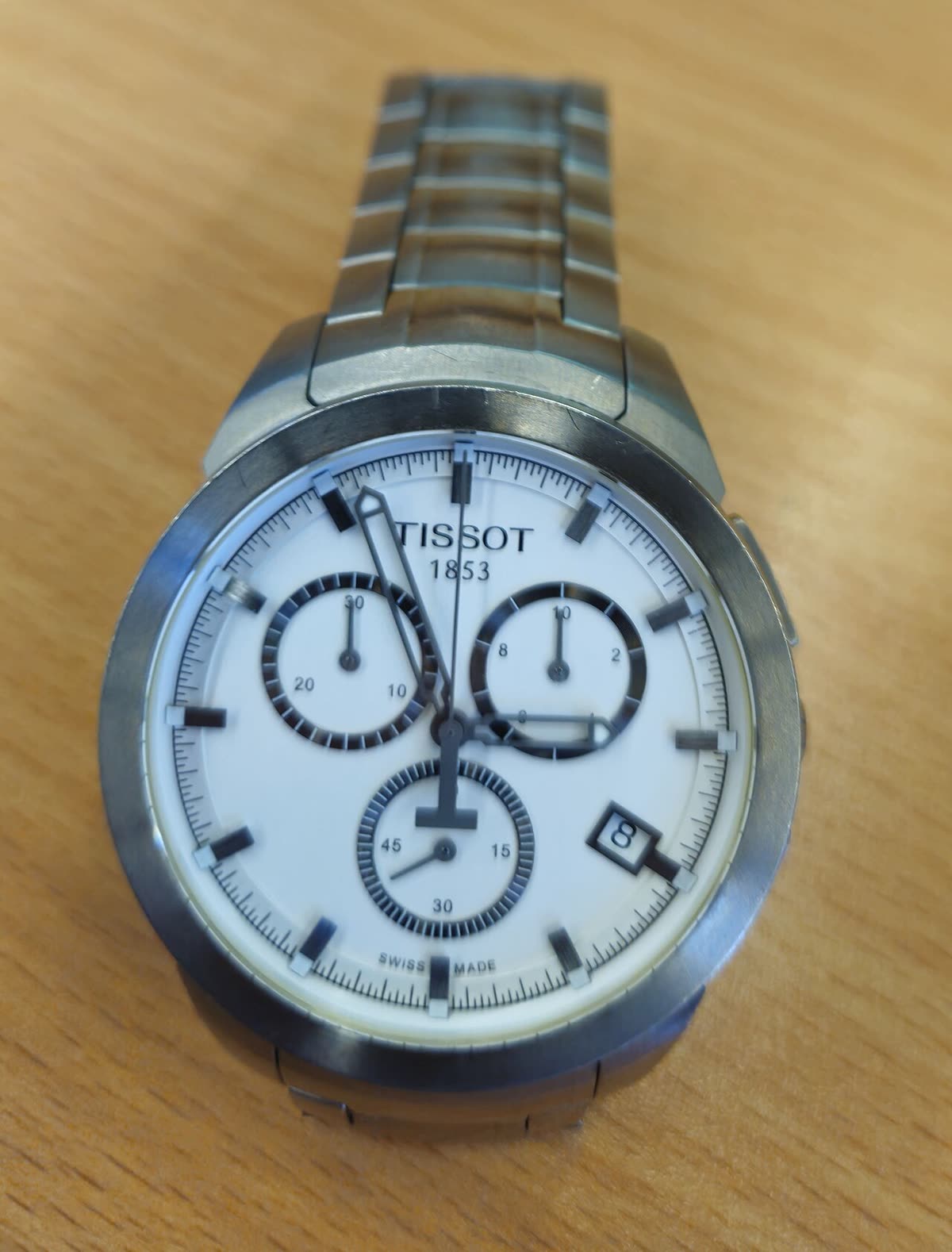
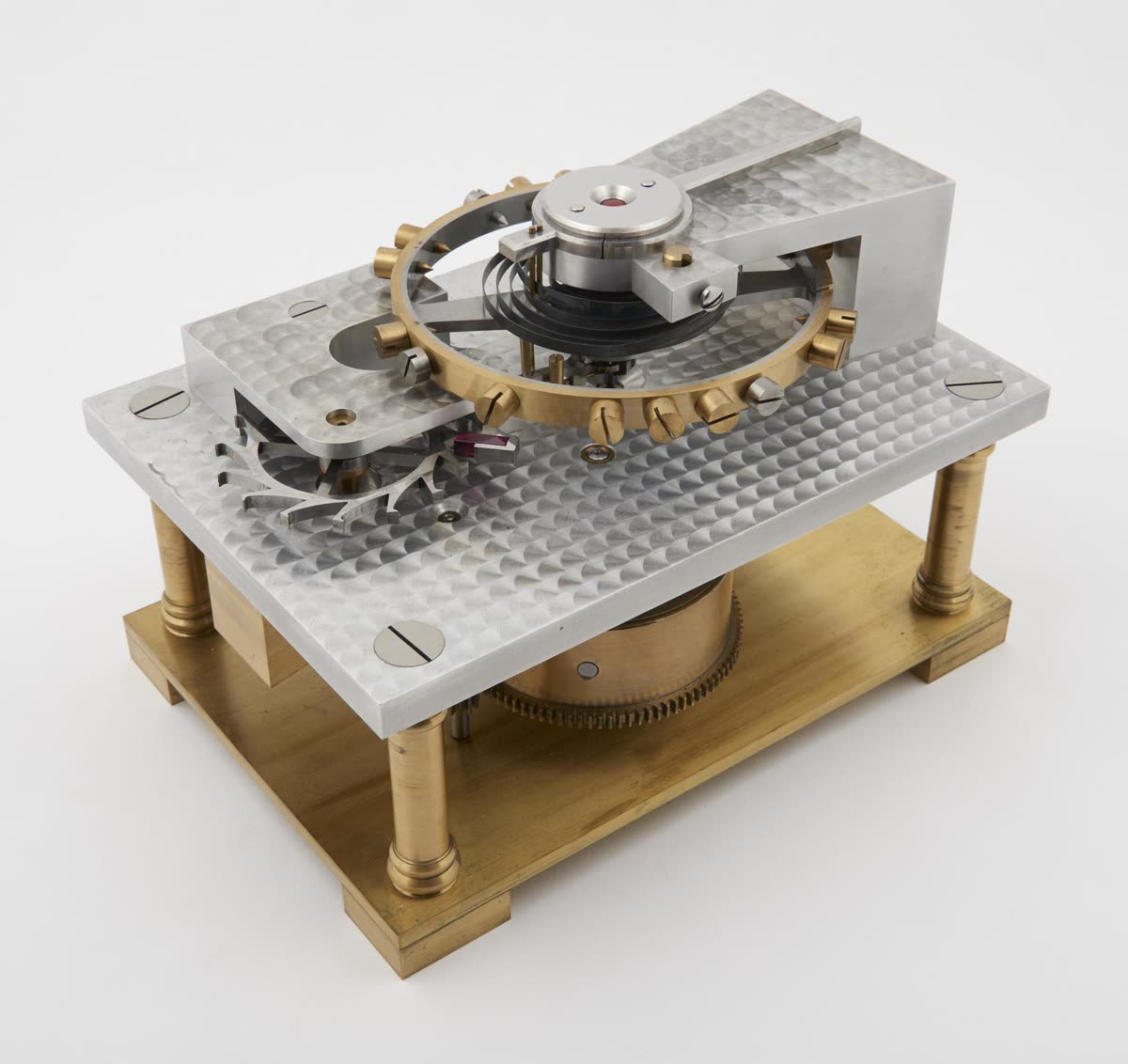
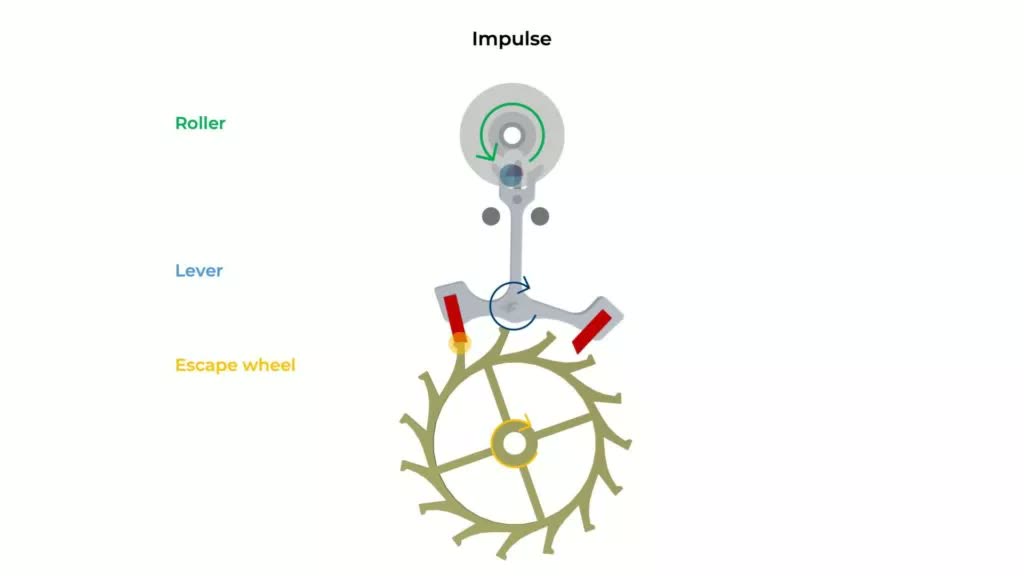
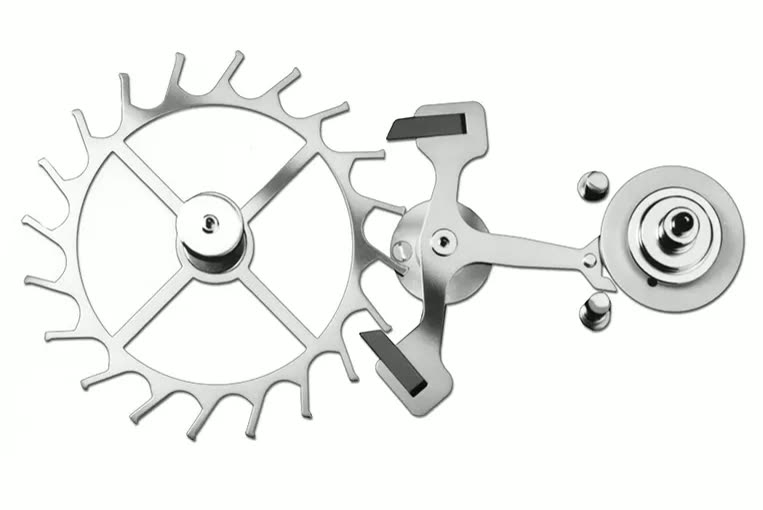
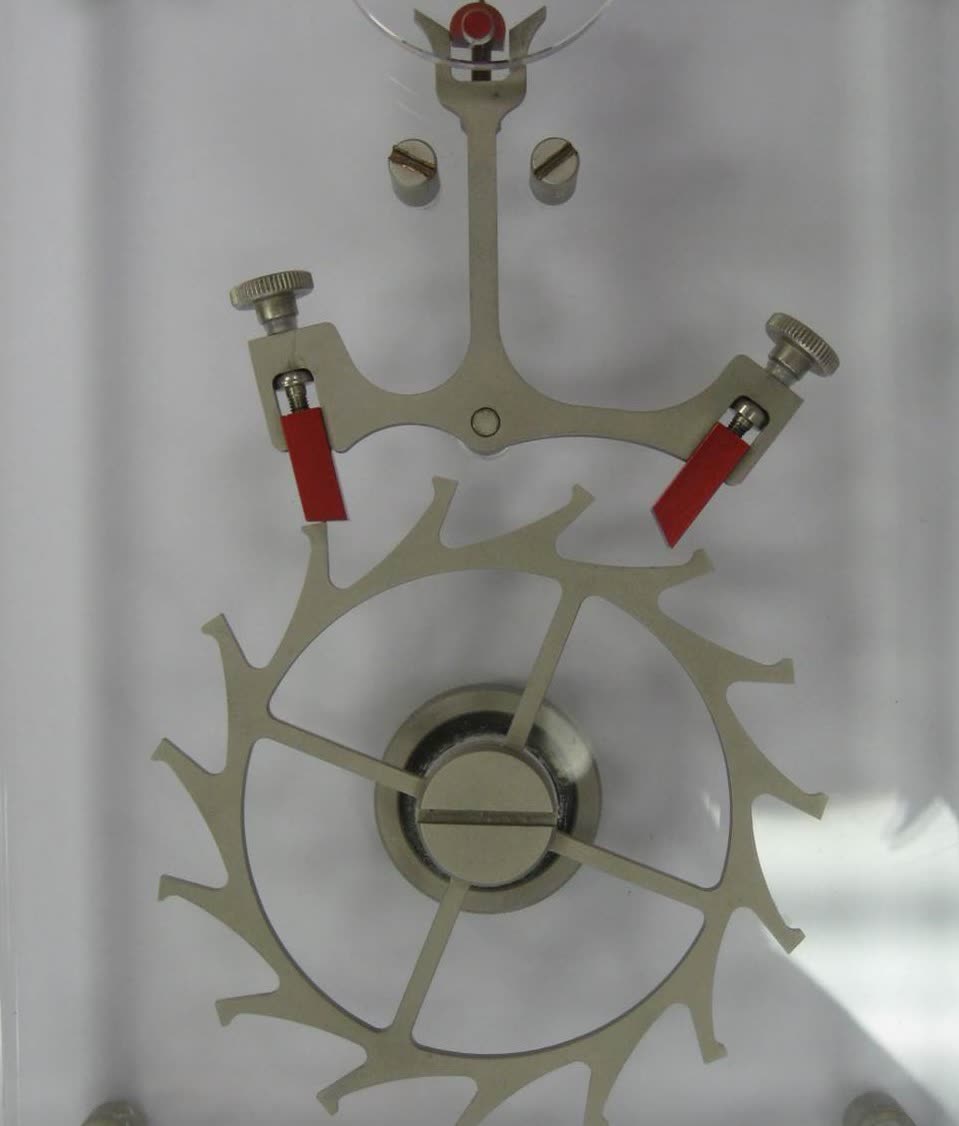
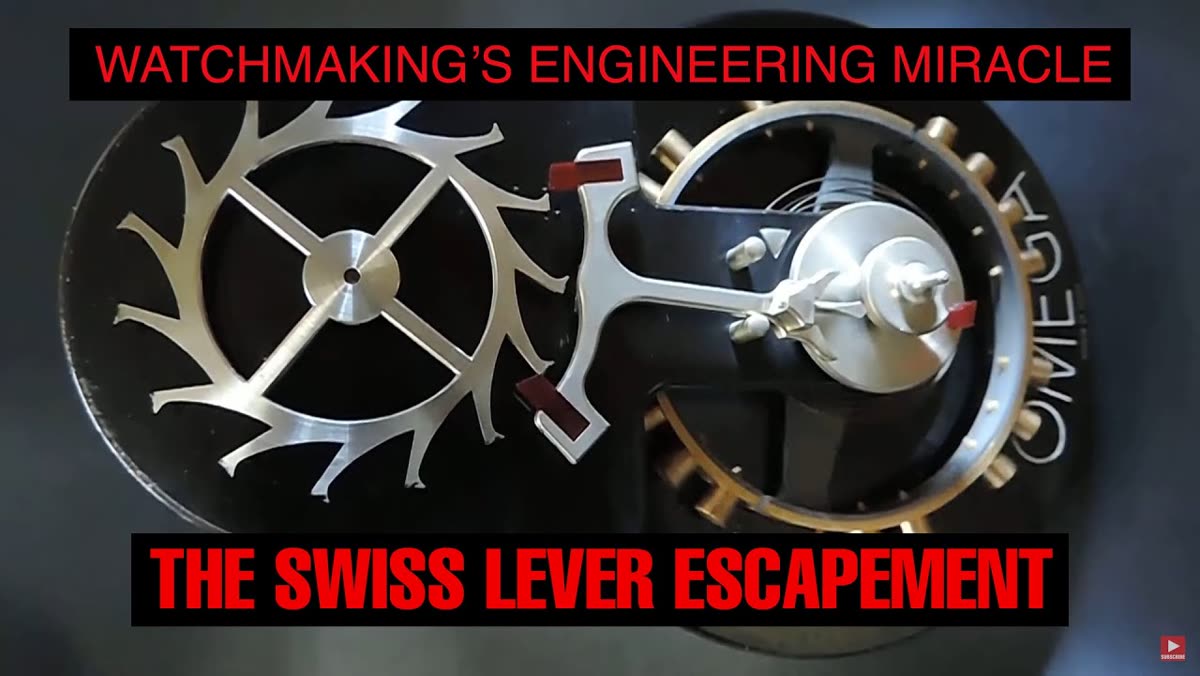
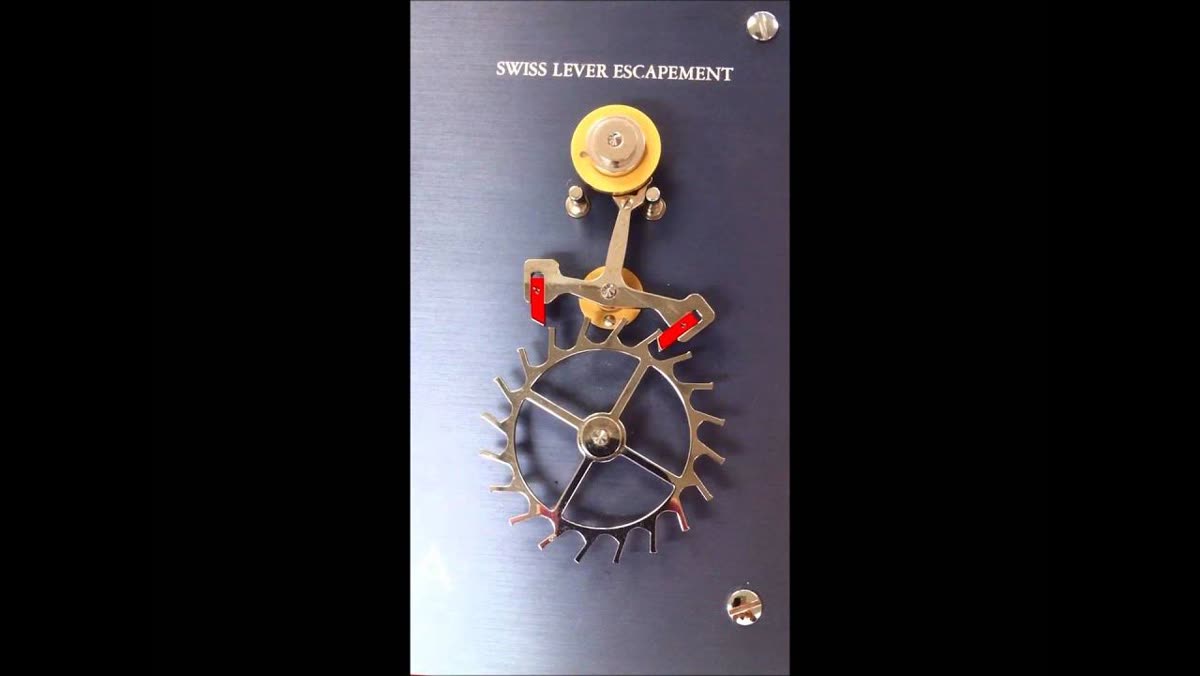
Photographs are matched automatically from freely licensed Wikimedia Commons material. Each caption states the actual subject of the image and credits its author; where a close match for this escapement does not exist, a related mechanism may be shown instead.