
Magazine · Care, conservation & repair
What Happens During an Antique Pocket Watch Repair?
Restoring an antique pocket watch requires a deep respect for historical integrity and mechanical precision. This guide outlines the professional process of bringing a dormant timepiece back to life while preserving its heritage.
November 23, 2026 · 5 min read
AI-drafted from search research. Not yet editorially reviewed — check important facts against the cited sources.
Key takeaways
- Prioritize conservation over aggressive restoration to maintain historical value.
- Mechanical pocket watches require specialized knowledge, distinct from modern wristwatches.
- Railroad-grade watches adhere to specific standards and require expert calibration.
- DIY lubrication or cleaning is the leading cause of permanent damage to vintage movements.
- Always seek a horologist experienced in your specific watch type or era.
The allure of an antique pocket watch lies in its survival through decades, sometimes centuries, of use. Whether you own a robust Railroad Grade timepiece or a delicate Dress Pocket Watch, these instruments are marvels of mechanical engineering. However, the internal mechanisms are highly susceptible to the effects of time. Old lubricants often congeal into an abrasive paste, and microscopic debris can wreak havoc on the fine gear trains. Understanding the repair process is the first step in ensuring your watch remains a functioning heirloom rather than a silent paperweight.
Why Conservation Takes Precedence Over Restoration
In the world of horology, we distinguish between conservation and restoration. Conservation aims to stabilize the watch in its current state, preventing further degradation. Restoration seeks to return the object to a previous aesthetic or functional state. For the antique enthusiast, conservation is almost always the preferred path. Replacing original parts with modern substitutes can destroy the provenance and monetary value of a piece. A qualified watchmaker will always attempt to clean, polish, and service existing components before considering a replacement. If a part must be replaced, the original should be carefully preserved alongside the watch.
The Anatomy of a Professional Service
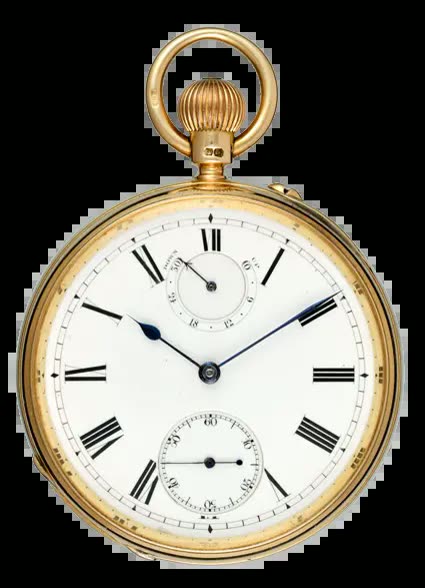
When you entrust your timepiece to a professional, the service follows a standard, rigorous workflow. First, the watchmaker performs an initial diagnostic assessment without opening the Pocket Watch Case. They check for common issues: is the balance wheel free to oscillate? Are the Pocket Watch Hands moving smoothly across the Pocket Watch Dials? Once the diagnostic is complete, the movement is carefully removed from its housing. The watchmaker will then systematically disassemble the mechanism, cataloging every bridge, wheel, and screw. Every component is inspected for wear, particularly the pivots and the jeweled settings, using high-magnification optics.
The Cleaning and Lubrication Protocol
Cleaning is arguably the most critical stage of an antique pocket watch repair. Professional horologists use specialized ultrasonic baths or mechanical agitation machines with specific chemical solutions to dissolve dried oils without harming the metal surfaces or vintage dial paint. Once cleaned, the parts are inspected for microscopic cracks or metal fatigue. The re-lubrication process requires extreme precision; the watchmaker must apply the correct viscosity of modern synthetic oil to specific friction points. Using the wrong lubricant—or too much of it—will cause the watch to stop within months.
Railroad Pocket Watch Repair: A Specialized Discipline
Repairing a Railroad Pocket Watch requires more than general mechanical knowledge; it requires an understanding of the specific time-service standards that defined their production. These watches were built to be adjusted to temperature and multiple positions, ensuring accuracy within seconds per week. When servicing a watch like the iconic Waltham Vanguard or Waltham Crescent Street, the watchmaker must ensure that the Lever-Escapement Pocket Watches components remain within the tight tolerances required by Railroad Approved standards. This is not just a repair; it is a recalibration of a precision instrument designed for life-critical railway scheduling.
Navigating Waltham Pocket Watch Repair
The American Waltham Watch Company produced vast quantities of timepieces, with Waltham Model 1883 and Waltham 1892 being among the most common for repair shops today. Because these were produced in high numbers, spare parts are sometimes available, but the quality of repair depends on the watchmaker’s ability to handle the specific factory-grade characteristics. High-end examples like the Waltham Riverside Maximus require a degree of finish-work that is rarely found in standard consumer pieces. If you are seeking to repair a Waltham, ensure your horologist is familiar with American system production, as the bridge layouts differ significantly from their Swiss counterparts.
How to Repair a Vintage Watch: Understanding the Basics
For the enthusiast asking 'how to repair mechanical watch,' the best advice is to learn through study, not through the destruction of an antique. Most 'repairs' described in enthusiast forums are actually 'servicing' procedures. The Mechanical Watch Encyclopedia covers the evolution from the verge escapement to the modern Lever-Escapement Pocket Watches. Learning the mechanics of the gear train and the balance wheel is an excellent hobby, but you should practice on modern 'donor' movements or dedicated training kits rather than irreplaceable antiques. If a watch has been sitting for fifty years, it requires a complete strip-down, not just a splash of oil.
Maintaining Your Watch After Repair
Once a watch has been professionally serviced, longevity depends on your daily habits. Winding should be done gently at the same time every day. If the watch features a crown (the Keyless Works), wind until you feel the resistance build; never force the crown past this point. Storage is equally important. Keep the watch in a dust-free environment with stable humidity levels, as sudden shifts can cause the metal of the movement to expand and contract, potentially damaging the delicate hairspring. For information on how to handle these pieces in a formal or casual setting, refer to our guide on How to Wear a Pocket Watch.
Common Pitfalls in Antique Repair
- Over-polishing cases: This erases historical engraving and makes the case too thin to hold the movement securely.
- Incorrect oil usage: Using modern automotive or household oil will cause the watch to grind itself to a halt.
- Forcing a stuck crown: This often snaps the winding stem or damages the internal setting lever.
- Replacing the balance staff with generic parts: This usually results in a watch that will never keep accurate time again.
- DIY cleaning: Most household solvents strip the finish off the movement plates and leave behind residue that corrodes the brass.
Identifying and Dating Your Piece
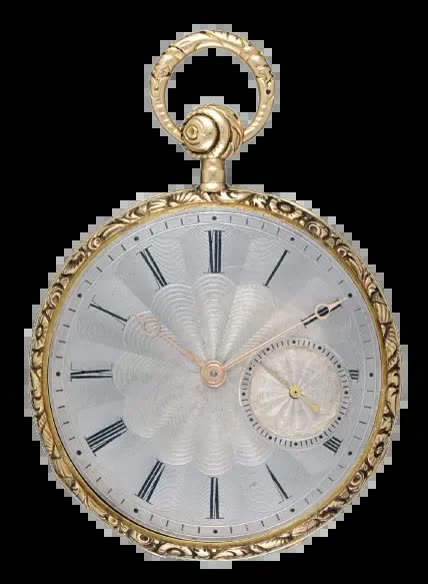
Before requesting a repair, document the watch thoroughly. How to Identify an Antique Pocket Watch provides a systematic method for reading the movement serial numbers, case hallmarks, and dial types. Do not rely on Repairer's marks scratched inside the case as definitive history, as these were often made by itinerant watchmakers who may or may not have recorded accurate dates. When looking at your watch, check for the presence of specialized features like Chronograph Pocket Watches, Repeater Pocket Watches, or Moon-Phase Pocket Watches. These complexities require a master watchmaker, as they contain additional gear trains that complicate the basic cleaning process.
The Role of the Watchmaker in the 21st Century
The Mechanical Revival of recent decades has brought a new appreciation for the craft of the watchmaker. While many mass-produced watches can be serviced by automated processes, antique pocket watches remain the domain of the individual practitioner. Finding a qualified watchmaker is a process of vetting. Look for those associated with historical societies or those who can demonstrate a history of successful work on the specific era of your watch. Do not be discouraged if they have a long lead time; a proper service is a slow, methodical effort that cannot be rushed without risking the safety of the movement.
A Note on Certainty in Horology
Sources
- Cutmore, M., The Pocket Watch Handbook — pocket-watch construction
- de Carle, D., Practical Watch Repairing — mechanical inspection
- NAWCC publications on railroad time service and watch inspection
- de Carle, D., Practical Watch Repairing — inspection and faults
- de Carle, D., Practical Watch Repairing — inspection, cleaning and servicing
- Railway-specific time-service rules and approved-watch lists where available