
Glossary · Mechanism
Escapement
The mechanism that controls the release of energy from the train.
Explanation
The escapement is the mechanism that meters the train's energy to the regulator and keeps the regulator oscillating — the heart of every mechanical clock and watch. Its evolution (verge, anchor, deadbeat, cylinder, lever, detent, co-axial) is the main thread of horological history, since escapement quality sets the limit of accuracy.
In the object catalogue
Catalogued objects whose own source record mentions “Escapement”. The quoted line shows where; it is the seller’s or museum’s wording, not independent verification.
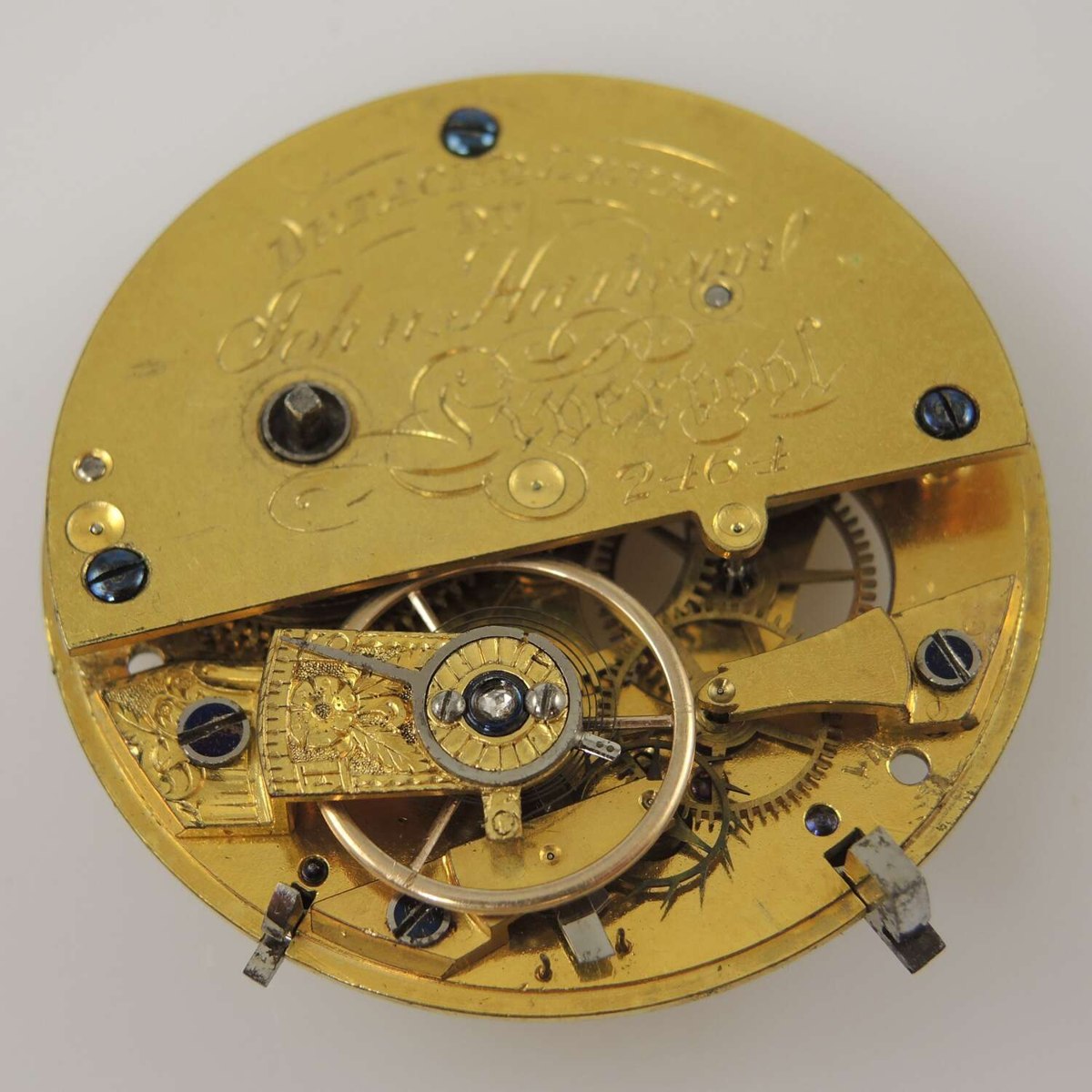
Movement
English fusee detached lever pocket watch movement by John Harrison, Liverpool
“This is an antique English fusee pocket watch movement attributed to circa 1830 and signed by John Harrison of Liverpool. The movement features a gilt 3/4 plate construction wit…”
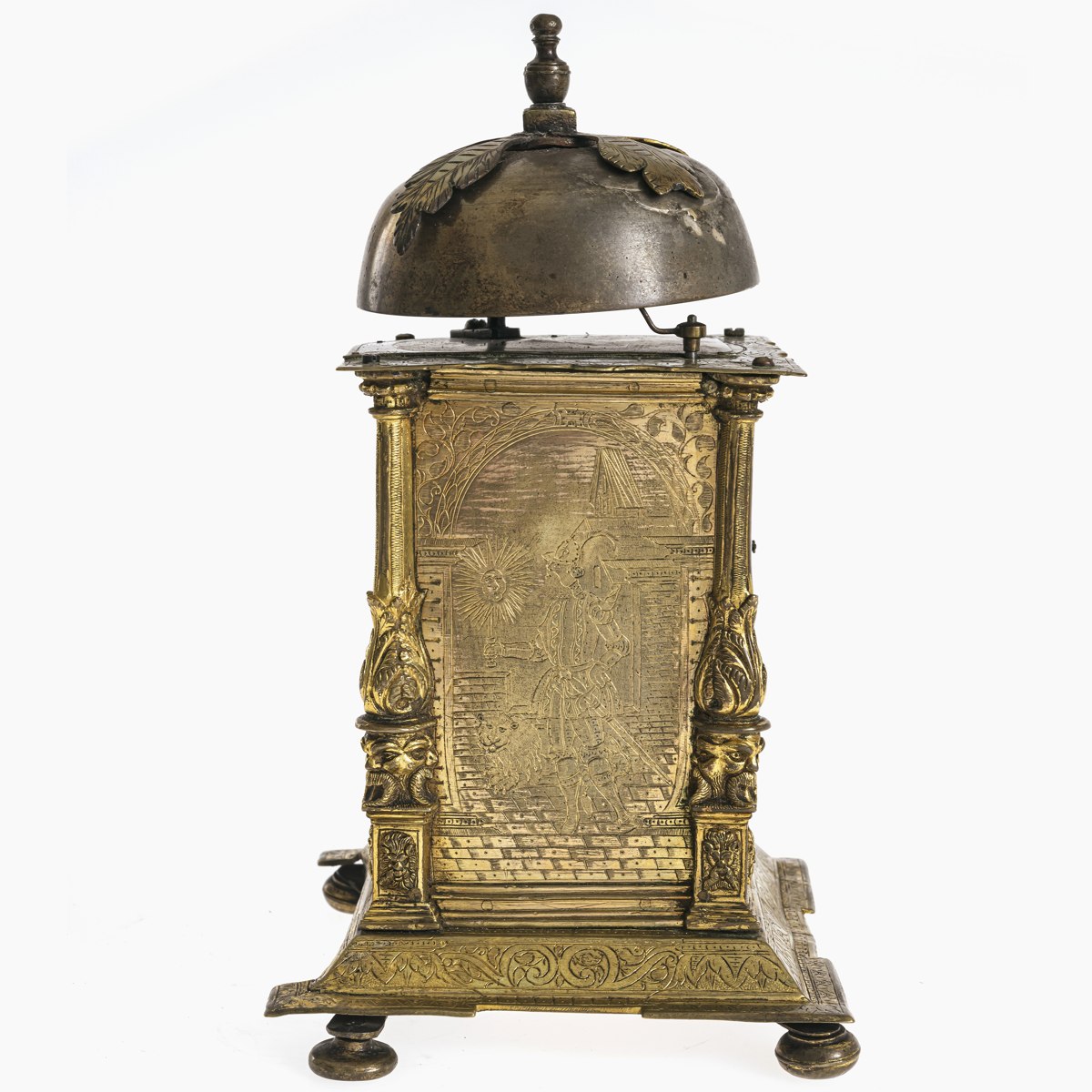
Clock
German (?) Tabernacle Clock
“Catalogued tentatively as German from the late 16th century and later, this tabernacle clock features an engraved metal case embellished on all sides, architectural corner colum…”
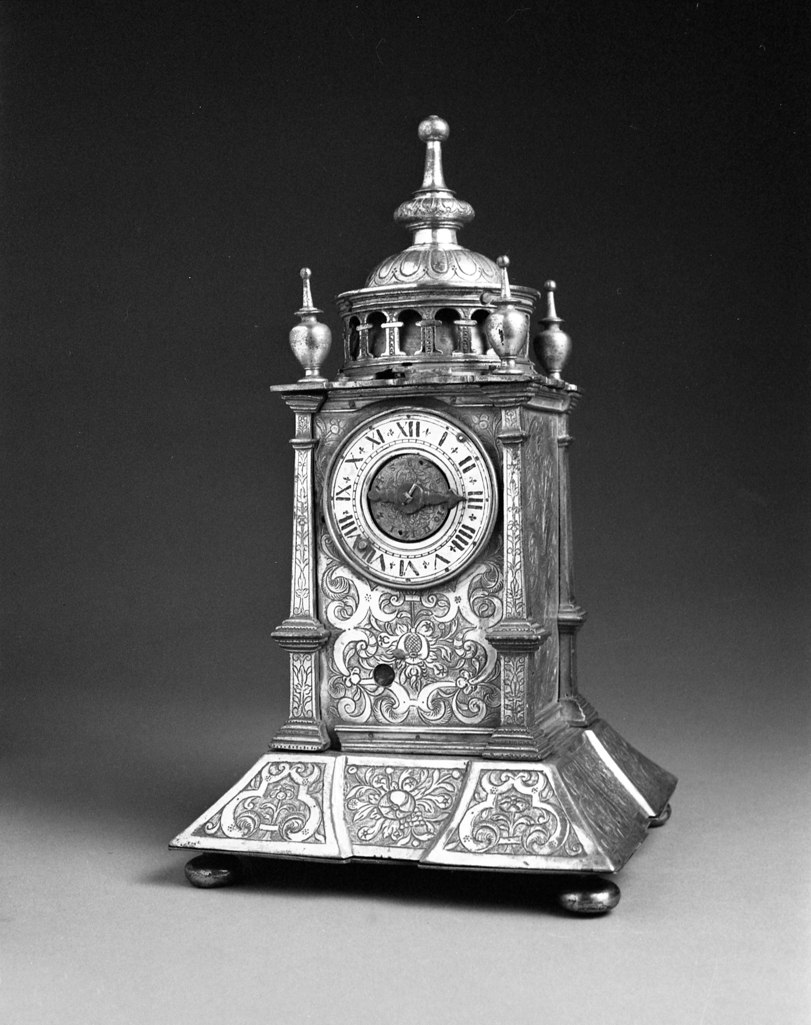
Clock
Tabernacle clock with hour striking and alarm movement
“According to the Fitzwilliam Museum, this German tabernacle clock features an hour striking and alarm movement housed in a case constructed primarily of copper gilt, accented wi…”
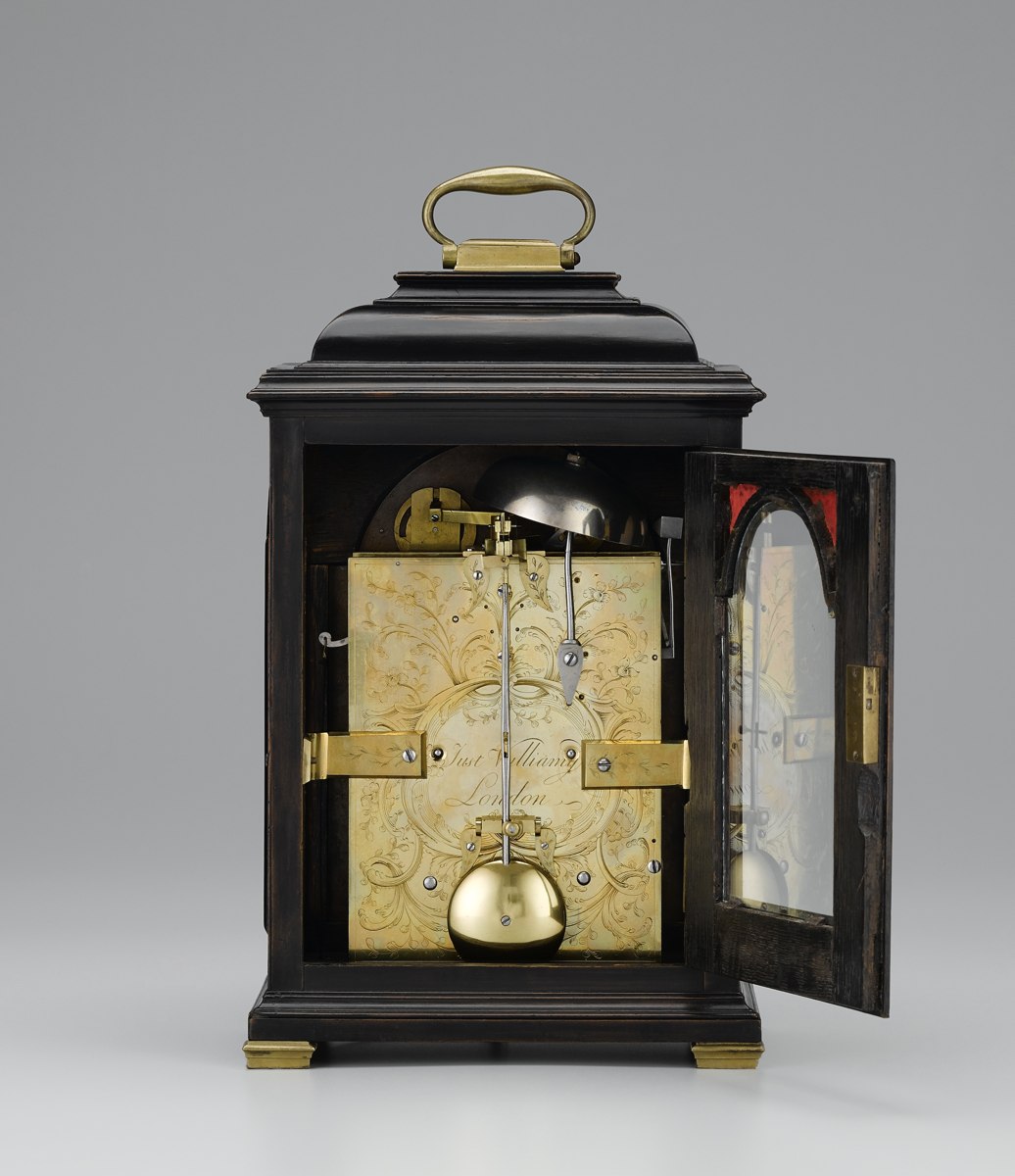
Clock
Justin Vulliamy George III Table Clock
“According to dealer Tobias Birch, this small George III table clock dates to circa 1765 and is signed by clockmaker Justin Vulliamy of London. The case is constructed from eboni…”
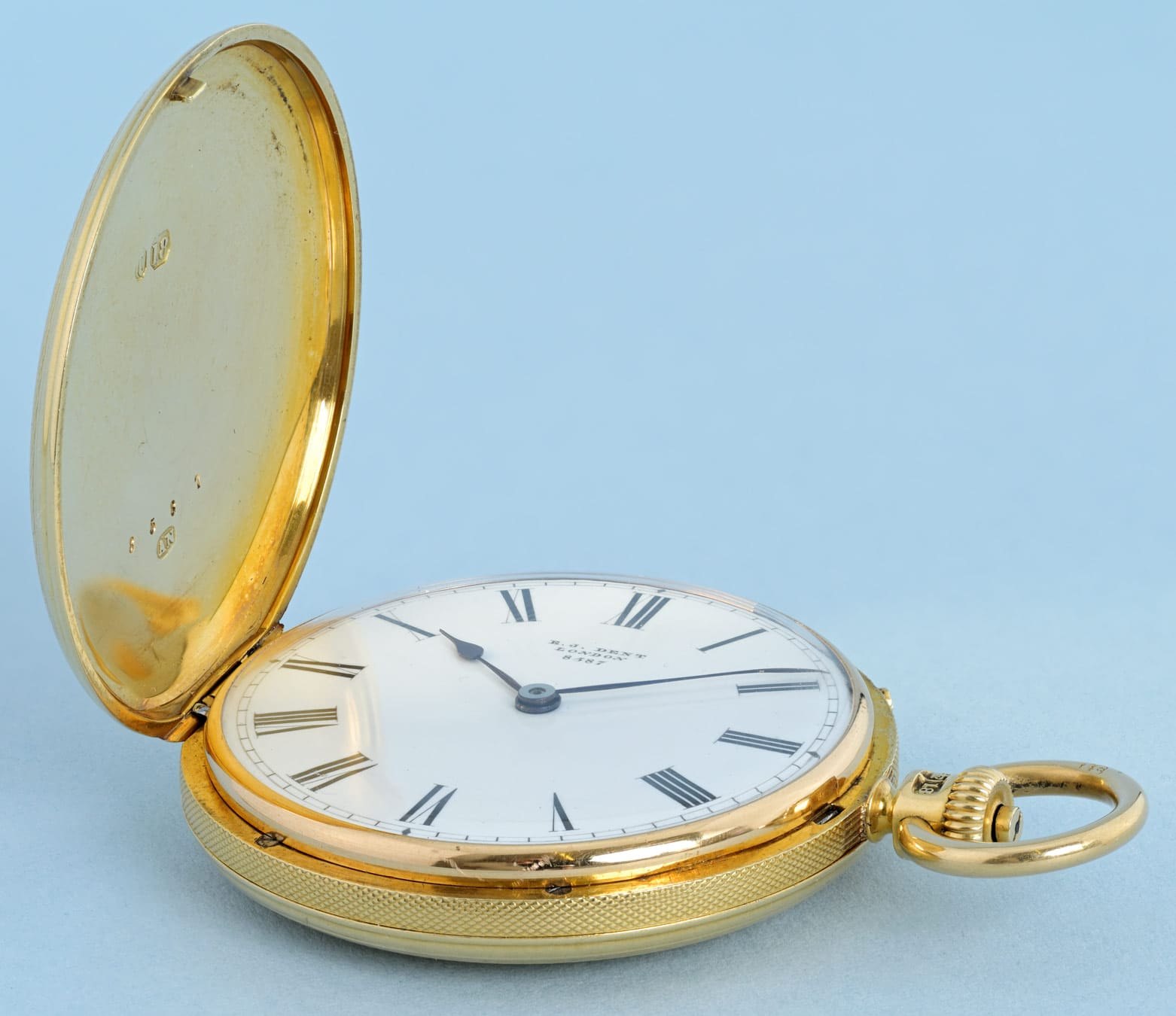
Pocket watch
Nicole Nielsen Gold Hunter Pocket Watch
“This mid-19th-century English duplex pocket watch is attributed to Nicole Nielsen and documented with London hallmarks dating to 1858. The watch is encased in an 18-carat yellow…”
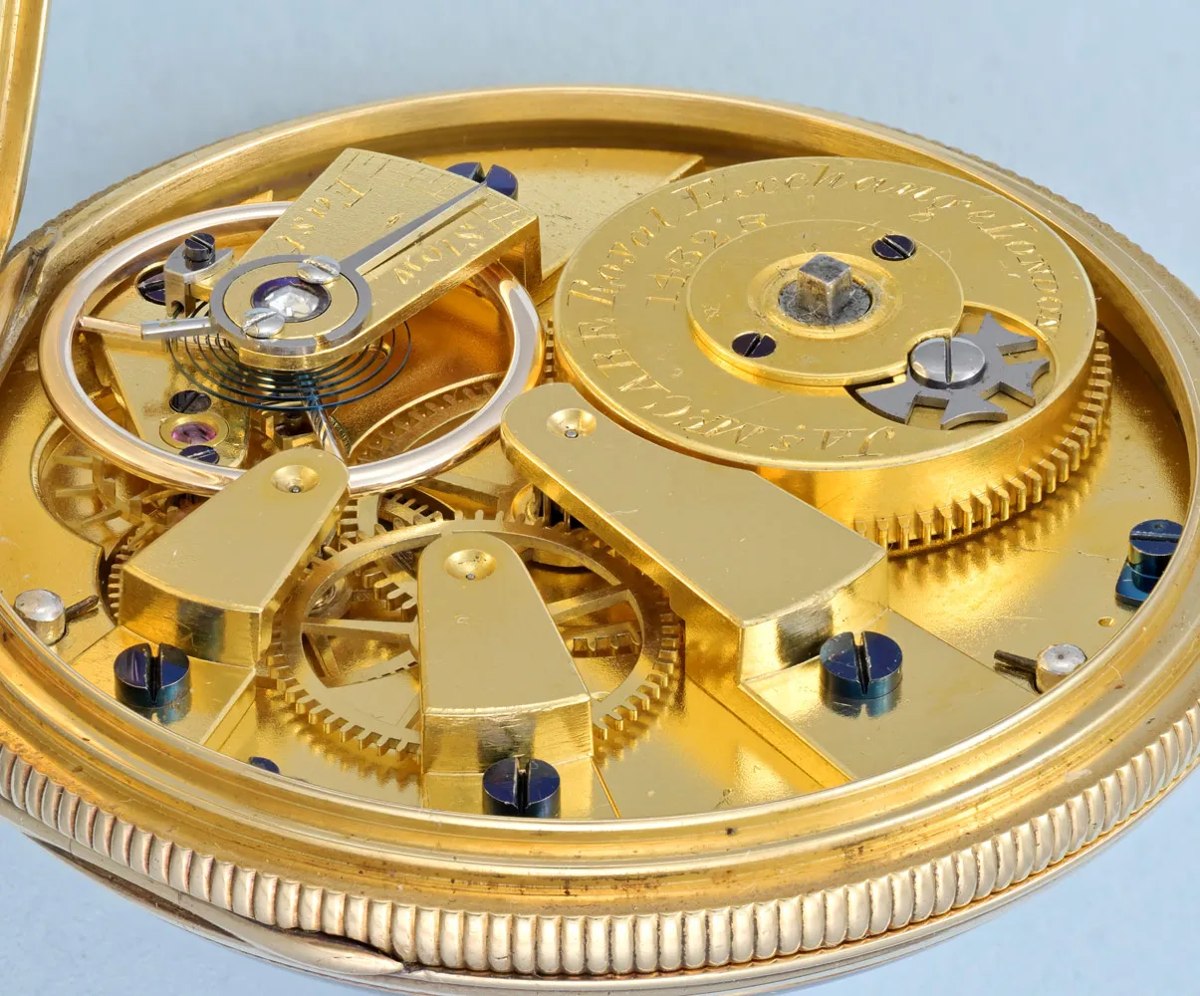
Pocket watch
James McCabe 1834 Gold Lepine Calibre Duplex Pocket Watch
“This nineteenth-century open face pocket watch features a keywind gilt Lepine calibre bar movement with a duplex escapement, crafted by James McCabe of Royal Exchange, London, a…”