
Glossary · Trade
Casting
Forming parts by pouring molten metal into a mold.
Explanation
Casting forms case and clock furniture parts by pouring metal into moulds — sand casting for clock spandrels and turret frames, lost-wax for fine case ornament, die casting for modern cases. Cast spandrels and finials were mass-produced and pattern books help date them; recast replacements lack the crispness of originals.
In the object catalogue
Catalogued objects whose own source record mentions “Casting”. The quoted line shows where; it is the seller’s or museum’s wording, not independent verification.
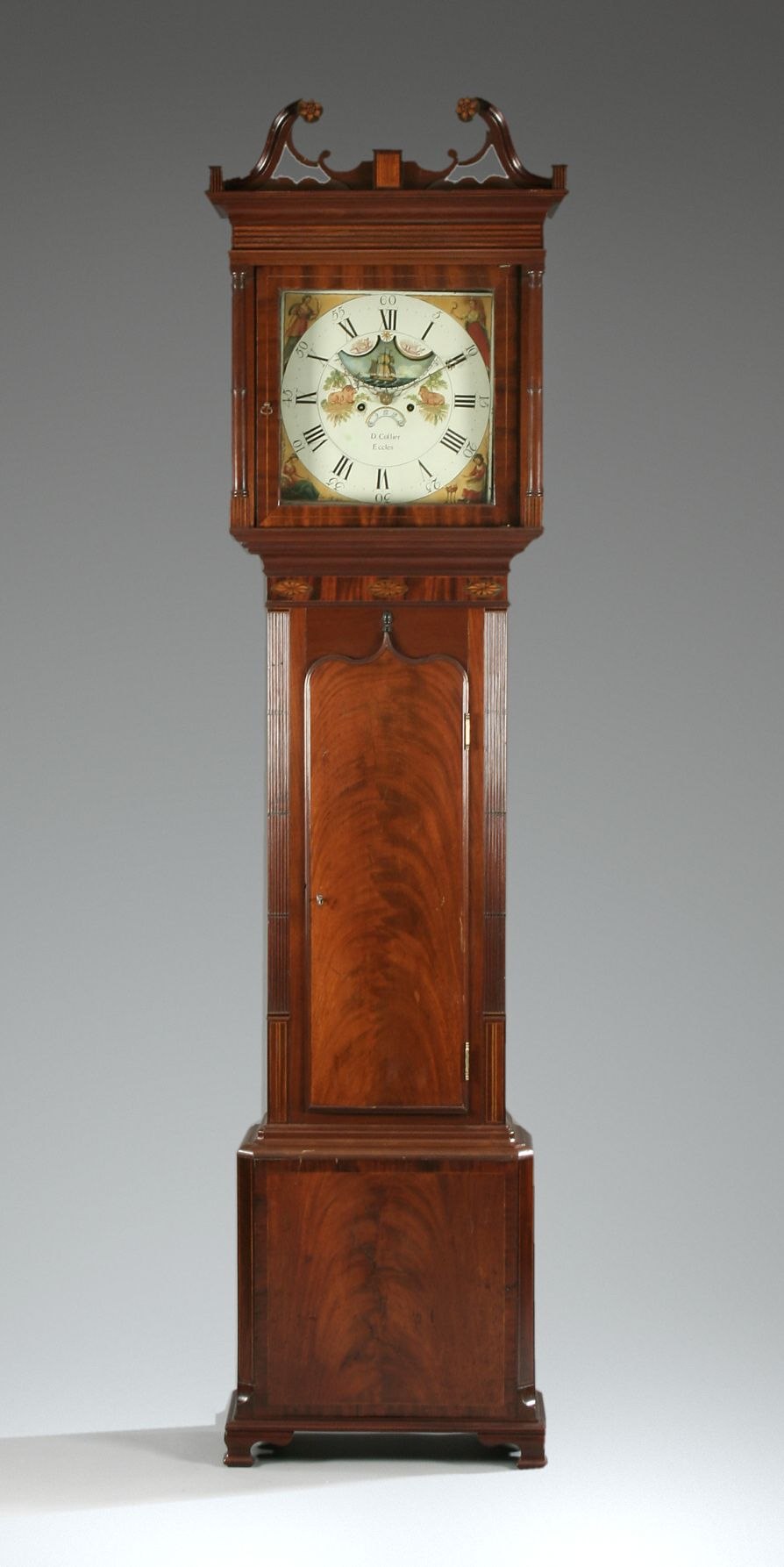
Clock
David Collier late 18th-century inlaid mahogany longcase clock
“False-plate Casting: WILSON”
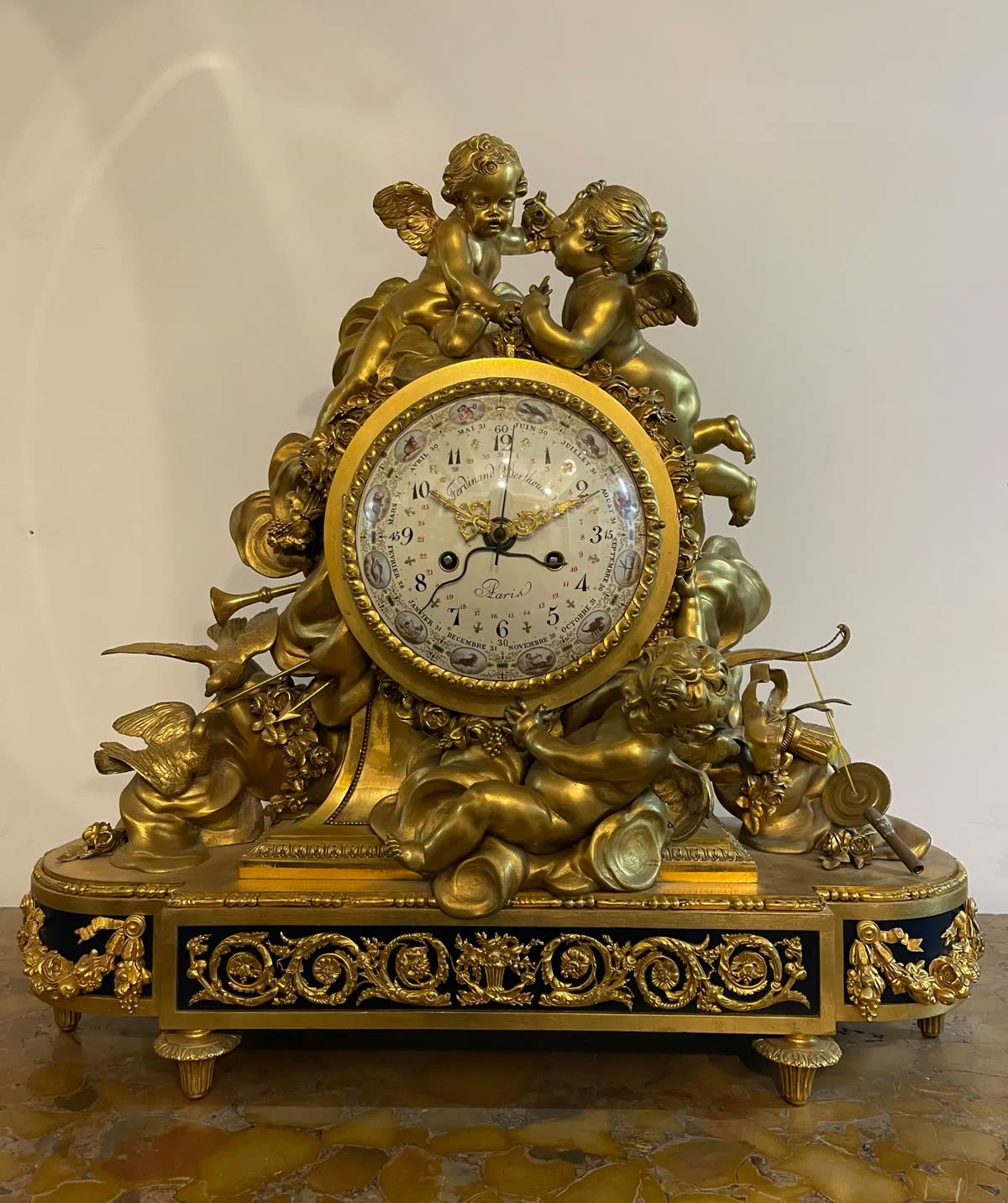
Clock
French Large Gilt Bronze Mantel Clock by Ferdinand Berthoud
“This large French mantel clock features a sculptured gilt bronze case depicting winged putti among clouds, birds, and attributes surrounding a circular drum dial. The source att…”
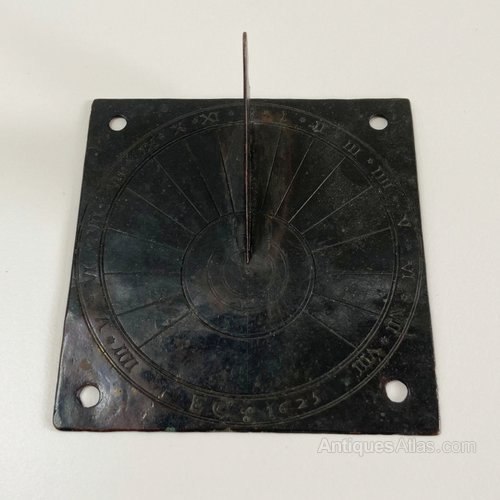
Tool
Charles I Period Horizontal Sun Dial
“Centrally mounted vertical brass gnomon casting a shadow onto the plate”
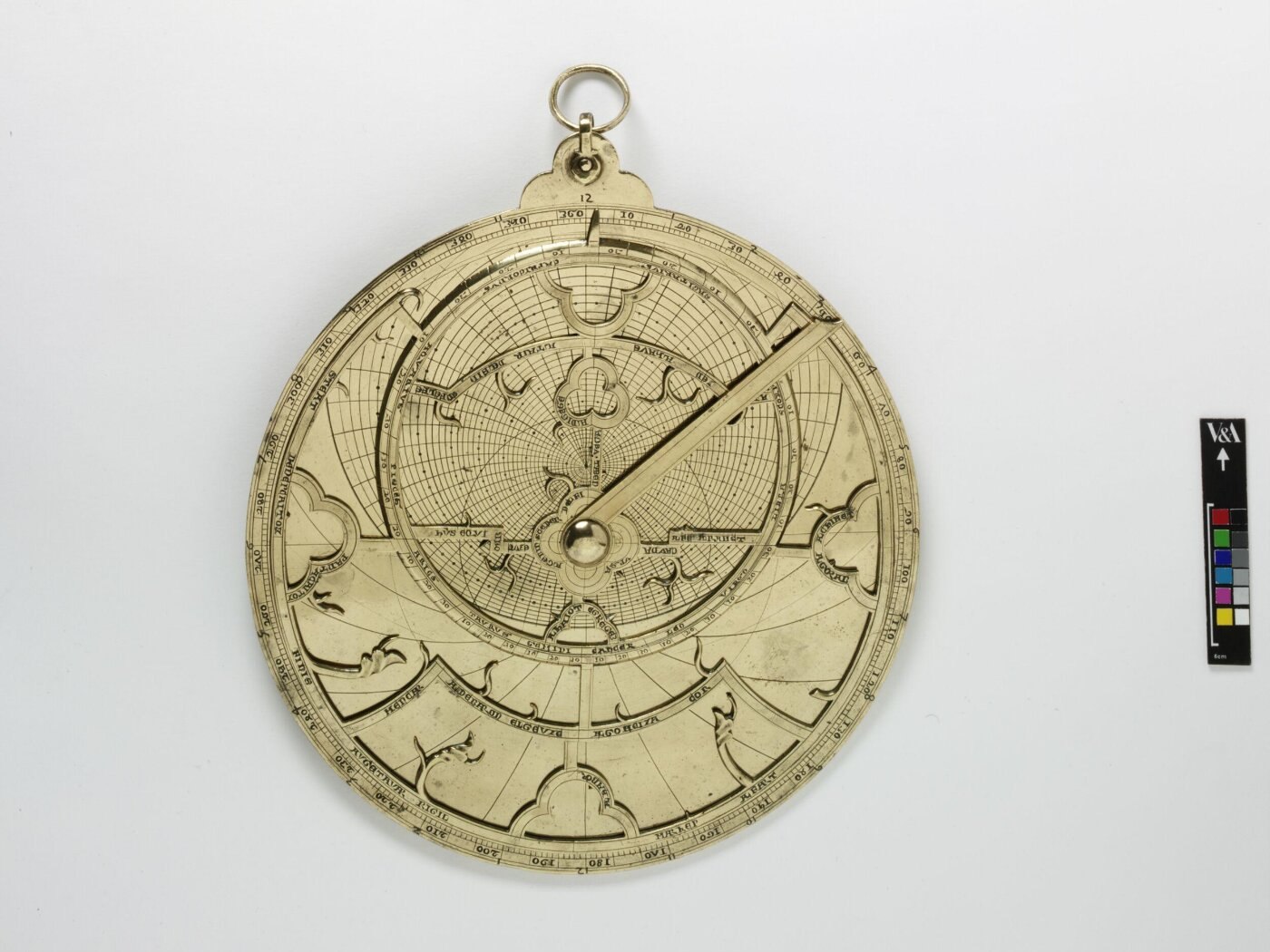
Tool
14th Century Engraved Brass Astrolabe
“This object is a portable astronomical instrument, specifically an astrolabe, attributed to France and dated between 1300 and 1400. Constructed from cast sheet brass with additi…”
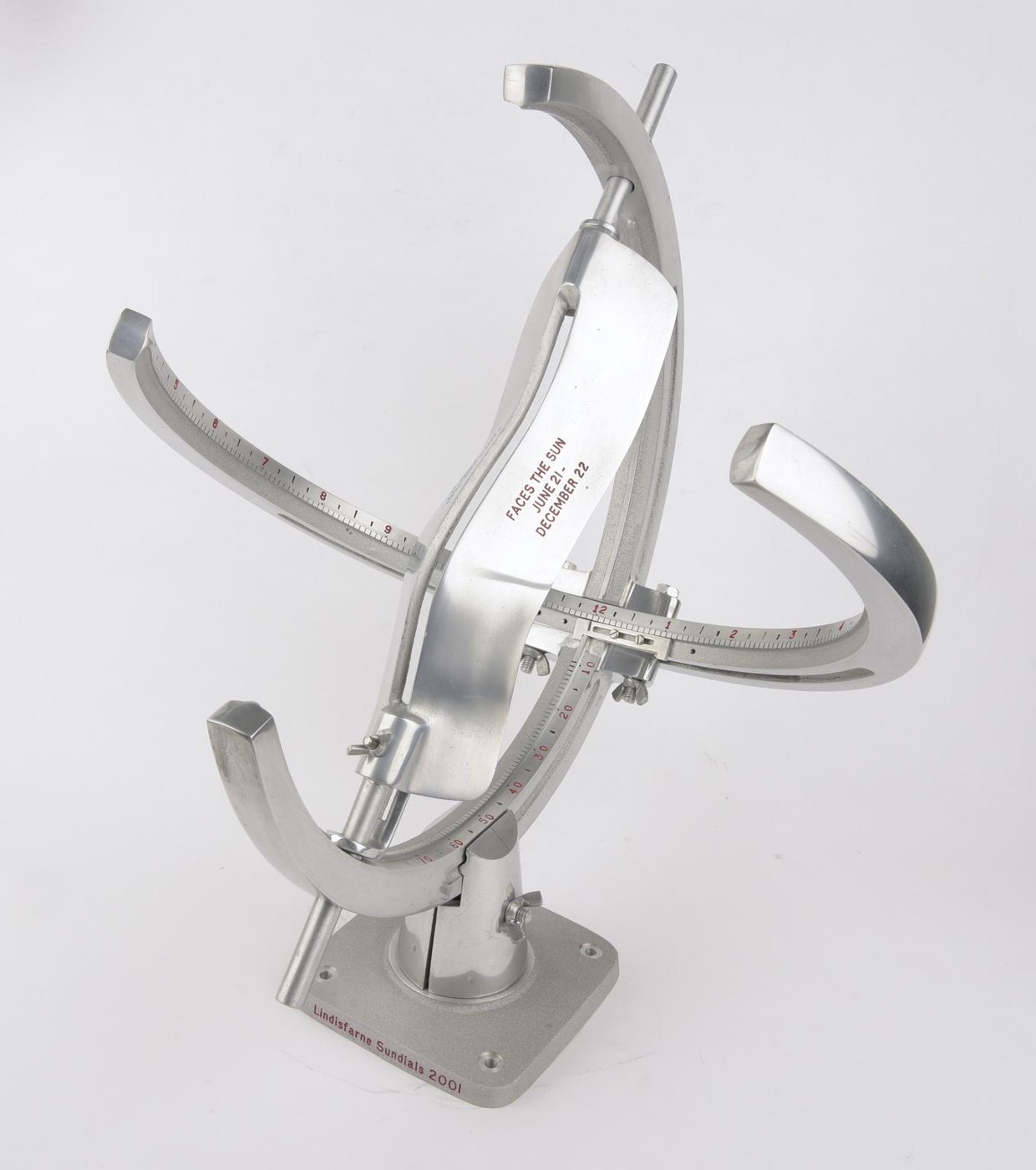
Tool
'Sunquest' Mean-Time Sundial
“Origin of castings: America”
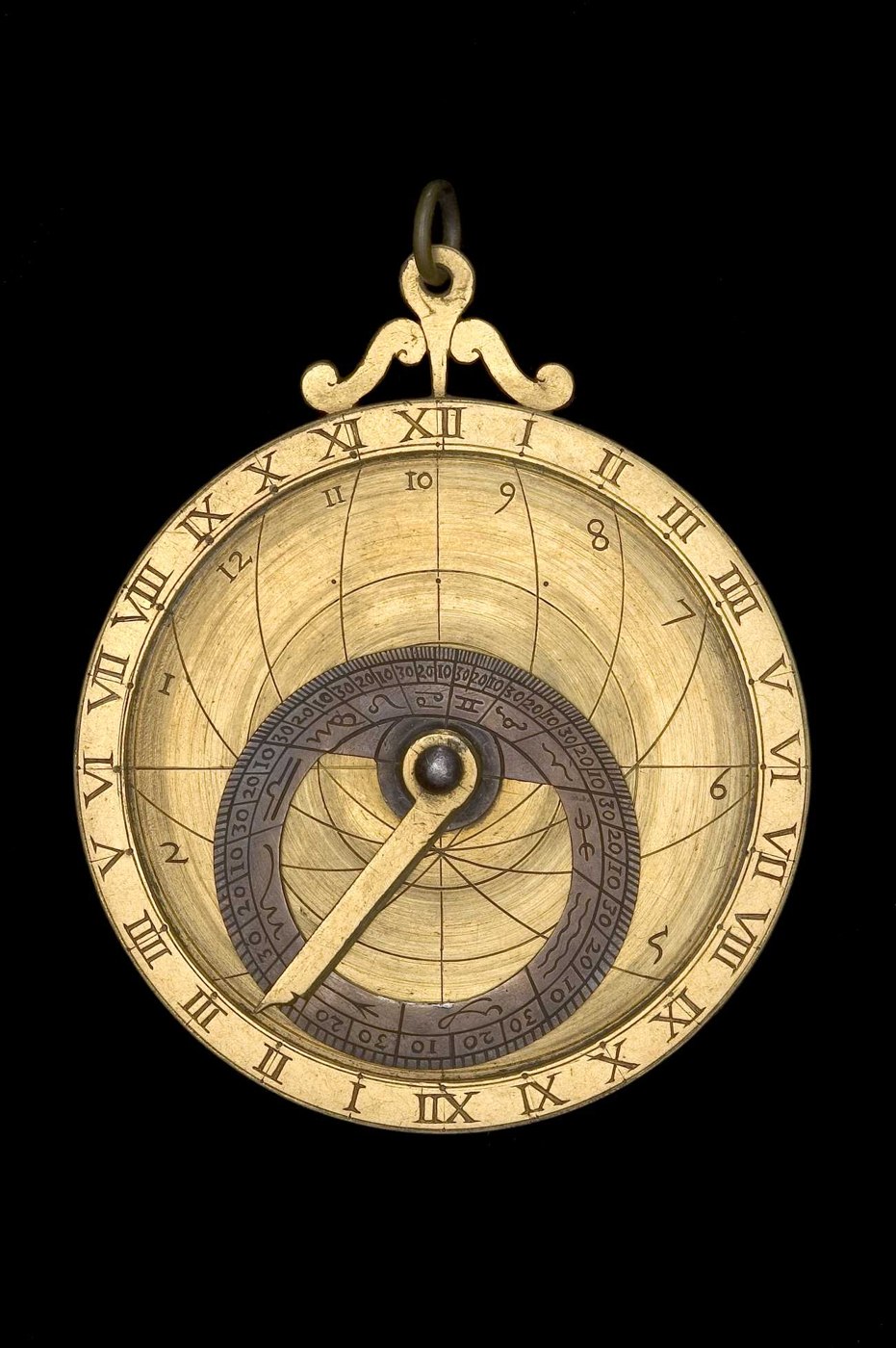
Tool
Brass Astrolabe for Horoscopes
“This brass astrolabe, inventory number 41951, is attributed to 16th-century Europe. The instrument was designed to assist in casting horoscopes. Its construction features a mate…”