
Component record · Train
Vertical Clutch
Partially verifiedA friction clutch mounted on the chronograph seconds arbor, in which a disc is pressed against a continuously turning wheel to start the chronograph.
What it does
Couples and uncouples the chronograph along the axis of the arbor, so there is no tooth engagement at the start and the seconds hand does not jump.
How it works
A lower wheel driven by the going train turns all the time. Above it, a clutch disc fixed to the chronograph arbor is held apart by a lever while the chronograph is stopped. Starting the chronograph releases the lever and a spring presses the disc onto the driving wheel, so friction carries the chronograph arbor round.
Because the drive is by friction rather than by meshing teeth, the seconds hand starts smoothly. The chronograph can also be left running with less effect on the balance amplitude than a lateral clutch, which is why many modern designs allow the chronograph seconds to serve as a running seconds hand.
Stopping lifts the disc off the driving wheel and a brake holds the arbor; resetting is done by hammers on heart cams as in other chronographs.
Evolution
Vertical clutches spread from the late 1960s and became common in modern integrated chronographs from Swiss and Japanese makers.
Known variations
- Vertical clutch controlled by a column wheel
- Vertical clutch controlled by a cam system
Identification for collectors
- No coupling lever and transmission wheel at the chronograph centre wheel; instead a stacked clutch with control levers acting on it
- Smooth, jump-free start of the seconds hand
Common failure modes
- Worn or contaminated friction surfaces causing slipping
- Weak clutch spring
- Lubricant on the friction faces after incorrect service
Photographs
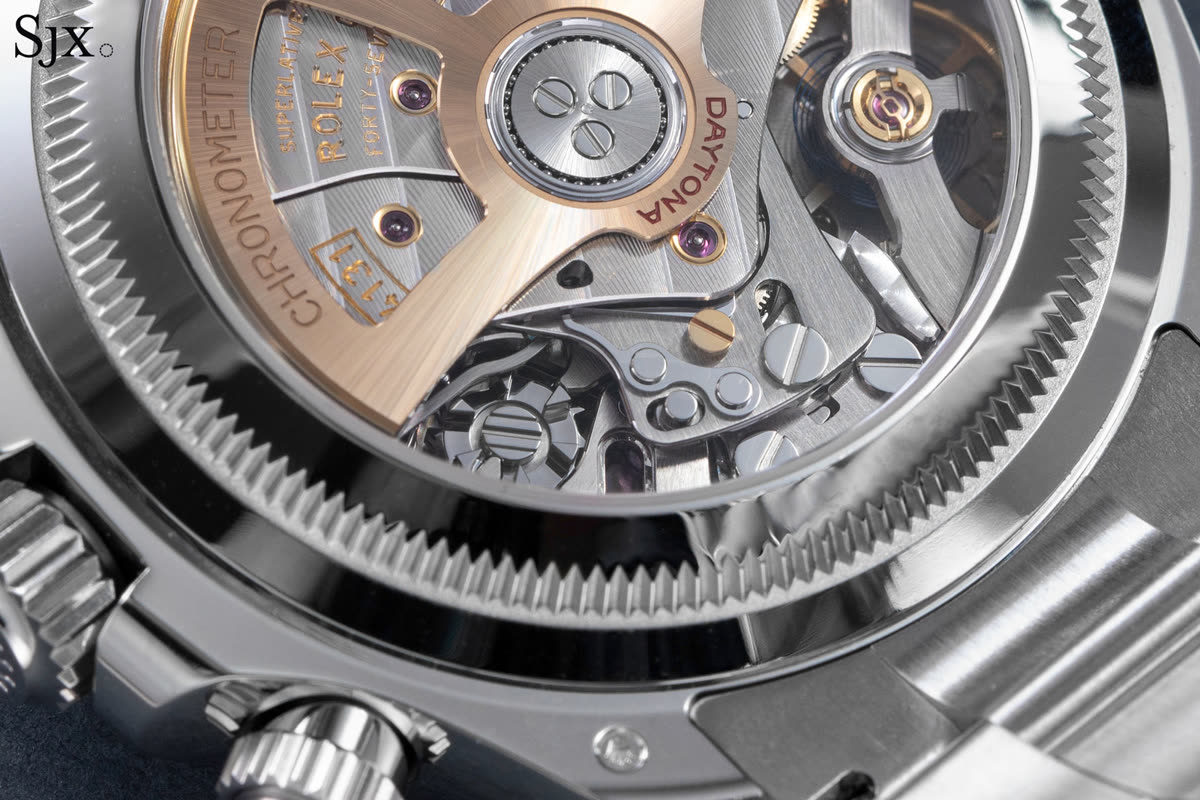
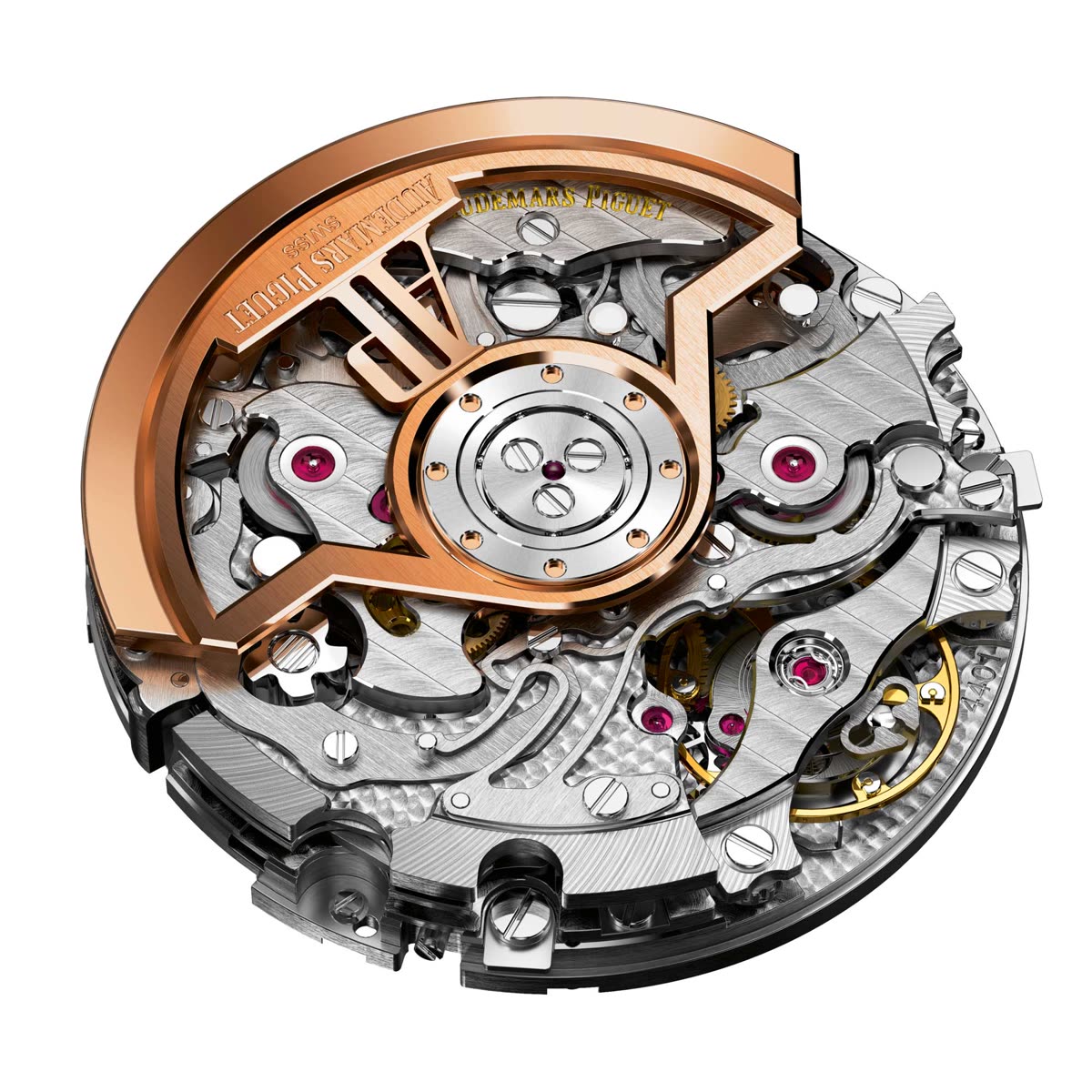
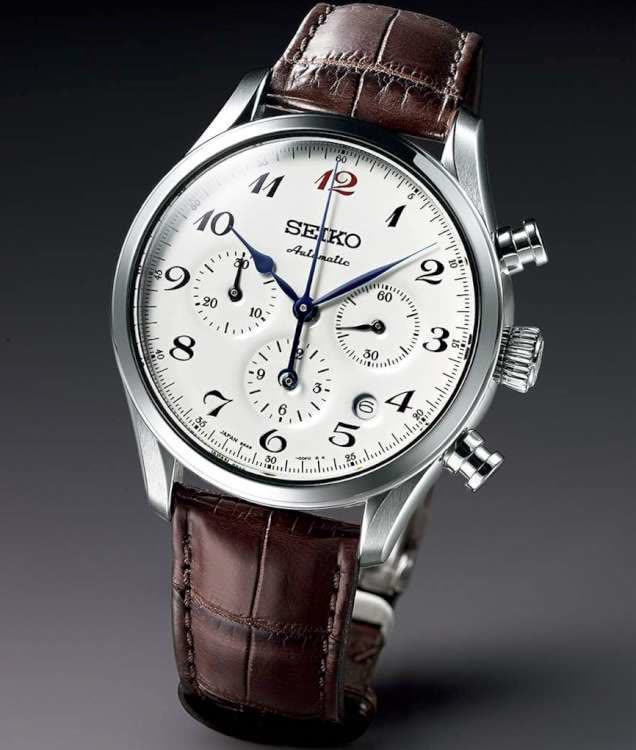
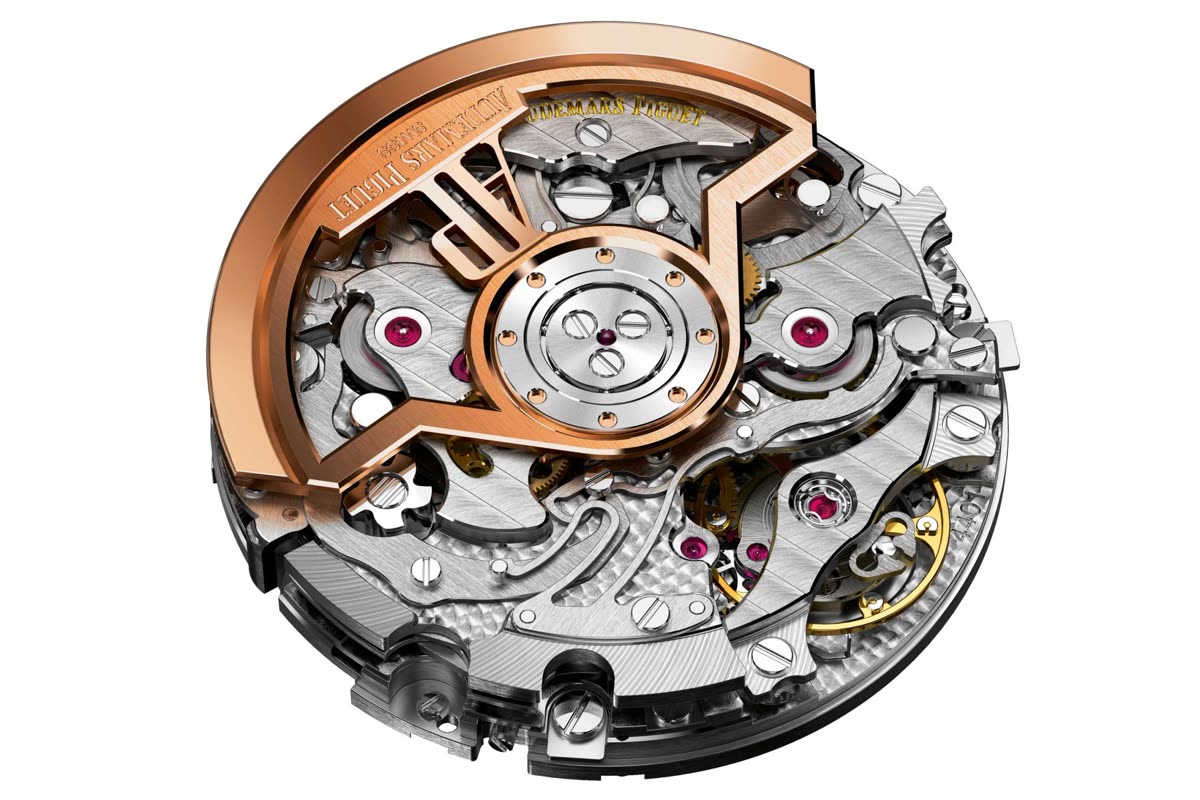
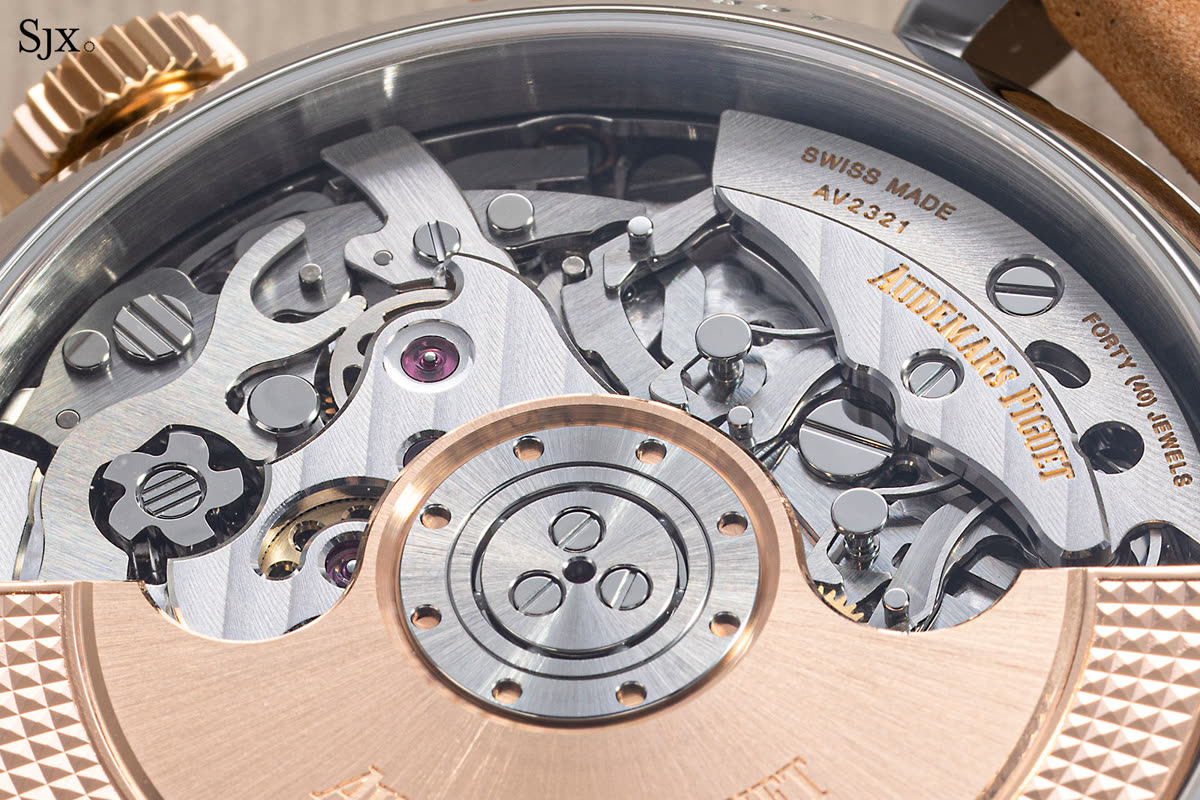
Photographs are illustrative examples of the type, not necessarily the exact object described. Verify details against the source file page.
Sources & references
- Fried, H. B., The Watch Repairer's Manual
- de Carle, D., Watch and Clock Encyclopedia
- Reymondin, C.-A., et al., The Theory of Horology (Swiss Federation of Technical Colleges)
Where sources disagree, the disagreement is stated rather than resolved silently.