
Component record · Train
Warning Wheel
Partially verifiedThe wheel in a clock's striking or chiming train that carries the warning pin, used to 'arm' the train a few minutes before it strikes.
What it does
Lets the striking train start briefly and then stop at warning, so that it is ready to strike exactly when the lifting piece drops at the hour.
How it works
Shortly before the hour, a pin on the motion work raises the lifting piece. This unlocks the striking train, which begins to run, but only until the warning pin on the warning wheel meets a flag (the warning piece) on the lifting piece. The pause and click this produces is called 'warning'.
At the hour the lifting piece drops off its pin, freeing the warning wheel. The train then runs and the clock strikes, the count being controlled by the count wheel or by the rack and snail.
Warning ensures the hour is struck on time rather than gradually, and keeps the strike from being started by a lifting pin that only partly raises the lifting piece.
Evolution
The warning arrangement is a standard feature of striking clocks from the early modern period onward.
Known variations
- Warning in count-wheel striking
- Warning in rack striking
- Warning in quarter-chiming trains
Identification for collectors
- A short run and click a few minutes before the hour is warning; striking at the wrong time often means the warning is misadjusted
Common failure modes
- Bent or worn warning pin
- Wrong train timing (wheels assembled one tooth out)
- Worn warning piece on the lifting piece
Photographs
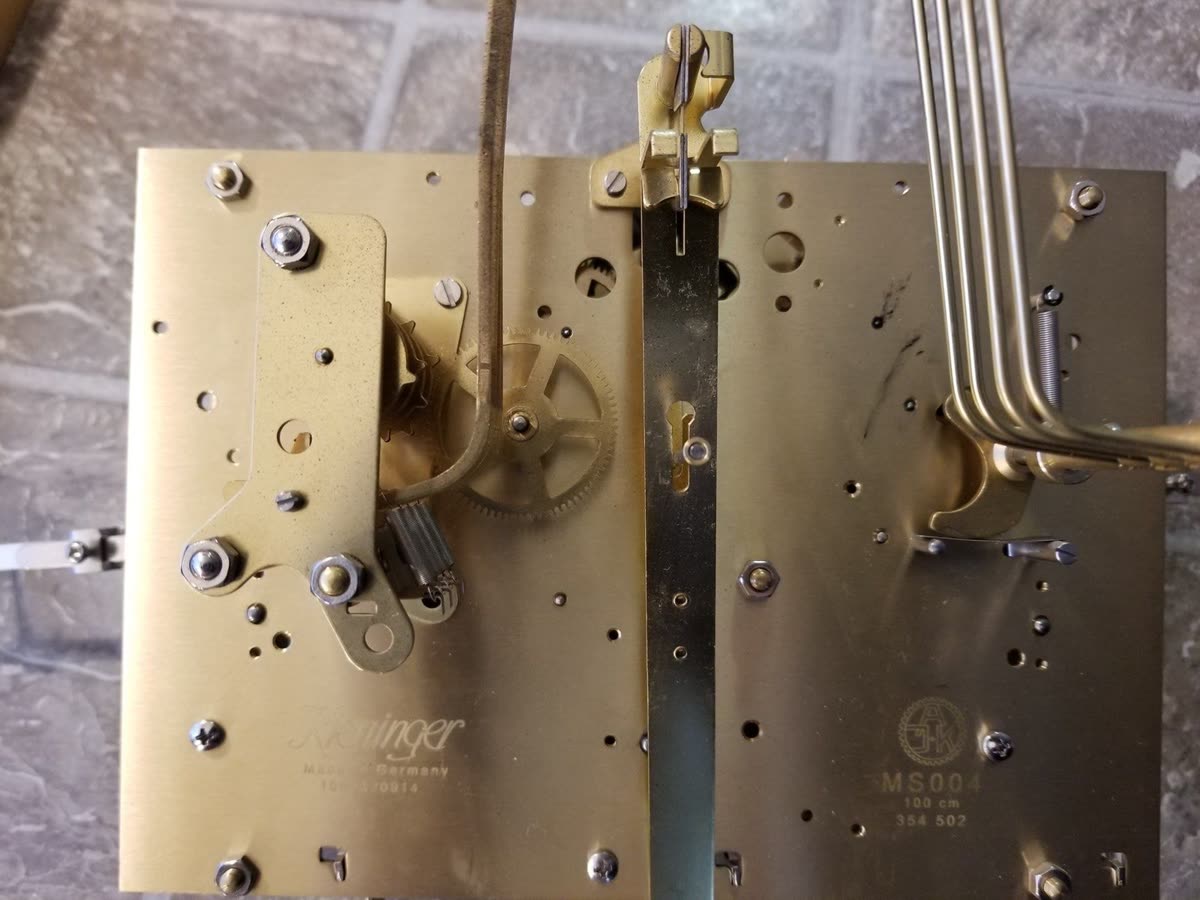
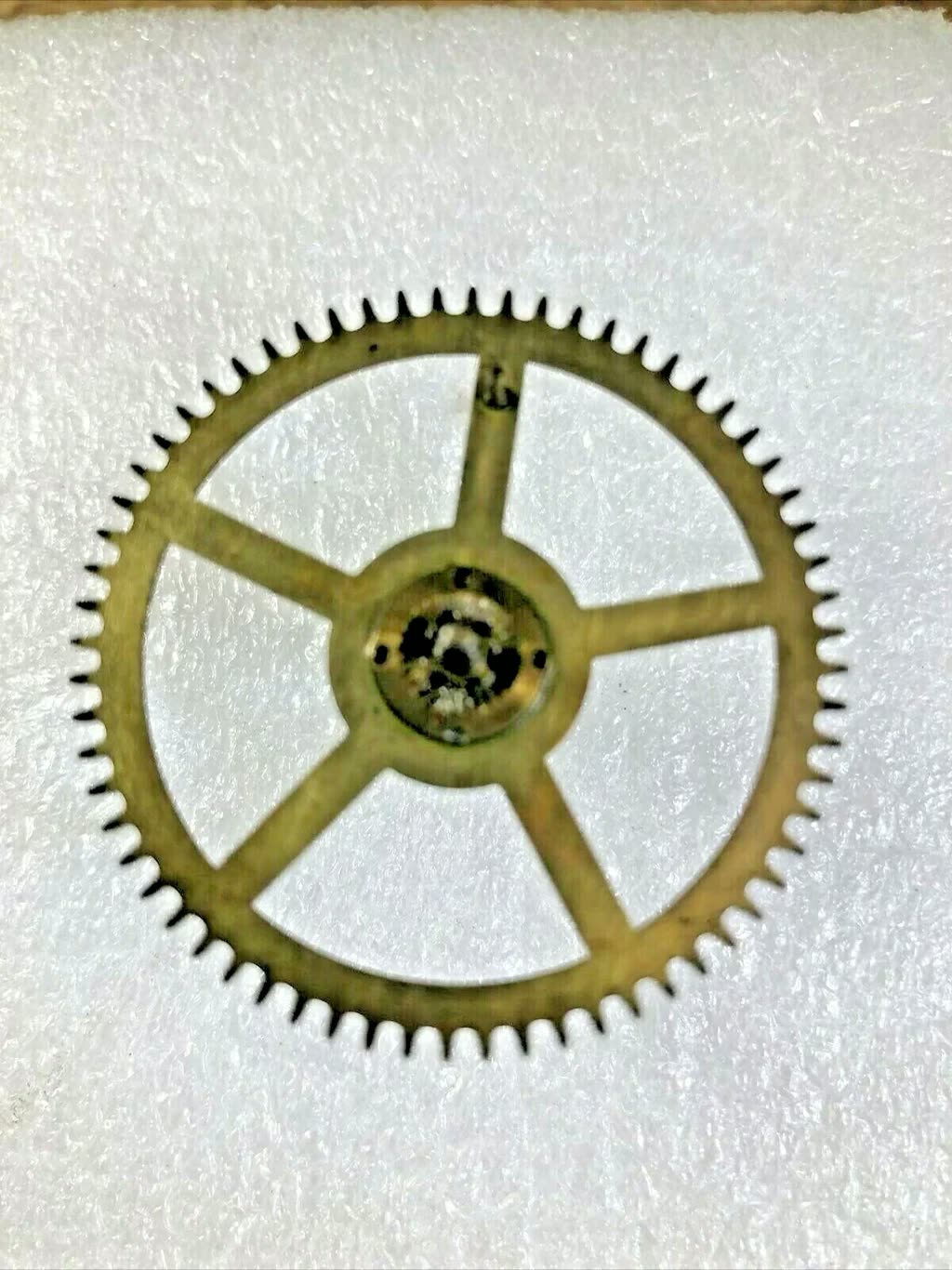
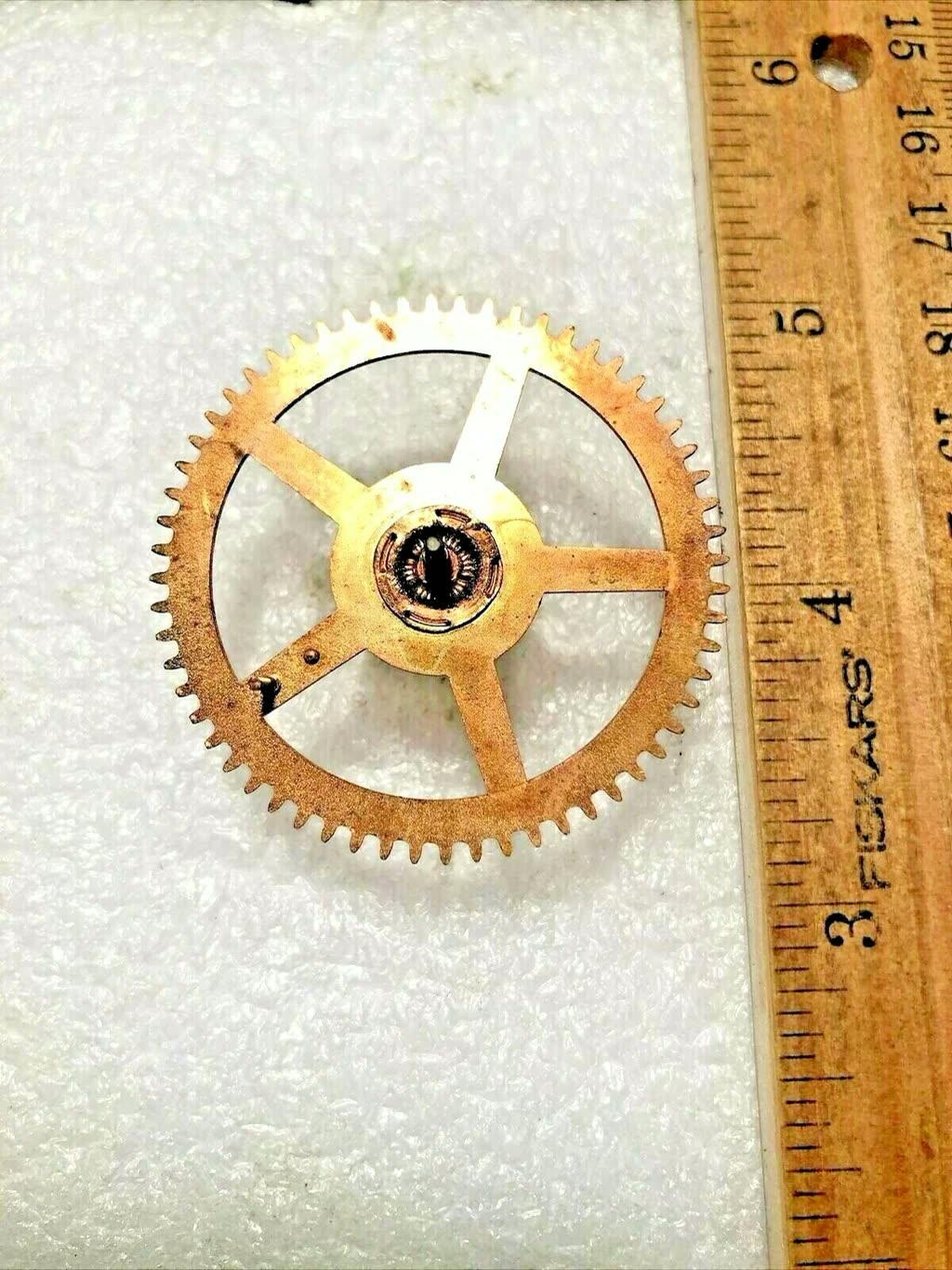
Photographs are illustrative examples of the type, not necessarily the exact object described. Verify details against the source file page.
Sources & references
- Britten, F. J., Watch and Clockmakers' Handbook, Dictionary and Guide
- de Carle, D., Practical Clock Repairing
Where sources disagree, the disagreement is stated rather than resolved silently.