
Component record · Dial & hands
Hand Collet (Clock)
Partially verifiedThe small brass collet, usually domed, that holds a clock's minute hand on its arbor, retained by a taper pin through the arbor.
What it does
Presses the minute hand onto its squared or round seat so it turns with the motion work, while allowing it to be removed for setting or service.
How it works
The minute hand fits over the end of the arbor or the cannon. The collet is pushed over it and a taper pin is passed through a hole in the arbor in front of the collet, holding everything in place with gentle pressure.
The pressure must be enough to keep the hand from slipping but not so much that the motion work binds; the friction that allows hand setting is in the motion work, not at the collet.
Some clocks use a threaded nut or a pressed washer instead of a pinned collet.
Evolution
Pinned collets remained standard in English and many Continental clocks; nuts and spring washers appear in factory clocks.
Known variations
- Domed collet with taper pin
- Hand nut on a threaded arbor
- Spring washer retention
Identification for collectors
- An odd or missing collet, or a nail used as a pin, shows past repair
Common failure modes
- Missing taper pin
- Collet too loose, letting the hand slip
- Hand hole worn so the hand no longer drives
Photographs
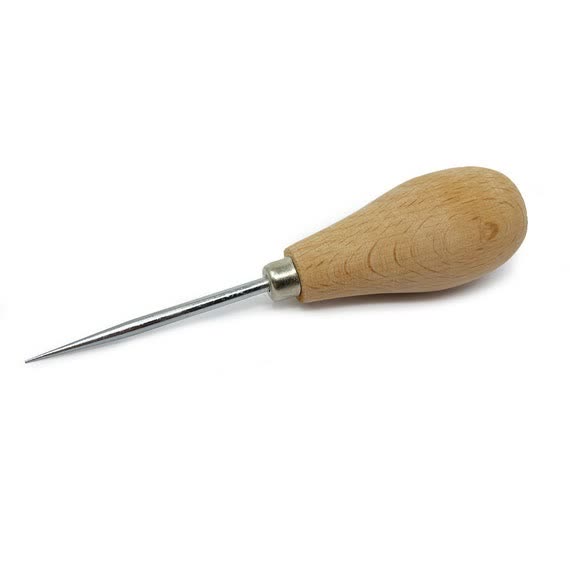
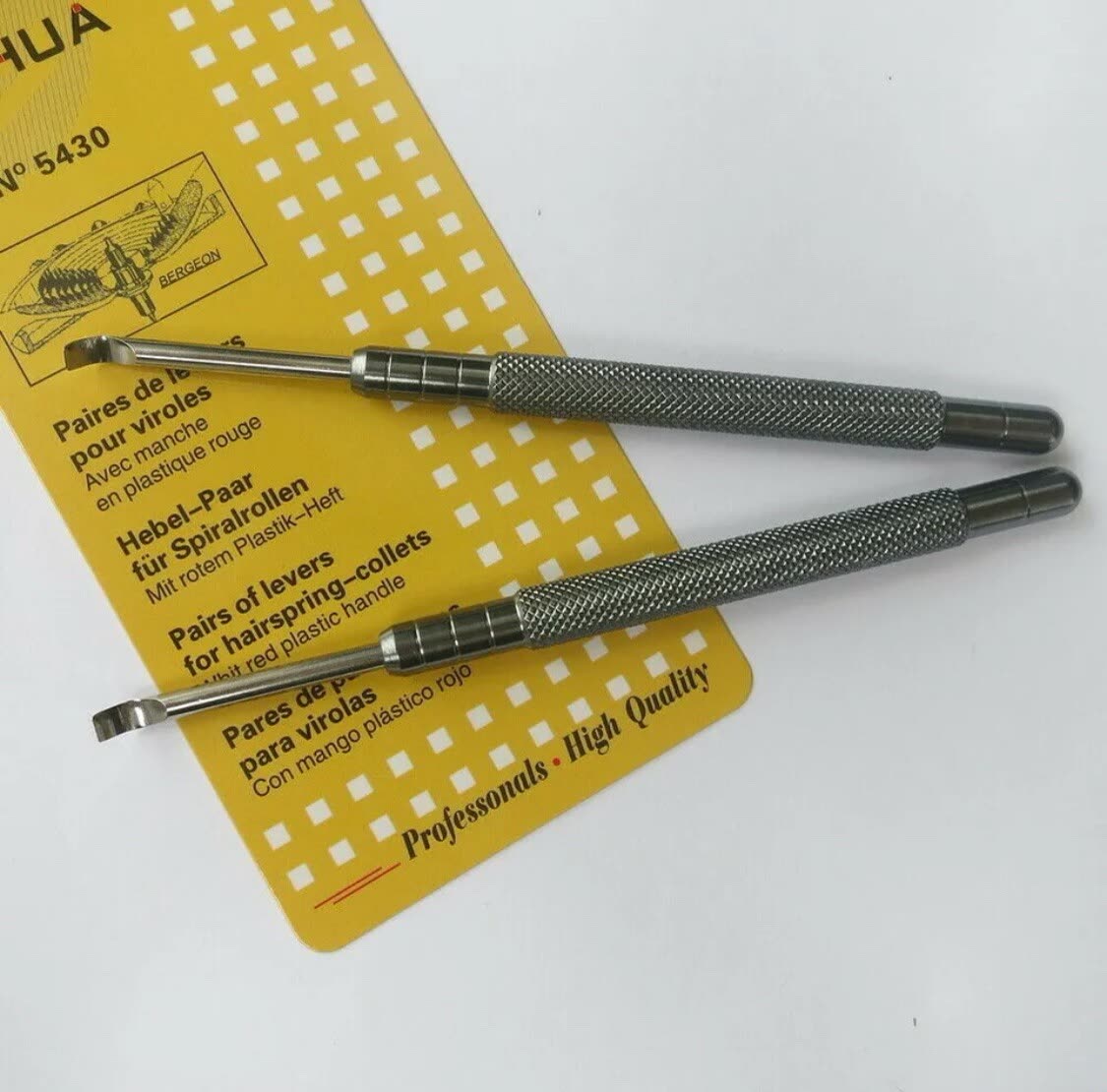
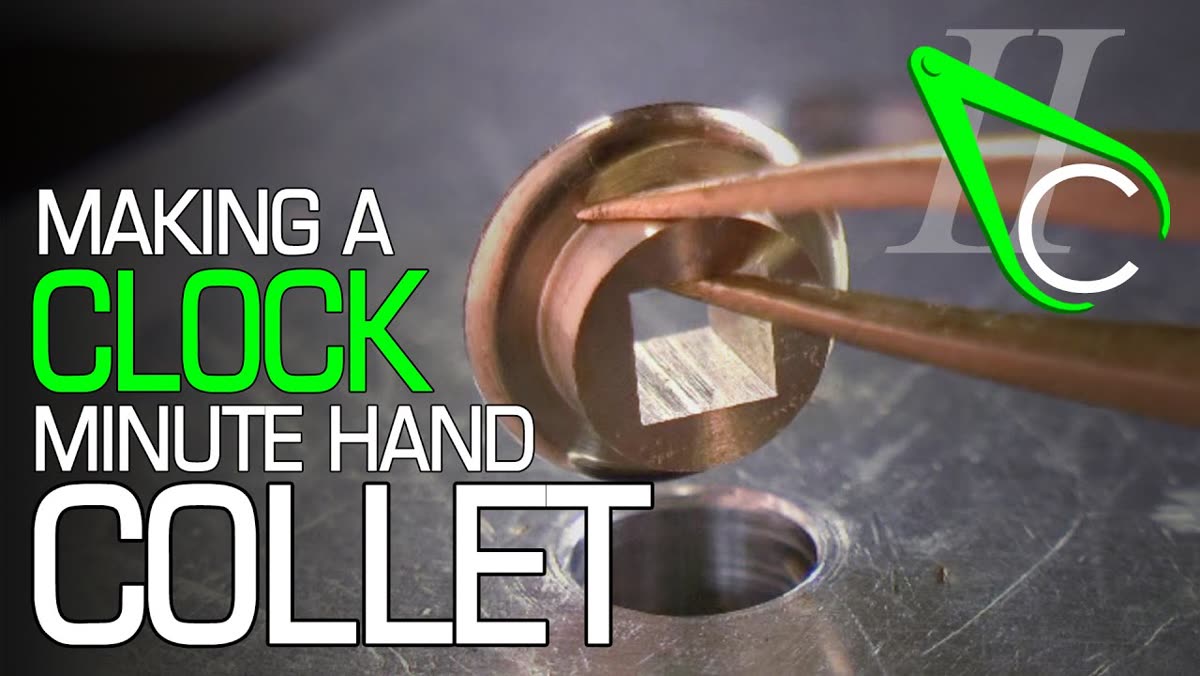
Photographs are illustrative examples of the type, not necessarily the exact object described. Verify details against the source file page.
Sources & references
- Britten, F. J., Watch and Clockmakers' Handbook, Dictionary and Guide
- de Carle, D., Practical Clock Repairing
Where sources disagree, the disagreement is stated rather than resolved silently.