
London, United Kingdom · 1728 – 1815
William Harrison
Partially verifiedSea trials and advocacy of marine timekeepers
Life & work
William Harrison, son of John Harrison, undertook the sea trials of his father's timekeepers and pressed their case before the Board of Longitude.
His role illustrates that establishing a chronometer's performance required testing, argument and record-keeping as much as mechanism, and the disputes surrounding those trials are extensively documented and still debated.
Timeline
William Harrison's recorded dates, dated events from this profile and its sources, and dated pieces and sales from the object catalogue. Dates are as each record gives them.
1728 · Career
Born
1815 · Career
Died
Training, contributions & innovations
- Conducted the sea trials on which the Harrison timekeepers' reputation rests
- Represented the Harrison case before the Board of Longitude
Inventions & patents
- No mechanical invention is attributed to him here; his contribution was trial and advocacy.
Signatures & markings on surviving work
- Not a signing maker; his name appears in trial records and correspondence.
Collecting significance
Signatures on historic work were applied by retailers and by later hands as well as by makers, so attribution should rest on the movement's construction and on documented provenance rather than on the name alone. A specialist opinion is worth obtaining before any purchase made on the strength of a signature.
Firms, key models & movements
Firms
- John Harrison · 1720s
Famous objects
- Harrison H1 · Completed 1735
- Harrison H4 · Completed 1759; sea trial 1761–1762
- Harrison H3 · Worked on 1740–1759
- Harrison H2 · 1737–1739
- Harrison H5 · c. 1770–1772
Photographs
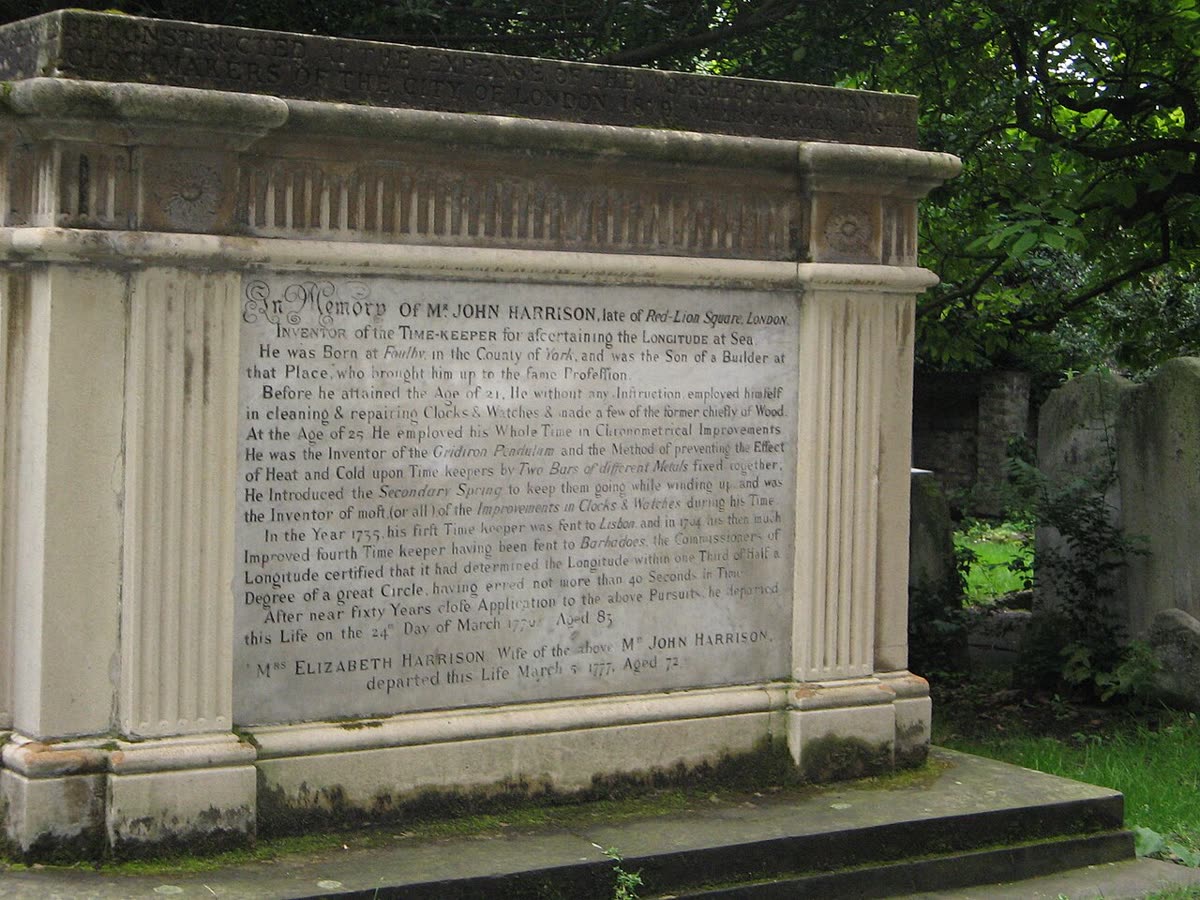
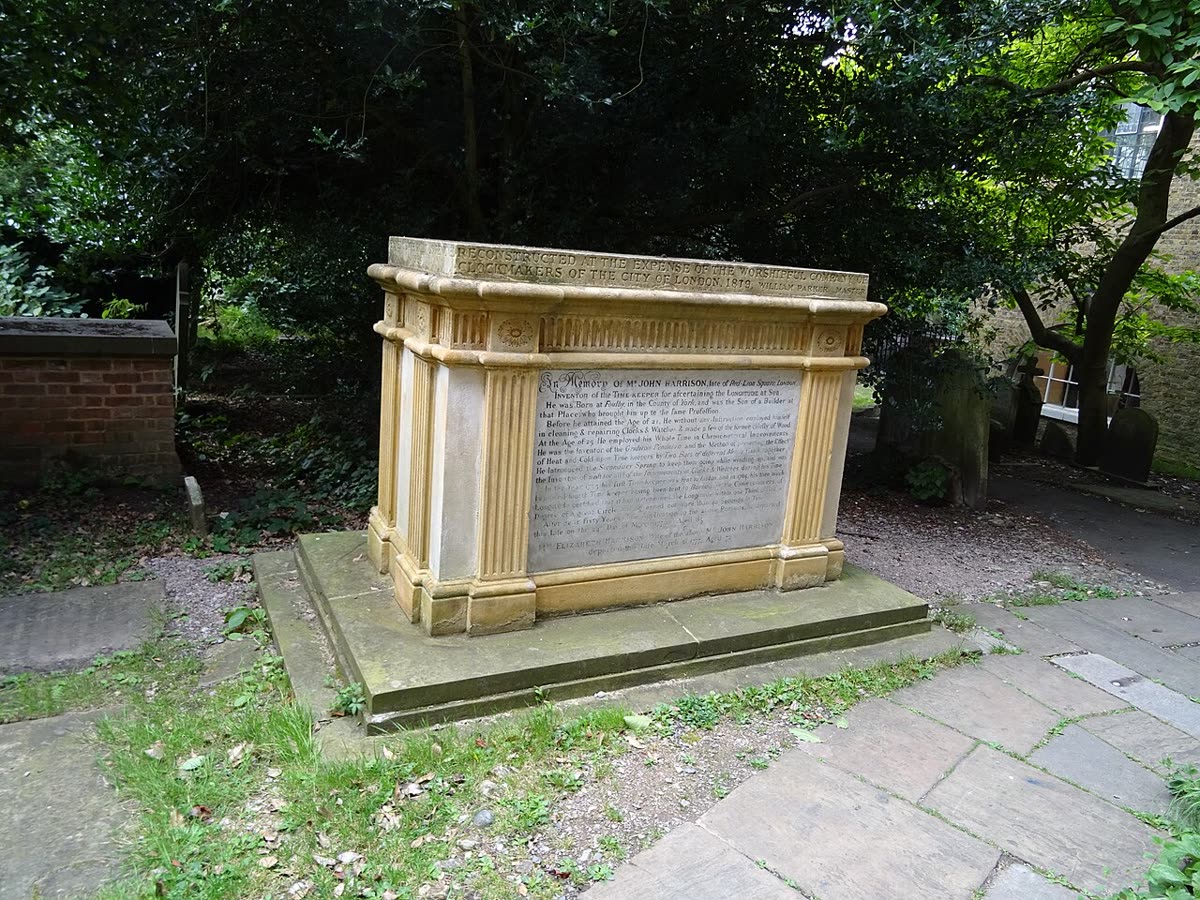
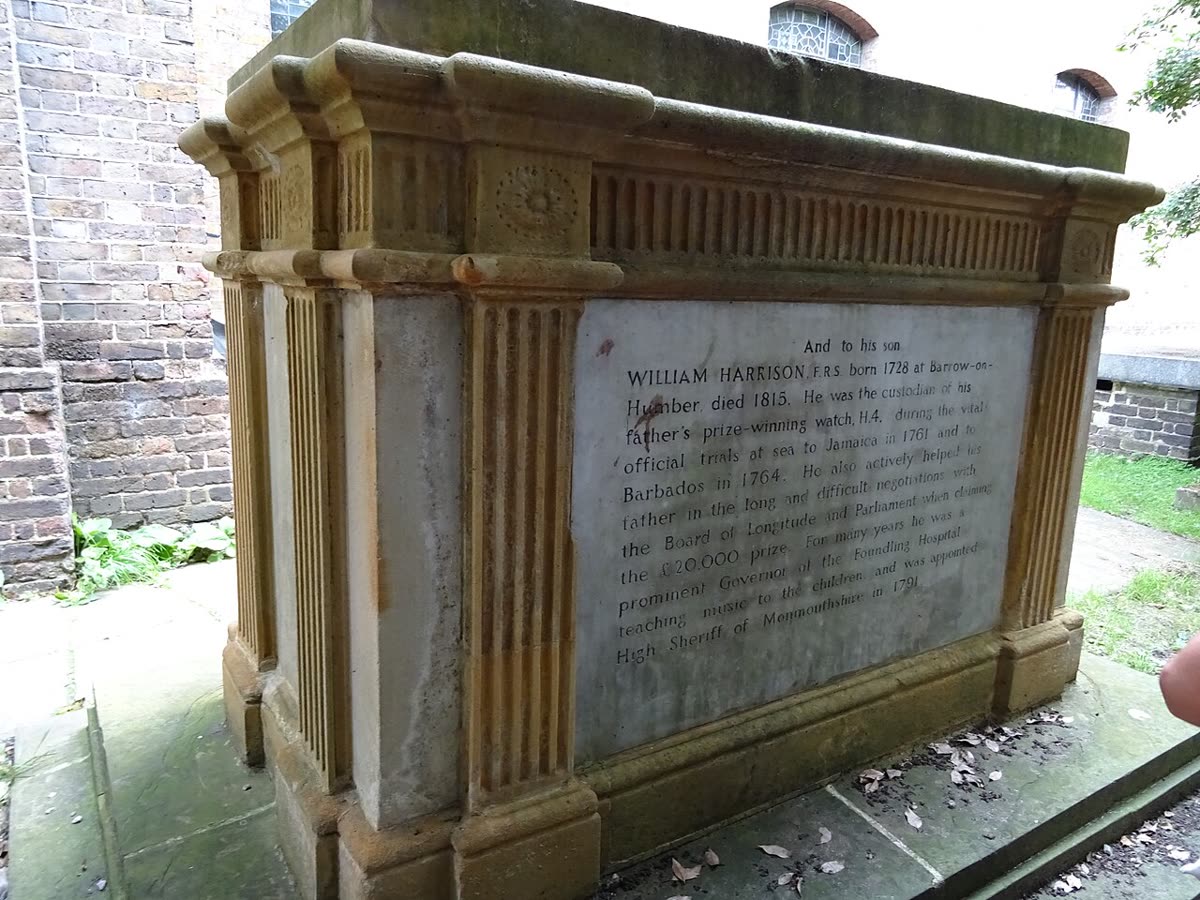
Photographs are illustrative examples of the type, not necessarily the exact object described. Verify details against the source file page.
Sources & references
- Britten, F. J., Old Clocks and Watches and Their Makers
- Loomes, B., reference works on British and European clockmakers (edition-dependent)
- Museum catalogue entries for signed examples
Where sources disagree, the disagreement is stated rather than resolved silently.