
London, England · 1670 – 1737
Thomas Windmills
Partially verifiedClocks
Life & work
Son of Joseph.
Thomas Windmills was the son of Joseph Windmills and Matilda Trulove, following in his father's footsteps as a prominent London clockmaker. He began his apprenticeship in 1686 and achieved the status of freeman within the Clockmakers' Company around 1695. Thomas Windmills died in 1737 childless, marking the conclusion of the male line for this notable horological family.
The fuller biography summarises the open references listed under Sources; each statement was checked against the cited passage. Confirm key dates in period documents before relying on them.
Timeline
Thomas Windmills's recorded dates, dated events from this profile and its sources, and dated pieces and sales from the object catalogue. Dates are as each record gives them.
1670 · Career
Born
1686 · Career
He began his apprenticeship in 1686 and achieved the status of freeman within the Clockmakers' Company around 1695.
circa 1705-10 · Catalogued piece
A Queen Anne silver pair-cased verge pocket watch with champlevé dial, Thomas Windmills
circa 1710 · Catalogued piece
English Consular Case Verge Fusée Pocket Watch by Windmills of London
1737 · Career
Died
1737 · Career
Thomas Windmills died in 1737 childless, marking the conclusion of the male line for this notable horological family.
circa 1750 · Catalogued piece
Training, contributions & innovations
- Clocks
- The Windmills firm took over responsibility for maintaining clocks at the Tower of London and at Woolwich.
Inventions & patents
- N/A
Signatures & markings on surviving work
- Signed work
Documented works
- A gold verge pocket watch numbered 8889 and a timepiece numbered 5832 are among documented examples of his work.
Collecting significance
Signatures on historic work were applied by retailers and by later hands; attribution should rest on the movement's construction and provenance.
Firms, key models & movements
No firm, model or movement in this encyclopedia is yet recorded under this maker's name.
In the object catalogue
4 catalogued objects are recorded under Thomas Windmills. Attributions are as given by each source and are not independent authentication.
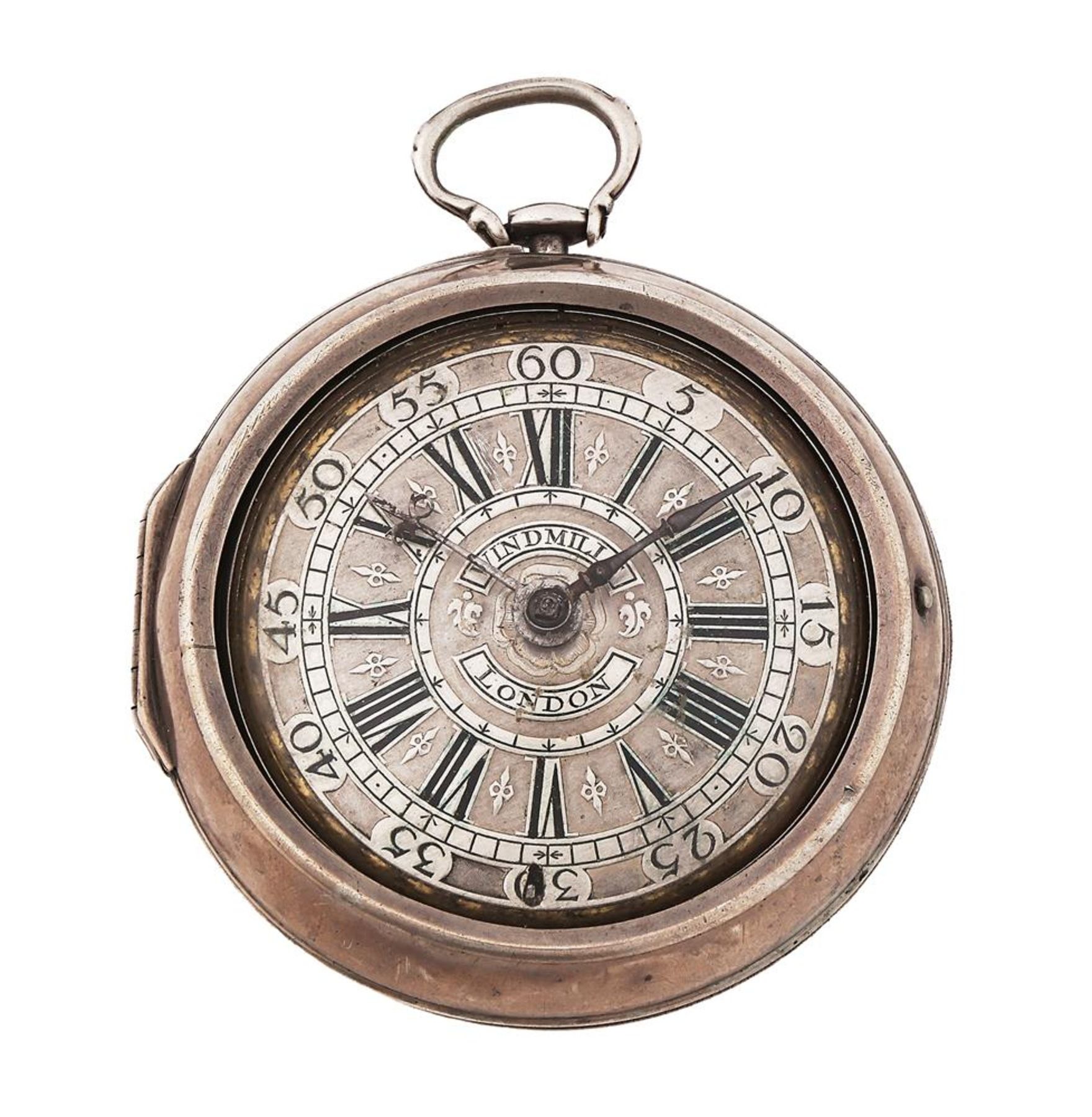
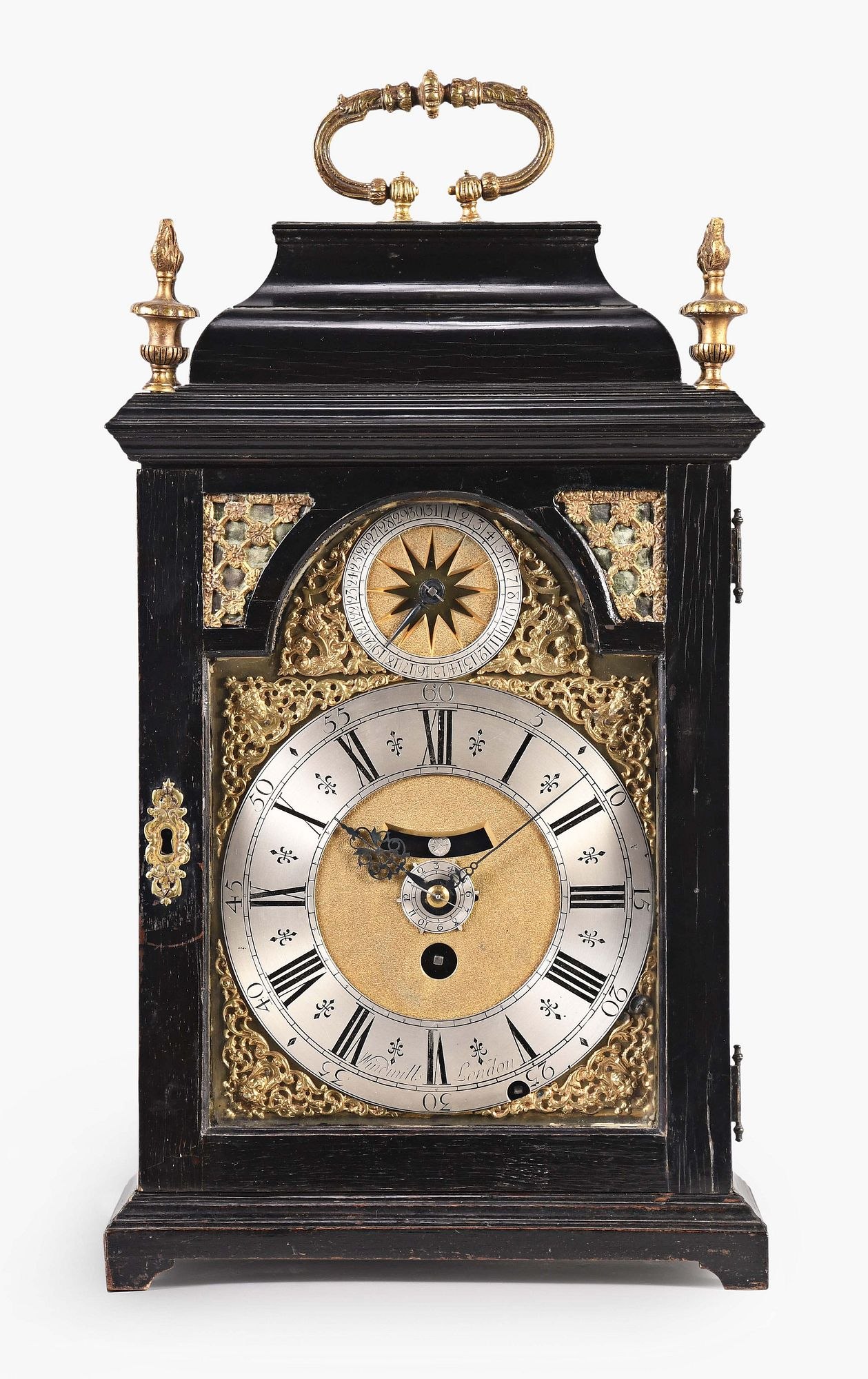
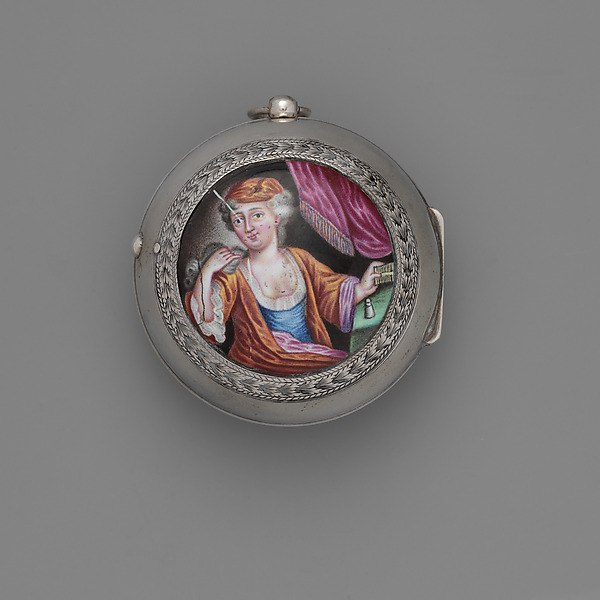
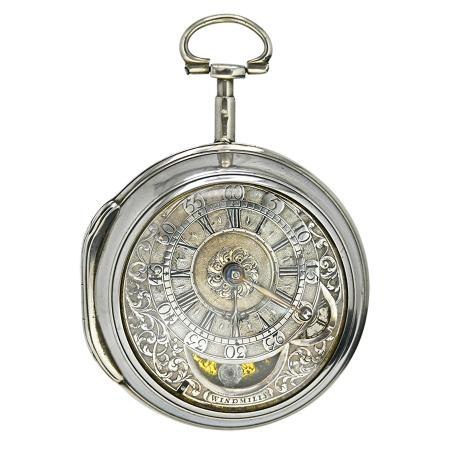
- A Queen Anne silver pair-cased verge pocket watch with champlevé dial, Thomas WindmillsVerge & pair-cased watch · circa 1705-10
- English Consular Case Verge Fusée Pocket Watch by Windmills of LondonVerge & pair-cased watch · circa 1710
- Thomas Windmills 18th Century Ebonized Table ClockBracket clock · circa 1750
- Thomas Windmills pocket watchEnamel, form & pendant watch · ca. 1710
Provenance
Where the 4 catalogued pieces by Thomas Windmills were recorded, with the collectors, owners and sales their records name.
Provenance map
Each piece is linked to the museum, auction house or dealer whose record it comes from, and to any other house or collection its own provenance names. Select a name to see its pieces.
Museums · 1 piece
Auction houses · 2 pieces
Dealers & other listings · 1 piece
Dreweatts
Auction house · 1 piece
A Queen Anne silver pair-cased verge pocket watch with champlevé dial, Thomas WindmillsVerge & pair-cased watch · circa 1705-10 · Record source
Dreweatts: lot 196
Auction history
| House | Sale & lot | Object |
|---|---|---|
| Dreweatts | lot 196 | A Queen Anne silver pair-cased verge pocket watch with champlevé dial, Thomas Windmills |
| Schmitt Horan & Co. | lot 393 | Thomas Windmills 18th Century Ebonized Table Clock |
Each line is copied from the object's source record and is not independently verified. Holders are as recorded when the piece was catalogued: museum objects may not be on display, and sold lots have since changed hands.
Photographs

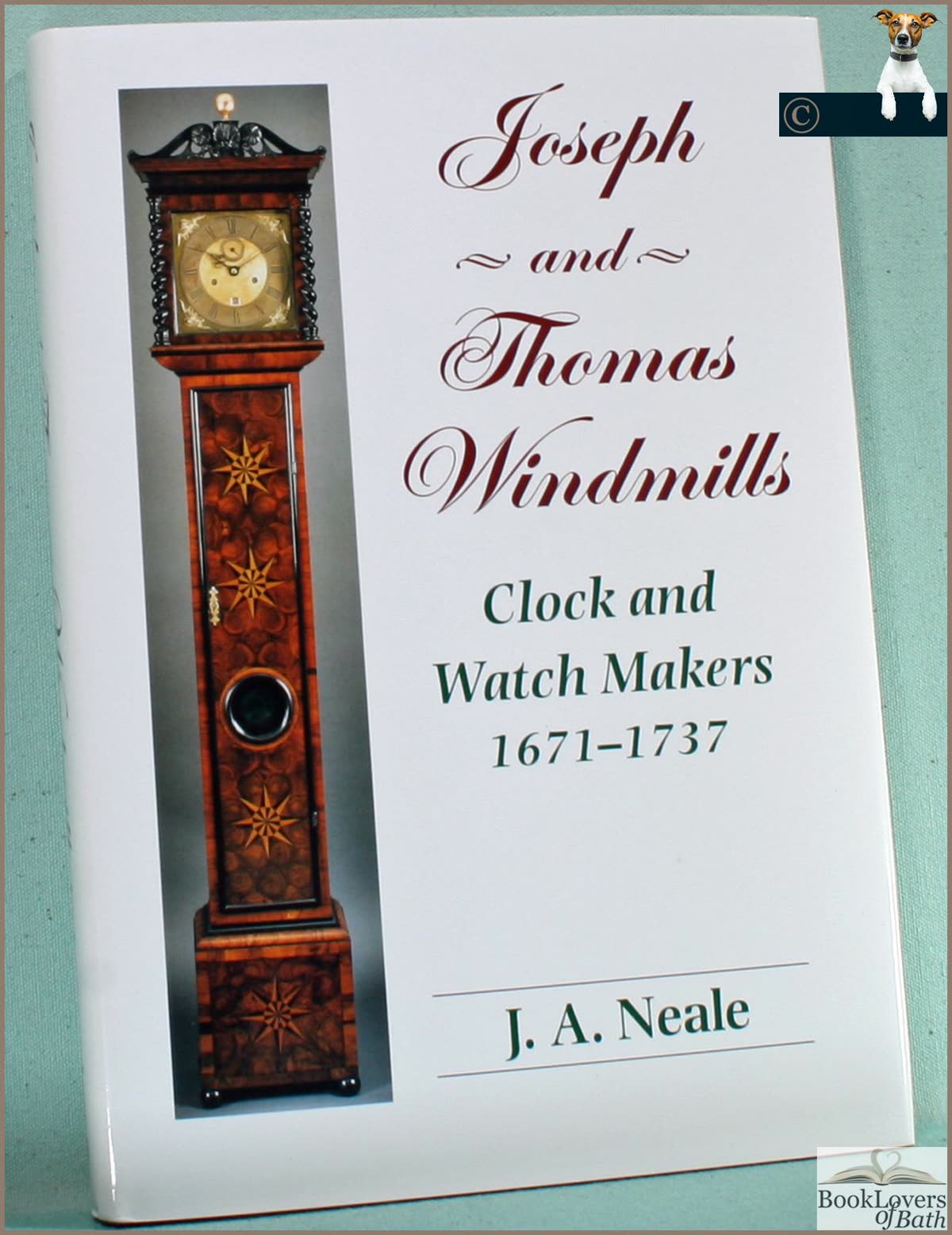
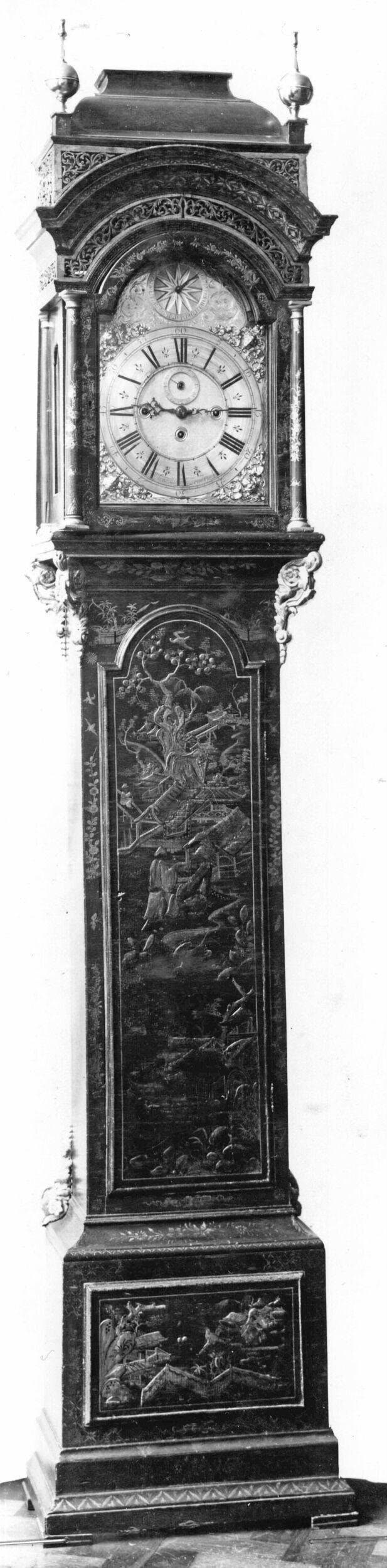
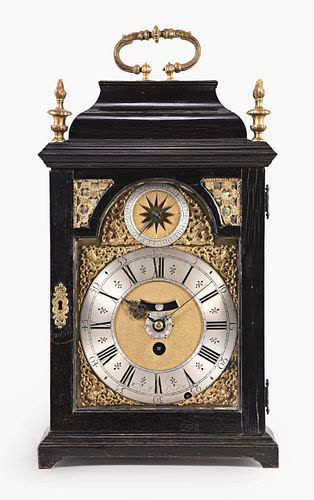
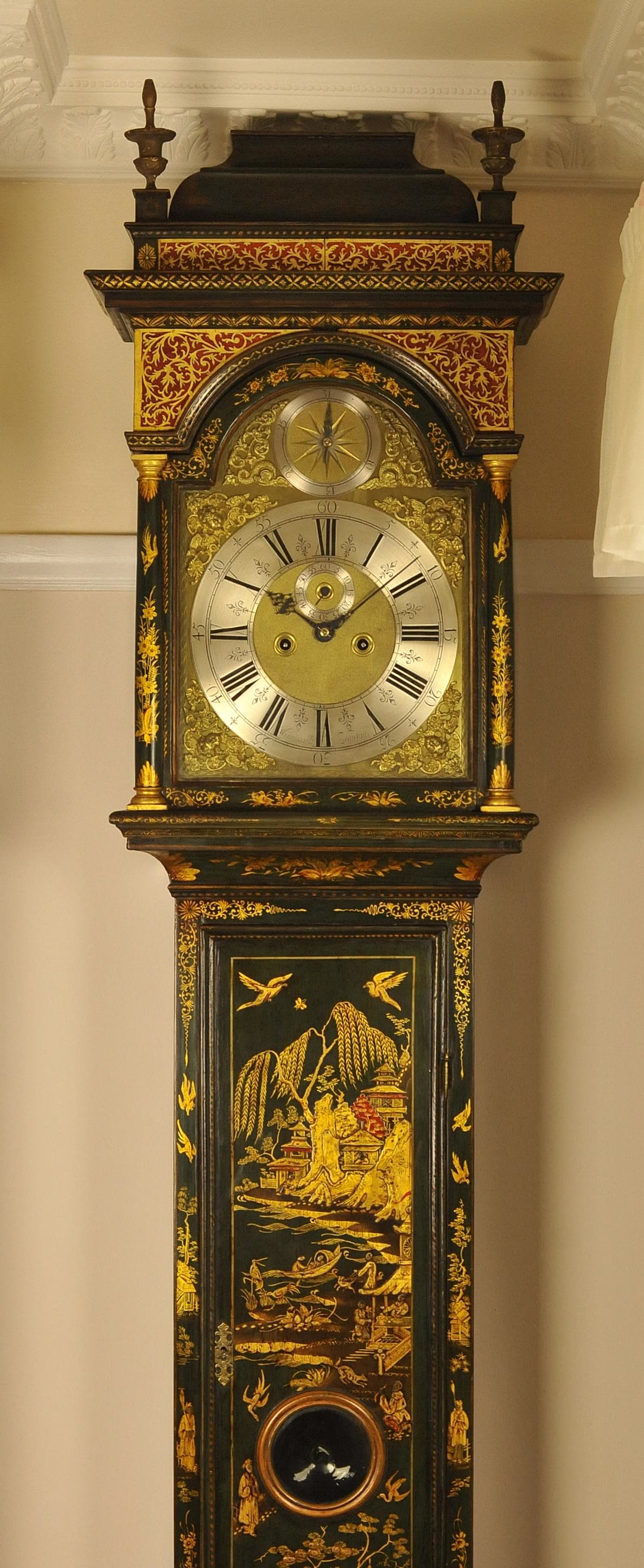
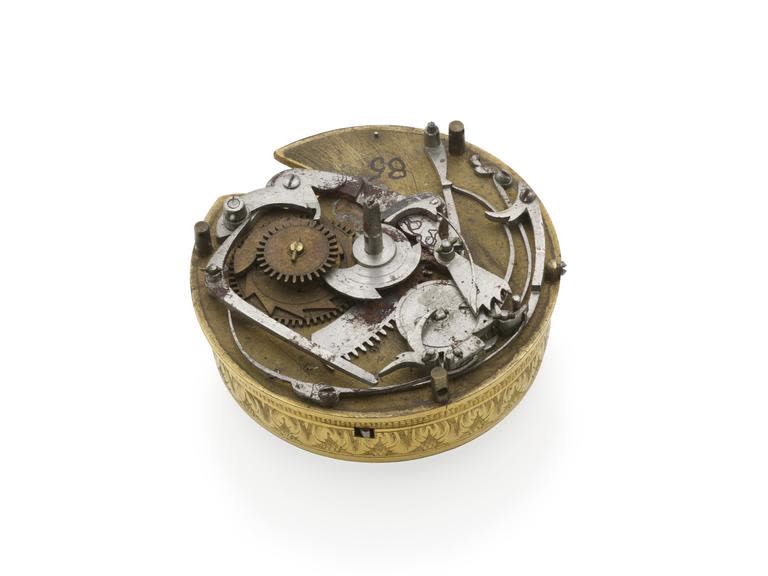
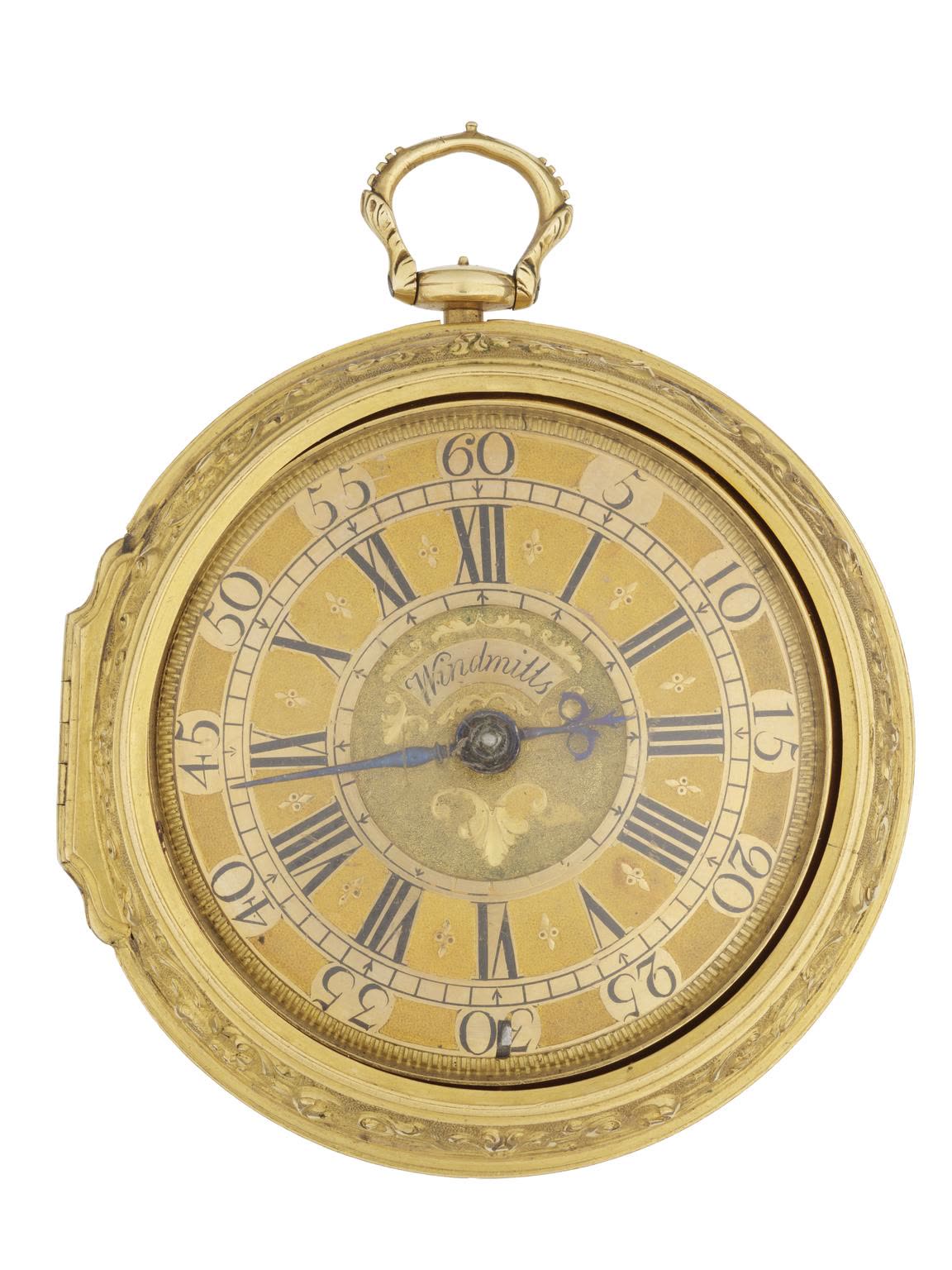
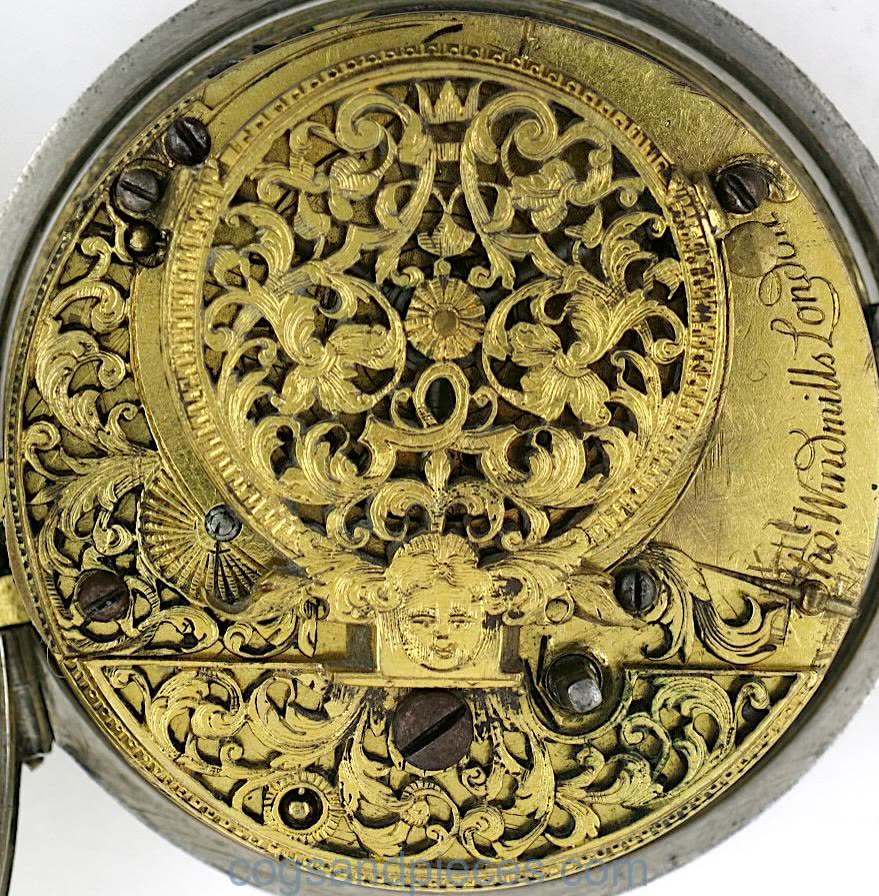
Photographs are illustrative examples of the type, not necessarily the exact object described. Verify details against the source file page.
Sources & references
- Joseph Windmills, Wikipedia (English), retrieved 2026-10-27 (text CC BY-SA 4.0)
- Windmills, Thomas, Watch-Wiki, retrieved 2026-10-27
- Britten, F. J., Old Clocks and Watches and Their Makers
- Loomes, B., reference works on British and European clockmakers
Where sources disagree, the disagreement is stated rather than resolved silently.