
Seville, Not recorded · Dates not established
Muḥammad ibn Fattūḥ al-Khamā’irī
Partially verifiedAstrolabe maker
Life & work
Muḥammad ibn Fattūḥ al-Khamā’irī was a highly active and influential instrument maker based in 13th-century Seville.
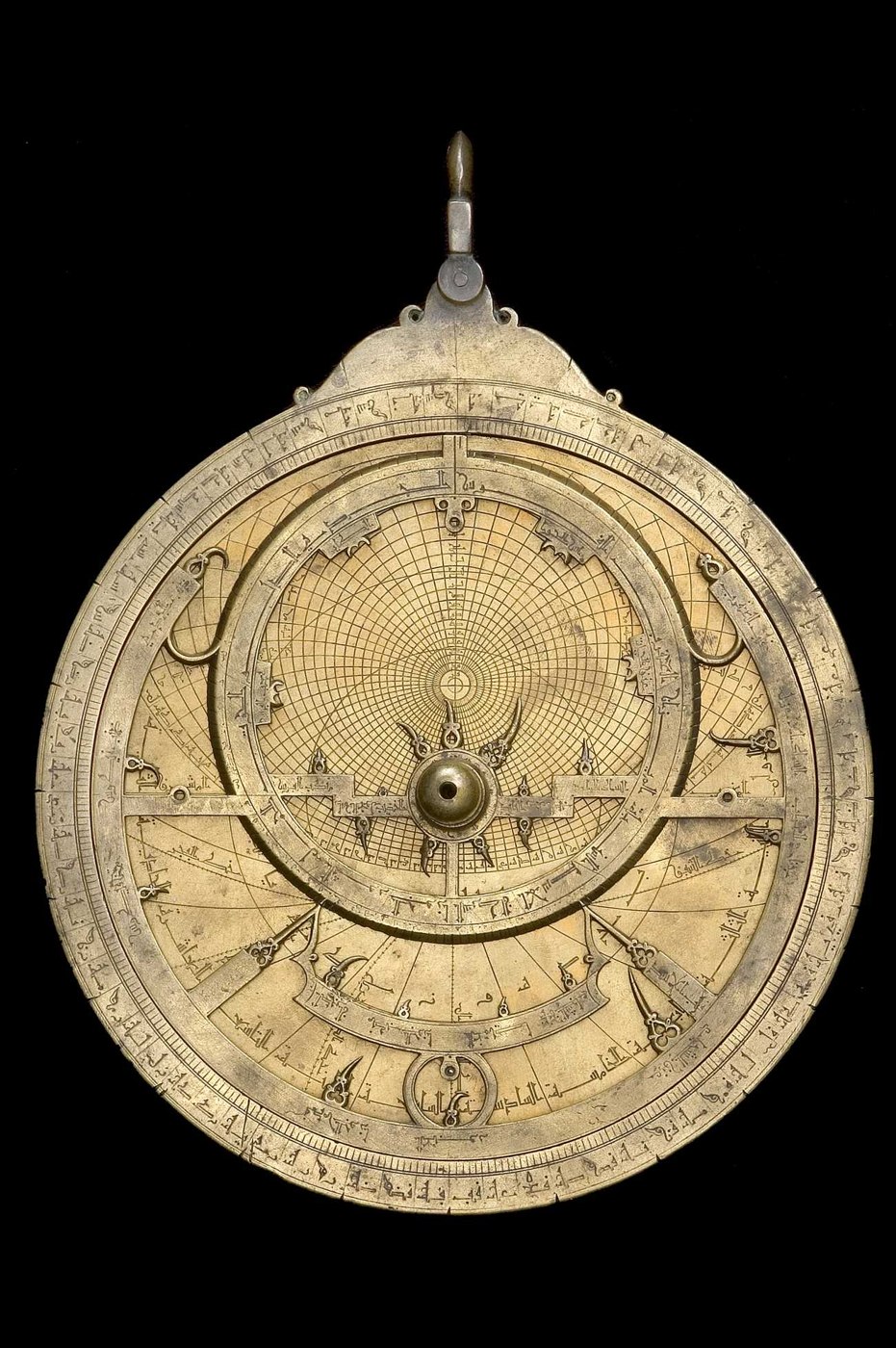
His workshop produced a significant number of instruments, with at least fifteen pieces or fragments currently attributed to his craft. His astrolabes often demonstrate technical consistency, such as the placement of the vernal equinox at March 14, which reflects the calendar discrepancies of the time.
The fuller biography summarises the open references listed under Sources; each statement was checked against the cited passage. Confirm key dates in period documents before relying on them.
Training, contributions & innovations
- Al-Khamā’irī’s instruments include sophisticated features such as double shadow squares divided into feet for calculating tangents and cotangents.
Documented works
- A cast brass astrolabe dated 625 AH (1227–28 AD) features a mater, seven tympans, an alidade, and a horse-shaped wedge.
Collecting significance
The catalogued pieces listed on this page show the kinds of objects auction houses, dealers and museums attribute to this maker; each attribution is the source's own.
Firms, key models & movements
No firm, model or movement in this encyclopedia is yet recorded under this maker's name.
In the object catalogue
2 catalogued objects are recorded under Muḥammad ibn Fattūḥ al-Khamā’irī. Attributions are as given by each source and are not independent authentication.
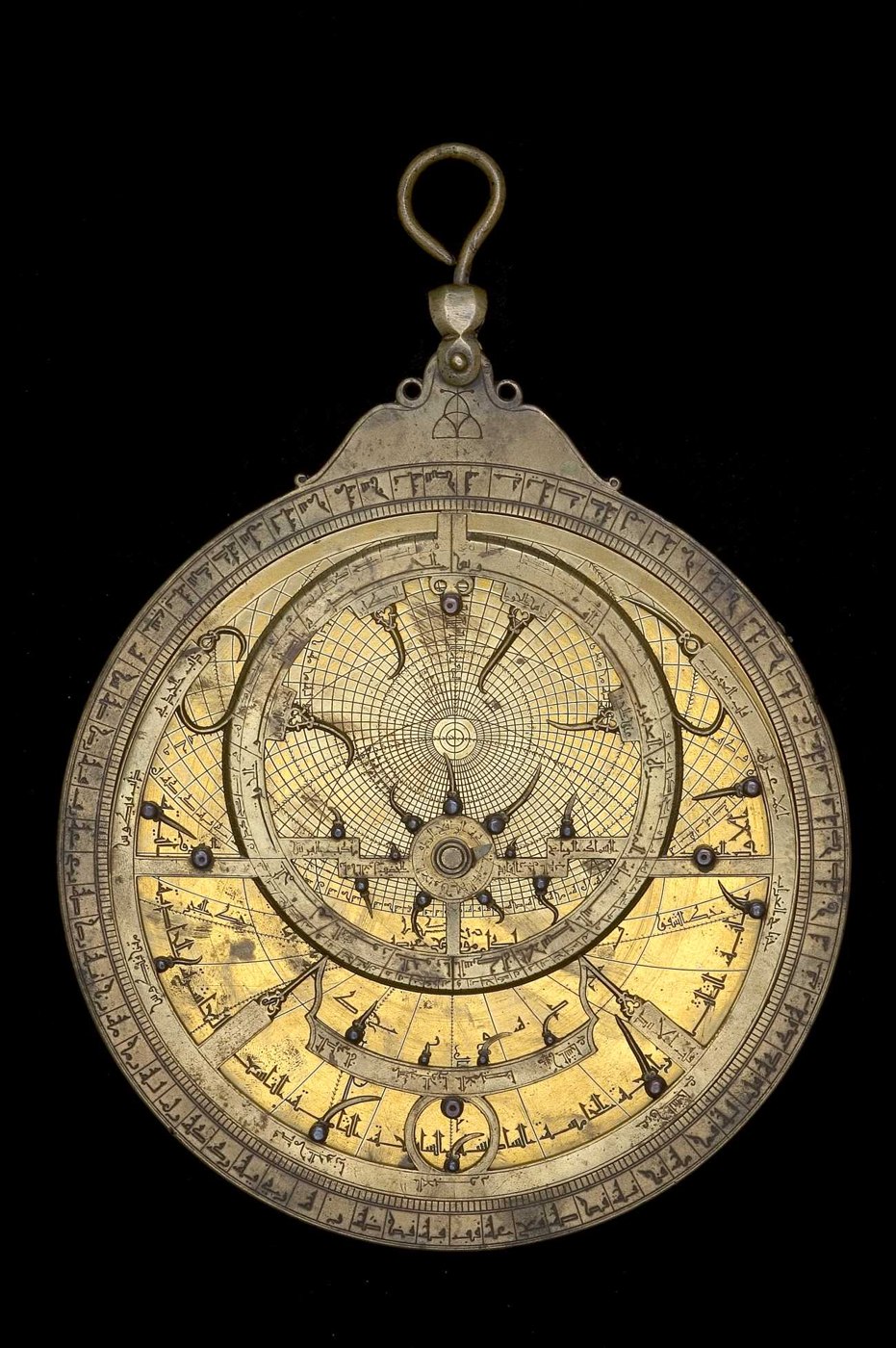
- Astrolabe by Muḥammad ibn Fattūḥ al-Khamā’irīAstrolabe · 1224/5 (A.H. 621)
- Astrolabe by Muḥammad ibn Fattūḥ al-Khamā’irīAstrolabe · 1221/2
Sources & references
- A BRASS ASTROLABE SIGNED BY MUḤAMMAD IBN FATTŪḤ AL-KHAMĀ’IRĪ, SEVILLE (SPAIN), DATED 625 AH / 1227–28 AD, orientalartauctions.com, retrieved 2026-11-03 (paraphrased; text © the publisher)
Where sources disagree, the disagreement is stated rather than resolved silently.