
Not recorded, Morocco · Dates not established
Muḥammad ibn Aḥmad al-Baṭṭuṭī
Partially verifiedMaker of catalogued arabic-inscribed astrolabe, north africa, scientific instrument
Life & work
Muhammad ibn Ahmad al-Battuti was a prolific instrument maker who practiced his craft in 18th-century Morocco.
He and his presumed brother, Hasan ibn Ahmad, are recognized as the final significant practitioners of the traditional Islamic astrolabe-making school in the West. While he largely followed established local conventions, he occasionally incorporated foreign elements, such as designs influenced by Safavid Iran. His instruments were sometimes commissioned for religious use, with known examples being bequeathed to mosques in Fez and Tangier.
The fuller biography summarises the open references listed under Sources; each statement was checked against the cited passage. Confirm key dates in period documents before relying on them.
Training, contributions & innovations
- He successfully integrated complex astronomical features, such as perpetual calendars for the Julian and Hijra eras, into his instruments.
Documented works
- A signed astrolabe dating to AH 1134 (1721-22 AD) is held by the Royal Museums Greenwich.
Collecting significance
The catalogued pieces listed on this page show the kinds of objects auction houses, dealers and museums attribute to this maker; each attribution is the source's own.
Firms, key models & movements
No firm, model or movement in this encyclopedia is yet recorded under this maker's name.
In the object catalogue
2 catalogued objects are recorded under Muḥammad ibn Aḥmad al-Baṭṭuṭī. Attributions are as given by each source and are not independent authentication.
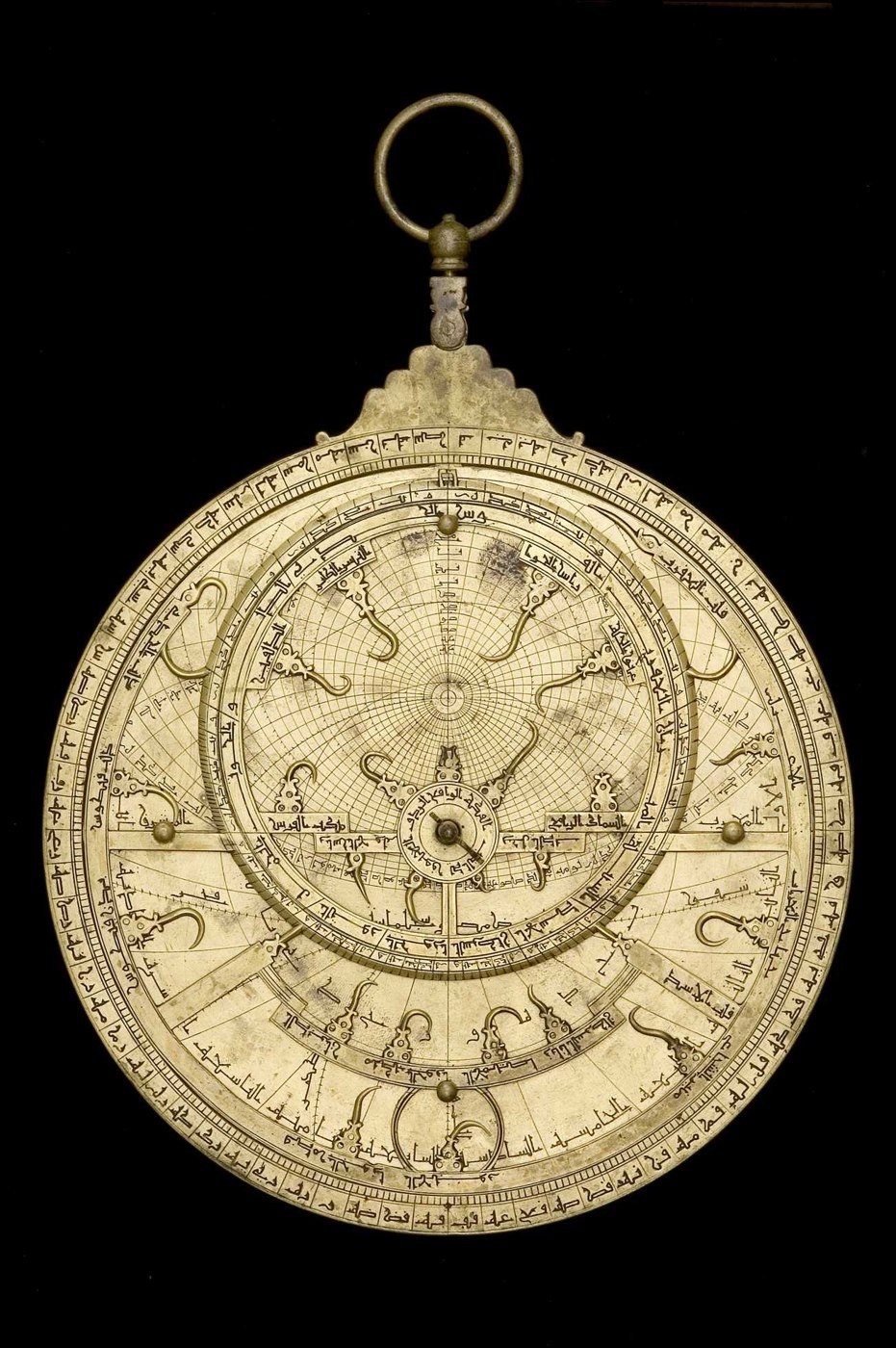
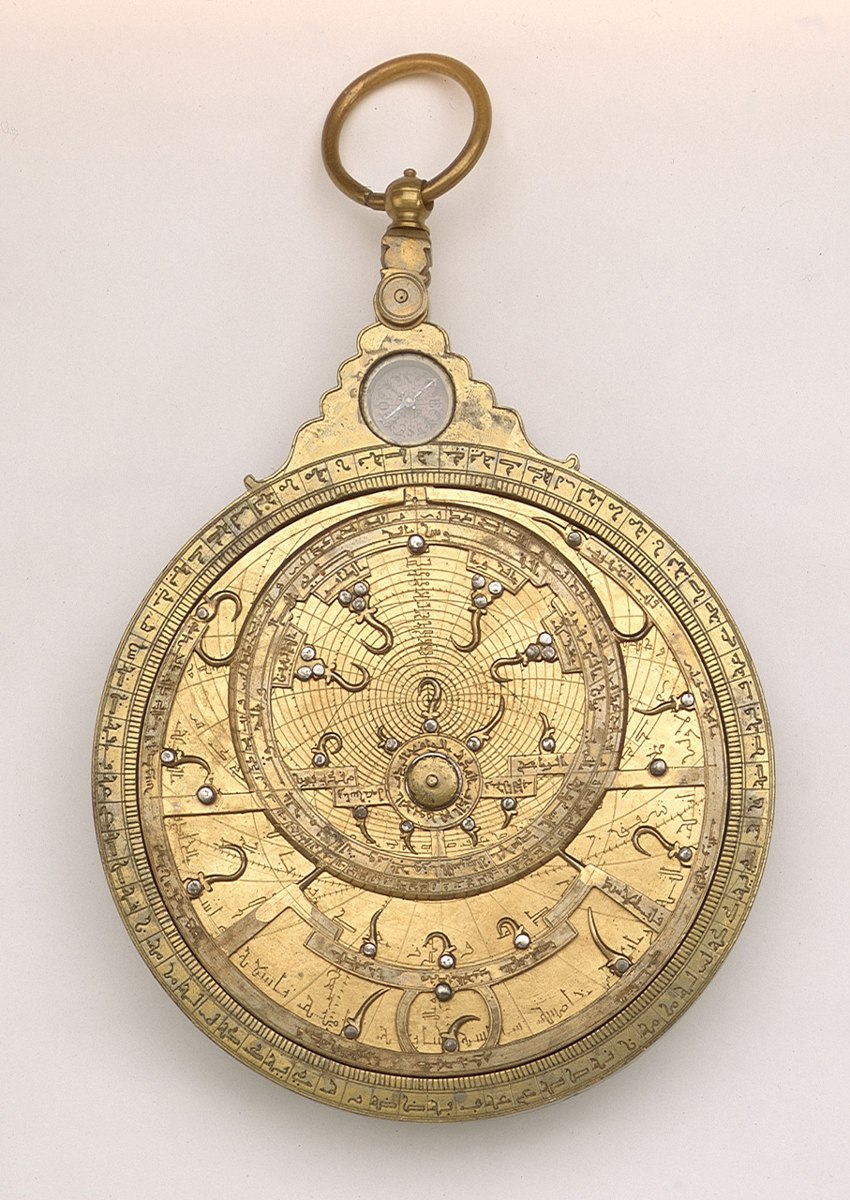
- Astrolabe by Muḥammad ibn Aḥmad al-BaṭṭuṭīAstrolabe · 1733/4 (A.H. 1146)
- Muhammad ibn Ahmad al-Battuti Brass AstrolabeAstrolabe · 1738-1739
Sources & references
- Astrolabe Catalogue, History of Science Museum, Oxford, retrieved 2026-11-03 (paraphrased; text © the publisher)
- Astrolabe | Royal Museums Greenwich, Royal Museums Greenwich, retrieved 2026-11-03 (paraphrased; text © the publisher)
Where sources disagree, the disagreement is stated rather than resolved silently.