
Paris, France · 1768 – 1853
Louis Moinet
Partially verifiedWatchmaking and astronomy
Life & work
Clockmaker to Napoleon.
Born in Bourges, France, Louis Moinet was a horologist, sculptor, and painter who studied architecture and fine arts in Rome and Florence. Upon returning to Paris, he became a Professor of Fine Arts at the Louvre and focused his career on advanced watchmaking, eventually serving as a personal adviser to Abraham-Louis Breguet starting in 1811. He became the President of the Chronometry Society of Paris and contributed significantly to the science of horology, including the publication of his major 1848 reference work, Traité d'Horlogerie. His legacy is defined by his precision instrument inventions, including a groundbreaking chronograph capable of measuring 60ths of a second.
The fuller biography summarises the open references listed under Sources; each statement was checked against the cited passage. Confirm key dates in period documents before relying on them.
Timeline
Louis Moinet's recorded dates, dated events from this profile and its sources, and dated pieces and sales from the object catalogue. Dates are as each record gives them.
1768 · Career
Born
circa 1810 · Catalogued piece
1811 · Career
Upon returning to Paris, he became a Professor of Fine Arts at the Louvre and focused his career on advanced watchmaking, eventually serving as a personal adviser to Abraham-Louis Breguet starting in 1811.
1848 · Career
He became the President of the Chronometry Society of Paris and contributed significantly to the science of horology, including the publication of his major 1848 reference work, Traité d'Horlogerie.
1853 · Career
Died
Training, contributions & innovations
- Astronomical clocks
Inventions & patents
- N/A
Signatures & markings on surviving work
- Signed work
Documented works
- The 'Napoleon Clock' features an eight-day movement with a moon-phase mechanism integrated within the day hand.
- The 'Minerva' clock, crafted in collaboration with the bronzier Thomire, remains part of the White House collection in Washington D.C.
- Moinet's horological works are currently housed in prestigious institutions such as the Louvre in Paris, the Château de Versailles, and the Palazzo Pitti in Florence.
Collecting significance
Signatures on historic work were applied by retailers and by later hands; attribution should rest on the movement's construction and provenance.
Firms, key models & movements
No firm, model or movement in this encyclopedia is yet recorded under this maker's name.
In the object catalogue
2 catalogued objects are recorded under Louis Moinet. Attributions are as given by each source and are not independent authentication.
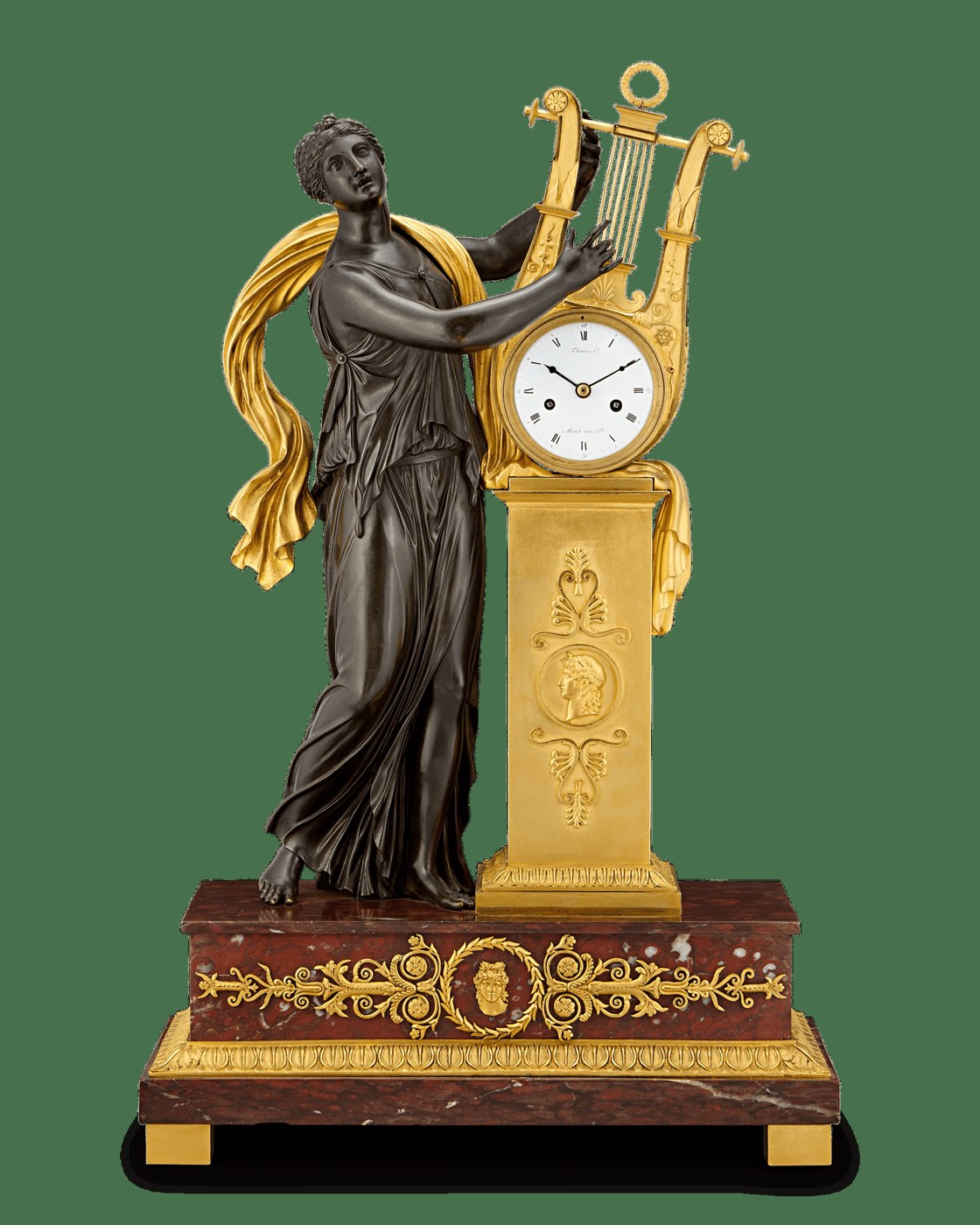
- Empire Erato Mantel Clock by Thomire & CieMantel clock · circa 1810
- French Louis XV-Style Gilt Bronze Mantel ClockMantel clock · early 19th century
Provenance
Where the 2 catalogued pieces by Louis Moinet were recorded, with the collectors, owners and sales their records name.
Provenance map
Each piece is linked to the museum, auction house or dealer whose record it comes from, and to any other house or collection its own provenance names. Select a name to see its pieces.
Auction houses · 1 piece
Dealers & other listings · 1 piece
Fontaine's Auction Gallery
Auction house · 1 piece
French Louis XV-Style Gilt Bronze Mantel ClockMantel clock · early 19th century · Record source
Fontaine's Auction Gallery: lot 50
Auction history
| House | Sale & lot | Object |
|---|---|---|
| Fontaine's Auction Gallery | lot 50 | French Louis XV-Style Gilt Bronze Mantel Clock |
Each line is copied from the object's source record and is not independently verified. Holders are as recorded when the piece was catalogued: museum objects may not be on display, and sold lots have since changed hands.
Photographs
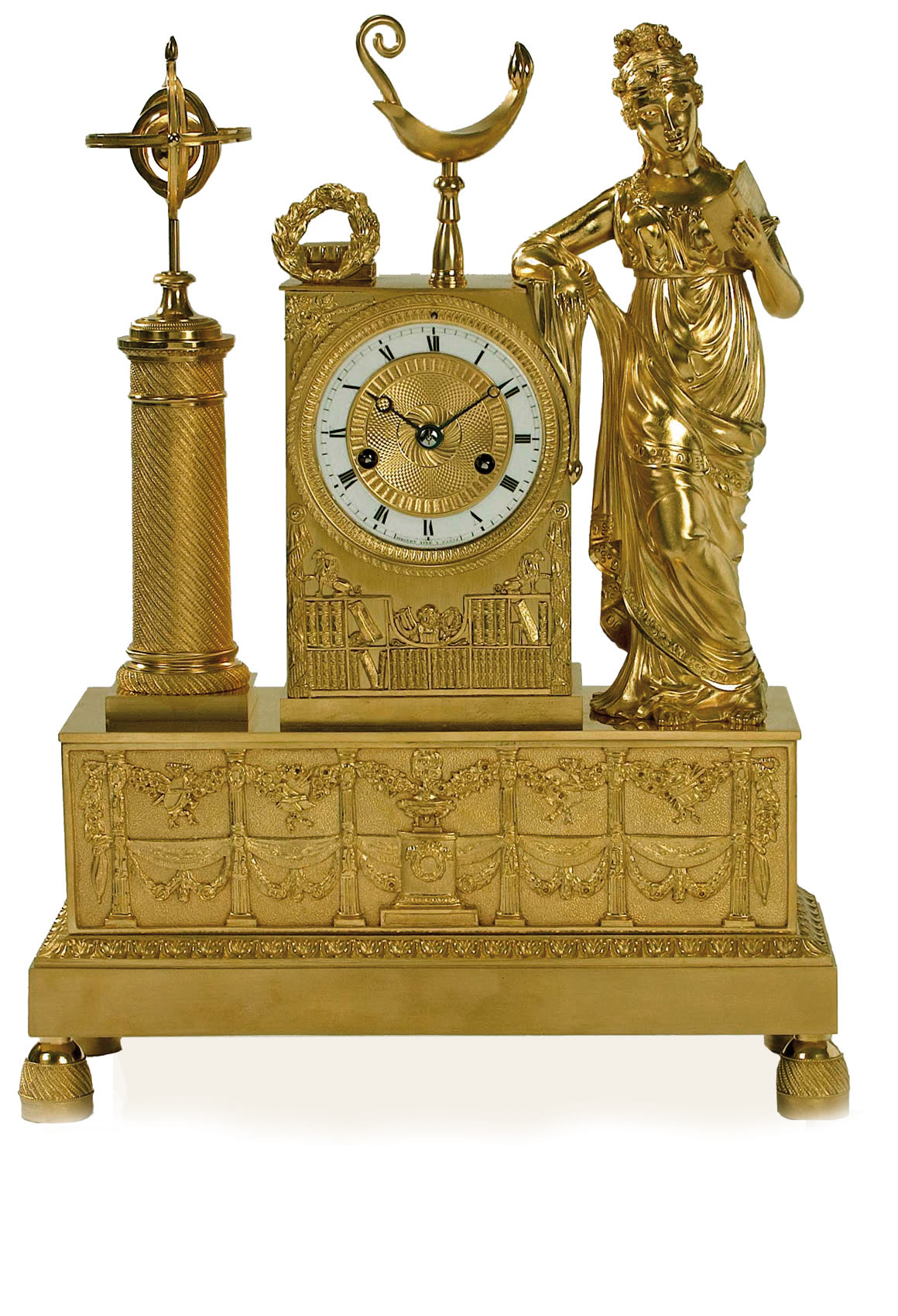
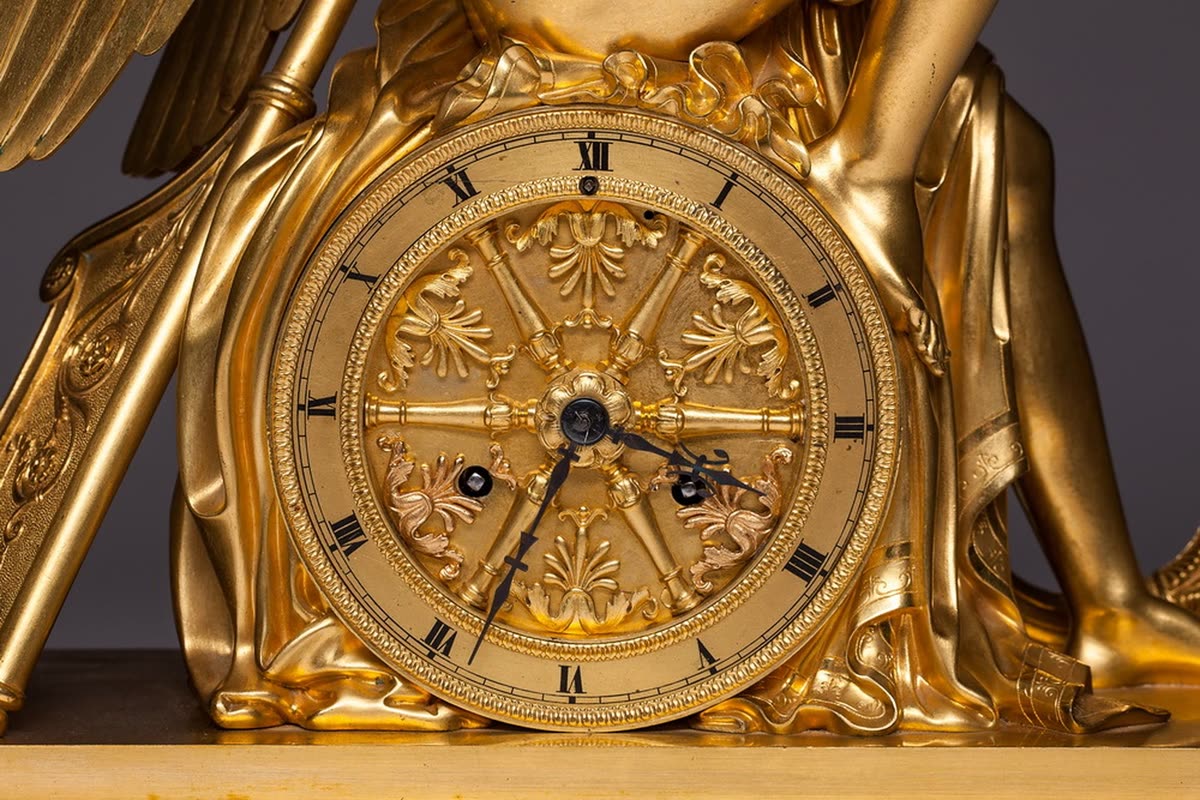
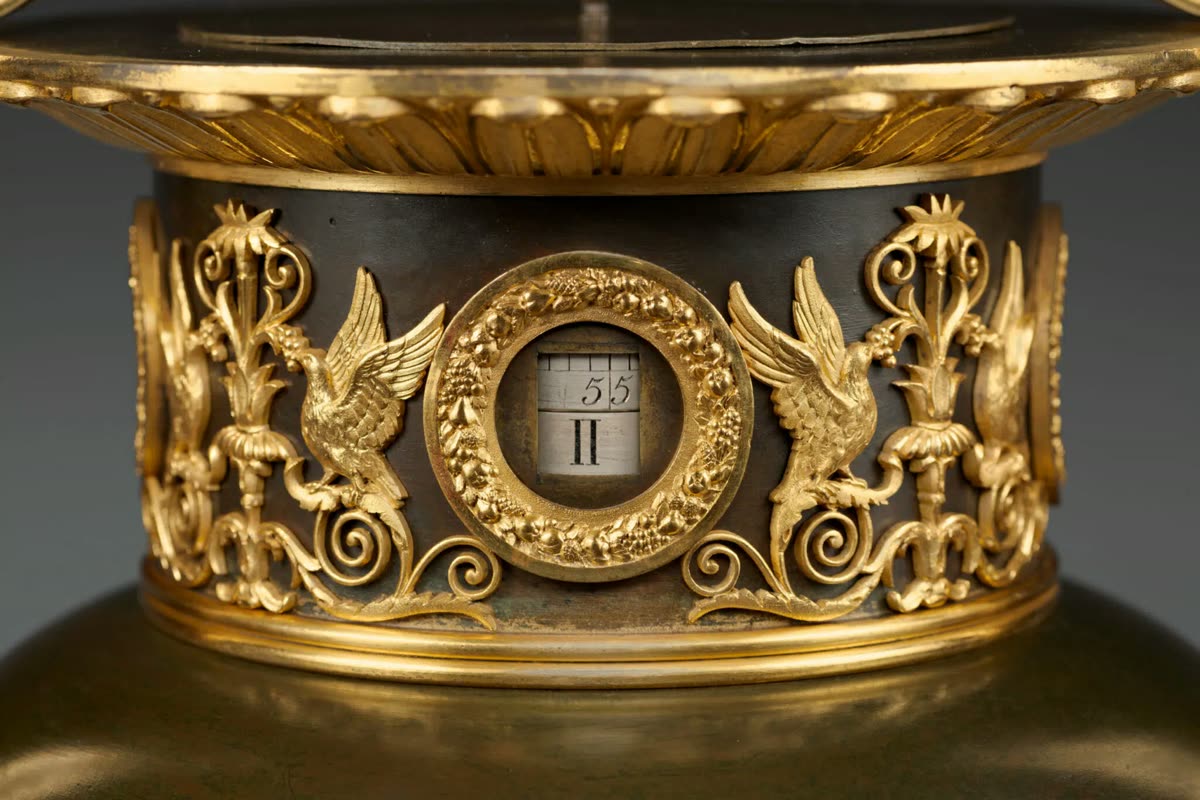
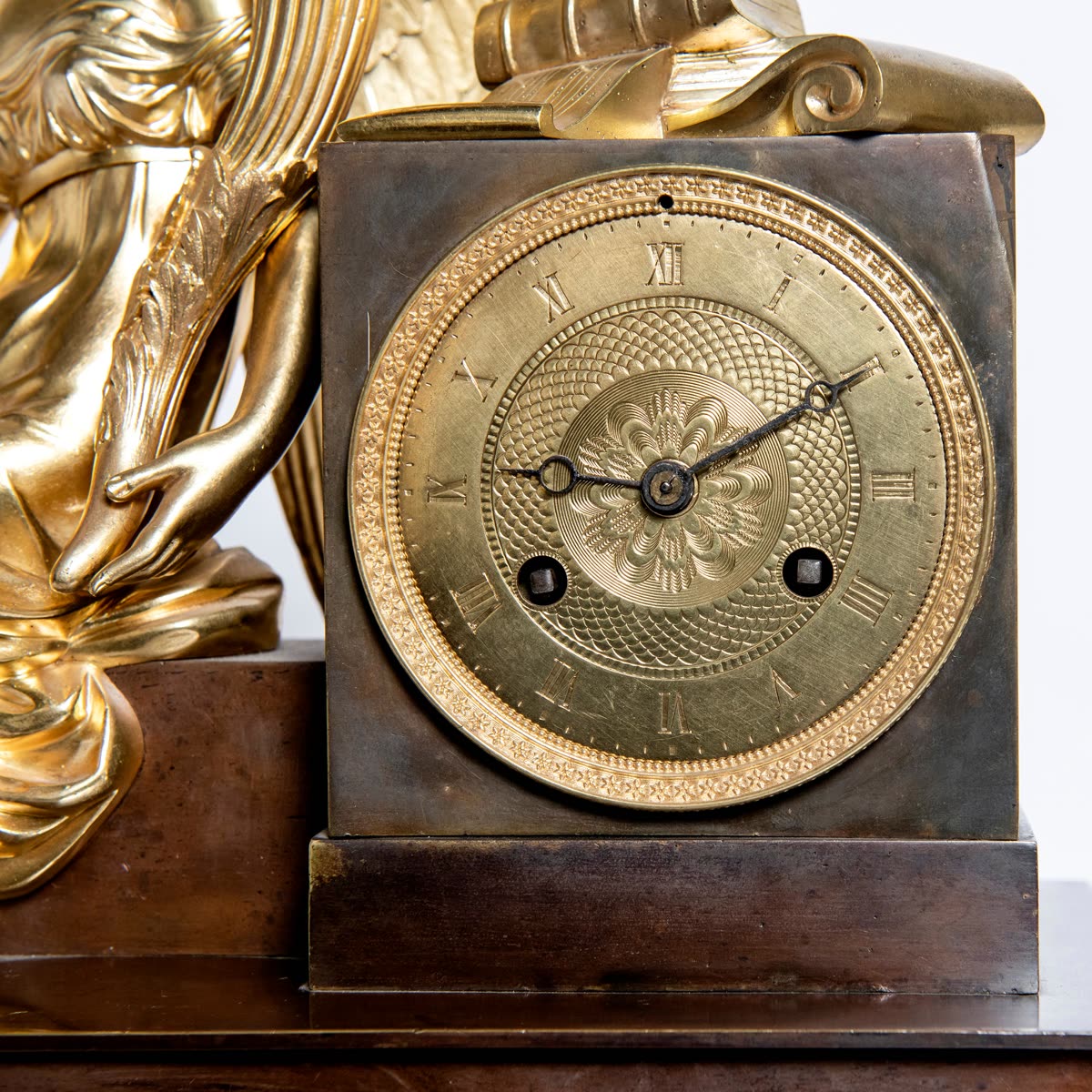
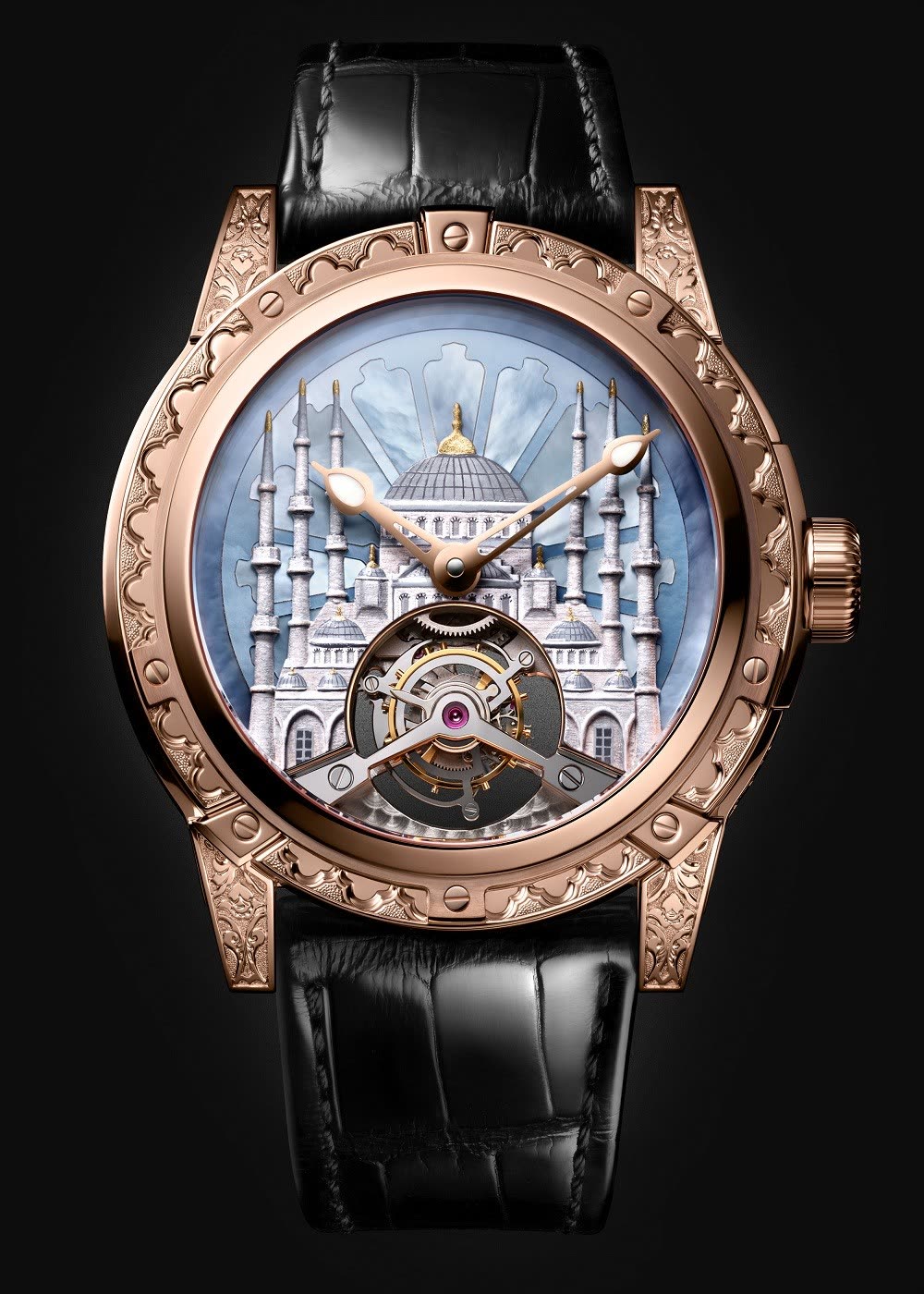
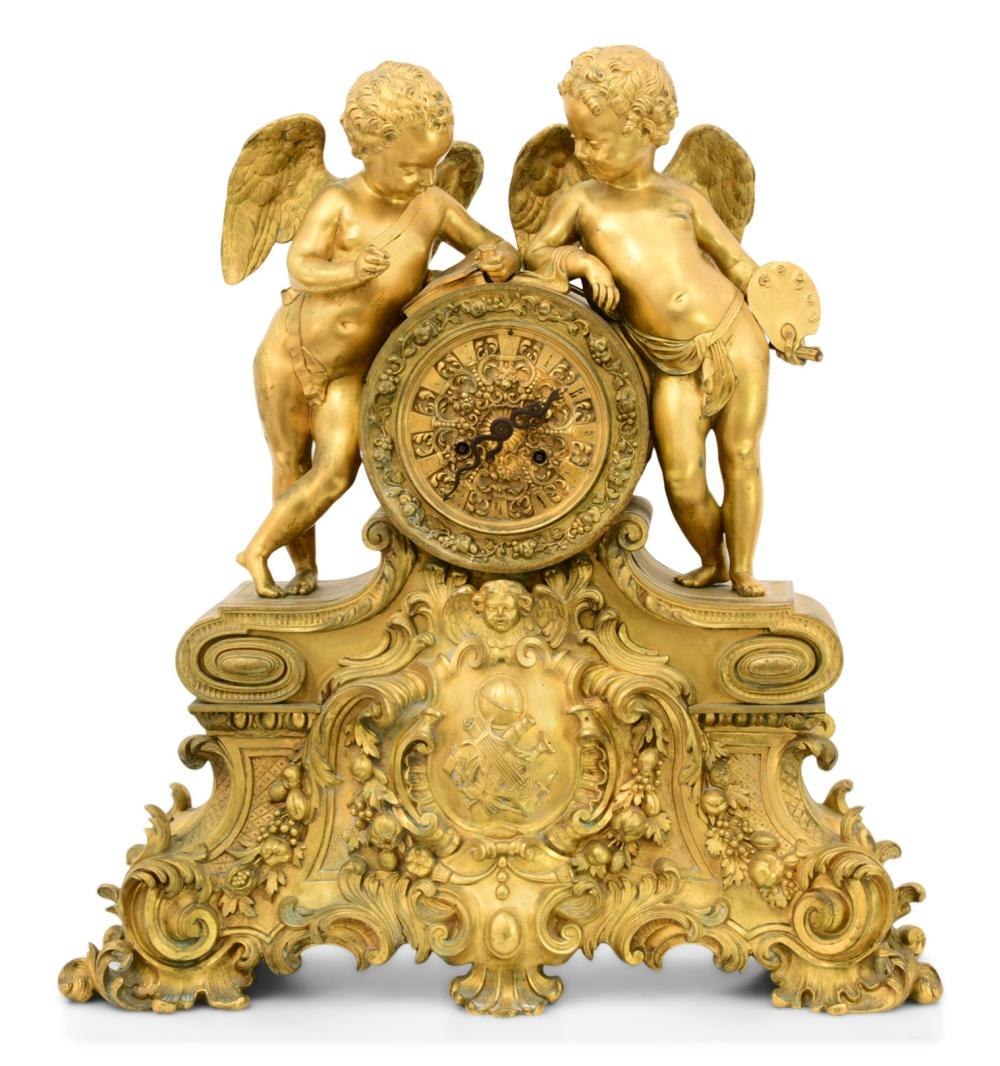
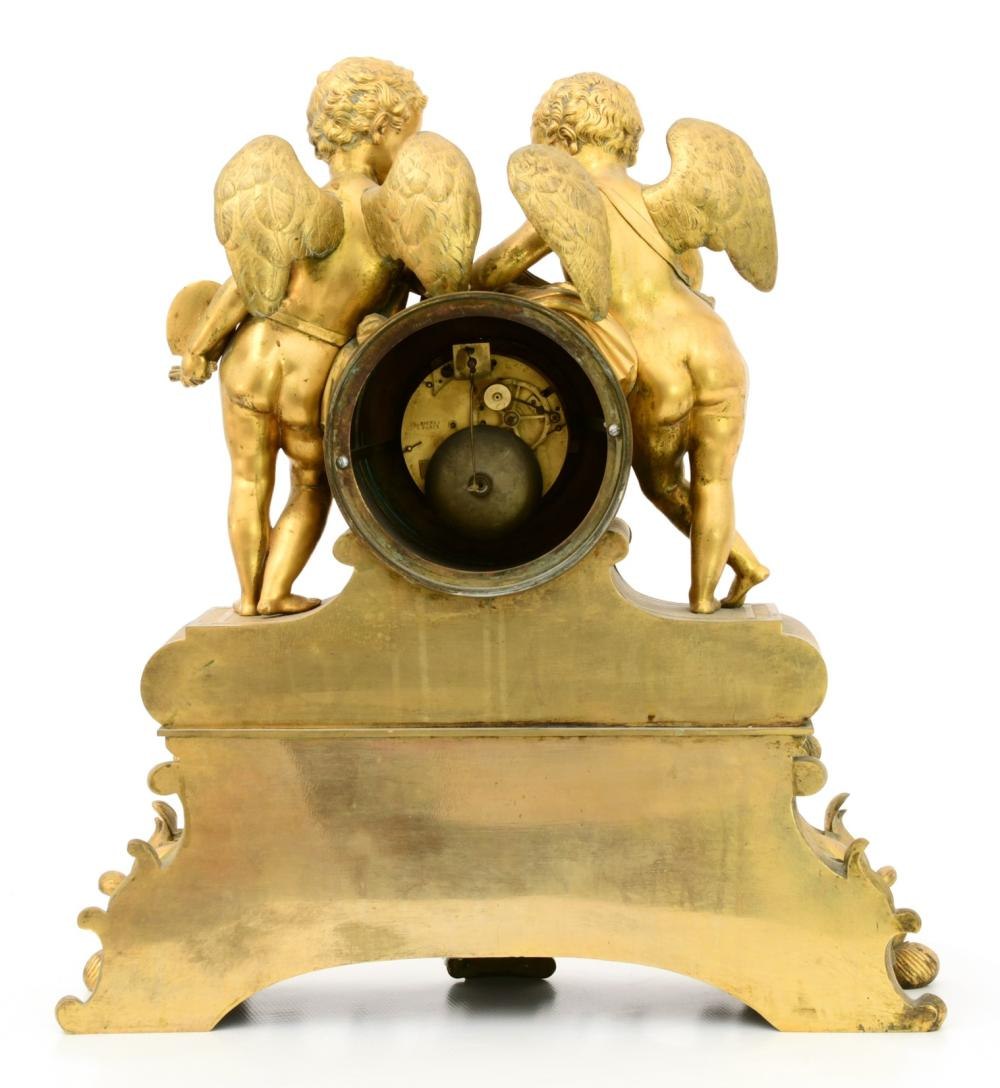
Photographs are illustrative examples of the type, not necessarily the exact object described. Verify details against the source file page.
Sources & references
- Louis Moinet, Wikipedia (English), retrieved 2026-10-27 (text CC BY-SA 4.0)
- Britten, F. J., Old Clocks and Watches and Their Makers
- Loomes, B., reference works on British and European clockmakers
Where sources disagree, the disagreement is stated rather than resolved silently.