
London, England · fl. 1816–1862
J. Newman
Partially verifiedScientific and meteorological instrument maker
Life & work
John Frederick Newman was a prominent scientific instrument maker based in London who operated at several addresses throughout his career.
His workshop was initially located at 7 & 8 Lisle Street between 1816 and 1825, after which he relocated his business to 122 Regent Street. Newman gained significant professional recognition for his high-quality meteorological instruments, including barometers used during the Ross Antarctic expedition and throughout the British Empire. The firm also exhibited at the Great Exhibition at the Crystal Palace in 1851 and continued operations until the business was acquired by Negretti & Zambra in 1862.
The fuller biography summarises the open references listed under Sources; each statement was checked against the cited passage. Confirm key dates in period documents before relying on them.
Training, contributions & innovations
- Newman is recognized for his contributions to precision meteorology through the production of standardized instruments.
Documented works
- A Saxton's magneto-electric machine, constructed between 1833 and 1857, remains in the Science Museum Group collection.
- The U.S. Military Academy holds a dew-point hygrometer instrument made by Newman.
- A high-quality Regency mahogany bowfront stick barometer bearing his name is extant.
Collecting significance
The catalogued pieces listed on this page show the kinds of objects auction houses, dealers and museums attribute to this maker; each attribution is the source's own.
Firms, key models & movements
No firm, model or movement in this encyclopedia is yet recorded under this maker's name.
In the object catalogue
2 catalogued objects are recorded under J. Newman. Attributions are as given by each source and are not independent authentication.
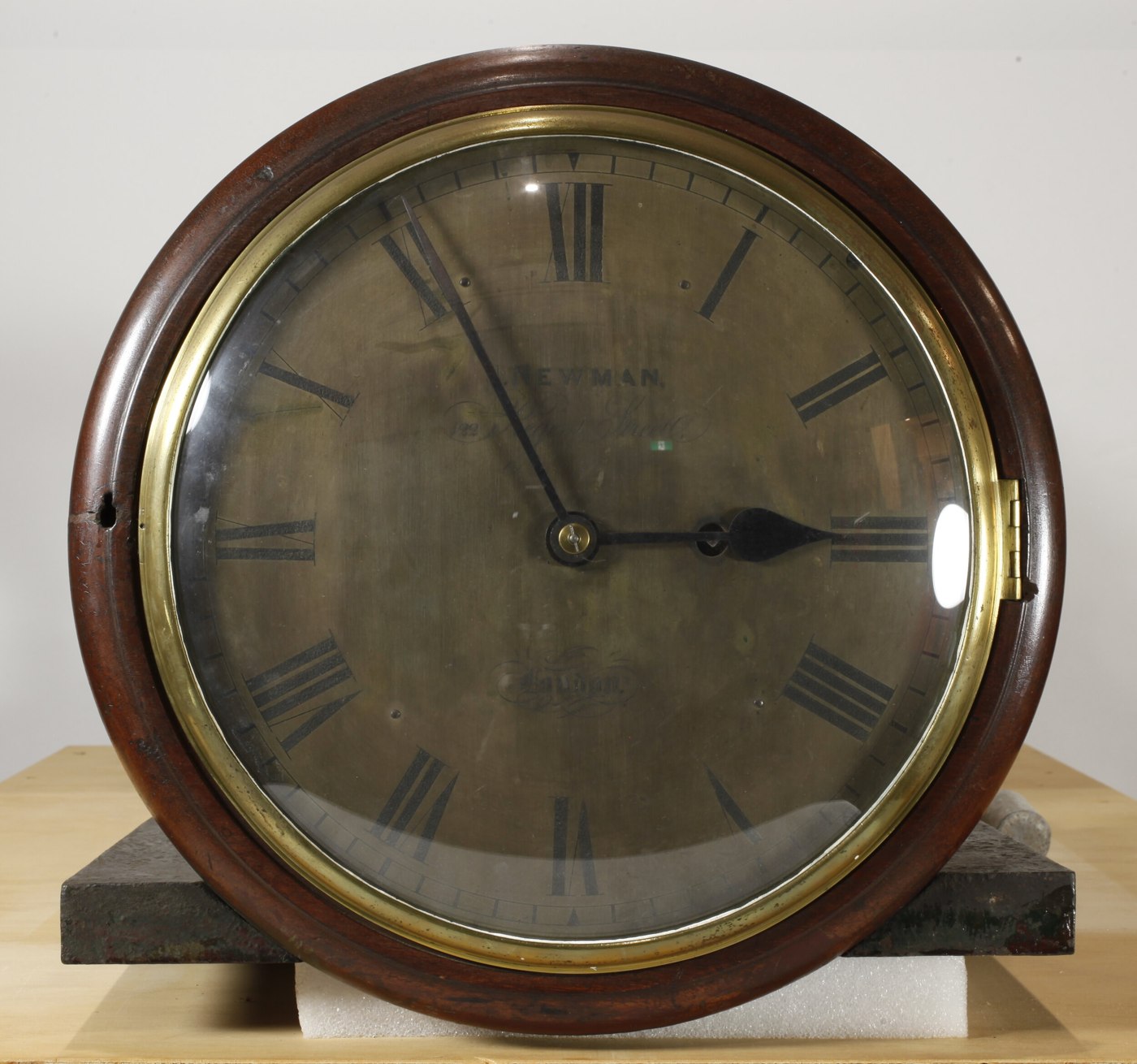
- J. Newman Tide Gauge ClockOther clock · circa 1850s
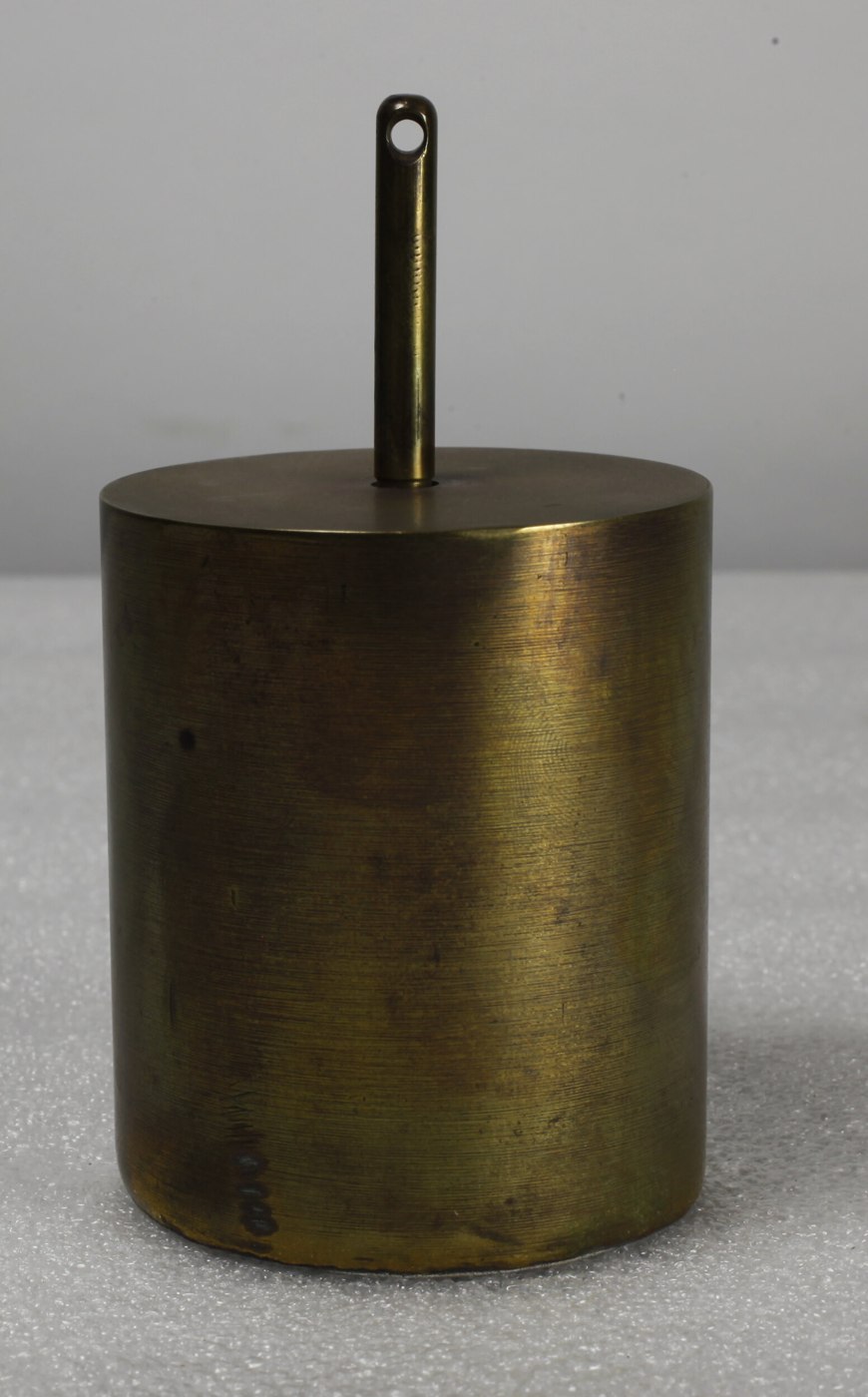
- Weight for Tide Gauge ClockPendulum & weight · circa 1850s
Sources & references
- Saxton's magneto-electric machine, 1833-1857. | Science Museum Group Collection, Science Museum Group, retrieved 2026-11-03 (paraphrased; text © the publisher)
- americanhistory.si.edu, Smithsonian National Museum of American History, retrieved 2026-11-03 (paraphrased; text © the publisher)
- Impressive Regency mahogany bow front stick barometer, Newman, London., at-barometers.com, retrieved 2026-11-03 (paraphrased; text © the publisher)
Where sources disagree, the disagreement is stated rather than resolved silently.