
Antwerp, Not recorded · c. 1514–1562/63
Gillis Coignet
Partially verifiedMaker of astrolabes, globes, sundials and astronomical compendia
Life & work
Gillis Coignet was an established goldsmith and instrument maker based in Antwerp during the sixteenth century.
He descended from a family of painters and metalworkers, and his own name may have been derived from a small wedge-shaped chisel used in goldsmithing. Coignet's workshop produced a variety of sophisticated scientific equipment, including globes, sundials, and complex astronomical compendia. His work on geographic astrolabes demonstrates his engagement with contemporary scientific knowledge and the economic context of sixteenth-century Antwerp.
Following his death in 1562 or 1563, his son Michiel Coignet continued the family tradition by becoming a prominent maker of scientific instruments.
The fuller biography summarises the open references listed under Sources; each statement was checked against the cited passage. Confirm key dates in period documents before relying on them.
Training, contributions & innovations
- Coignet created significant geographic astrolabes that incorporated stereographic projections of the terrestrial globe rather than solely focusing on the heavens.
Documented works
- A geographic astrolabe dated 1560, also functioning as a cosmographical mirror and universal altitude sundial, is held by the Museum of the History of Science in Oxford.
- The British Museum in London preserves an astrolabe signed by the maker and dated to approximately 1575.
Collecting significance
The catalogued pieces listed on this page show the kinds of objects auction houses, dealers and museums attribute to this maker; each attribution is the source's own.
Firms, key models & movements
No firm, model or movement in this encyclopedia is yet recorded under this maker's name.
In the object catalogue
2 catalogued objects are recorded under Gillis Coignet. Attributions are as given by each source and are not independent authentication.
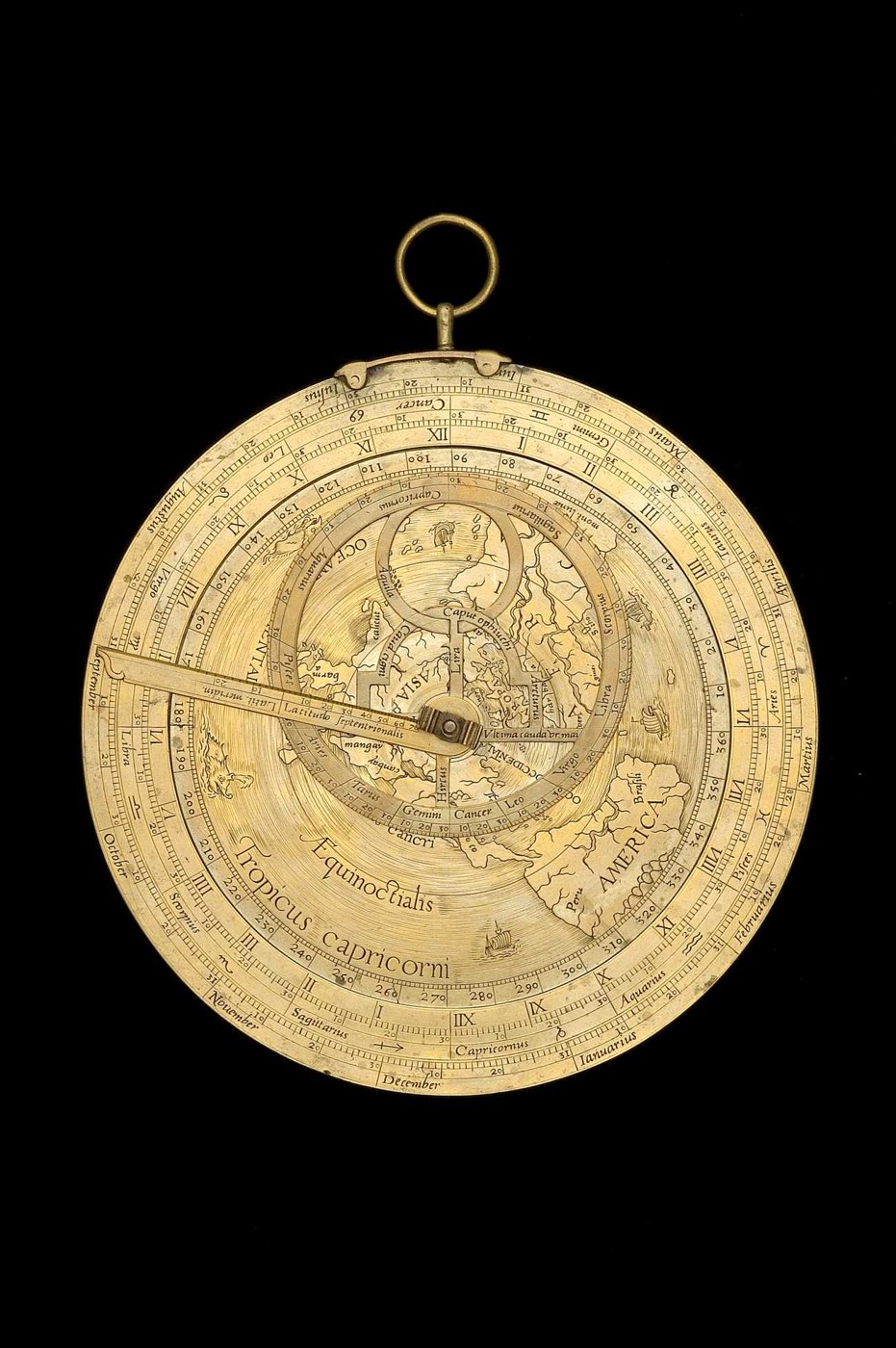
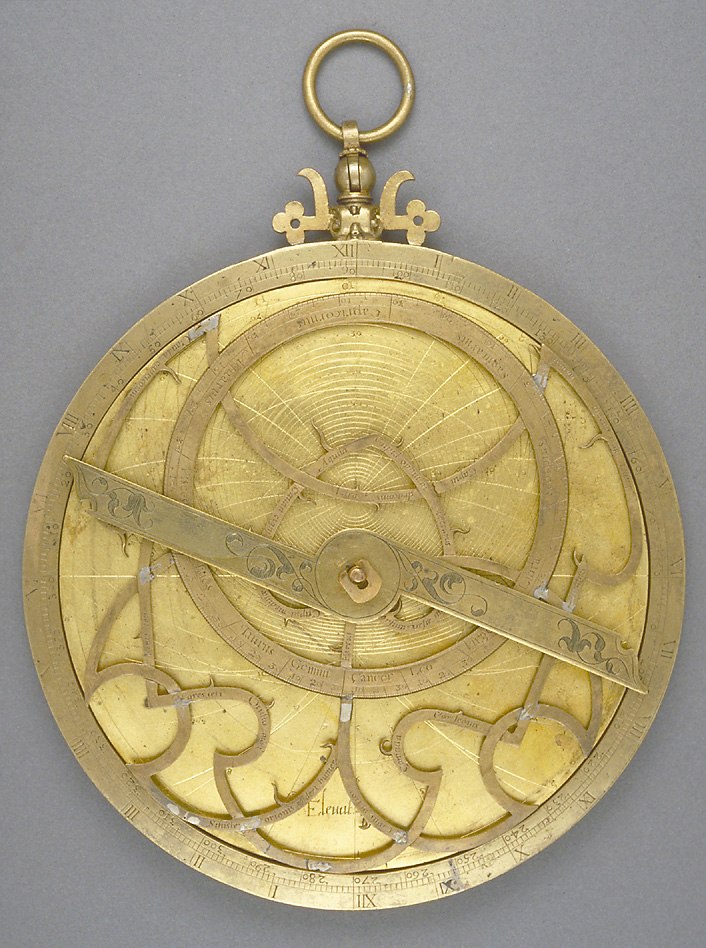
- Astrolabe by Gillis CoignetAstrolabe · circa 1575
- Geographic astrolabe, inventory 53211Astrolabe · 1560
Sources & references
- Epact: Scientific Instruments of Medieval and Renaissance Europe, History of Science Museum, Oxford, retrieved 2026-11-03 (paraphrased; text © the publisher)
- 20. Astrolabe (cosmographical mirror) and universal altitude sundial by Gillis Coignet, Antwerp, 1560 - Museum of the History of Science : Museum of the History, History of Science Museum, Oxford, retrieved 2026-11-03 (paraphrased; text © the publisher)
- Astrolabe Catalogue, History of Science Museum, Oxford, retrieved 2026-11-03 (paraphrased; text © the publisher)
Where sources disagree, the disagreement is stated rather than resolved silently.