
Geneva, Switzerland · 1800 – 1884
Georges-Auguste Leschot
Partially verifiedInterchangeable-parts machine tools for watchmaking
Life & work
Georges-Auguste Leschot was a Geneva engineer and watchmaker who worked for Vacheron (the firm that became Vacheron Constantin) and is credited with introducing pantograph-based machine tools that allowed component parts of watch movements to be manufactured to consistent, interchangeable dimensions — a significant step toward industrialised Swiss watch production while retaining Geneva's reputation for quality.
Leschot's machinery, developed from the 1830s–1840s, allowed a single set of master gauges to be used to produce parts across a range of movement sizes, reducing reliance on the fully bespoke hand-fitting that had characterised earlier Genevan work. This anticipated, on a smaller and more artisanal scale, the interchangeable-parts manufacturing later associated with American firms such as Waltham and Elgin.
Because Leschot's work was largely internal to the Vacheron firm's operations rather than widely publicised or patented in his own name at the time, the precise technical chronology of his machine developments is less completely documented in public sources than, for example, Nicole's chronograph patents; this entry is conservative about exact dates accordingly.
Timeline
Georges-Auguste Leschot's recorded dates, dated events from this profile and its sources, and dated pieces and sales from the object catalogue. Dates are as each record gives them.
1800 · Career
Born
1884 · Career
Died
Training, contributions & innovations
- Developed pantograph-based machine tools enabling interchangeable watch movement components at Vacheron
- Advanced Swiss industrial watchmaking while preserving Geneva's high-grade reputation
Inventions & patents
- No specific verified patent numbers for Leschot's pantograph tooling are confirmed in the sources consulted; his contribution is documented primarily through Vacheron Constantin's own historical archives and secondary horological histories.
Signatures & markings on surviving work
- Leschot did not sign watches under his own name; his work is embedded in Vacheron movement production of the period
Collecting significance
There is no 'Leschot' signed watch market; his significance is historical/technical rather than as a named maker of collectible objects.
Firms, key models & movements
Famous objects
- Pendulette de voyage ou d'officier · 1800
- Self-winding watch by Jaquet-Droz et Leschot · 1770 - 1790
- Singing bird box by Jaquet-Droz et Leschot · 1784 - 1830
Photographs
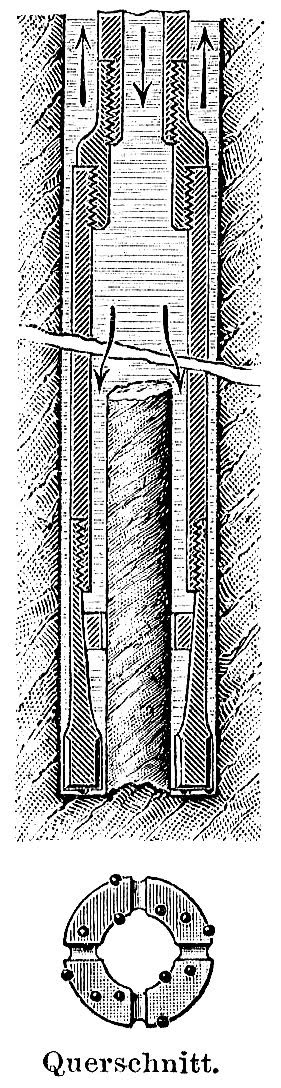
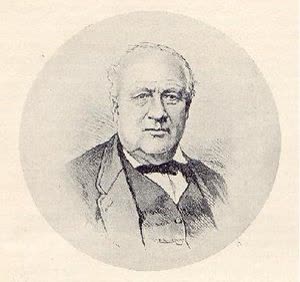
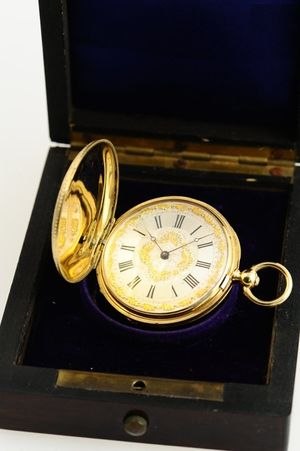
Photographs are illustrative examples of the type, not necessarily the exact object described. Verify details against the source file page.
Sources & references
- Vacheron Constantin company historical archive materials
Where sources disagree, the disagreement is stated rather than resolved silently.