
Fleurier, Switzerland · 1797 – 1849
Edouard Bovet
Partially verifiedWatches
Life & work
Founder of Bovet.
In 1814, he moved to London to study horology, subsequently working for the Magniac company which sent him to Canton, China, in 1818. He founded his own partnership in 1822 with his brothers to produce luxury watches specifically for the Chinese market. Bovet gained significant fame in China, where his watches were highly valued for their elegant exteriors and fine engravings, often being sold in identical pairs.
After returning to Switzerland, he was active in the republican movement during the 1831 Neuchâtel revolution before settling in Besançon. Following his death in 1849, his legacy continued through the flourishing company his brothers and nephews managed, which was later rebranded as Bovet Frères et Cie.
The fuller biography summarises the open references listed under Sources; each statement was checked against the cited passage. Confirm key dates in period documents before relying on them.
Timeline
Edouard Bovet's recorded dates, dated events from this profile and its sources, and dated pieces and sales from the object catalogue. Dates are as each record gives them.
1797 · Career
Born
1814 · Career
In 1814, he moved to London to study horology, subsequently working for the Magniac company which sent him to Canton, China, in 1818.
1822 · Career
He founded his own partnership in 1822 with his brothers to produce luxury watches specifically for the Chinese market.
1831 · Career
After returning to Switzerland, he was active in the republican movement during the 1831 Neuchâtel revolution before settling in Besançon.
1849 · Career
Died
1849 · Career
Following his death in 1849, his legacy continued through the flourishing company his brothers and nephews managed, which was later rebranded as Bovet Frères et Cie.
1855 · Career
In 1855, the firm was awarded a gold medal at the Paris world exhibition for an identical pair of watches created for the Chinese emperor.
Training, contributions & innovations
- Chinese market watches
- Bovet introduced watches with finely engraved movements visible through glass case backs, a departure from traditional closed designs.
- The company specialized in producing watches with a central second hand that jumped every second, mimicking modern quartz movements.
- By placing their name in Chinese characters on dials, the brand became so synonymous with timekeeping that 'Bovet' became a common term for watches.
Inventions & patents
- N/A
Signatures & markings on surviving work
- Signed work
Documented works
- In 1855, the firm was awarded a gold medal at the Paris world exhibition for an identical pair of watches created for the Chinese emperor.
Collecting significance
Signatures on historic work were applied by retailers and by later hands; attribution should rest on the movement's construction and provenance.
Firms, key models & movements
Firms
- Bovet · 1822
Movements
- Bovet 15 · Various
Famous objects
- Chinese-Market Duplex Watches (Swiss export production) · Principally 19th century
- "Chinese" watch by Edouart Bovet · c. 1825
- Engraved round gold watch · c. 1880
Photographs
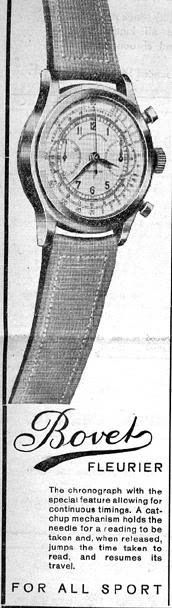
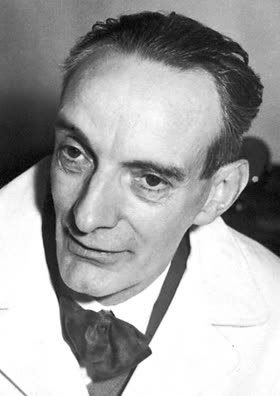
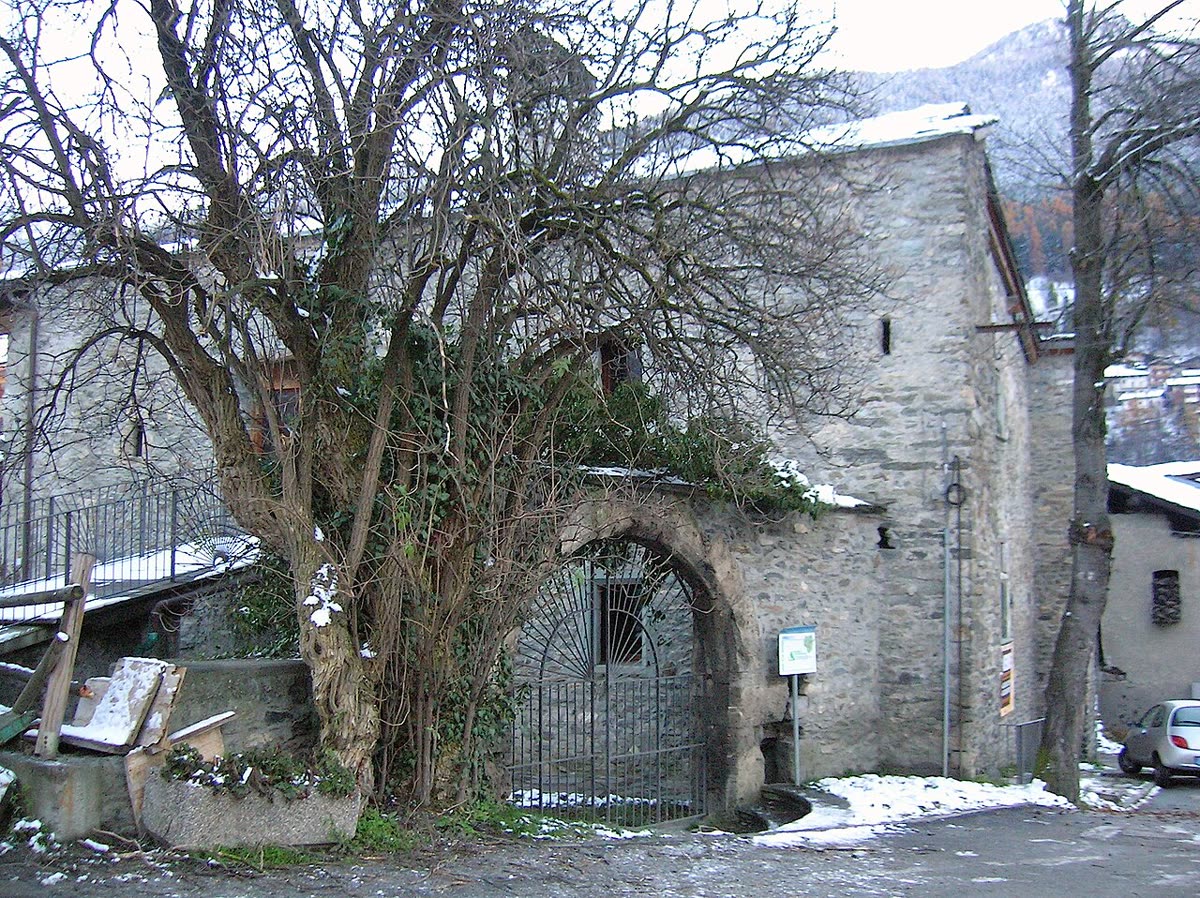
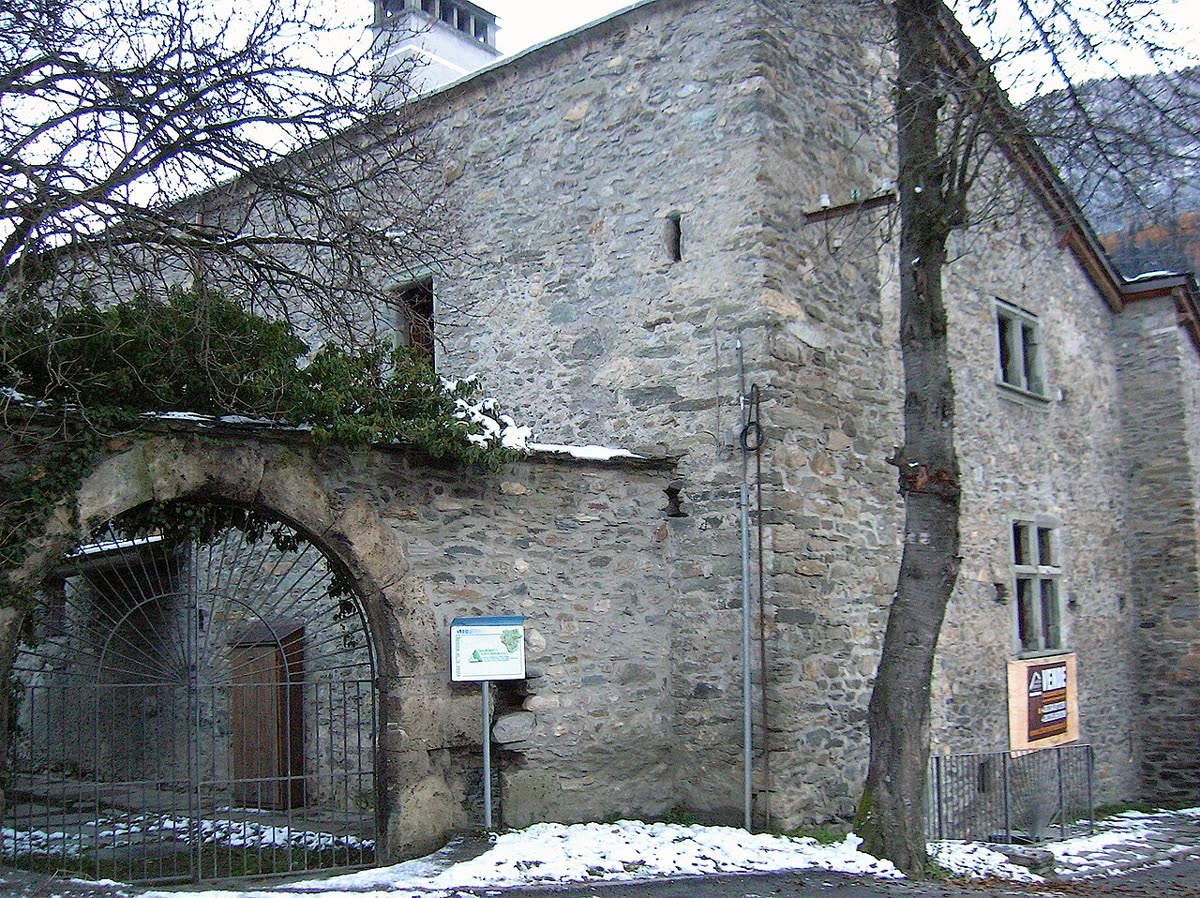
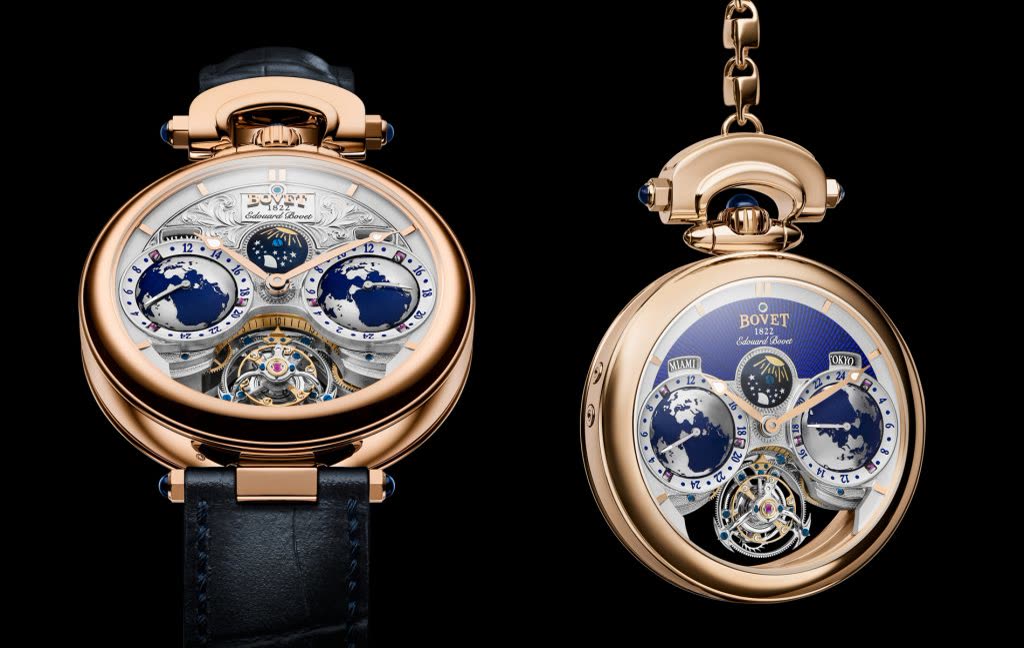
Photographs are illustrative examples of the type, not necessarily the exact object described. Verify details against the source file page.
Sources & references
- Édouard Bovet, Wikipedia (English), retrieved 2026-10-27 (text CC BY-SA 4.0)
- Bovet Fleurier, Wikipedia (German), retrieved 2026-10-27 (text CC BY-SA 4.0)
- Édouard Bovet, Wikipedia (French), retrieved 2026-10-27 (text CC BY-SA 4.0)
- Britten, F. J., Old Clocks and Watches and Their Makers
- Loomes, B., reference works on British and European clockmakers
Where sources disagree, the disagreement is stated rather than resolved silently.