
Watch family · Transitional
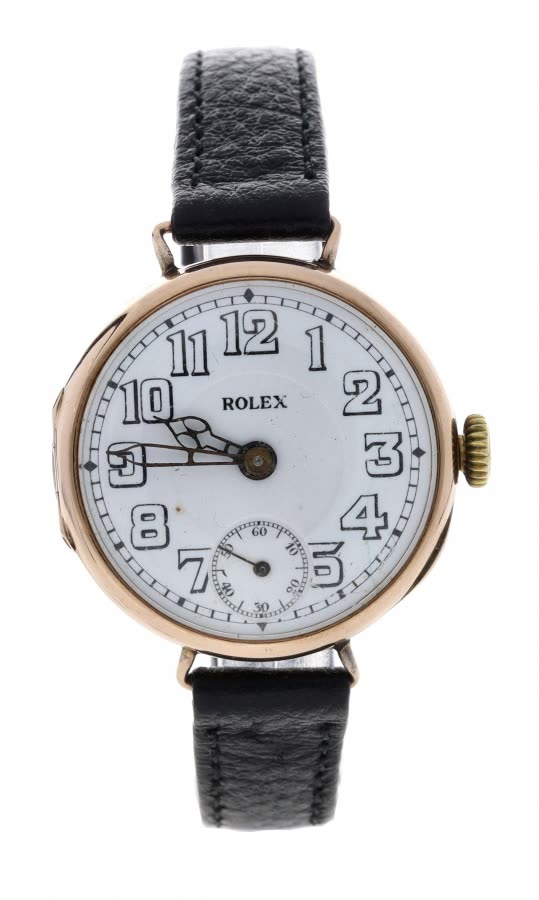
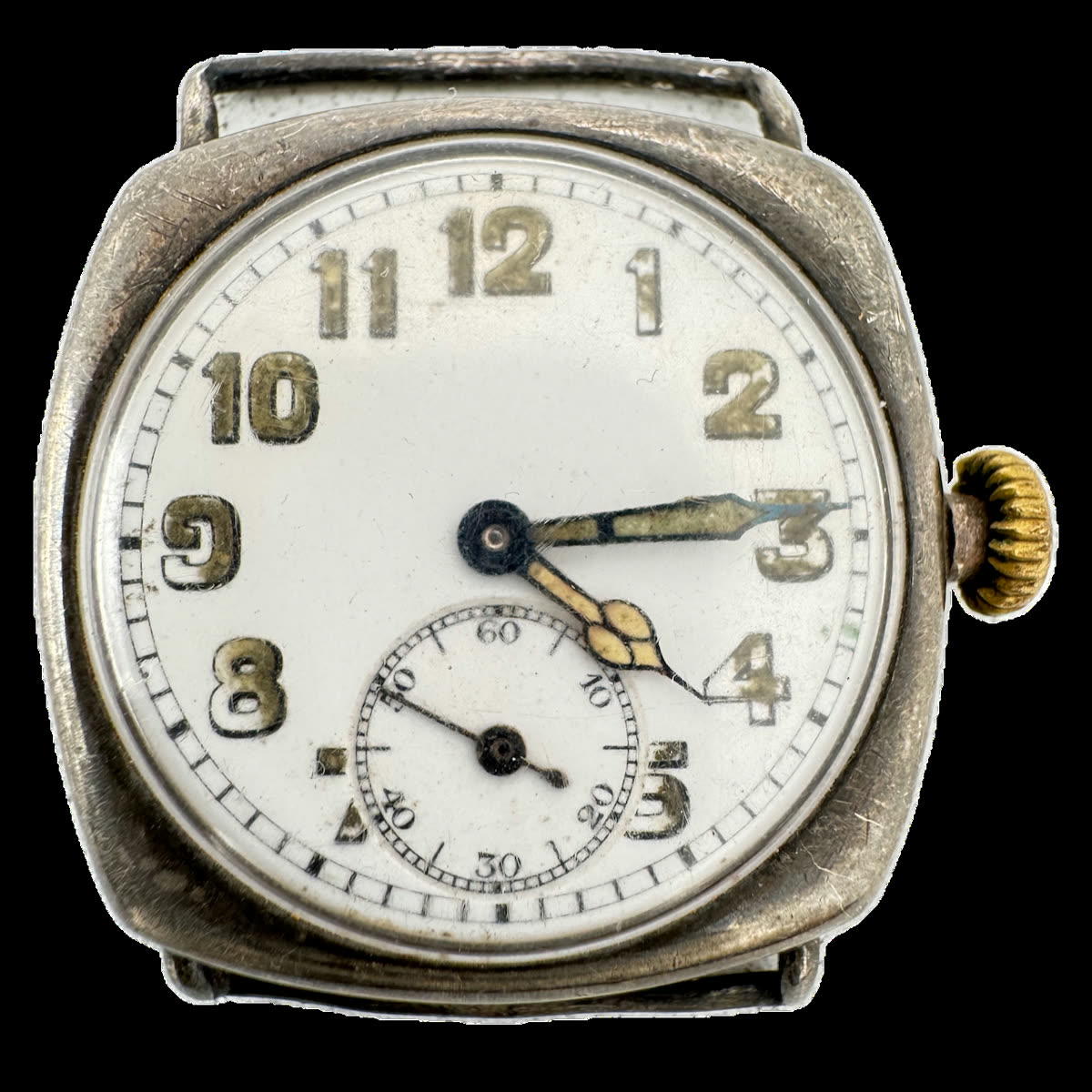
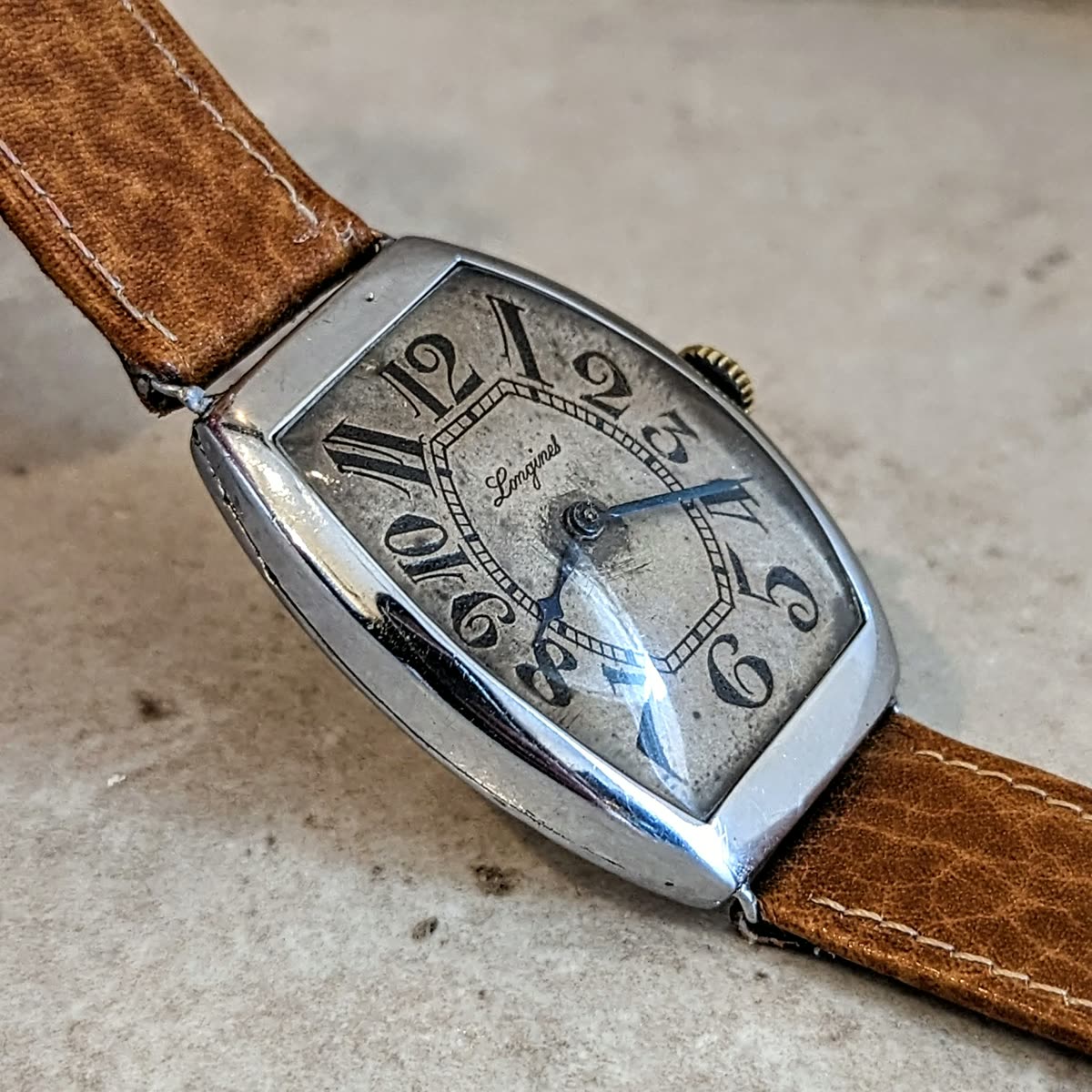
Wire-Lug Wristwatches
VerifiedA construction-defined category covering any early wristwatch, military or civilian, in which the strap lugs are simple soldered wire loops rather than lugs integrated into the case band, marking the earliest and least redesigned stage of pocket-to-wrist conversion.
Movement & mechanism
- Case body unchanged in essential design from a pocket watch of the same maker and date
- Wire lugs soldered at roughly four points to the case band to carry a leather strap
- No fixed spring-bar lug construction, which arrived only with cases purpose-built for the wrist
Identification
- Thin wire loops, sometimes asymmetric or unevenly spaced, distinct from the flatter integral lugs of later cases
- Solder marks or repairs at the lug attachment points, a frequent site of wear and later restoration
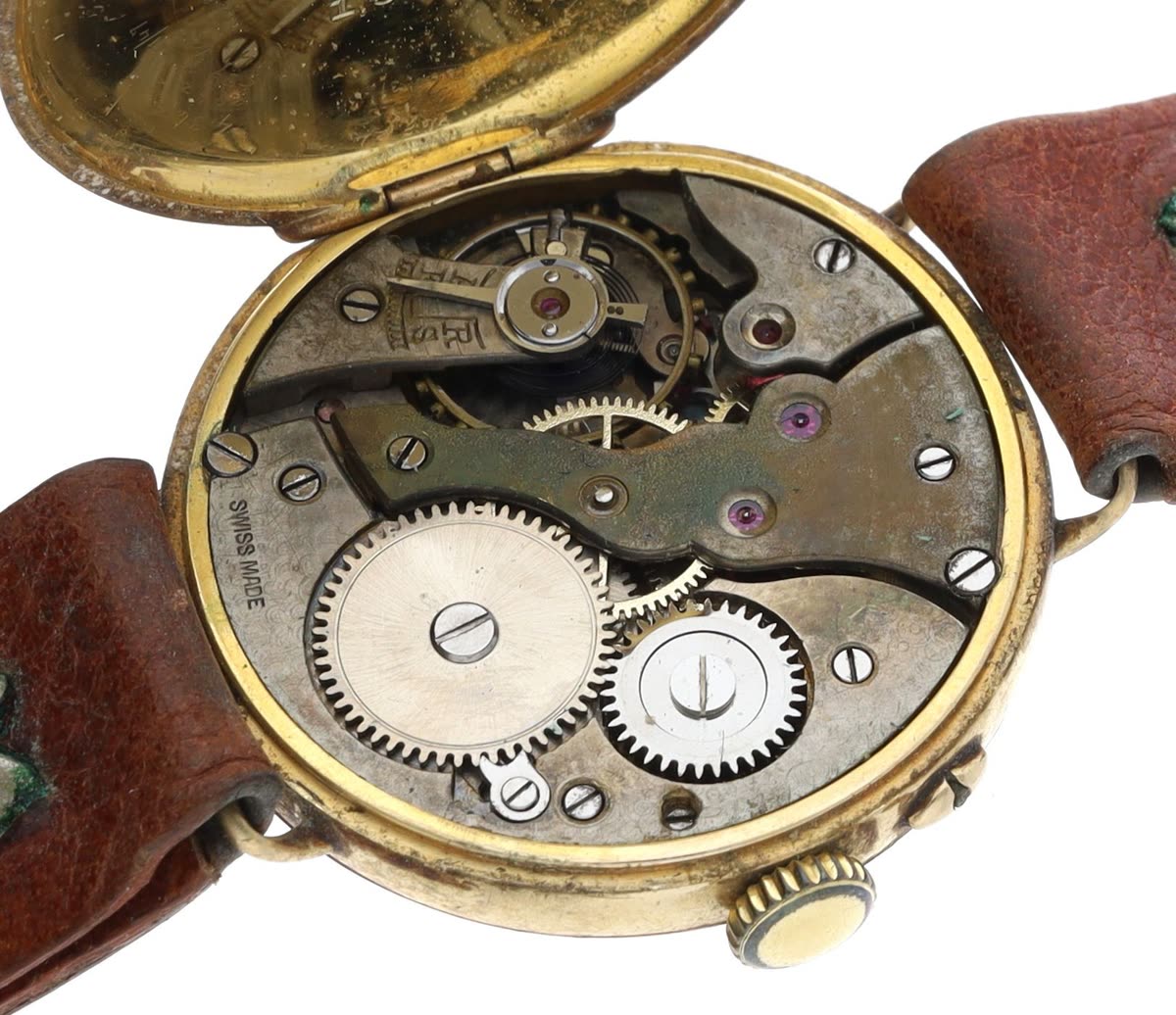
- Case back and movement layout otherwise identical to contemporary pocket watches
Terminology
- Wire lug — a soldered wire loop lug, the earliest wrist-carrying fitting
- Integral lug — the later, case-band-forged lug design that superseded wire lugs
Known variations
- Civilian wire-lug conversion
- Military wire-lug watch with crystal guard
- Ladies' wire-lug wristlet
Pocket-watch ancestry
Wire-lug construction is the literal physical junction between the pocket watch and the wristwatch: the same case and movement as a pocket watch, with lugs added rather than any part of the watch redesigned, making this category the clearest surviving evidence of the wristwatch's origin as a modified pocket watch.
Collecting notes
The broadest and earliest category of wristwatch collecting; because wire lugs are simple to add or replace, collectors weigh case-metal and dial originality carefully, and later-added wire lugs on an unrelated pocket watch case are a recognised risk distinct from genuine period conversions.
Background
Wire-lug wristwatches consist of open-face cases fitted with fixed loops of wire soldered to the sides to secure a leather strap. Manufacturers created these timepieces by placing savonnette movements into open-face Lépine cases to ensure the seconds sub-dial correctly appeared at the 6 o'clock position. While some early examples existed, these watches remained primarily a tool for military officers rather than a civilian fashion item before the First World War. The design avoided the long pendants typically associated with pocket watches to maintain a profile suitable for the wrist.
Written from the sources listed under Sources (makers, museums, auction houses and specialist publications are paraphrased, not reproduced); each statement was checked against the cited text, and claims a maker makes about its own work are attributed to it.
Defining features
- Movements derived from savonnette pocket watches were used to align the winding crown at the 3 o'clock position.
Later development
- The Anglo-Swiss company Dimier Brothers registered a design for such watches in 1903, providing early documentary evidence of their production.
- According to Vintage Watch Straps, reputable manufacturers like IWC and Omega produced purpose-made wire-lug wristwatches well before the start of the First World War.
- Rapid army expansion during the First World War created a surge in demand that forced the emergency conversion of ladies' fob watches into men's wristwatches.
Where sources differ
- Definition. This record gives: “A construction-defined category covering any early wristwatch, military or civilian, in which the strap lugs are simple soldered wire loops rather than lugs integrated into the case band, marking the earliest and least redesigned stage of pocket-to-wrist conversion”. Vintage Watch Straps holds that purpose-made wire-lug wristwatches were assembled from specialised components rather than converted from pocket watches; conversions of ladies' fob watches came with the wartime surge in demand.
Photographs
![Question] What are your thoughts on wire lugs? : r/Watches](/__l5e/assets-v1/c17a1bc1-7e56-4892-ace3-ae0d9e195118/question-what-are-your-thoughts-on-wire-lugs-r-watches.jpg)
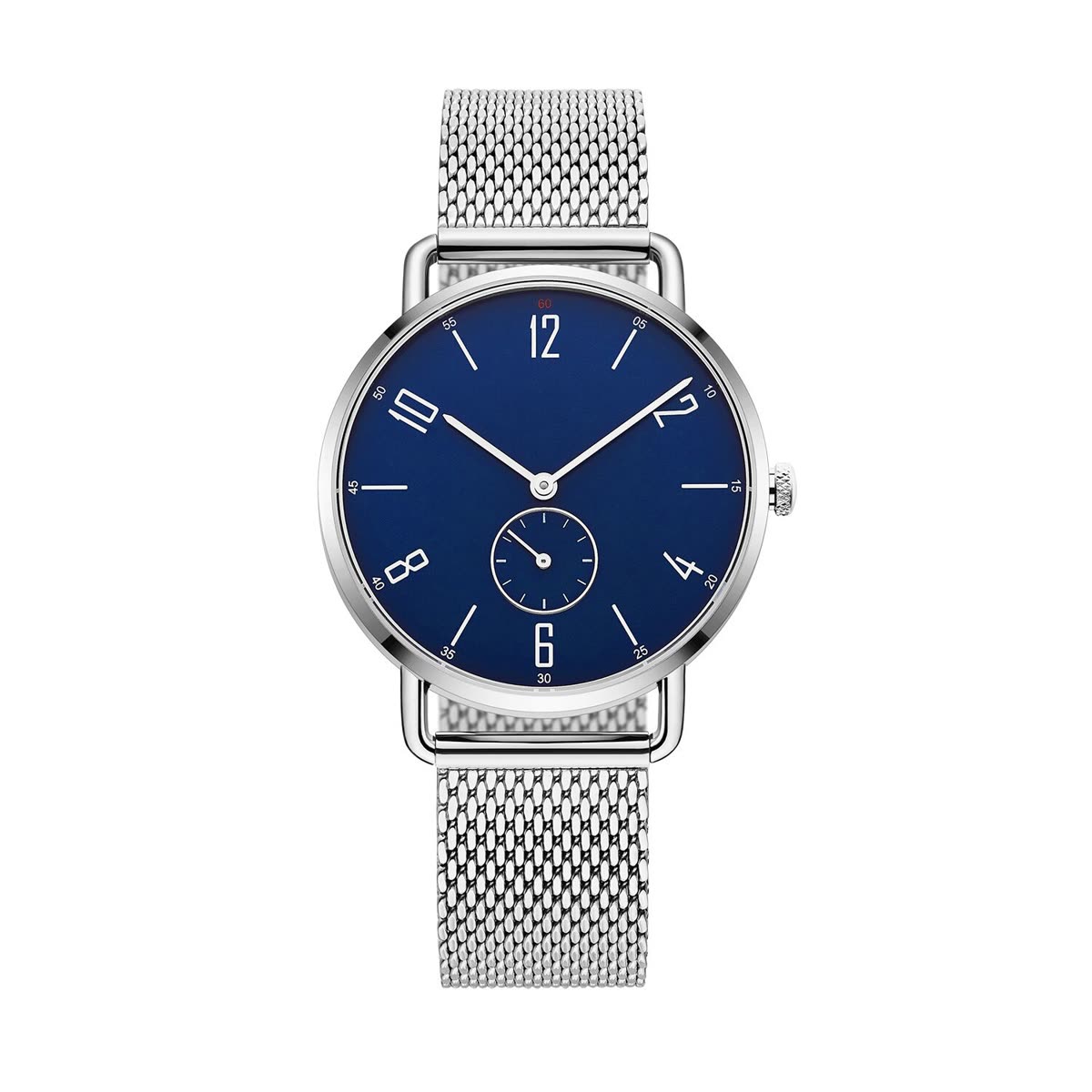
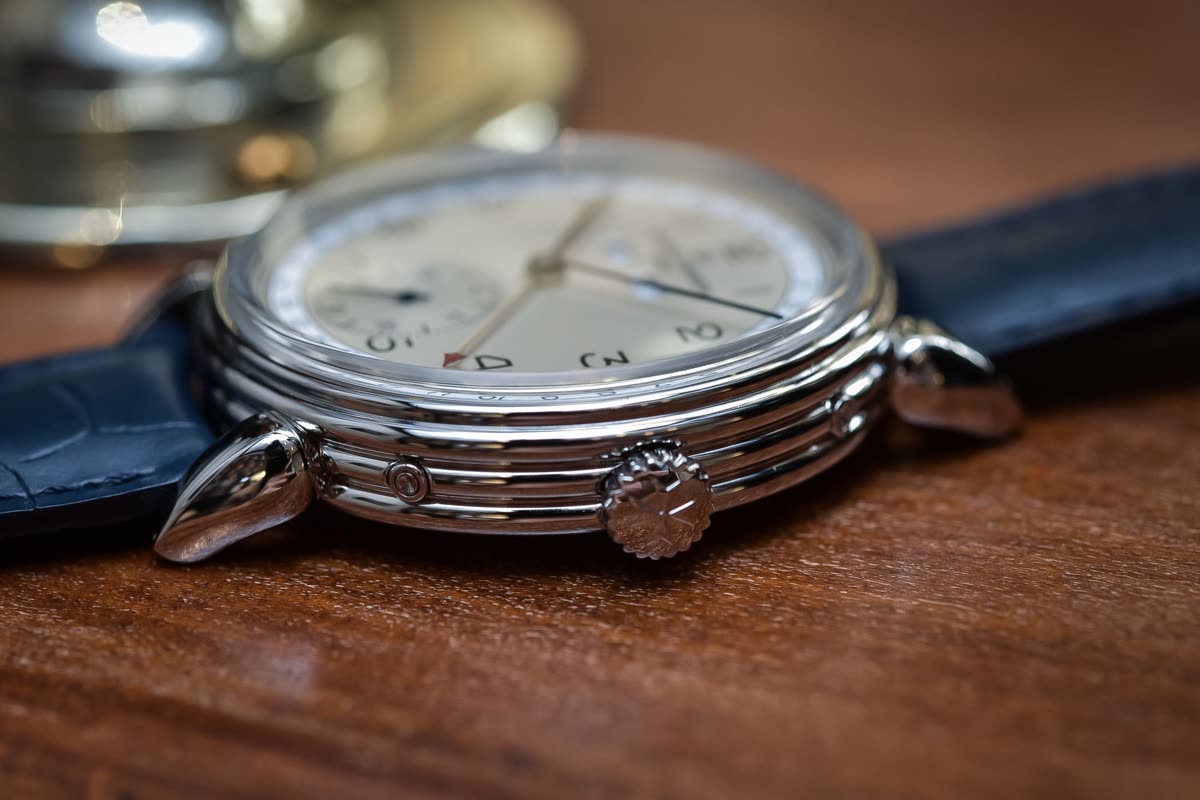
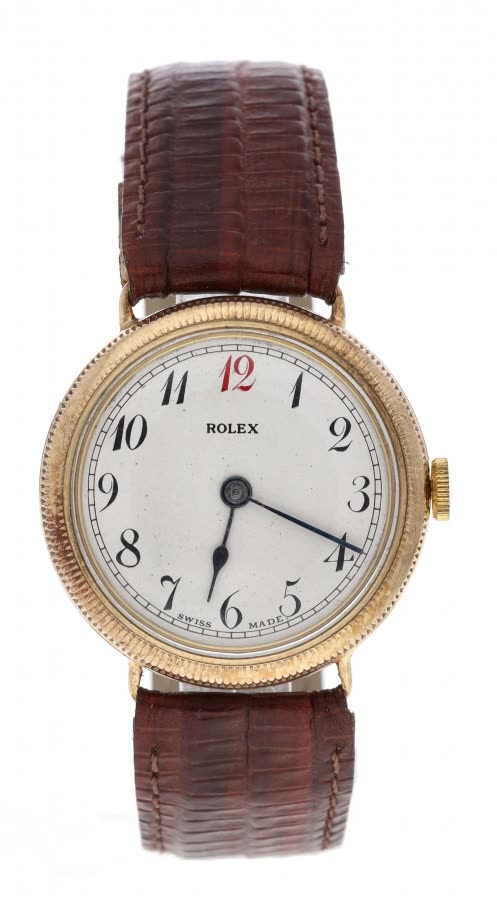
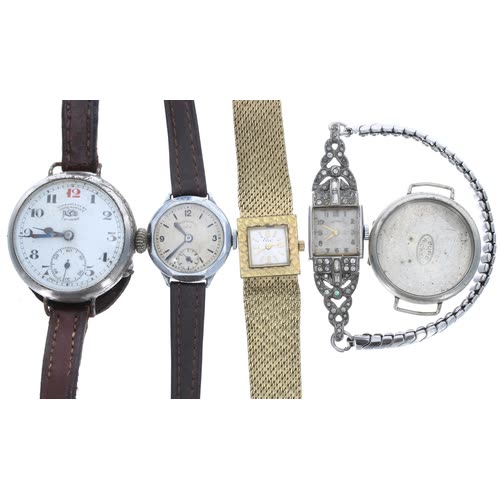
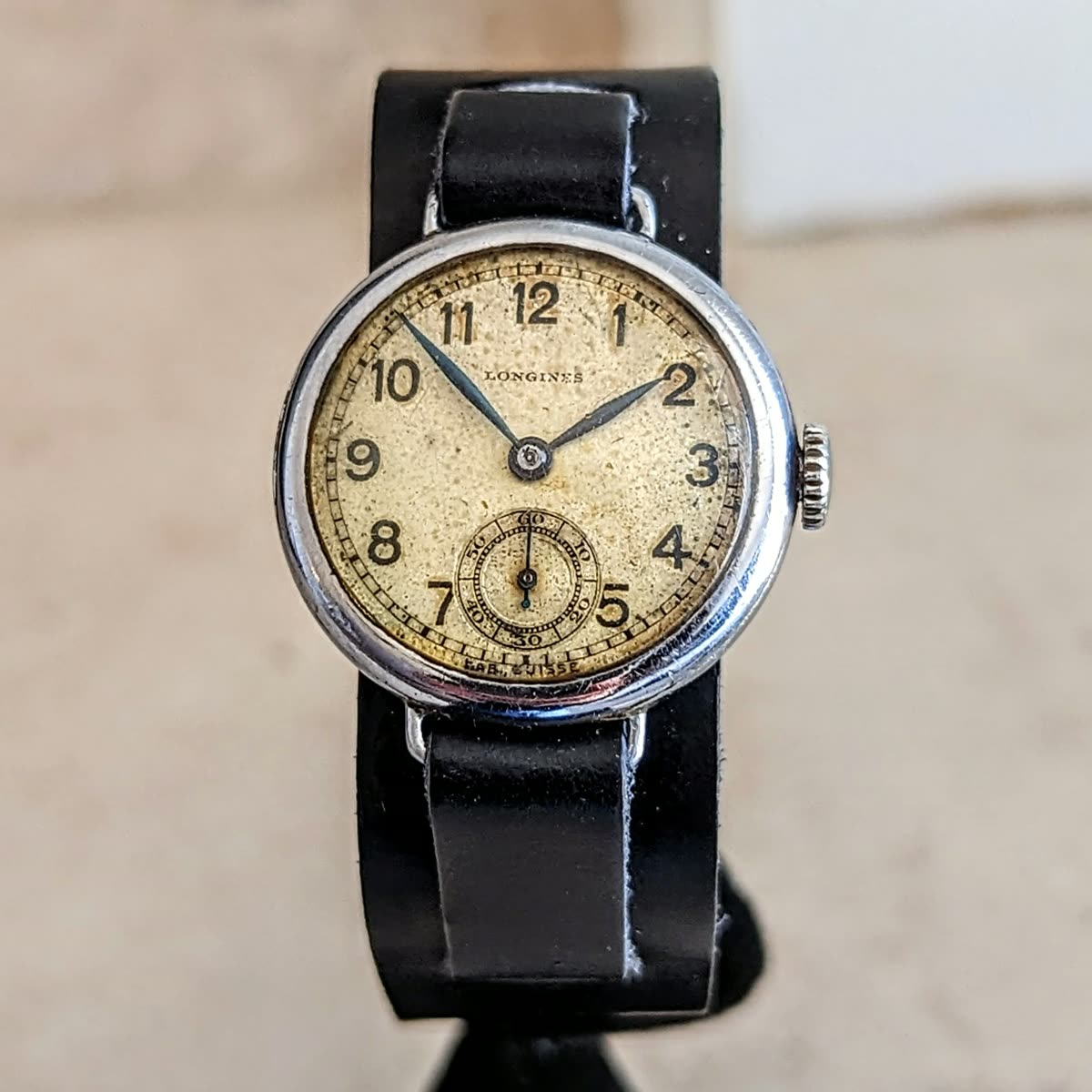
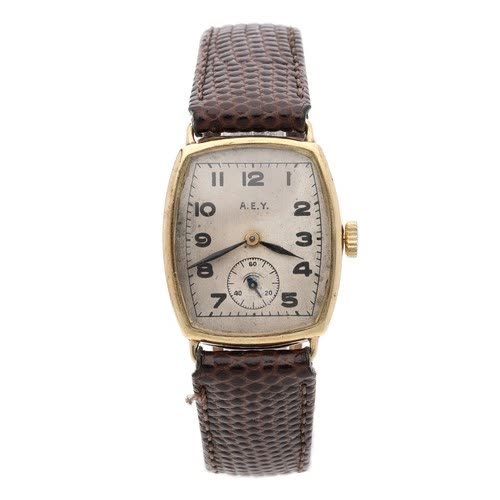
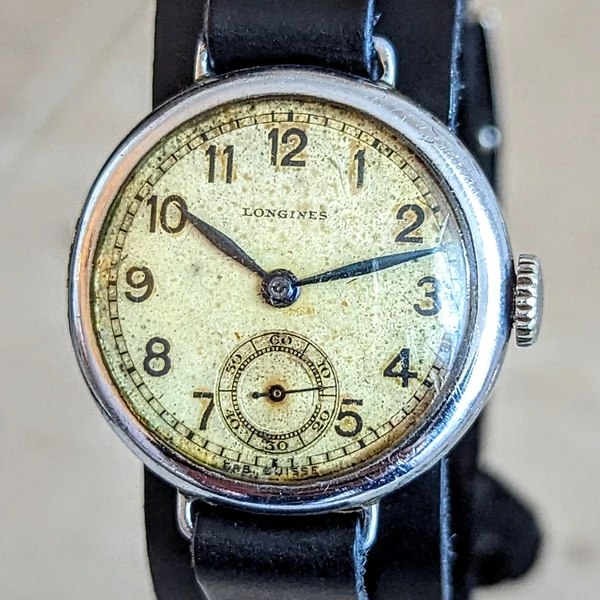
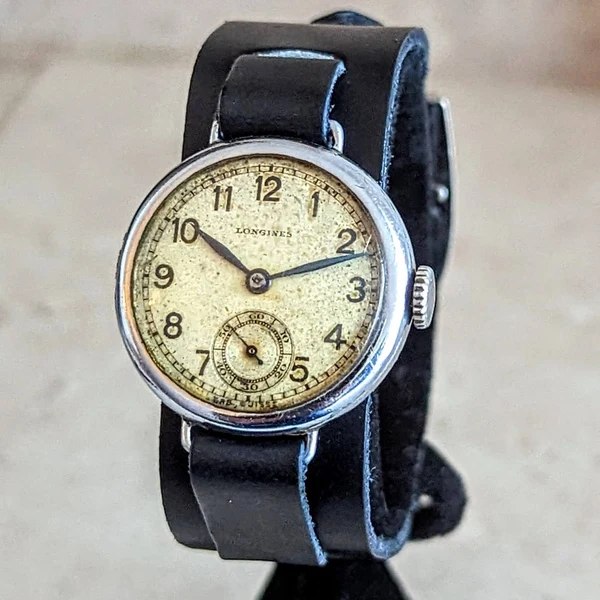
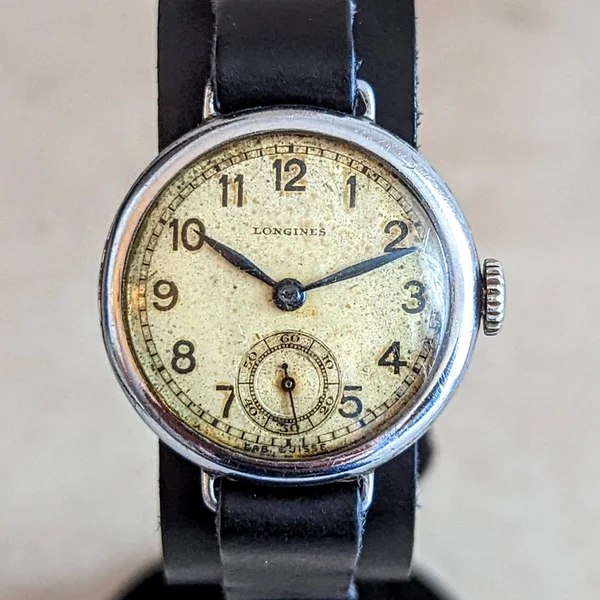
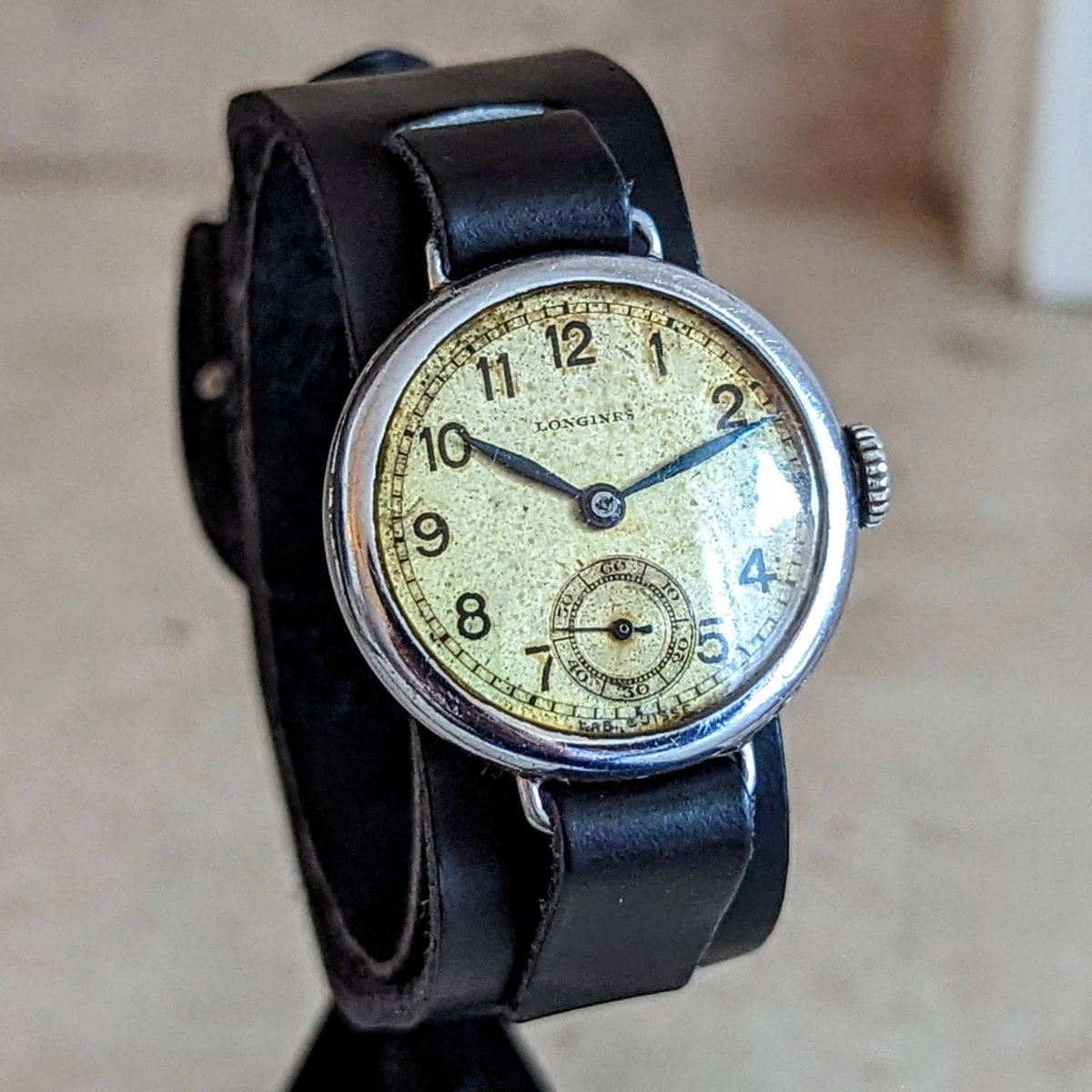
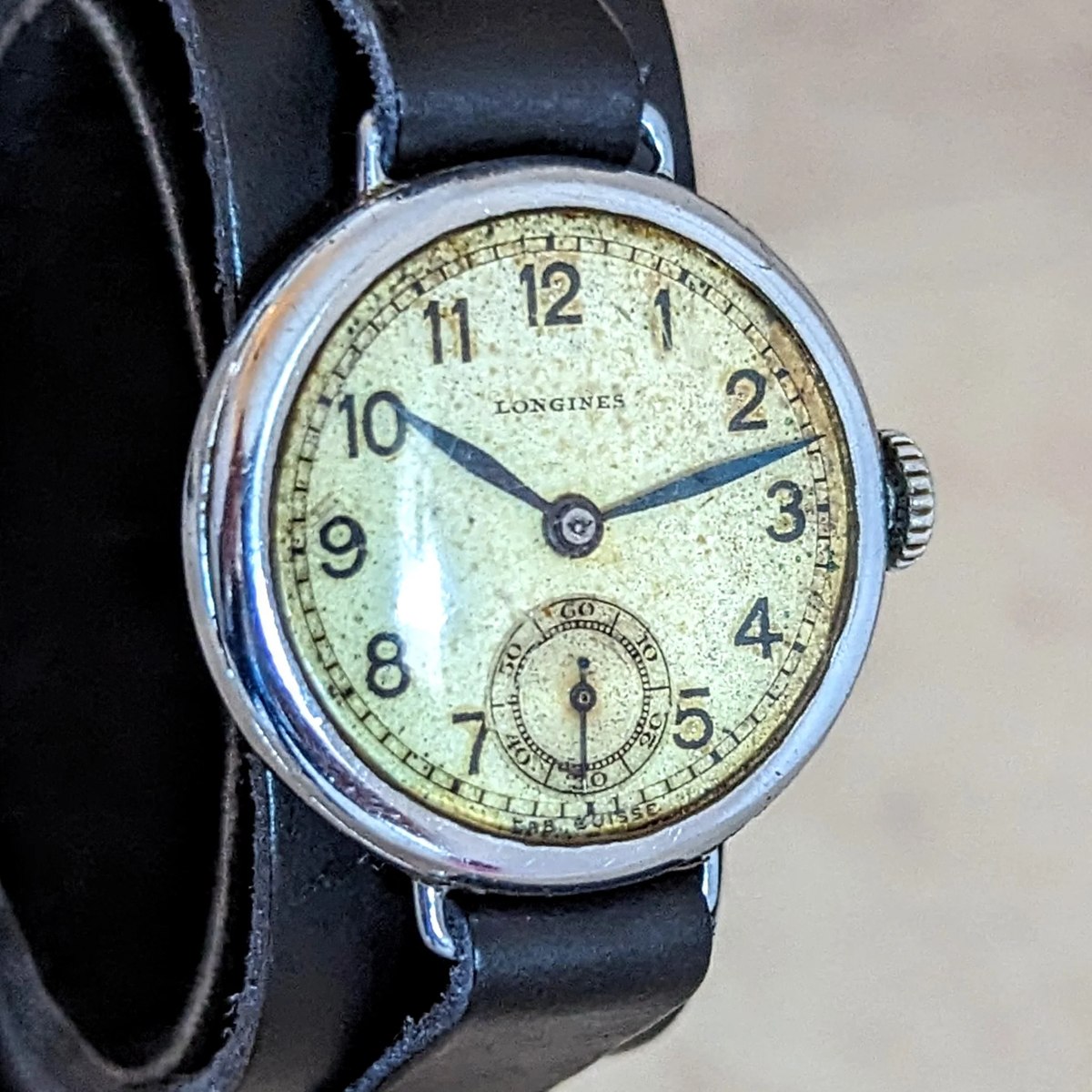
Photographs are illustrative examples of the type, not necessarily the exact object described. Verify details against the source file page.
Sources & references
- The first men's wristwatches, Vintage Watch Straps, retrieved 2026-10-30 (paraphrased; text © the publisher)
- Converted wristwatches, Vintage Watch Straps, retrieved 2026-10-30 (paraphrased; text © the publisher)
- Anatomy of a trench watch, Vintage Watch Straps, retrieved 2026-10-30 (paraphrased; text © the publisher)
- Cutmore, M., Watches 1850–1980
Where sources disagree, the disagreement is stated rather than resolved silently.