
Germany · 1990 (digital Mega 1); 1991 (analogue Mega)
The Radio-Controlled Wristwatch
VerifiedRadio control keeps an everyday watch set to the national atomic time standard without the wearer ever adjusting it.
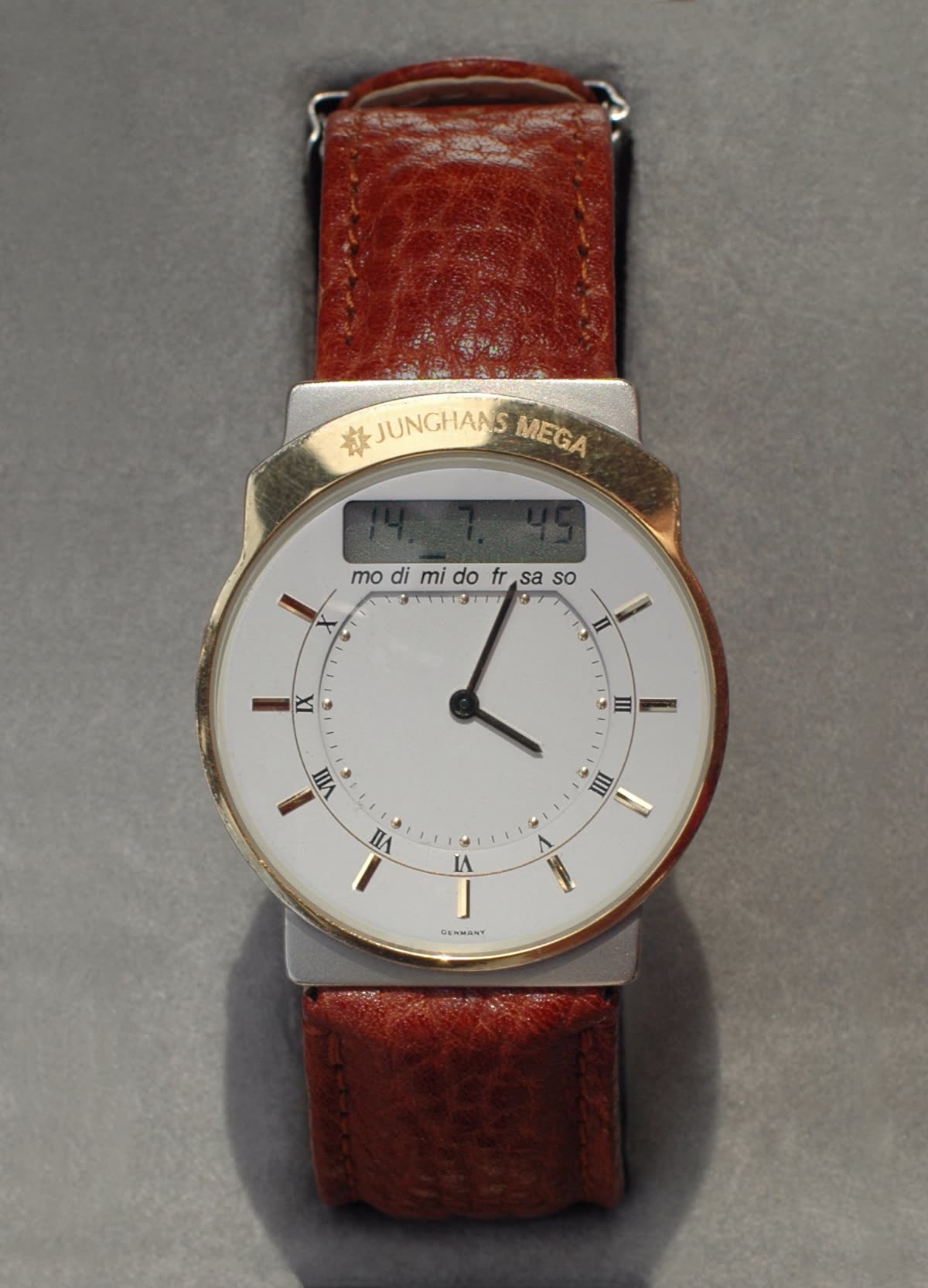
Junghans's Mega 1 of 1990, a digital quartz watch with its antenna in the strap, was the first wristwatch set automatically by a radio time signal; the analogue Mega, with hands, followed in 1991.
Background
The Junghans Mega 1, introduced in 1990 by German watchmaker Junghans, is described by the Royal Museums Greenwich as the world's first radio-controlled wristwatch. This technology was miniaturized from earlier radio-controlled table clocks, which Junghans had first brought to market in 1985. To receive time signals, an antenna is integrated into the watch strap, allowing the device to capture the long-wave DCF77 time signal transmitted from Mainflingen, Germany.
The signal originates from atomic clocks at the Physikalisch-Technische Bundesanstalt in Braunschweig, ensuring high precision in timekeeping. When the watch cannot receive the radio transmission, the mechanism functions as a standard quartz watch.
Written from the sources listed under Sources (makers, museums, auction houses and specialist publications are paraphrased, not reproduced); each statement was checked against the cited text, and claims a maker makes about its own work are attributed to it.
How it works
- The Mega 1 watch case was designed by Frog Design Inc.
- The analog Mega version released in 1991 uses a w605 type movement with a 32 kHz quartz time base and a light barrier for control of the hand positions.
- Power is provided to the movement by a lithium metal button cell battery with a nominal voltage of 3V.
- The Mega model features a perpetual calendar, an internal time memory, and a dedicated transmitter call button.
Later history
- A specialized radio-controlled watch for women was introduced by the manufacturer in 1994.
Impact on watchmaking
- Junghans — The maker of the Mega 1 and Mega.
- Science Museum — Holds a Mega 1 of 1990 with its original packing (object 1991-8).
- Royal Museums Greenwich — Holds a Mega 1 (ZAA0741) in its timekeeping collection.
How to verify this yourself
Check the cited museum record or maker's archive first; for patented work, confirm the number and date from the specification itself (Espacenet covers most European, US and Japanese patents) rather than from secondary retellings.
Manufacturers known to have used it
- Junghans
- Later Japanese and European quartz-watch makers
Related photographs
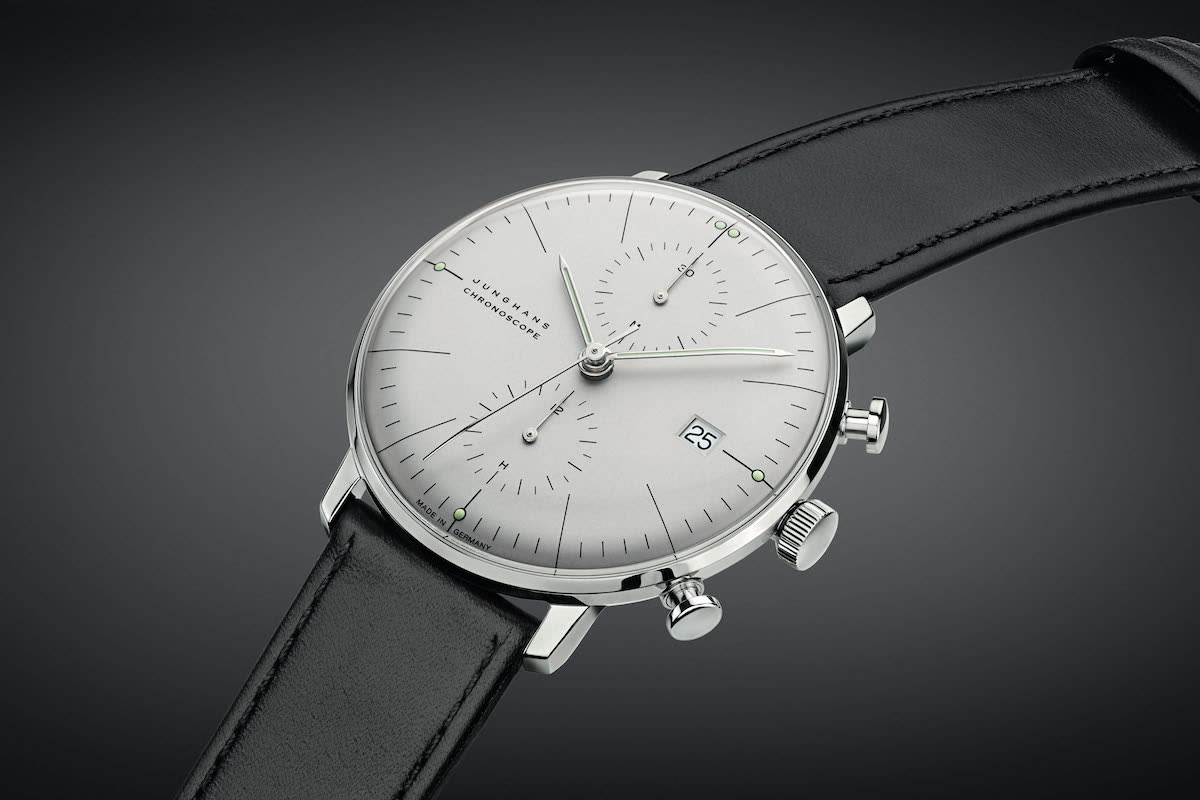
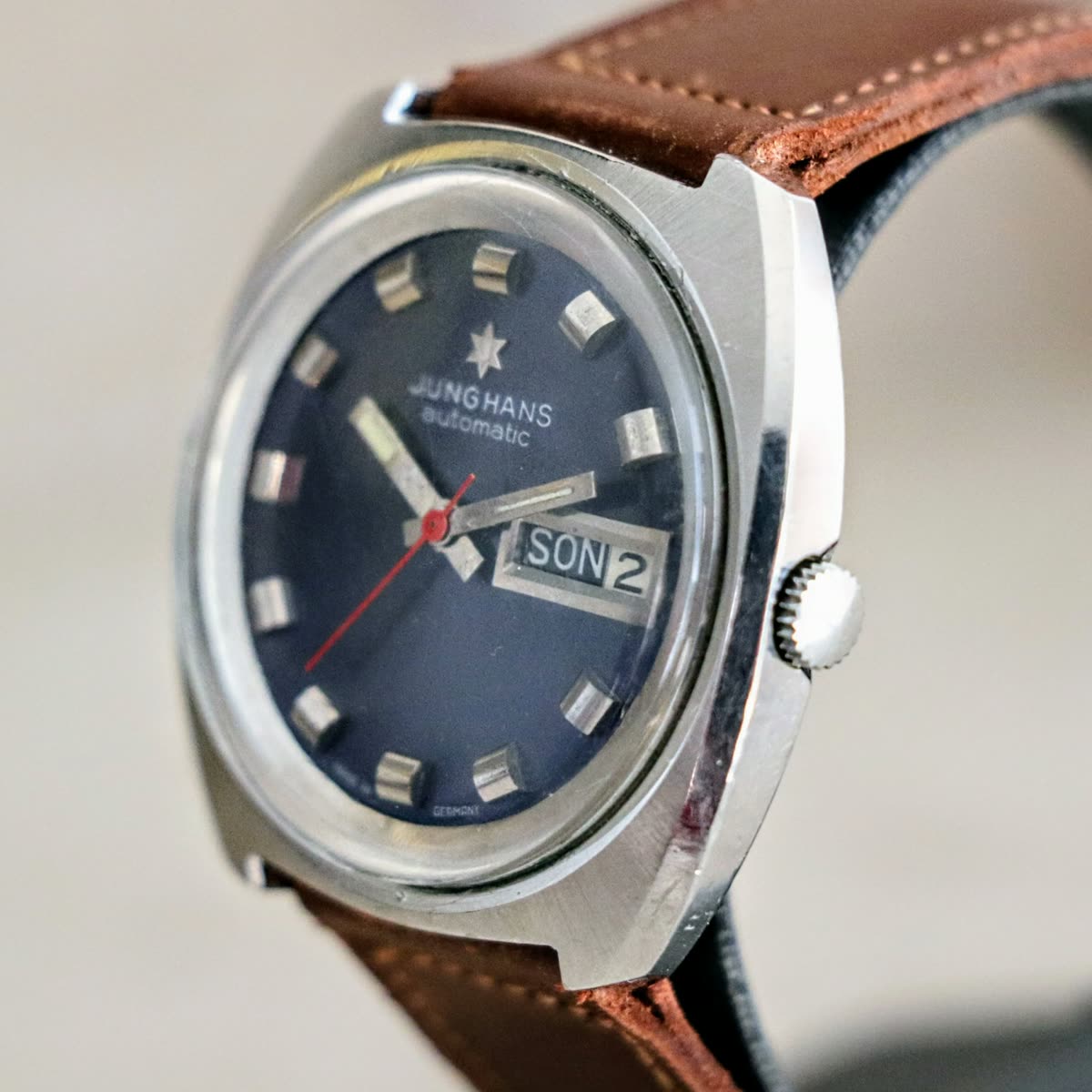
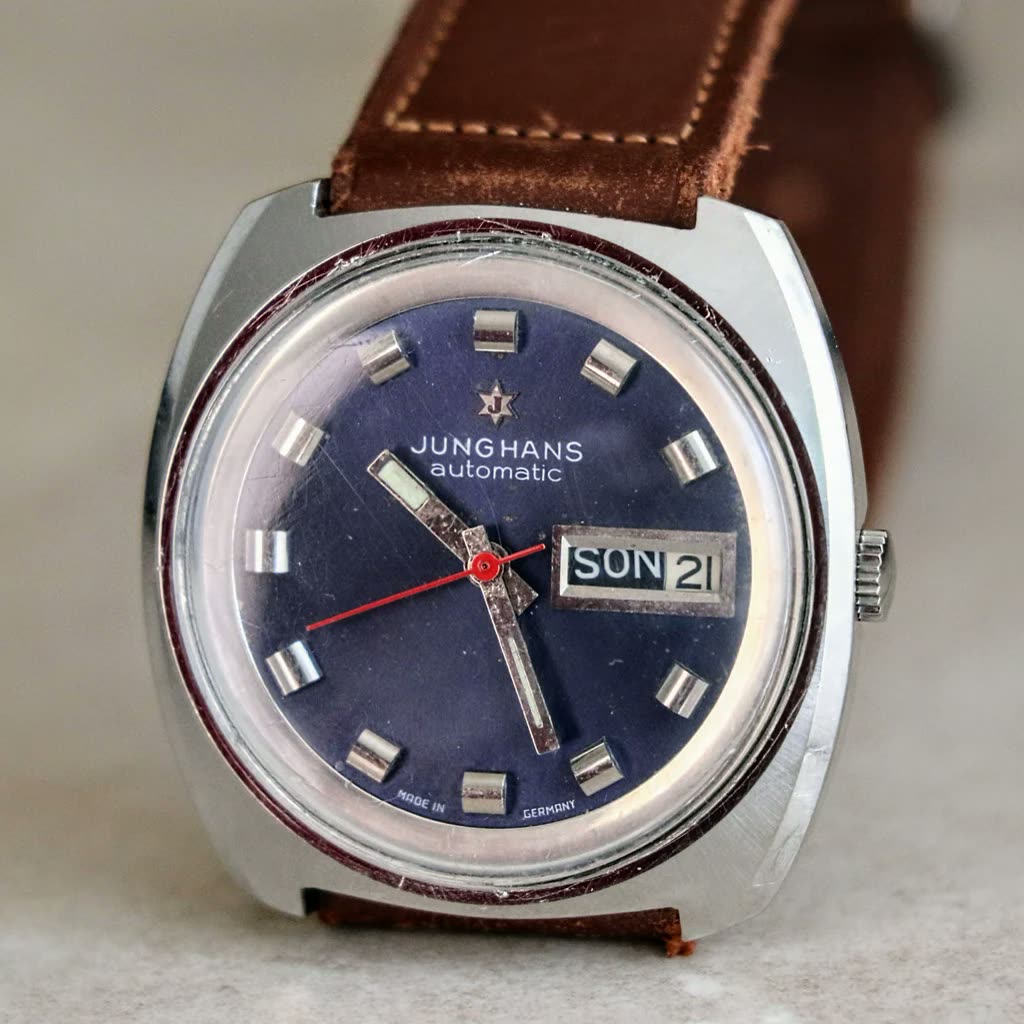
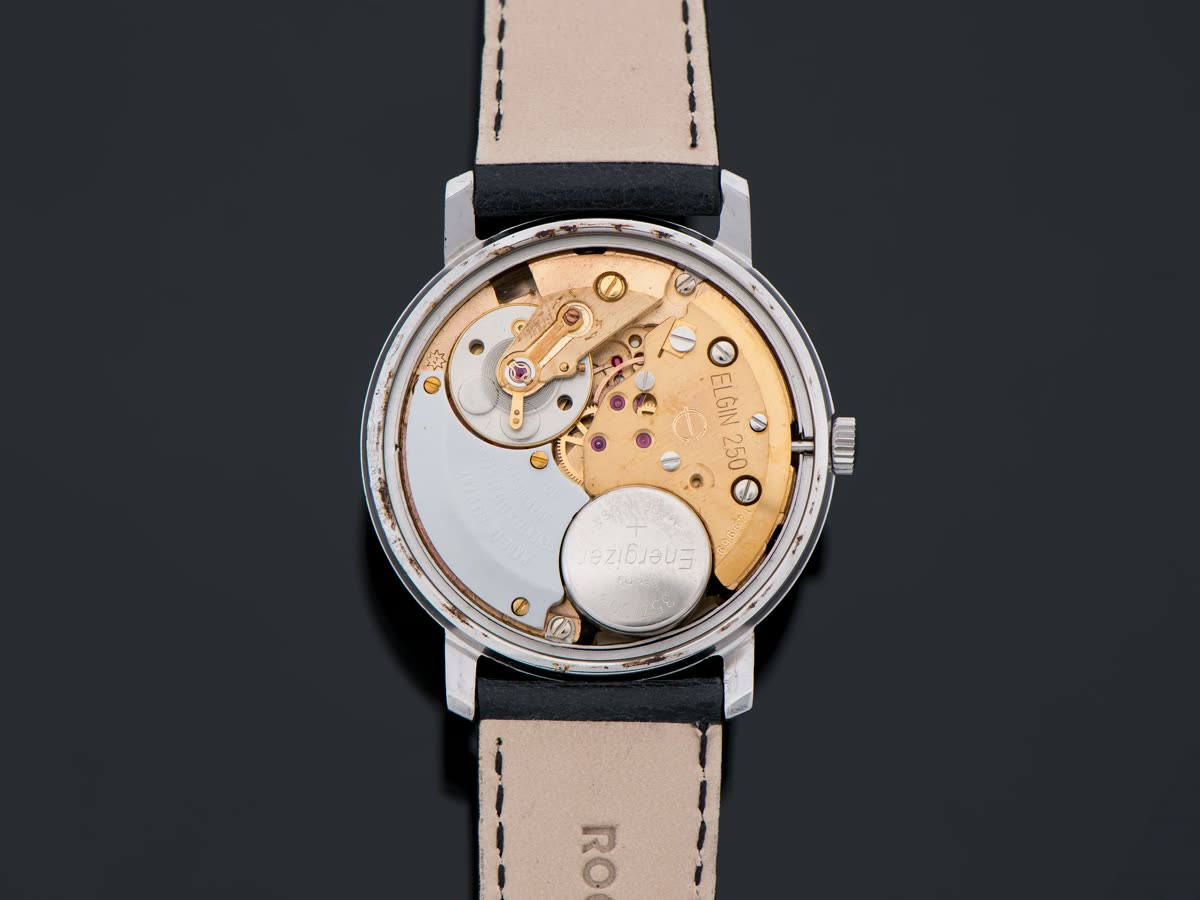
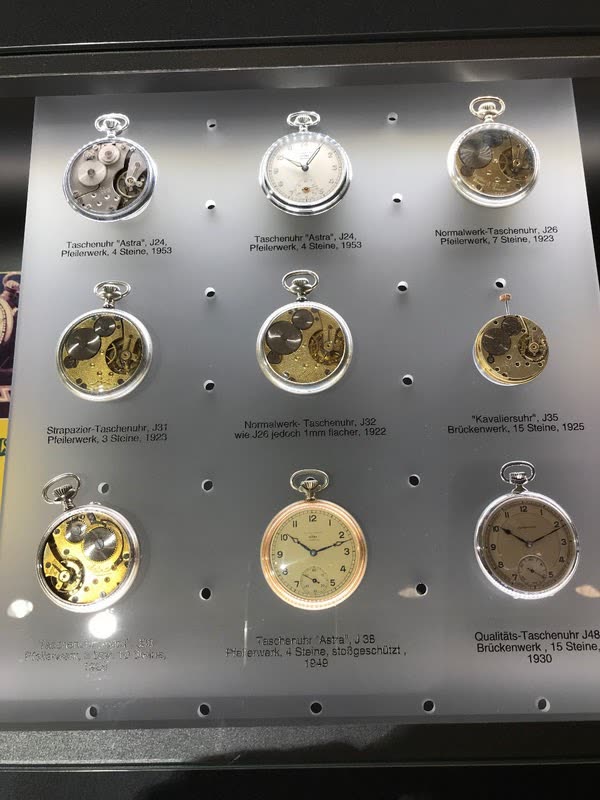
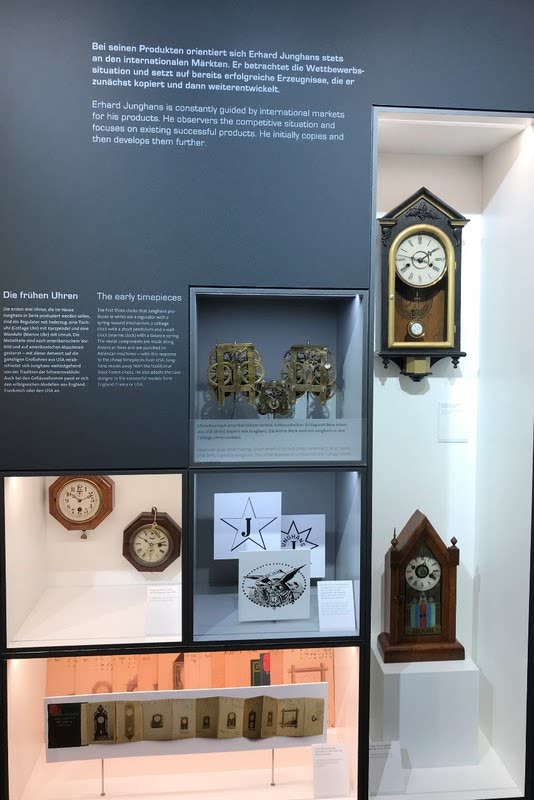
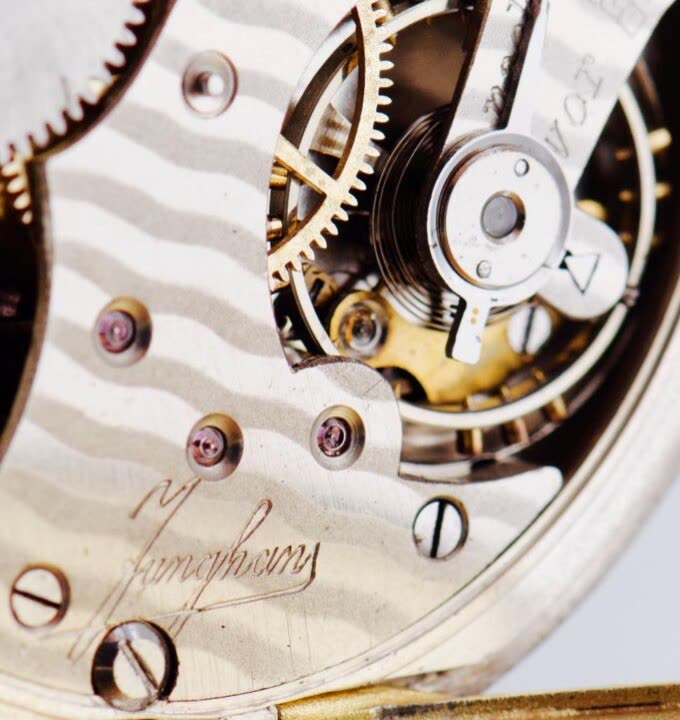
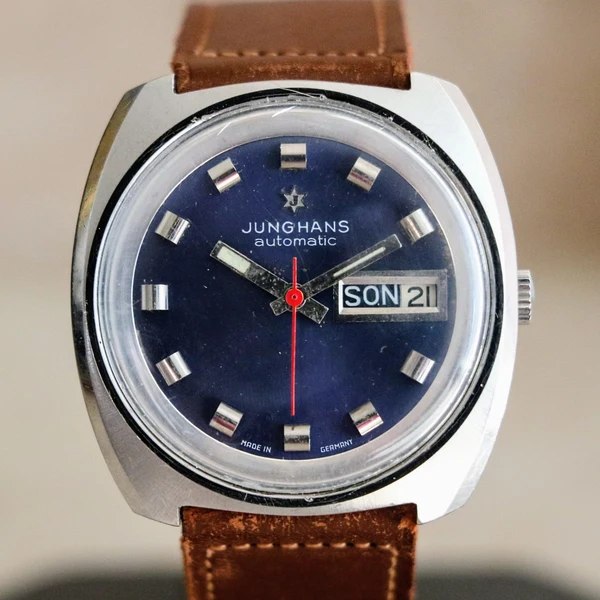
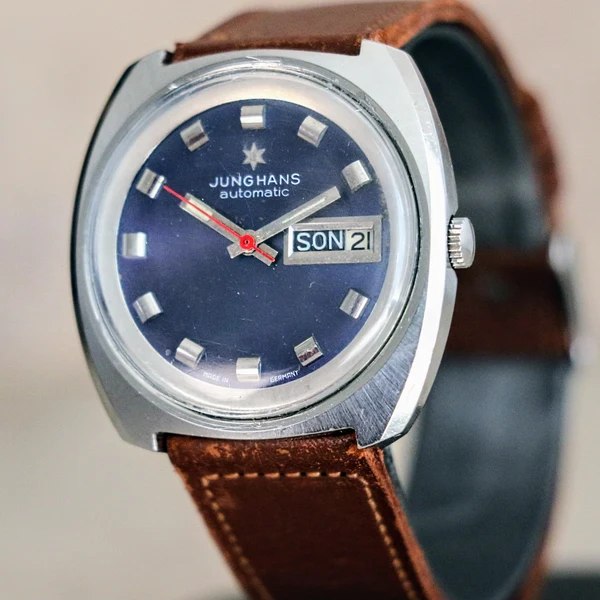
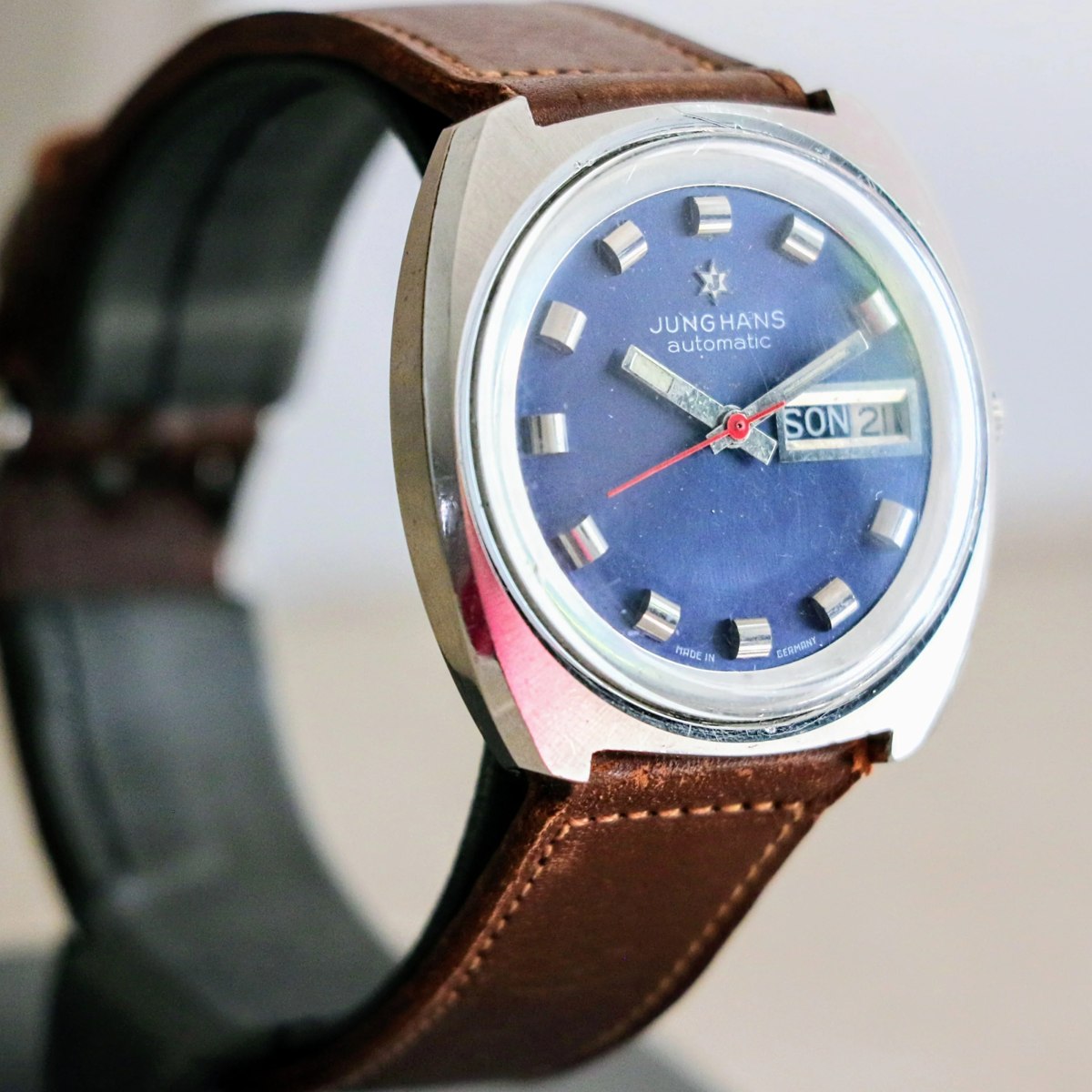
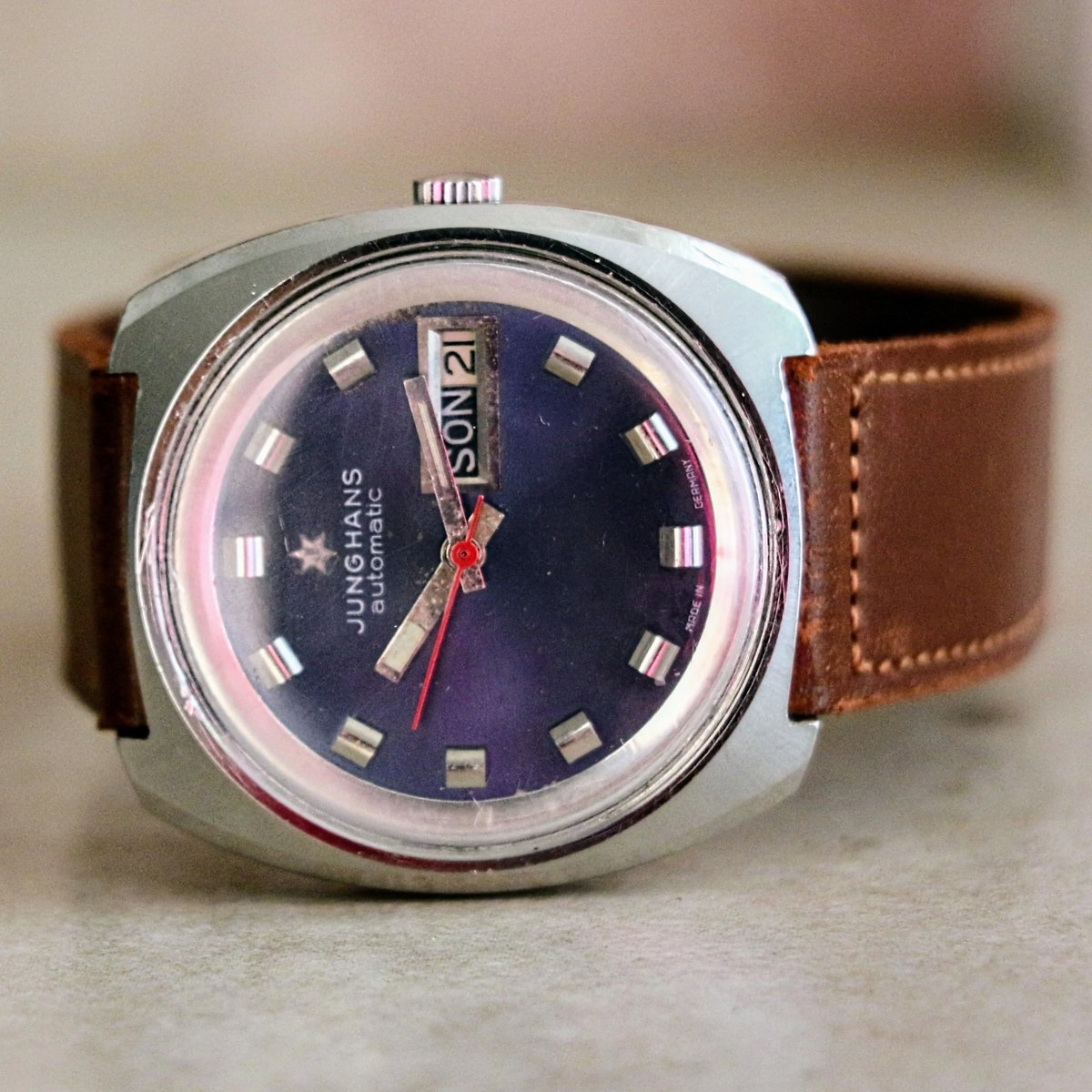
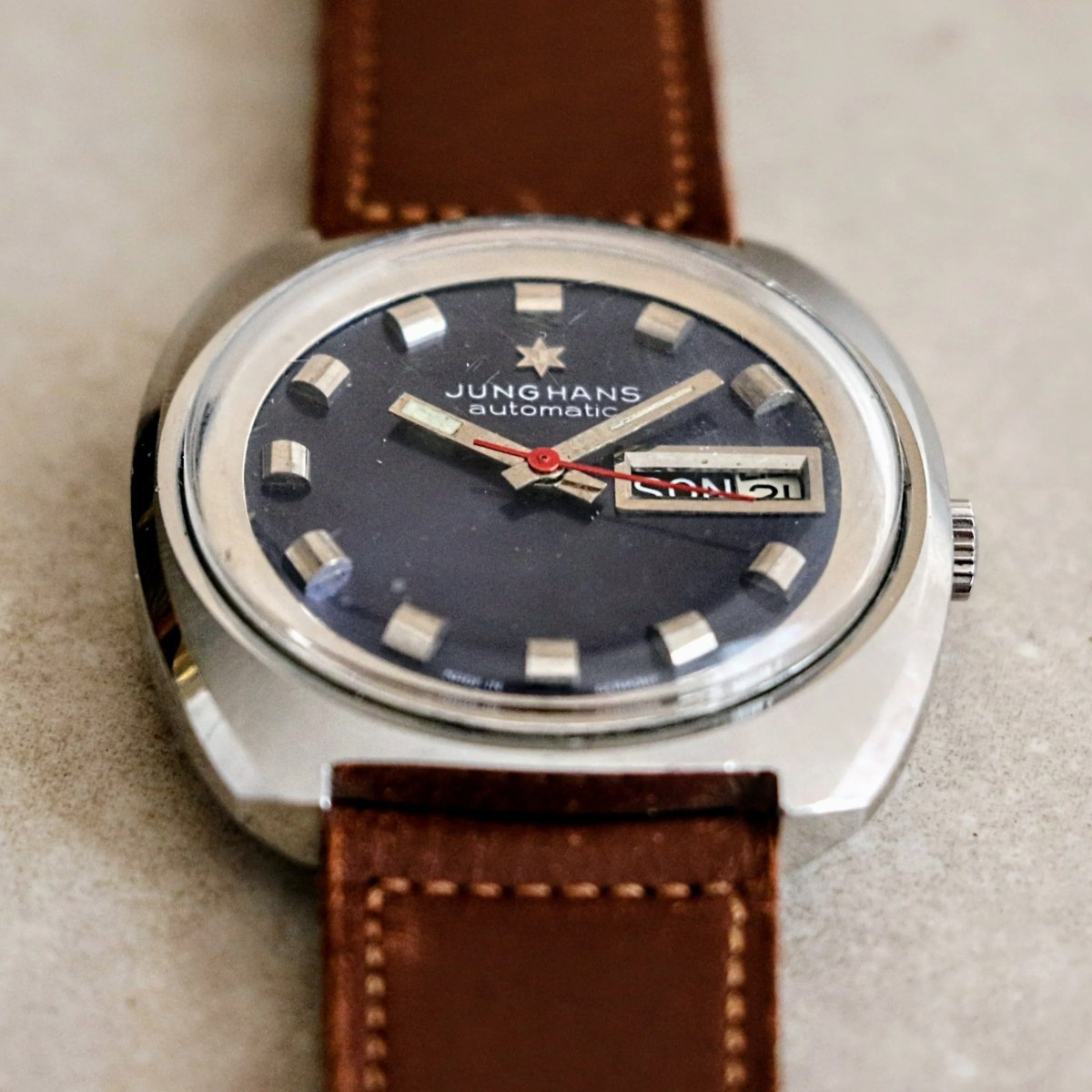
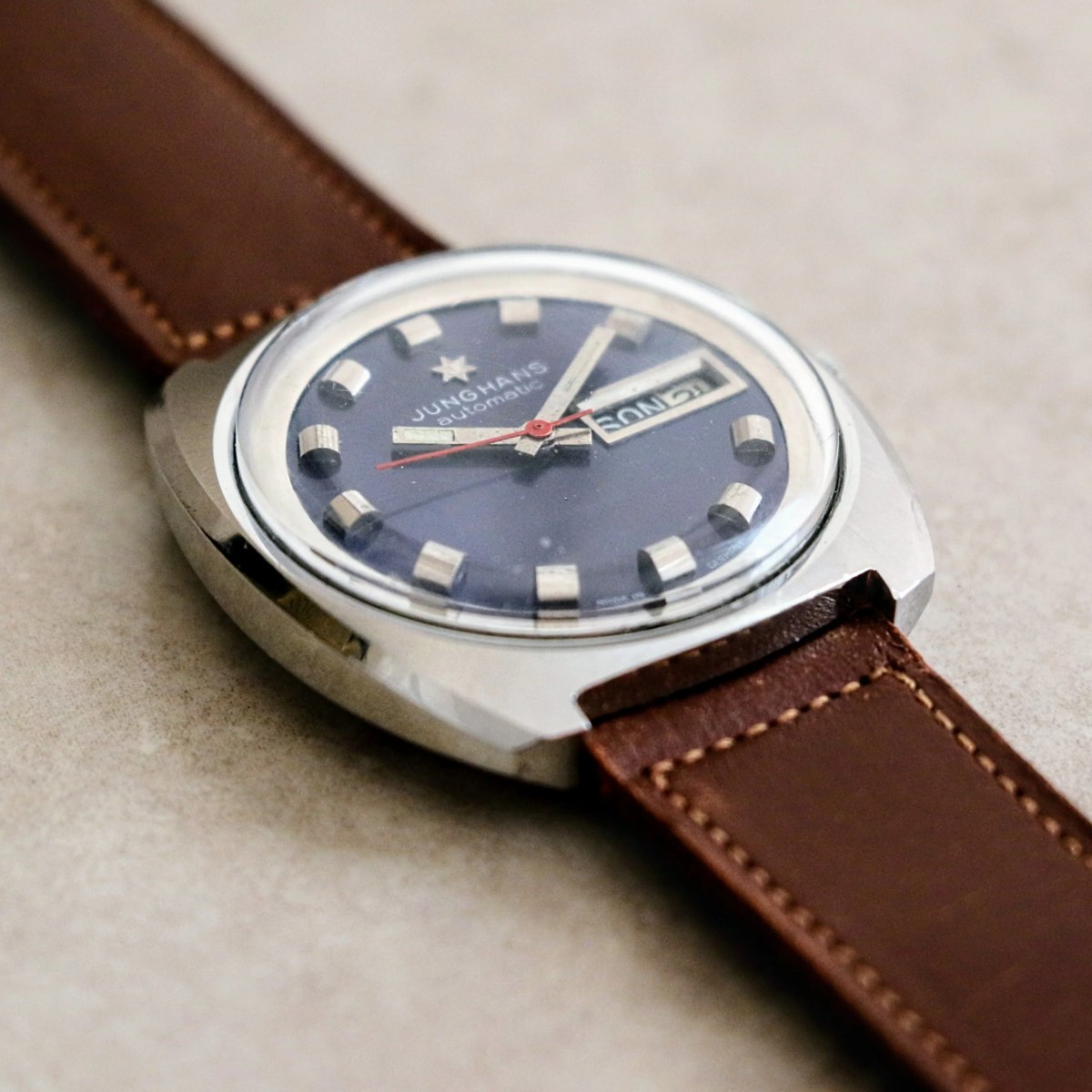
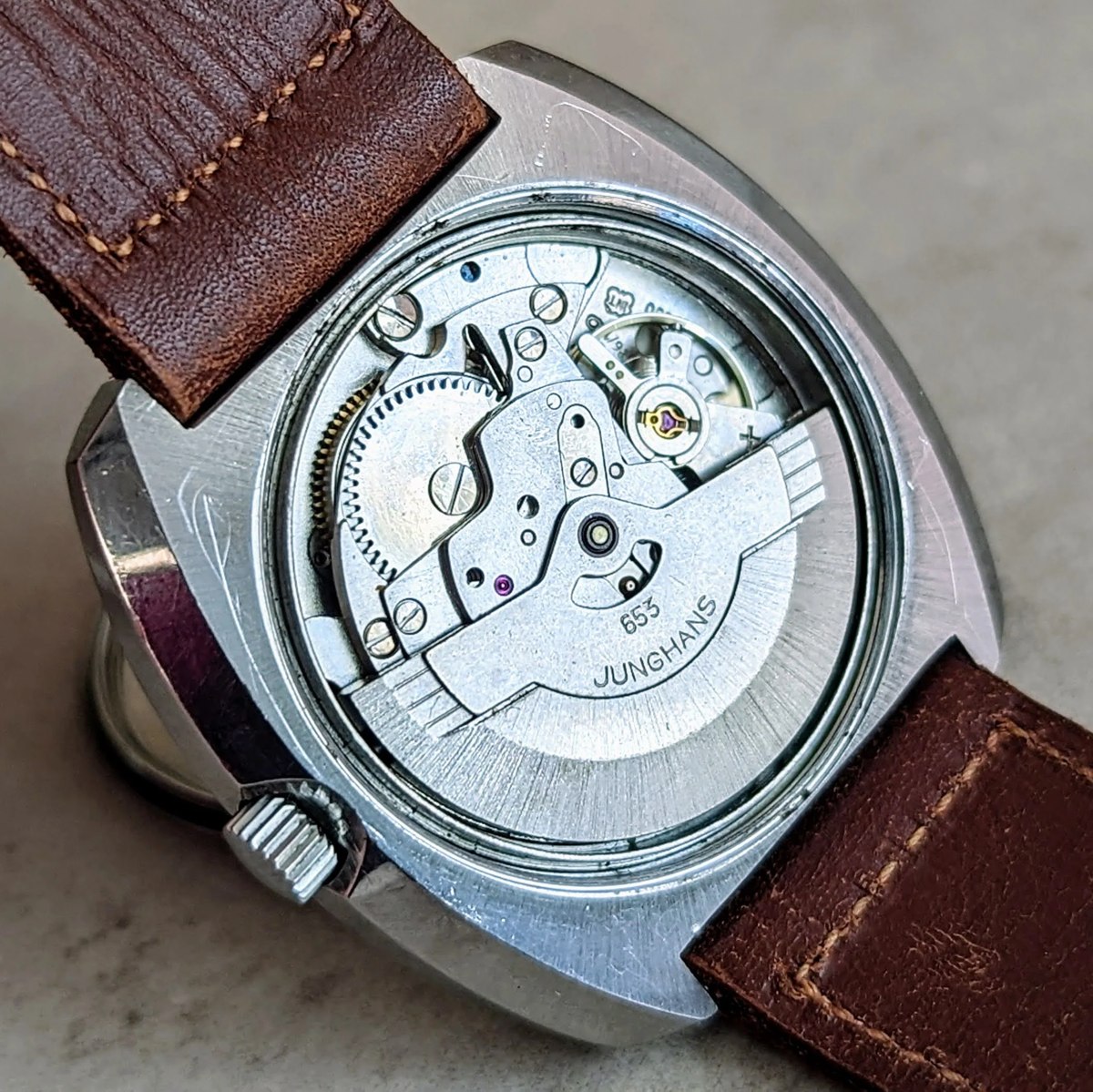
No confidently matched photograph of this subject has been found yet. These photographs show a closely related record, and are not examples of the type described on this page.
Sources & references
- Junghans Mega, Wikipedia (English), retrieved 2026-11-02 (text CC BY-SA 4.0)
- Radio clock, Wikipedia (English), retrieved 2026-11-02 (text CC BY-SA 4.0)
- Junghans 'Mega 1' radio-controlled wristwatch, 1990, Science Museum Group, retrieved 2026-11-02 (paraphrased; text © the publisher)
- Mega 1, Royal Museums Greenwich, retrieved 2026-11-02 (paraphrased; text © the publisher)
- Science Museum Group, Junghans 'Mega 1' radio-controlled wristwatch, 1990
- Royal Museums Greenwich, Mega 1 (ZAA0741)
- Wikipedia, Junghans Mega; Radio clock (revisions cited below)
Where sources disagree, the disagreement is stated rather than resolved silently.