
England · Patent no. 371, 1704 (sources differ on the year; see below)
Jewel Bearings
Partially verifiedJewelled pivots cut friction and wear at the fastest-turning arbors, and once synthetic stones made them cheap they became standard in mechanical watches, which is why movements are still described by their jewel count.
Fatio and the Debaufres showed watches with jewelled pivots to the Royal Society in March 1705, but failed to have their patent extended to the sole use of stones in clocks and watches. Against the extension, the Clockmakers' Company produced an older watch by Ignatius Huggeford with a large ruby or glass endstone, apparently fraudulently, according to the Science Museum Group's record of the watch.
Background
Jewel bearings were invented by Nicolas Fatio de Duillier, Peter Debaufre, and Jacob Debaufre to improve the accuracy and durability of mechanical watches. The invention addressed the issue of friction and wear in watch pivots by utilizing stones as bearing surfaces for internal moving parts. In the 1690s, Fatio developed a method to pierce a hole in a ruby using a diamond drill, which formed the basis for the invention.
It was later determined that the jewel in the Huggeford watch was purely ornamental rather than a functional bearing surface. While Fatio attempted to commercialize the technology, the method did not gain widespread adoption in Continental Europe until later in the eighteenth century.
Written from the sources listed under Sources (makers, museums, auction houses and specialist publications are paraphrased, not reproduced); each statement was checked against the cited text, and claims a maker makes about its own work are attributed to it.
How it works
- The bearing consists of a torus-shaped hole within a hard stone that is slightly larger than the diameter of the turning spindle.
Later history
- Auguste Verneuil invented a process for creating synthetic corundum in 1902, which significantly reduced the manufacturing cost of jewel bearings.
- During World War II, the United States government classified jewel bearings as a critical component for the war effort.
Where sources differ
- Date. The encyclopedia dates the jewel-bearing patent (no. 371) to 1704, while Sir George White, writing in Antiques & Fine Art, says it was granted on May Day 1703, more than a year before the Clockmakers' Company acquired the Huggeford watch in January 1704/5.
Impact on watchmaking
- The Clockmakers' Museum — Its collection includes the Huggeford watch (Clockmakers' Museum No. 45) that the Company bought in 1704 to fight the patent extension.
- Jewels — What jewel counts mean and where the stones sit in a movement.
How to verify this yourself
Check the cited museum record or maker's archive first; for patented work, confirm the number and date from the specification itself (Espacenet covers most European, US and Japanese patents) rather than from secondary retellings.
Manufacturers known to have used it
- London watchmakers from the early eighteenth century
- Virtually all mechanical watch makers after synthetic corundum (1902)
Related photographs
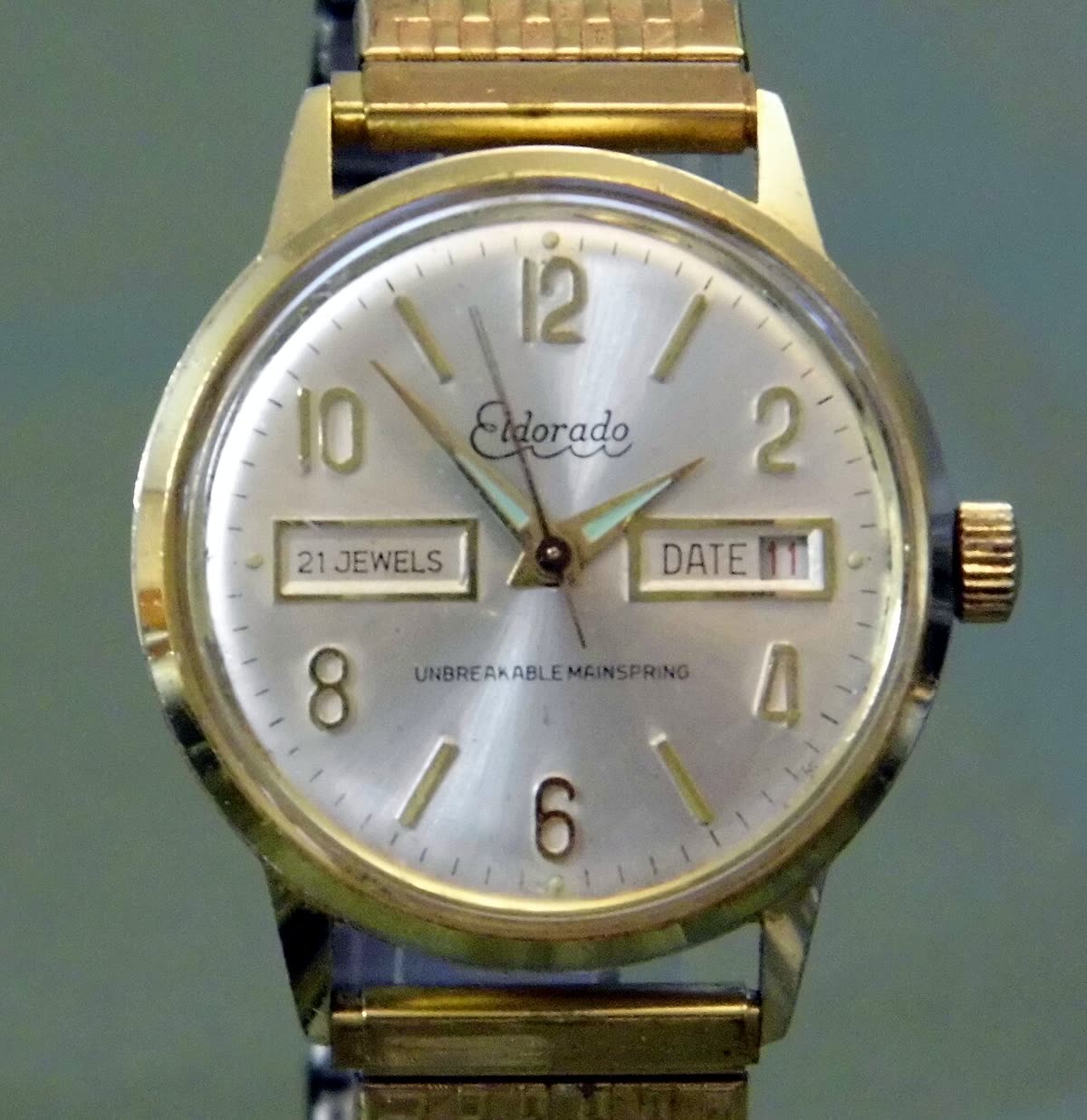
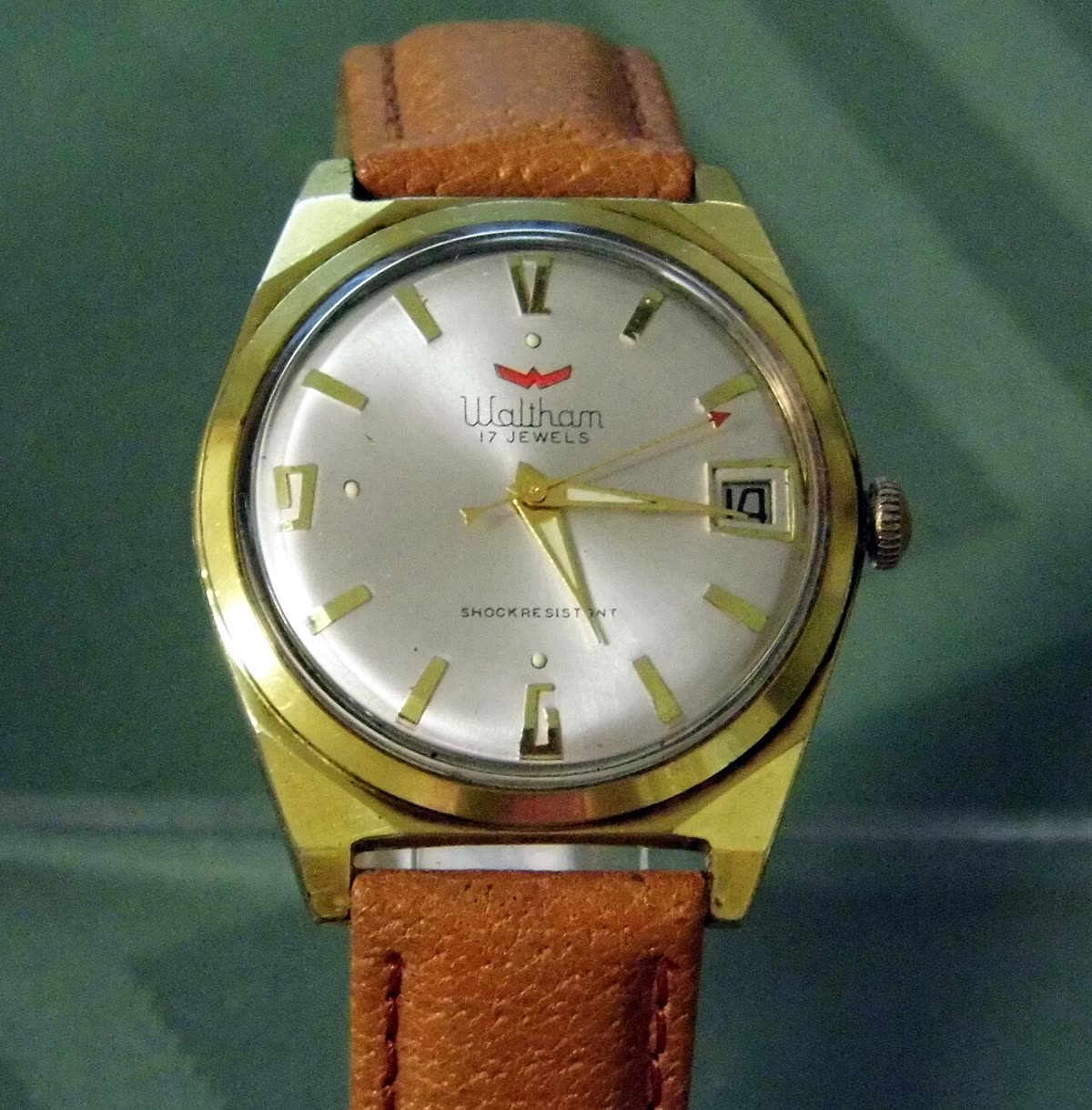
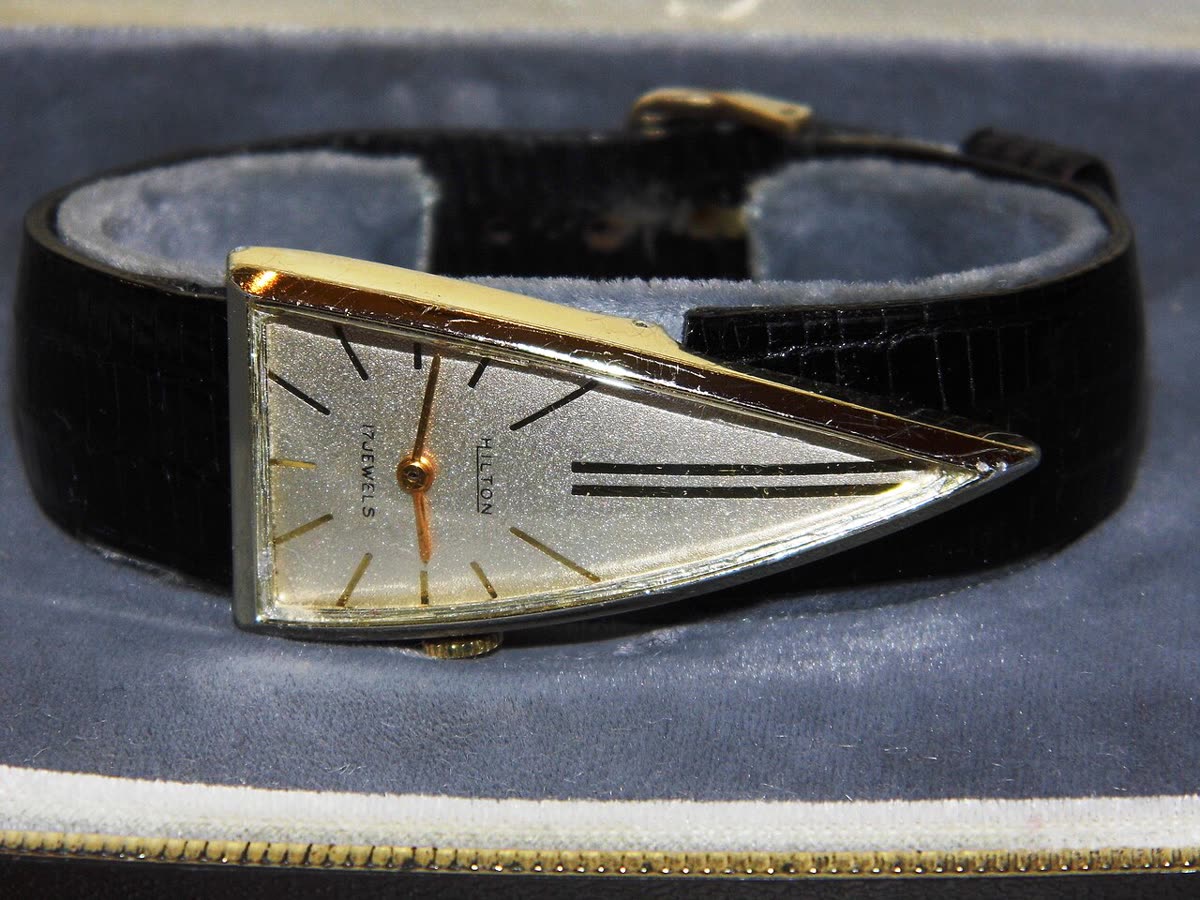
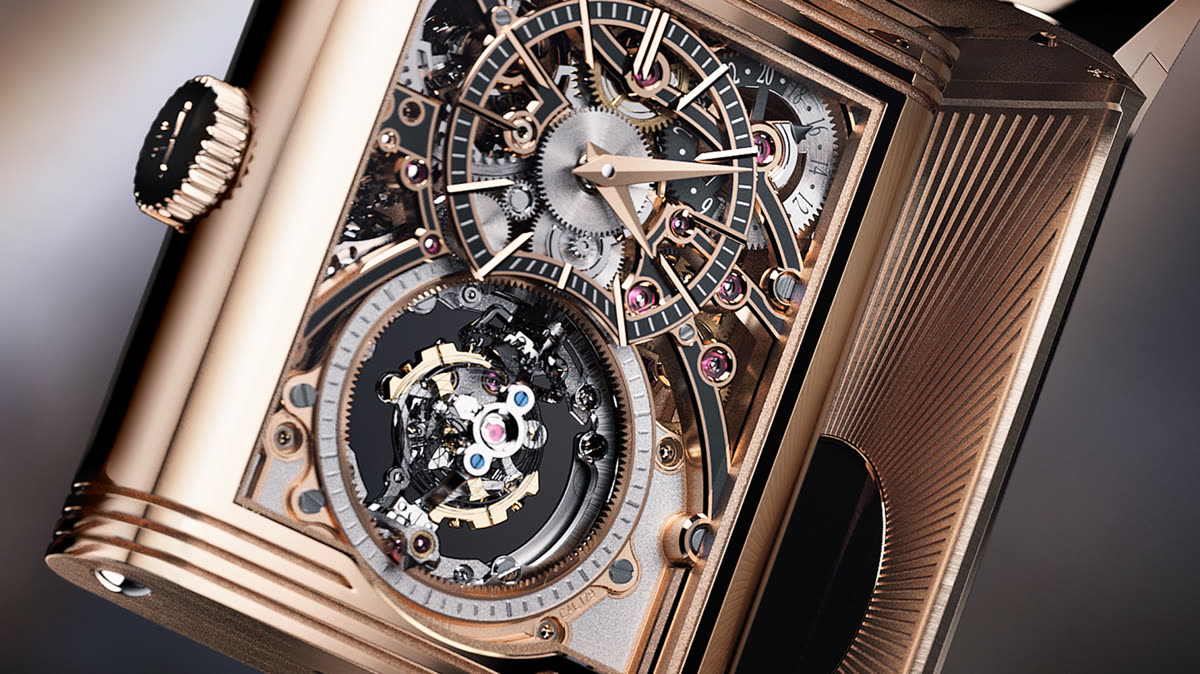
No confidently matched photograph of this subject has been found yet. These photographs show a closely related record, and are not examples of the type described on this page.
Sources & references
- Jewel bearing, Wikipedia (English), retrieved 2026-11-02 (text CC BY-SA 4.0)
- Nicolas Fatio de Duillier, Wikipedia (English), retrieved 2026-11-02 (text CC BY-SA 4.0)
- Silver and tortoiseshell pair cased watch by Ignatius Huggeford, Science Museum Group, retrieved 2026-11-02 (paraphrased; text © the publisher)
- Curator's Choice: A Watch of Intrigue (Sir George White), Antiques & Fine Art, retrieved 2026-11-02 (paraphrased; text © the publisher)
- Wikipedia, Jewel bearing; Nicolas Fatio de Duillier (revisions cited below)
- Science Museum Group, Silver and tortoiseshell pair cased watch by Ignatius Huggeford (Worshipful Company of Clockmakers, L2015-3119)
- Sir George White, 'A Watch of Intrigue', Antiques & Fine Art
Where sources disagree, the disagreement is stated rather than resolved silently.