
Scotland / England · 1840–1841 (sources differ on the patent date; see below)
The Electric Clock
Partially verifiedElectrically impulsed pendulums opened the way to electric master clocks, which Matthäus Hipp's simpler switch system soon rivalled, and in the long run to battery-powered watches.
Bain, apprenticed to a clockmaker in Wick, built clocks whose pendulum was kept moving by electromagnetic impulses and was the first to invent and patent an electric clock.
Background
Alexander Bain, a Scottish clock and instrument maker who worked in Clerkenwell, was the first to invent and patent a clock powered by electric current. In 1840, while seeking development funds, Bain demonstrated his models to Sir Charles Wheatstone, who dismissed the work but later claimed a similar device as his own invention before the Royal Society. Bain had already applied for a patent, and although Wheatstone attempted to block it, the patent process proceeded in the names of John Barwise and Alexander Bain.
The invention addressed the need for timekeeping without traditional springs or weights, replacing them with electromagnetic impulses to maintain a pendulum's motion. Bain's work on these clocks, conducted between the 1840s and 1860s, eventually involved proposals to derive electricity from earth batteries consisting of buried zinc and copper plates.
Written from the encyclopedia entries listed under Sources; each statement was checked against the cited text.
How it works
- Some mantel clock variations employed an electromagnetic pull-push action for each period of swing using opposing magnetic fields.
Later history
- Matthäus Hipp later developed a more reliable and mass-marketable system using a toggle switch to impulse the pendulum.
Where sources differ
- Date. The encyclopedia article on Bain says in one passage that his original electric-clock patent is dated 10 October 1840, and in another that his first patent was dated 11 January 1841, in the names of the chronometer maker John Barwise and Bain.
Impact on watchmaking
- Alexander Bain — The inventor's own page.
- Master/Slave Electric Clock Systems — Electric master clocks driving networks of dials, a direct descendant.
- Battery-Powered Balance Watch (Hamilton 500) — The first battery-powered balance watch, a century later.
How to verify this yourself
Check the cited museum record or maker's archive first; for patented work, confirm the number and date from the specification itself (Espacenet covers most European, US and Japanese patents) rather than from secondary retellings.
Manufacturers known to have used it
- Bain's own electric clocks
- Later electric master-clock makers
Related photographs
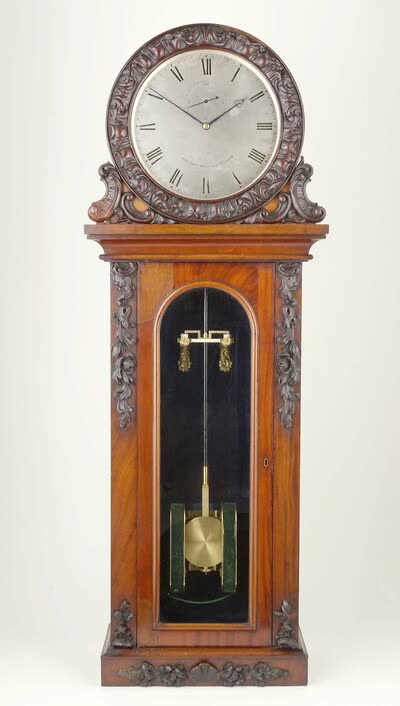
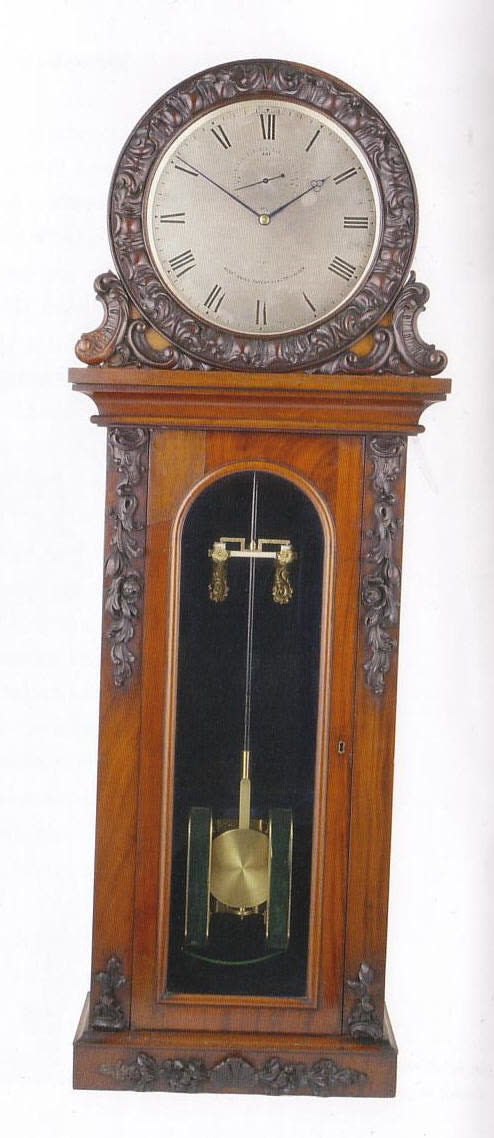
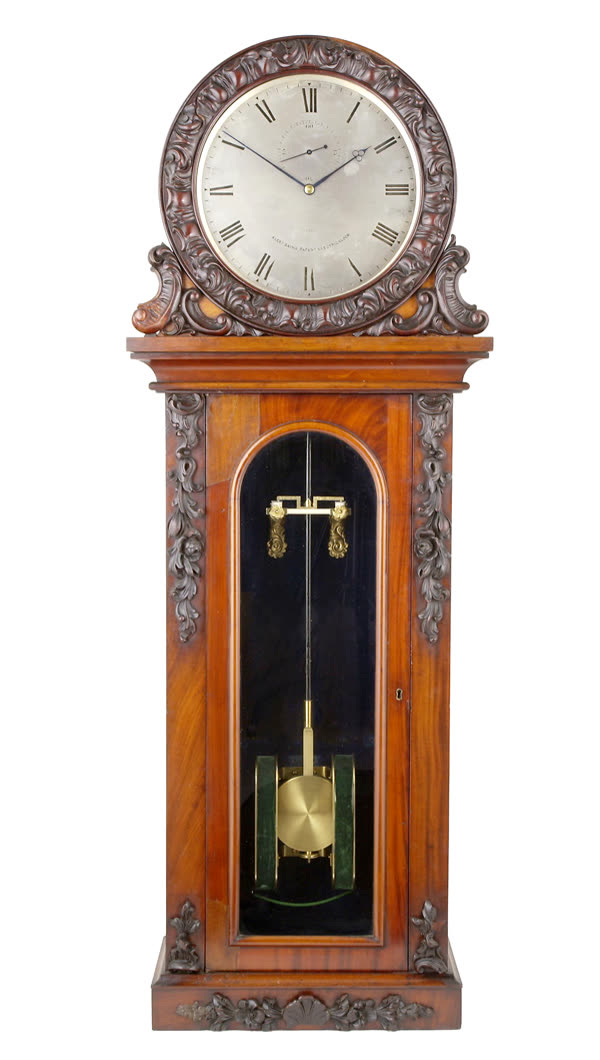
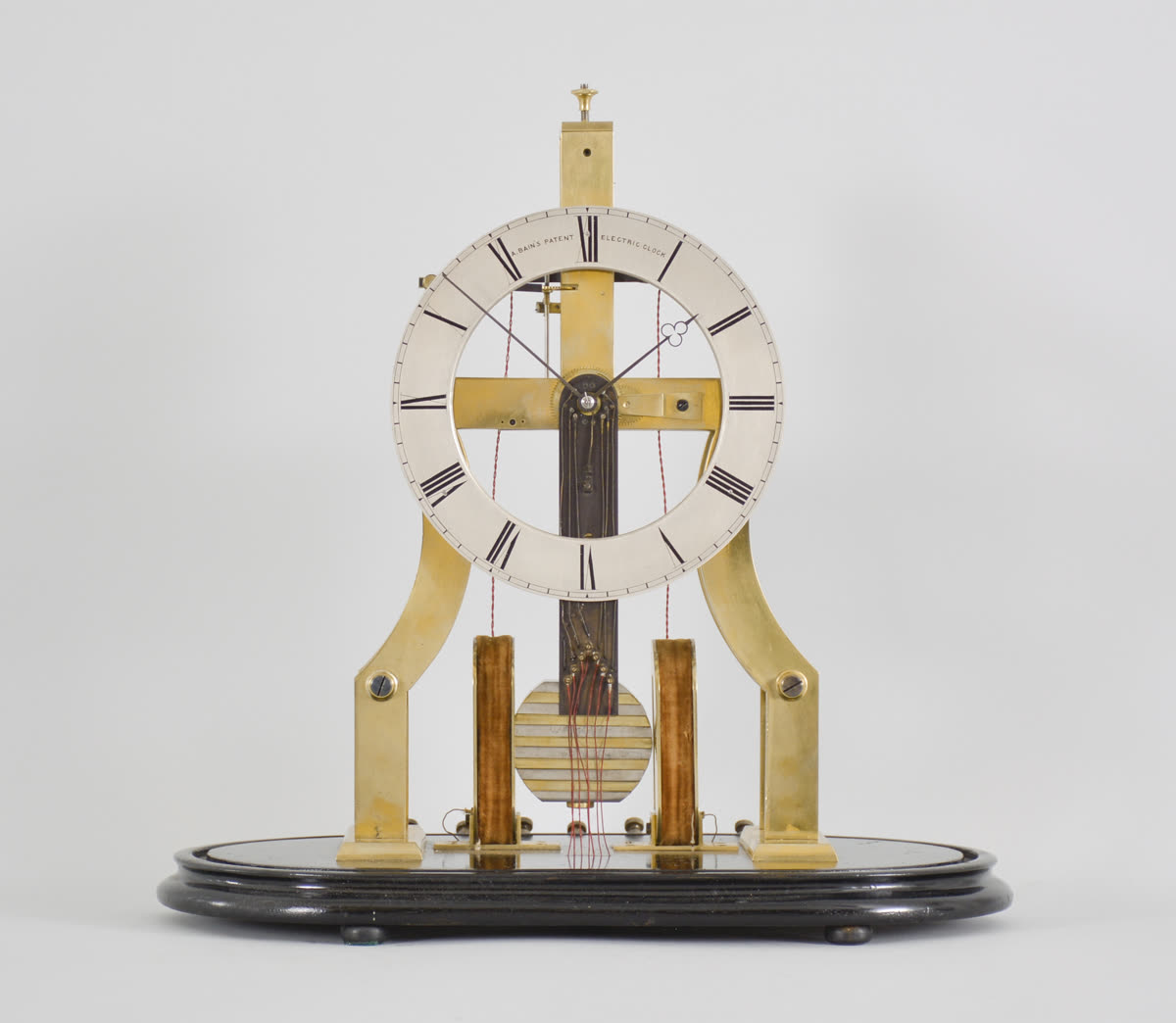
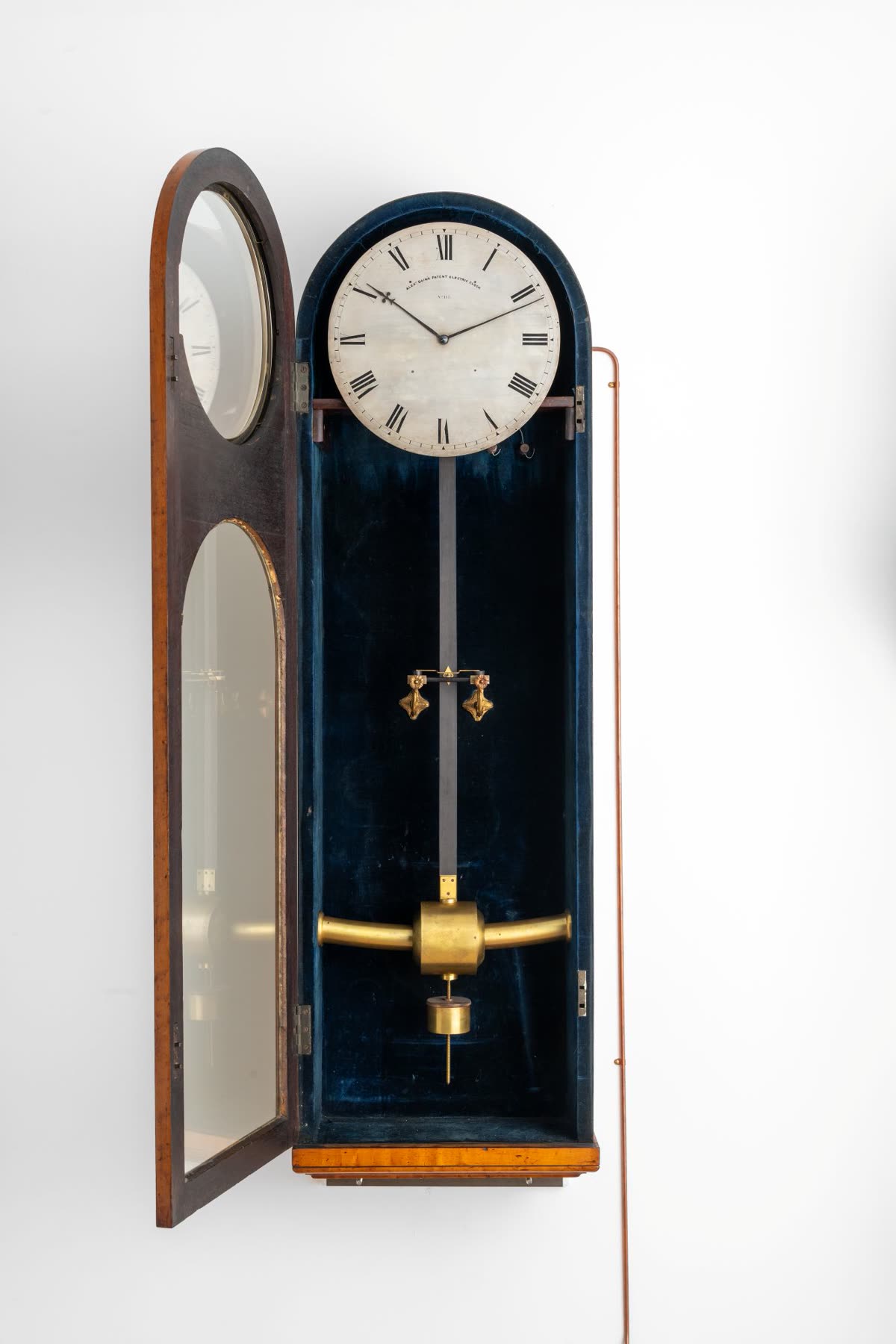
No confidently matched photograph of this subject has been found yet. These photographs show a closely related record, and are not examples of the type described on this page.
Sources & references
- Alexander Bain (inventor), Wikipedia (English), retrieved 2026-11-02 (text CC BY-SA 4.0)
- Electric clock, Wikipedia (English), retrieved 2026-11-02 (text CC BY-SA 4.0)
- Wikipedia, Alexander Bain (inventor); Electric clock (revisions cited below)
Where sources disagree, the disagreement is stated rather than resolved silently.