
Edinburgh and London, Scotland · 1811 – 1877
Alexander Bain
Partially verifiedElectric clocks
Life & work
Pioneer of the electric clock and the fax machine.
Born in Watten, Caithness, in October 1811, Alexander Bain began a watchmaker apprenticeship that he ultimately did not complete. Following disputes regarding authorship with Professor Wheatstone, Bain secured an English patent for an electric clock in 1840 alongside John Barwise. Due to difficulties in establishing full-scale production for his electromagnetically driven pendulum clocks, very few of his timepieces were successfully brought to market.
The fuller biography summarises the open references listed under Sources; each statement was checked against the cited passage. Confirm key dates in period documents before relying on them.
Timeline
Alexander Bain's recorded dates, dated events from this profile and its sources, and dated pieces and sales from the object catalogue. Dates are as each record gives them.
1811 · Career
Born
1811 · Career
Born in Watten, Caithness, in October 1811, Alexander Bain began a watchmaker apprenticeship that he ultimately did not complete.
1840 · Career
Following disputes regarding authorship with Professor Wheatstone, Bain secured an English patent for an electric clock in 1840 alongside John Barwise.
1840 · Career
Invented the first electric clock (1840)
1841 · Career
Patent for the electric clock (1841)
1877 · Career
Died
Training, contributions & innovations
- Invented the first electric clock (1840)
- He developed an electric clock utilizing an electromagnetically driven pendulum.
Inventions & patents
- Patent for the electric clock (1841)
Signatures & markings on surviving work
- Alexander Bain
Collecting significance
Authenticity depends on signatures and movement quality. For 19th-century makers, serial numbers often allow for precise dating. For modern independents, documentation from the maker is key.
Firms, key models & movements
No firm, model or movement in this encyclopedia is yet recorded under this maker's name.
Photographs
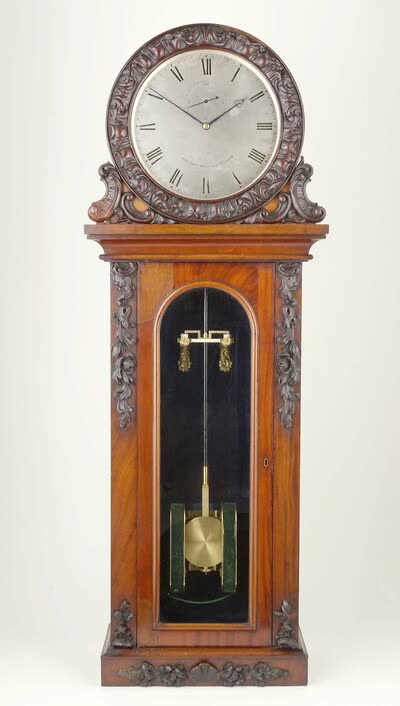
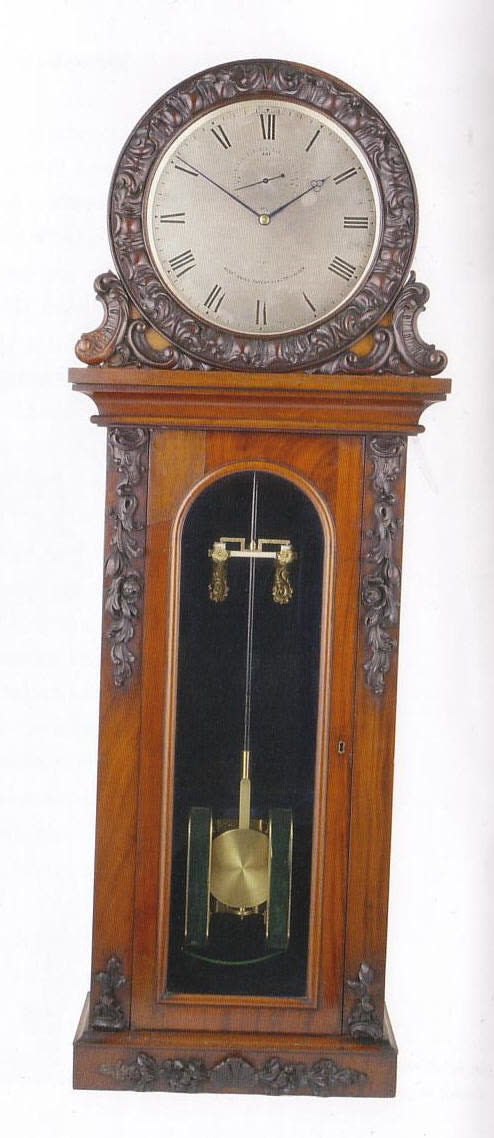
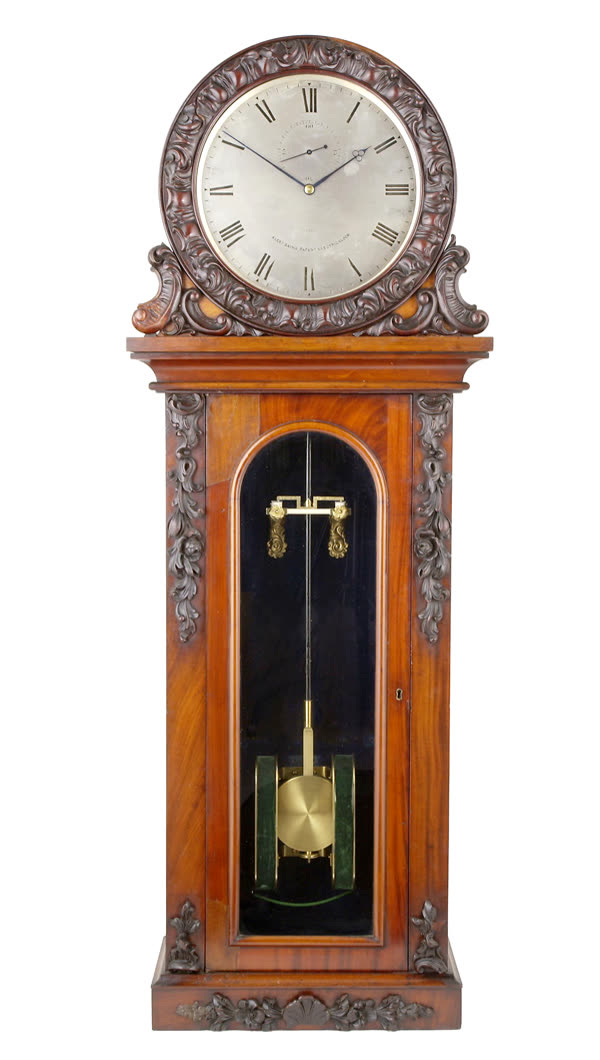
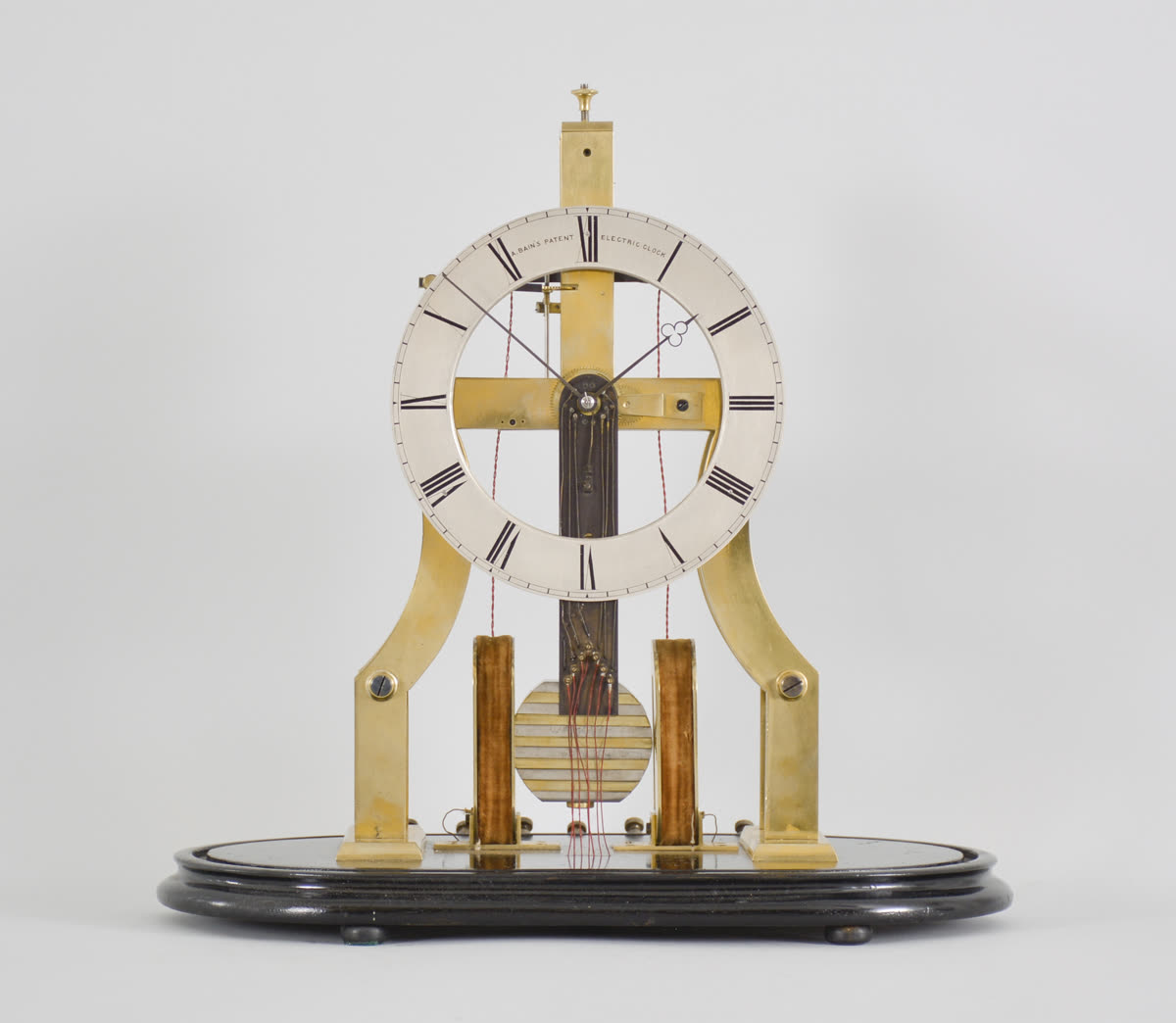
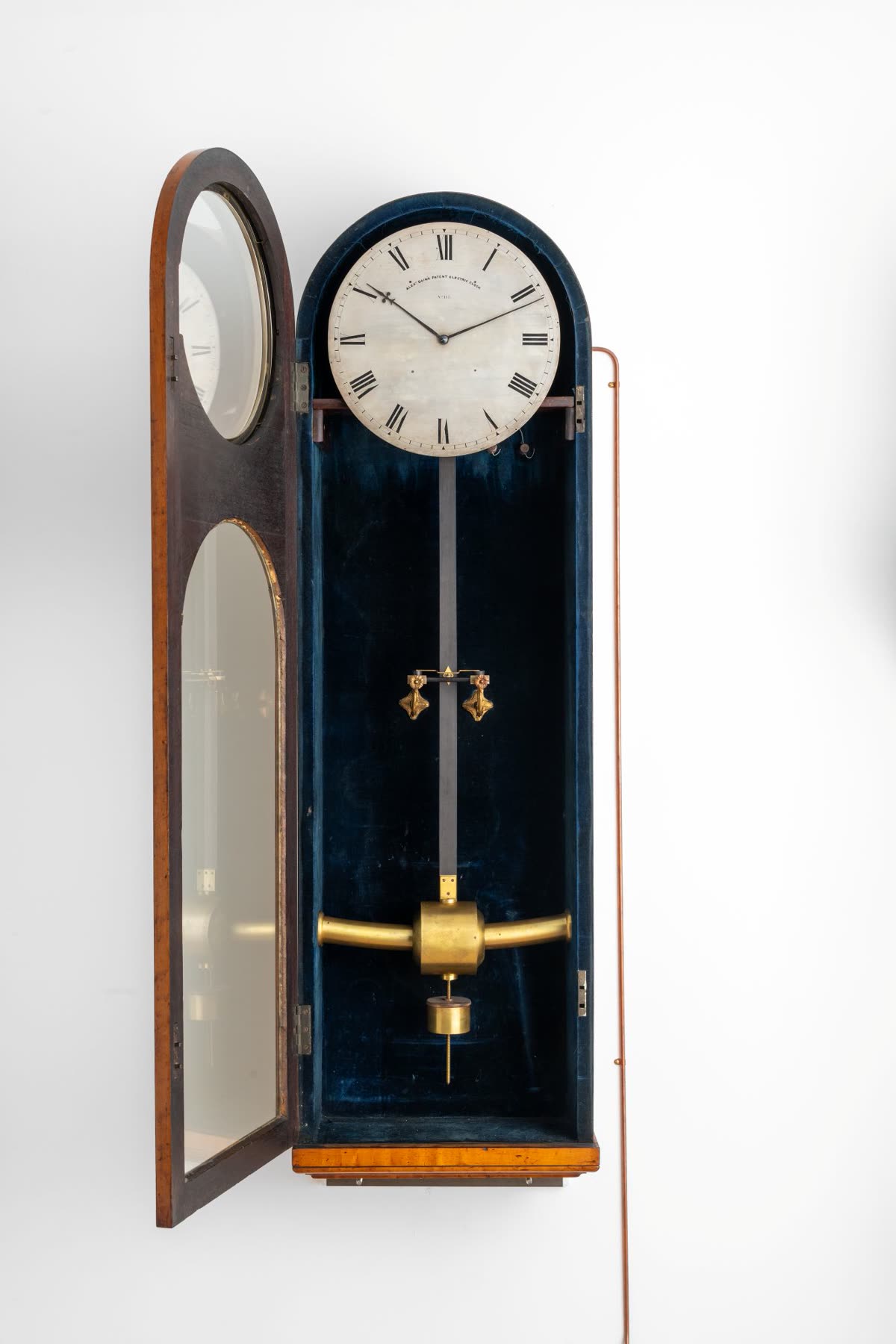
Photographs are illustrative examples of the type, not necessarily the exact object described. Verify details against the source file page.
Sources & references
- Bain, Alexander, Watch-Wiki, retrieved 2026-10-27
- Britten, F. J., Old Clocks and Watches and Their Makers
- Loomes, B., The Early Clockmakers of Great Britain
- Ehrhardt, R., American Pocket Watch Identification and Price Guide
- Museum catalogue records
Where sources disagree, the disagreement is stated rather than resolved silently.