
Museum · Zurich, Switzerland
Uhrenmuseum Beyer
Collection spanning early timekeepers to modern watches.
Institution photographs
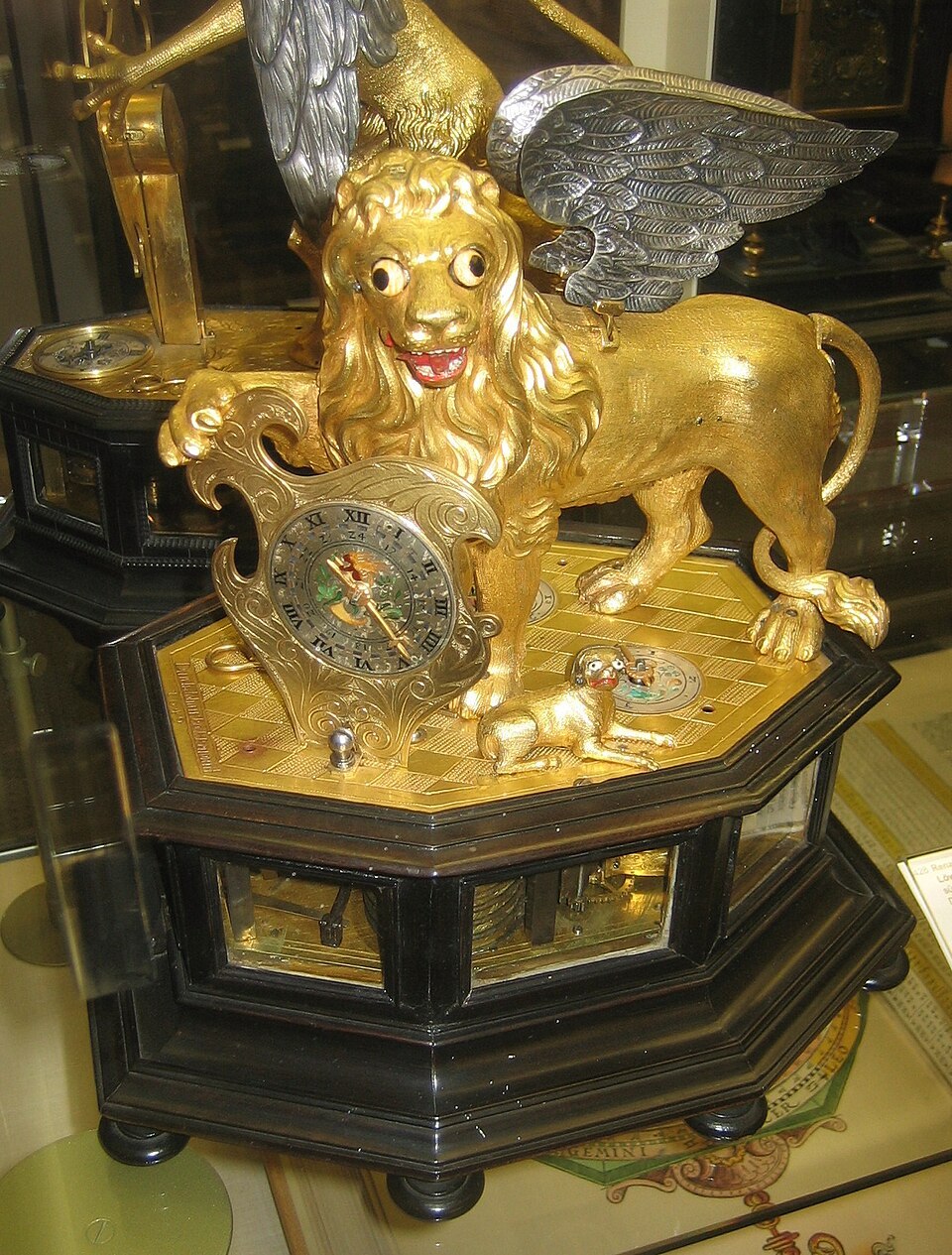
The caption identifies the institution shown; follow the source record for attribution and context.
Overview
The Beyer Clock and Watch Museum in Zurich presents timekeeping across a much longer span than the history of the mechanical wristwatch. Its permanent exhibition runs from ancient water-clock technology to modern quartz watches. The museum is a private collection associated with Beyer, but its subject is the wider history of clocks and watches rather than only timepieces sold by the firm.
The official collection introduction singles out an Egyptian water clock dated around 1400 BC. That is a useful starting point for separating the measurement of an interval by flowing water from the later mechanical division of time by gearing and an oscillator. The museum's broad chronology encourages comparisons between different principles of time measurement as well as between different styles of case and dial.
Permanent displays and temporary exhibitions should be treated as different resources. The museum maintains an archive of past special exhibitions and offers a virtual museum; an object shown in an old exhibition should not automatically be described as currently displayed. For object research, retain the museum's attribution and ask about the relevant catalogue or exhibit reference.
Collection focus
- Ancient time measurement, including an Egyptian water clock
- Mechanical clocks and watches alongside modern quartz timekeeping
- Permanent collection, special-exhibition archive and virtual museum
Key pieces
- Egyptian water clock
- The museum dates this highlighted exhibit to around 1400 BC. It illustrates a non-mechanical way of measuring time; use the museum's own attribution rather than inferring origin from appearance. Museum reference
Collection highlights are not a guarantee of current display; confirm with the institution before travelling.
Using it for research
- Distinguish the permanent collection from a past special exhibition.
- Use the virtual museum as an introduction, not proof of current physical display.
- Ask the museum for the object reference and research arrangements before travelling.
Before you visit
- The official site announces a relocation and temporary closure. Check its current notice and location before booking travel; the existing Bahnhofstrasse setting must not be assumed to remain accessible.
- Private guided tours are arranged by contacting the museum. Use the official ticket and tour pages for current availability and terms.
- For object study, contact the museum separately from buying an exhibition ticket.