
Museum · Le Sentier, Vallée de Joux, Switzerland
Espace Horloger
Interprets the Vallée de Joux tradition of complicated movement and ébauche making.
Institution photographs
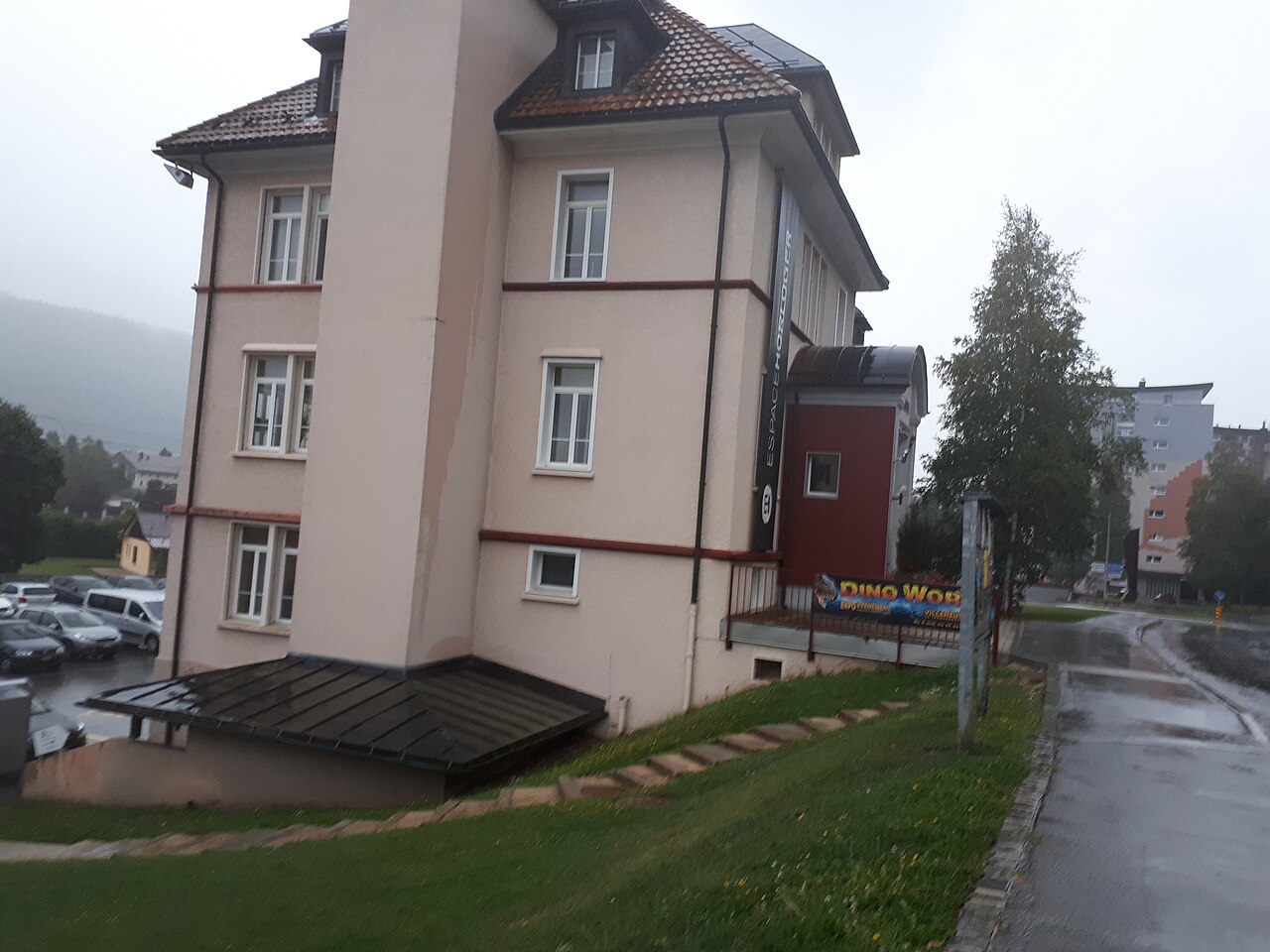
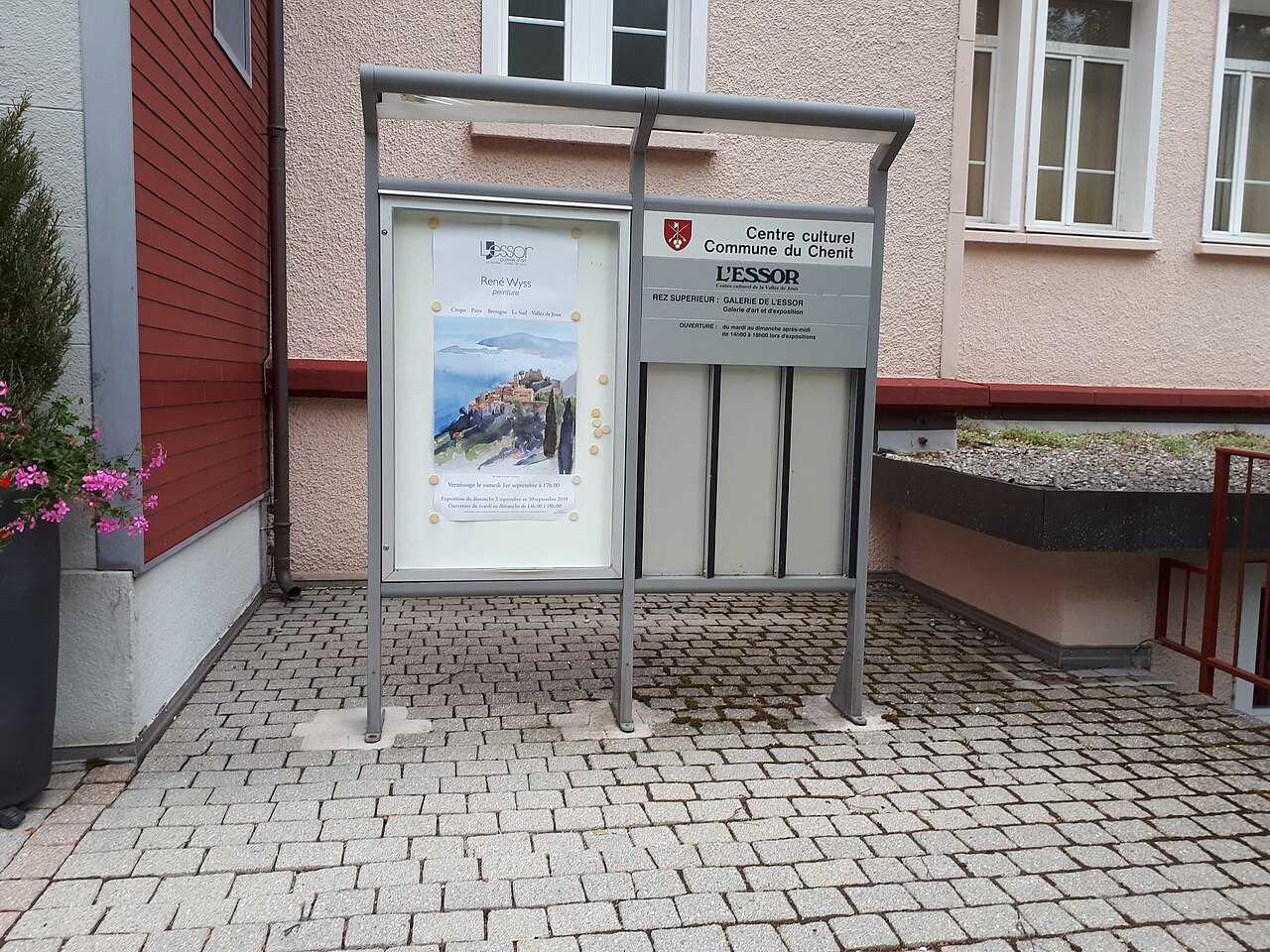
The caption identifies the institution shown; follow the source record for attribution and context.
Overview
Espace Horloger in Le Sentier interprets the watchmaking history of the Vallée de Joux through two permanent exhibitions. The Gideon exhibition provides a broader history of timekeeping, while the regional exhibition focuses on the valley and complicated movements. The distinction helps visitors separate the geographical origin of the museum from the attributed origin of each displayed object.
The Gideon collection presents instruments made between the sixteenth and nineteenth centuries. The official description includes table and travel clocks, Gothic and planetary clocks, and illusionist clocks. These objects place timekeeping within decorative interiors and show that the movement's functions and the case's visual effect need to be studied separately. The collection's date range is not a date for every individual exhibit.
The Vallée de Joux exhibition addresses minute repeaters, grande sonnerie, split-seconds chronographs, perpetual calendars, tourbillons and moon-phase mechanisms. These are different functions, not interchangeable expressions for a complicated watch. A museum film, The Wheels of Harmony, connects farmer-watchmakers, the emergence of modern manufactures and the region's international reputation. The exhibits and film together provide an introduction to both mechanisms and the organisation of production.
Collection focus
- Gideon collection of sixteenth- to nineteenth-century timekeeping instruments
- Table, travel, planetary and illusionist clocks
- Regional exhibition on complicated movements
- The Wheels of Harmony film on Vallée de Joux watchmaking
Using it for research
- Record the individual attribution of a Gideon exhibit rather than assuming local manufacture.
- Describe each complication separately and identify its actual function.
- The official overview names collection groups rather than inventory-numbered key pieces; ask for a catalogue reference before making an object-specific comparison.
Before you visit
- Use the official visit and access pages to plan a journey to Le Sentier. Check current ticket arrangements and temporary exhibitions before travelling.
- Self-guided, guided and school visits are separate options on the museum's site. Arrange a guided or specialist visit in advance rather than assuming a demonstration will be available.
- For an individual object enquiry, request the relevant collection or catalogue reference directly from the museum.