
Museum · Leeds, United Kingdom
Leeds Industrial Museum
Industrial collections including clock and instrument making.
Institution photographs
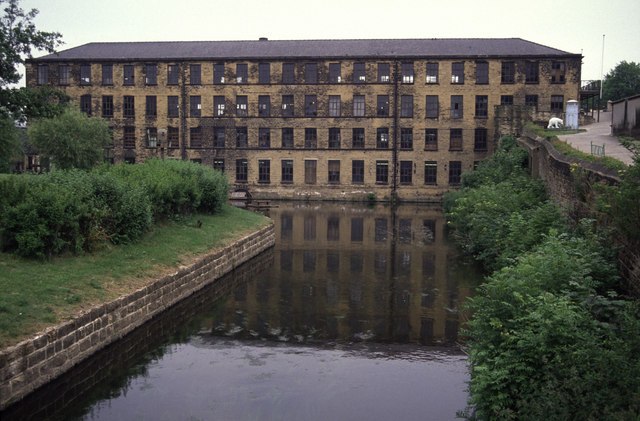
The caption identifies the institution shown; follow the source record for attribution and context.
Overview
Leeds Industrial Museum is a museum based in Leeds, United Kingdom. Industrial collections including clock and instrument making.
Directory record: a detailed institutional history and collection catalogue have not yet been checked. The research and visiting notes below are general guidance, not confirmation of this institution's services.
Using it for research
- Ask whether an online collection catalogue exists — accession numbers make a citation precise and let other researchers find the same object.
- Curatorial departments can sometimes confirm attributions, maker signatures and provenance for objects in their own collection; they do not normally authenticate or value private pieces.
- Catalogues of past exhibitions are often the best published record of what a collection holds.
Before you visit
General visiting guidance; institution-specific arrangements have not been verified here.
- Confirm opening arrangements, temporary closures and photography rules directly with the institution before travelling — this encyclopedia does not record them.
- Working clocks and automata may be demonstrated only at set times.