
Tokyo, Japan
Seiko
VerifiedIntegrated Japanese manufacture: clocks, mechanical watches, chronographs, quartz
History
Beginning as a clock and watch retailer and repairer, the firm became Japan's dominant manufacturer, producing pocket watches, railway watches, mechanical chronographs and, in 1969, the first commercially sold quartz wristwatch.
Kintarō Hattori founded a watch and jewelry shop in Tokyo in 1881 that grew to become a major manufacturer of timepieces. The company began producing clocks under the Seikosha name in 1892 before shifting focus to wristwatches. Following incorporation in 1917, the firm underwent several name changes, eventually becoming the Seiko Group Corporation in 2022.
Production was historically split between two family-owned companies, Daini Seikosha and Suwa Seikosha, to encourage technological competition. Today the organization operates as a holding company managing various subsidiaries, including the Seiko Watch Corporation.
The extended history summarises the open references listed under Sources; each statement was checked against the cited passage. Confirm key dates in period documents before relying on them.
Timeline
Seiko's recorded dates, dated events from this profile and its sources, and dated pieces and sales from the object catalogue. Dates are as each record gives them.
1881 · Career
Kintarō Hattori founded a watch and jewelry shop in Tokyo in 1881 that grew to become a major manufacturer of timepieces.
1892 · Career
The company began producing clocks under the Seikosha name in 1892 before shifting focus to wristwatches.
1917 · Career
Following incorporation in 1917, the firm underwent several name changes, eventually becoming the Seiko Group Corporation in 2022.
1950-1959 · Catalogued piece
Seiko Precision 15 Jewels Railway Issue Open Face Pocket Watch
late 1960s · Catalogued piece
1969 · Career
Beginning as a clock and watch retailer and repairer, the firm became Japan's dominant manufacturer, producing pocket watches, railway watches, mechanical chronographs and, in 1969, the first commercially sold quartz wristwatch.
1969 · Career
Series-production quartz wristwatch (Astron, 1969)
1969 · Career
The company launched the world's first commercially sold quartz wristwatch in 1969.
circa 1970s · Catalogued piece
1998 · Catalogued piece
2000-2010 · Catalogued piece
Circa 2016 · Catalogued piece
Current watchmaking & later fate
- Seiko Group Corporation operates as a holding company that owns several subsidiaries, including Seiko Watch Corporation.
- The company produces a wide array of products including clocks, electronic devices, semiconductors, and various types of watches.
- Since 2017, Grand Seiko has been presented as an entirely separate brand from Seiko, though it remains under the same corporate ownership.
- Seiko maintains vertical integration, possessing the facilities to design, manufacture, assemble, and inspect all watch components in-house.
As stated in the references listed under Sources, retrieved 2026-10-27. Ownership and collections change; check the maker's own announcements for the latest position.
Key models
- Astron
- Introduced in 1969, the Astron was the world's first commercial quartz wristwatch.
- Laurel
- The Laurel, released in 1913, was the first Japanese-made wristwatch.
- Grand Seiko
- Launched in 1960, the Grand Seiko collection was originally positioned as the brand's highest-grade domestic watch line.
Major innovations
- Series-production quartz wristwatch (Astron, 1969)
- Automatic chronograph calibre 6139
- Vertically integrated in-house component manufacture
- The company launched the world's first commercially sold quartz wristwatch in 1969.
Known markings
- Case-back serial with year/month digits
- Calibre number stamped on the movement or case back
- The company adopted the Seiko brand name for its mass-produced watches in 1924.
- Seikosha was the name used for the company's early clock production starting in 1892.
Serial numbers
Seiko case serial numbers encode production year and month in a documented scheme, giving a decade-ambiguous but reliable month and year.
Collecting significance
The serial scheme makes Seiko unusually easy to date; dial and hand originality is the main authenticity question.
Identification and dating notes
- Watches produced by the separate Suwa and Daini entities are key to identifying early technological lineage.
- The removal of the Seiko name from Grand Seiko dials after 2017 distinguishes newer luxury models from earlier iterations.
In the object catalogue
30 catalogued objects are recorded under Seiko. Attributions are as given by each source and are not independent authentication.
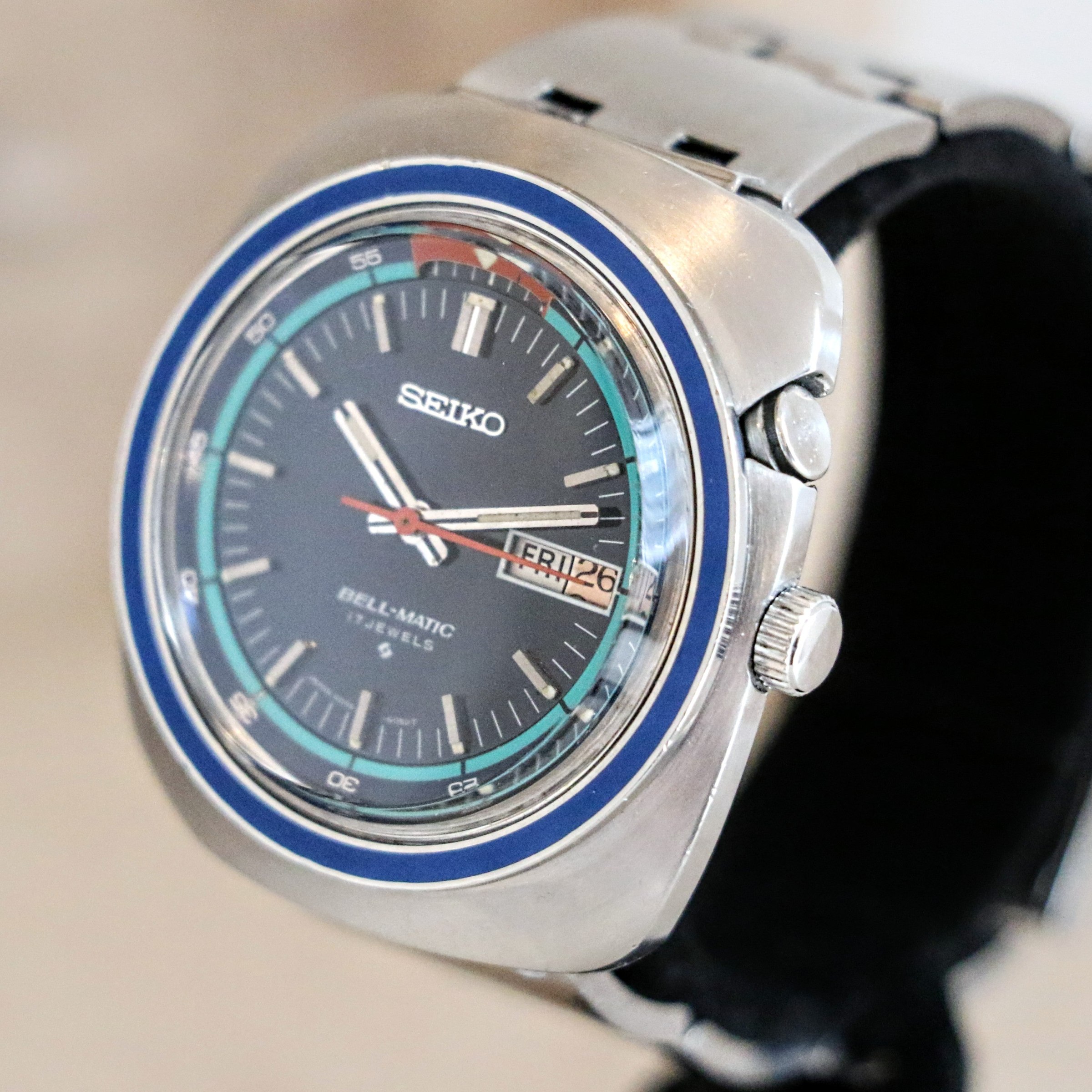
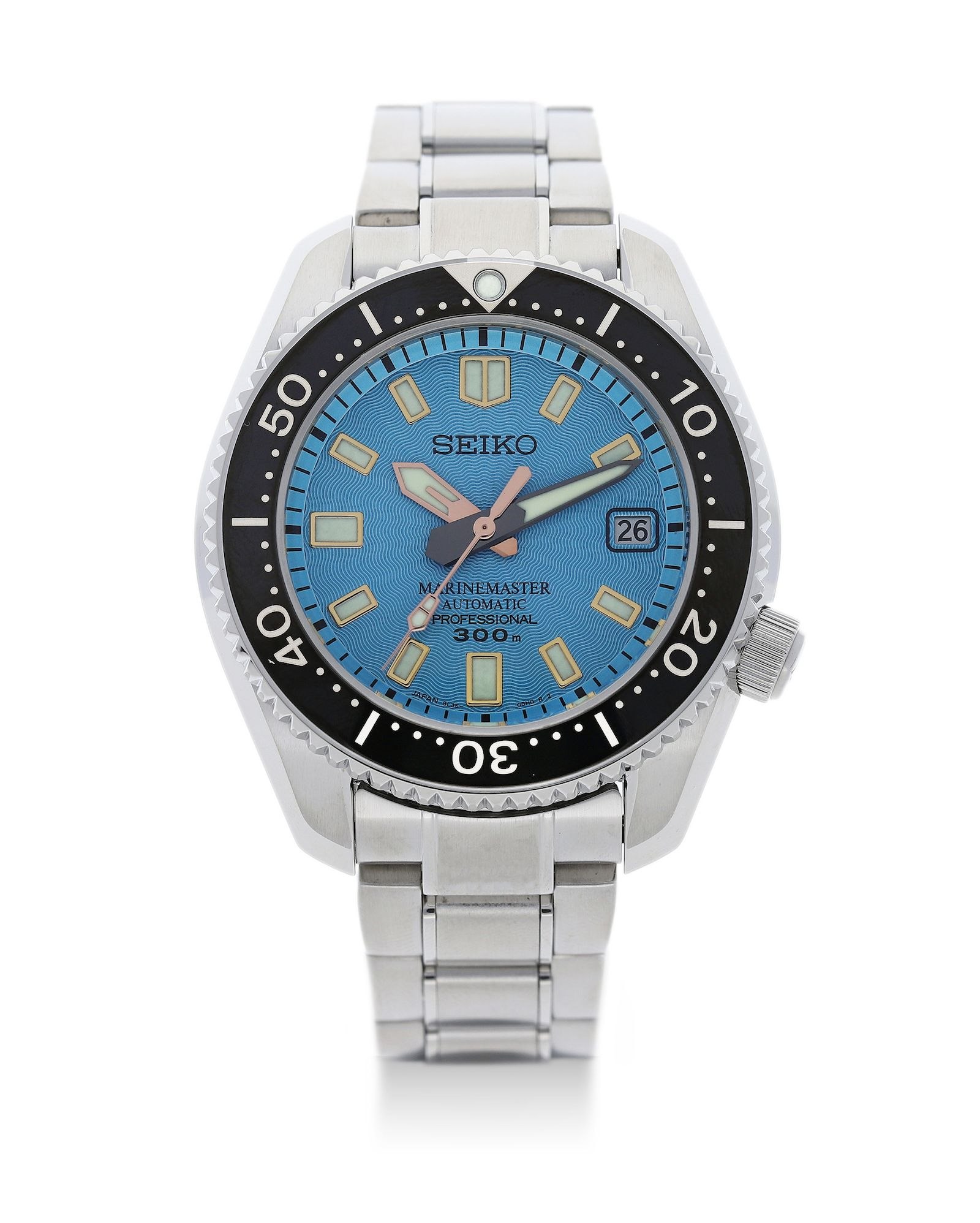
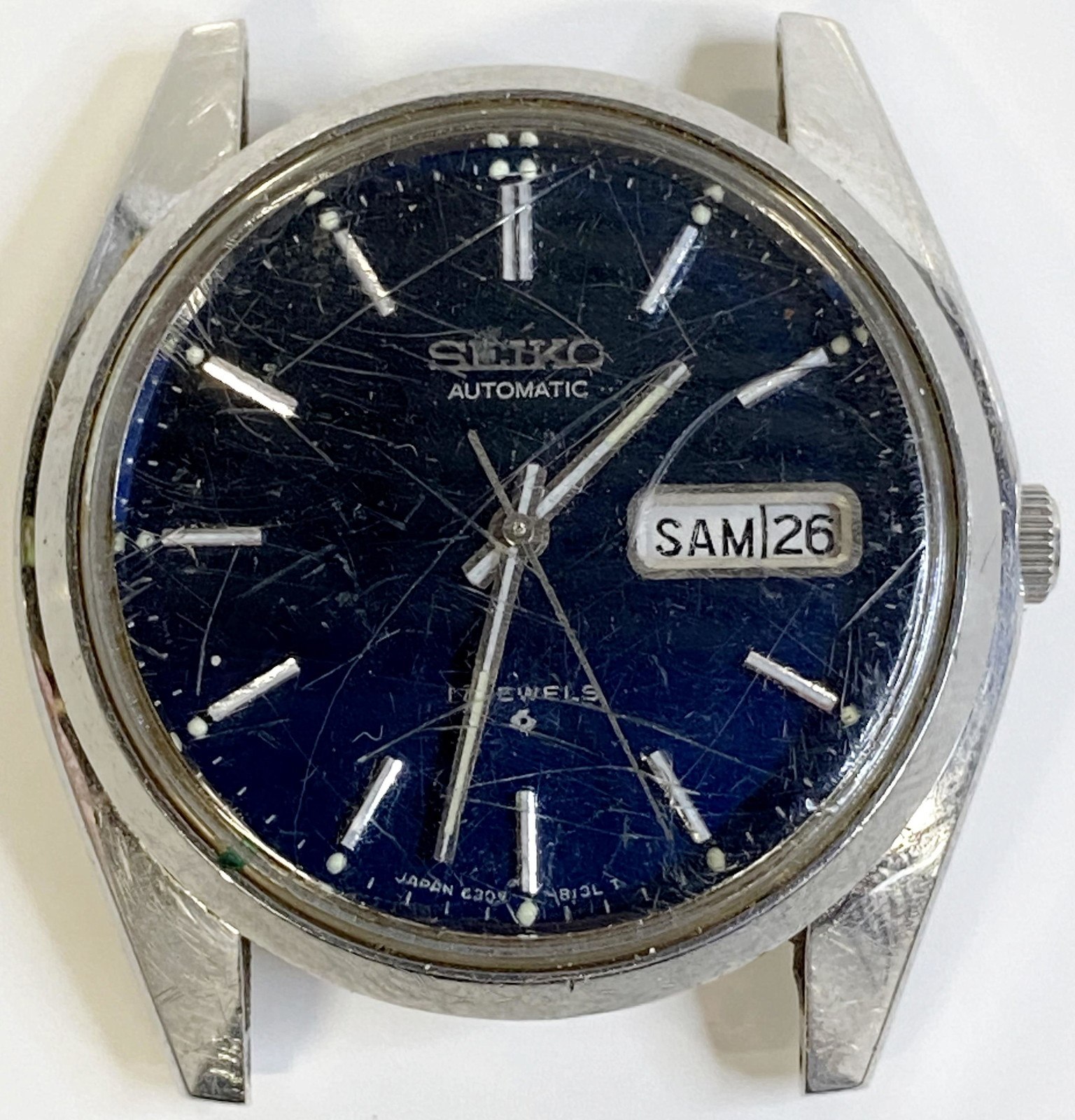
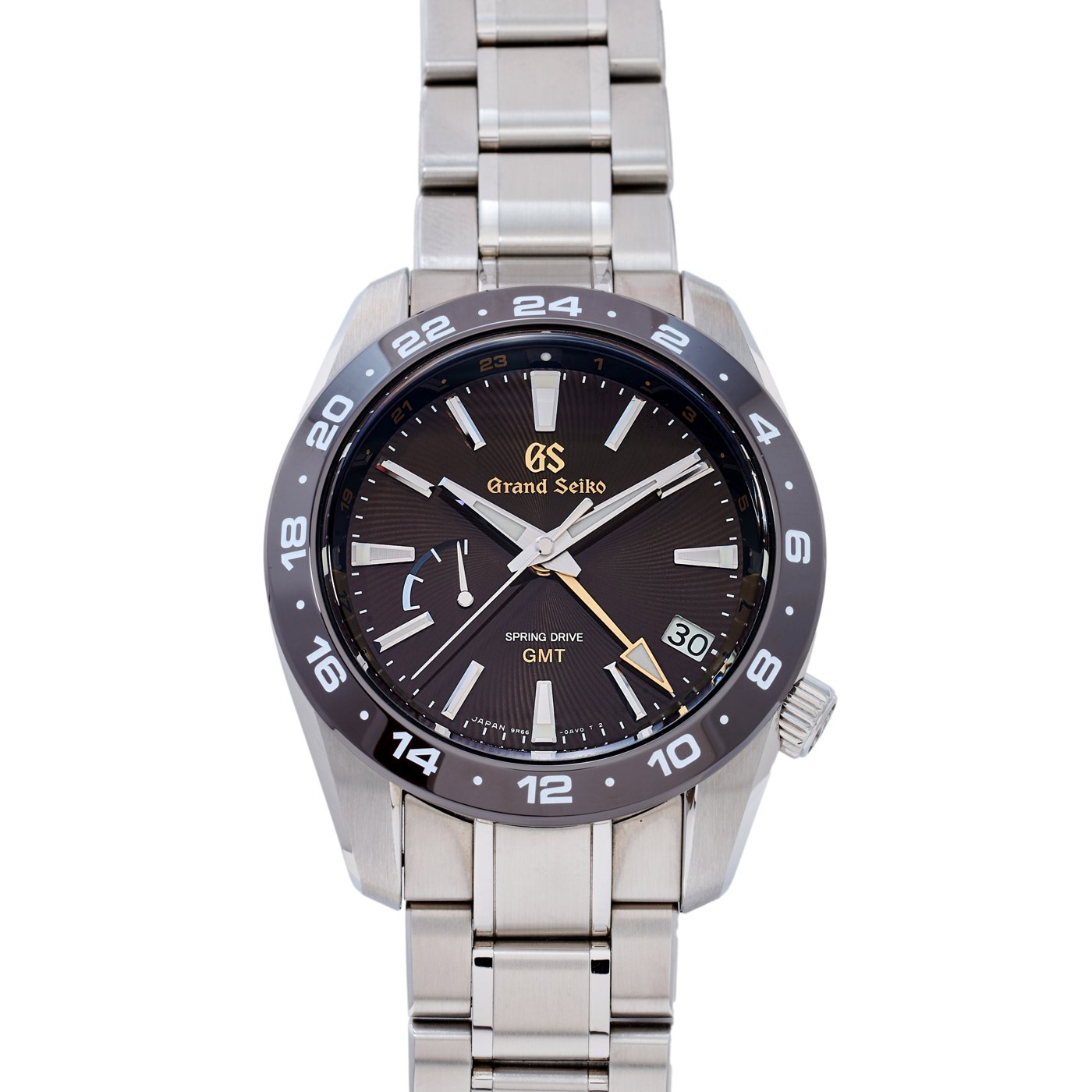
- 1969 Seiko Automatic Diver (Ref. 6105-8000) "Proof / Proof"Diver's watch · 1969
- 1971 King Seiko Hi-Beat Chronometer Ref. 5626-7040Automatic wristwatch · 1971
- Grand Seiko GS9 Club 'Eagle' SBGE263GMT & world-time watch
- Grand Seiko Spring Drive Chronograph GMT Lion Limited Edition SBGC230Chronograph
- Seiko 'Grandfather Tuna' Professional 600 DiverDiver's watch · c. 1975
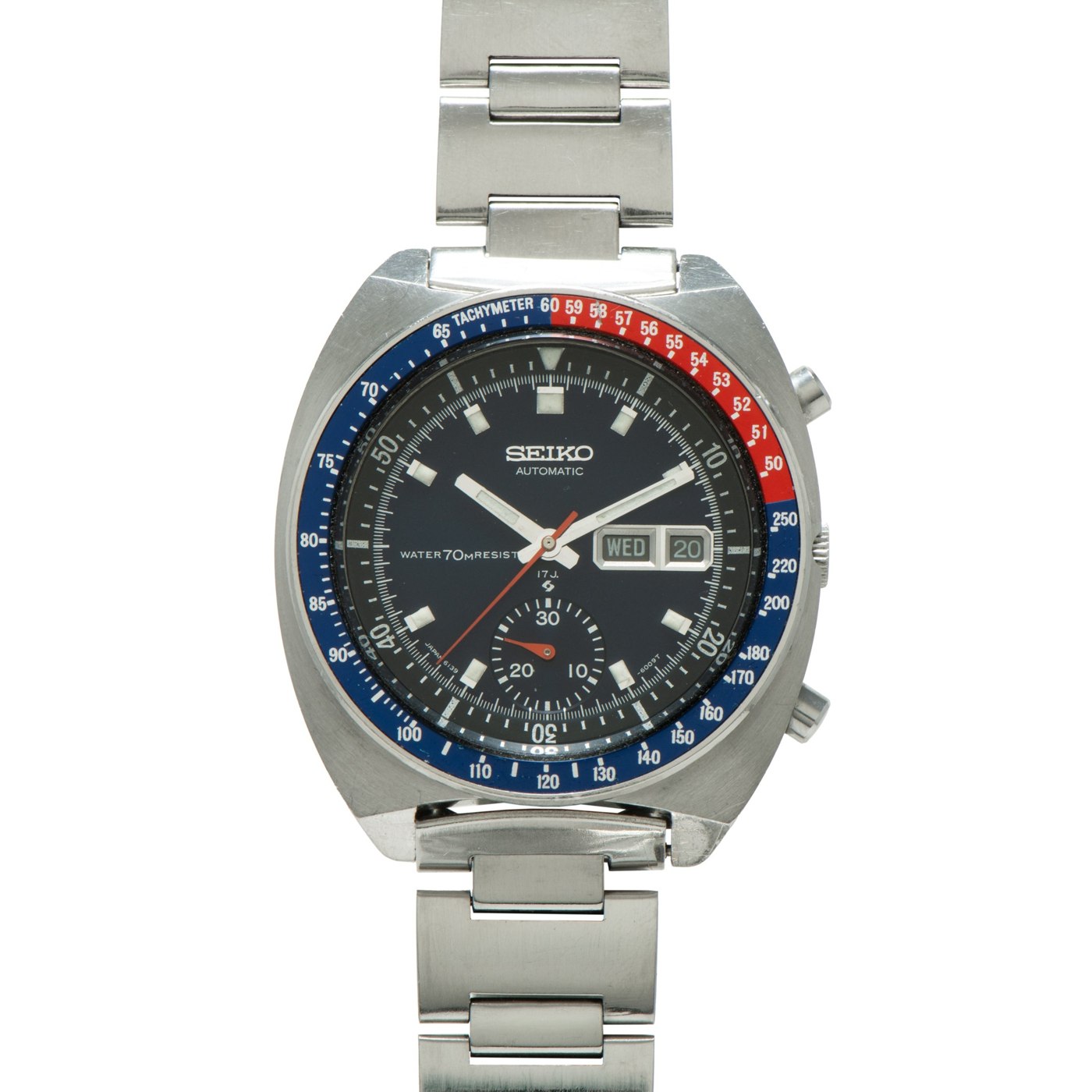
- Seiko 'Pepsi' Speedtimer WristwatchChronograph · 1970s (based on 'Water 70 Proof' dial text and reference 6139)
- Seiko 7N07-001A Quartz Pocket WatchHunter-case watch · 2000-2010
- Seiko Alarm-Chronograph Quartz WristwatchChronograph · 1979
- Seiko Bell-Matic automatic alarm wristwatch, ref. 4006-6027Alarm wristwatch · April 1973
- Seiko Calculator Chronograph 6138-7000Chronograph · 1971
- Seiko Chronograph 6139-6009Chronograph · circa 1970s
- Seiko Diver 'Captain Willard' Reference 6105-8119Diver's watch · late 1960s
Show 18 more
- Seiko Hi-Beat Professional Diver Ref. 6159-7001Diver's watch · 1969
- Seiko Hunter Case Pocket Watch 7N07-001AHunter-case watch · 1998
- Seiko MarineMaster Professional Diver's Bracelet WatchDiver's watch · Circa 2016
- Seiko Melodies In Motion Musical Wall ClockWall clock
- Seiko Melodies in Motion Wall ClockWall clock · c. 2009
- Seiko Mono Pusher Chronograph Ref. 5717-8990Chronograph · 1966
- Seiko Motorist Ref. J14108EHand-wound wristwatch · 1964
- Seiko Precision 15 Jewels Railway Issue Open Face Pocket WatchRailroad watch · 1950-1959
- Seiko Prospex Marine Master Ref. SBBN040Diver's watch · 2018
- Seiko Prospex Solar Diver V157-0BT0 WristwatchDiver's watch
- Seiko Prospex The 1965 Diver's Re-Creation Limited Edition Ref. SBEN003 (SJE093)Diver's watch · Circa 2023
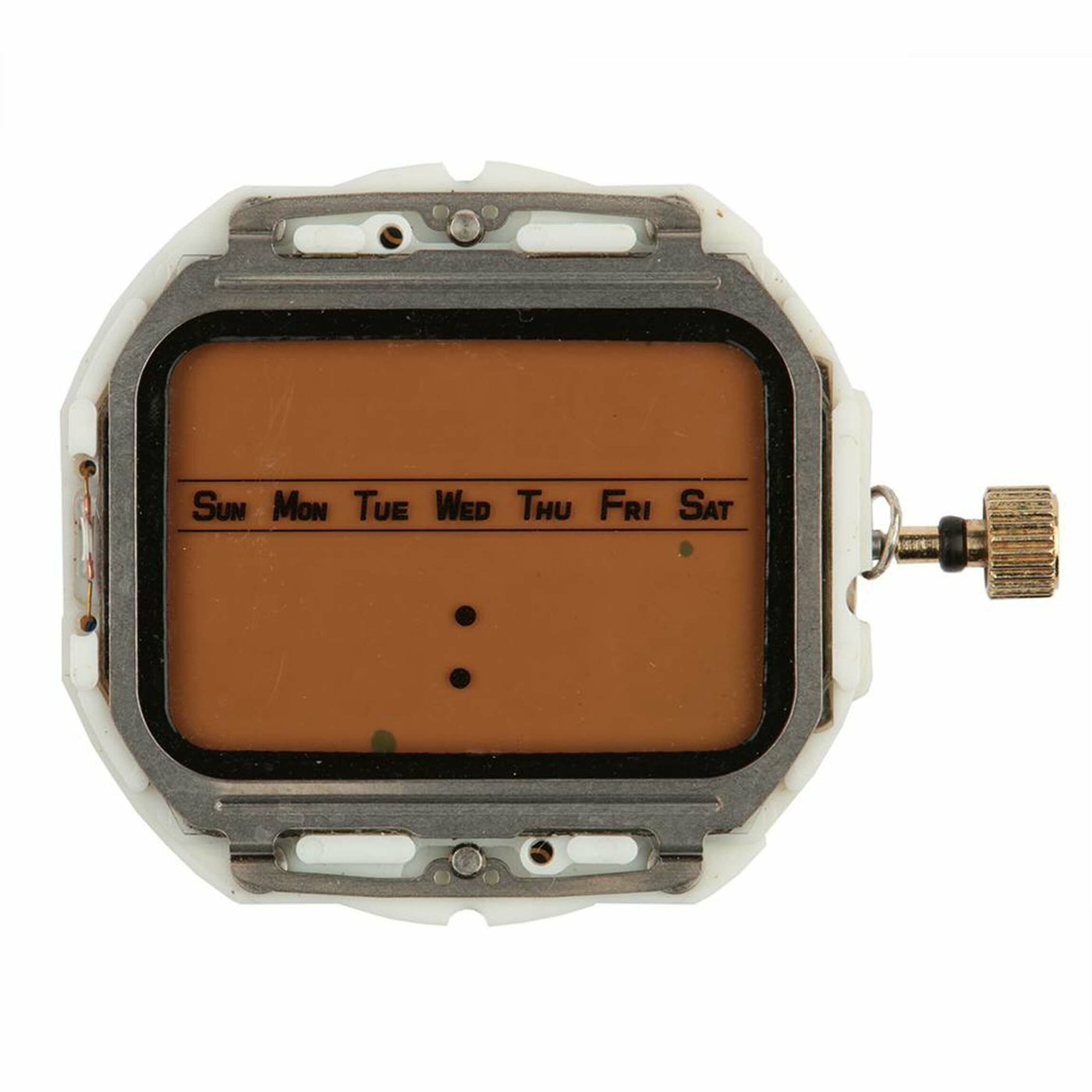
- Seiko Quartz LC Wristwatch MovementBalance, escapement & train part · 1977
- Seiko Sports DiverDiver's watch · circa 1970s
- Seiko Sports Speed-Timer 'Bullshead' Chronograph WristwatchChronograph
- Seiko Think The Earth WN-2 Quartz WatchQuartz & electronic watch · 2001
- Vintage Seiko 6309-7049 Automatic Men's WatchDiver's watch
- Vintage Seiko 6309-7294 Diver Pepsi Bezel Automatic Men's WatchDiver's watch
- Vintage Seiko 6309-8029 17 Jewels Automatic Men's WatchCalendar & moon-phase watch
Provenance
Where the 30 catalogued pieces by Seiko were recorded, with the collectors, owners and sales their records name.
Provenance map
Each piece is linked to the museum, auction house or dealer whose record it comes from, and to any other house or collection its own provenance names. Select a name to see its pieces.
Museums · 2 pieces
Auction houses · 14 pieces
Dealers & other listings · 14 pieces
Craft & Tailored
Dealer · 6 pieces
1969 Seiko Automatic Diver (Ref. 6105-8000) "Proof / Proof"Diver's watch · 1969 · Record source
The record names no sale, lot or earlier owner.
1971 King Seiko Hi-Beat Chronometer Ref. 5626-7040Automatic wristwatch · 1971 · Record source
The record names no sale, lot or earlier owner.
Seiko Hi-Beat Professional Diver Ref. 6159-7001Diver's watch · 1969 · Record source
The record names no sale, lot or earlier owner.
Seiko Mono Pusher Chronograph Ref. 5717-8990Chronograph · 1966 · Record source
The record names no sale, lot or earlier owner.
Seiko Motorist Ref. J14108EHand-wound wristwatch · 1964 · Record source
The record names no sale, lot or earlier owner.
Seiko Think The Earth WN-2 Quartz WatchQuartz & electronic watch · 2001 · Record source
The record names no sale, lot or earlier owner.
Auction history
| House | Sale & lot | Object |
|---|---|---|
| Hess Fine Auctions | lot 11061 | Grand Seiko Spring Drive Chronograph GMT Lion Limited Edition SBGC230 |
| Catawiki | lot 106721889 | Seiko 7N07-001A Quartz Pocket Watch |
| Catawiki | lot 107270586 | Seiko Hunter Case Pocket Watch 7N07-001A |
| Bonhams | lot 740 | Seiko MarineMaster Professional Diver's Bracelet Watch |
| Invaluable (auction platform) | lot 398 | Seiko Melodies In Motion Musical Wall Clock |
| Invaluable (auction platform) | lot 345 | Seiko Melodies in Motion Wall Clock |
| Catawiki | lot 107532355 | Seiko Precision 15 Jewels Railway Issue Open Face Pocket Watch |
| Antiquorum | lot 282 | Seiko Prospex Marine Master Ref. SBBN040 |
| LiveAuctioneers (auction platform) | lot 0013 | Seiko Prospex Solar Diver V157-0BT0 Wristwatch |
| Phillips | lot 8111 | Seiko Prospex The 1965 Diver's Re-Creation Limited Edition Ref. SBEN003 (SJE093) |
Show 4 more
| House | Sale & lot | Object |
|---|---|---|
| Fellows | lot 205 | Seiko Sports Speed-Timer 'Bullshead' Chronograph Wristwatch |
| LiveAuctioneers (auction platform) | lot 0047M | Vintage Seiko 6309-7049 Automatic Men's Watch |
| LiveAuctioneers (auction platform) | — | Vintage Seiko 6309-7294 Diver Pepsi Bezel Automatic Men's Watch |
| LiveAuctioneers (auction platform) | — | Vintage Seiko 6309-8029 17 Jewels Automatic Men's Watch |
Each line is copied from the object's source record and is not independently verified. Holders are as recorded when the piece was catalogued: museum objects may not be on display, and sold lots have since changed hands.
Photographs
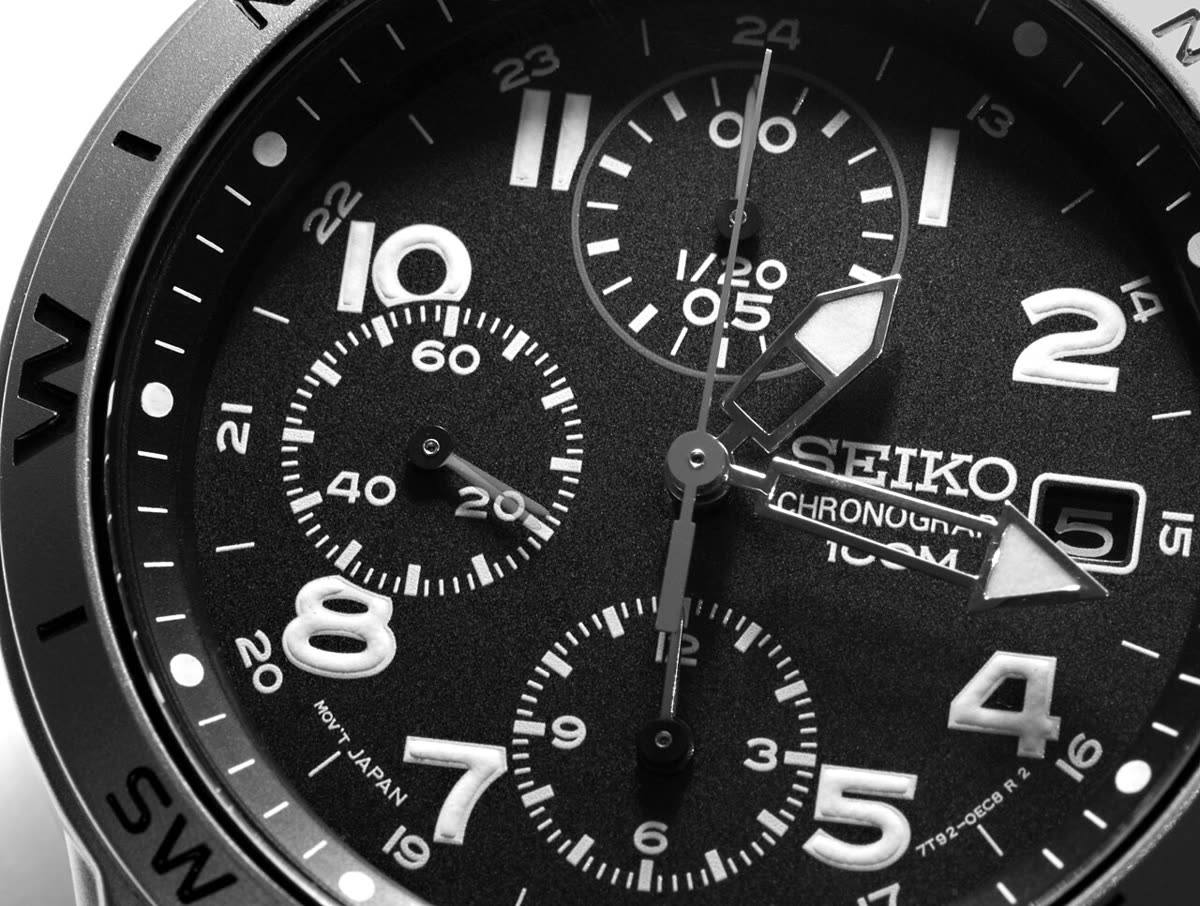
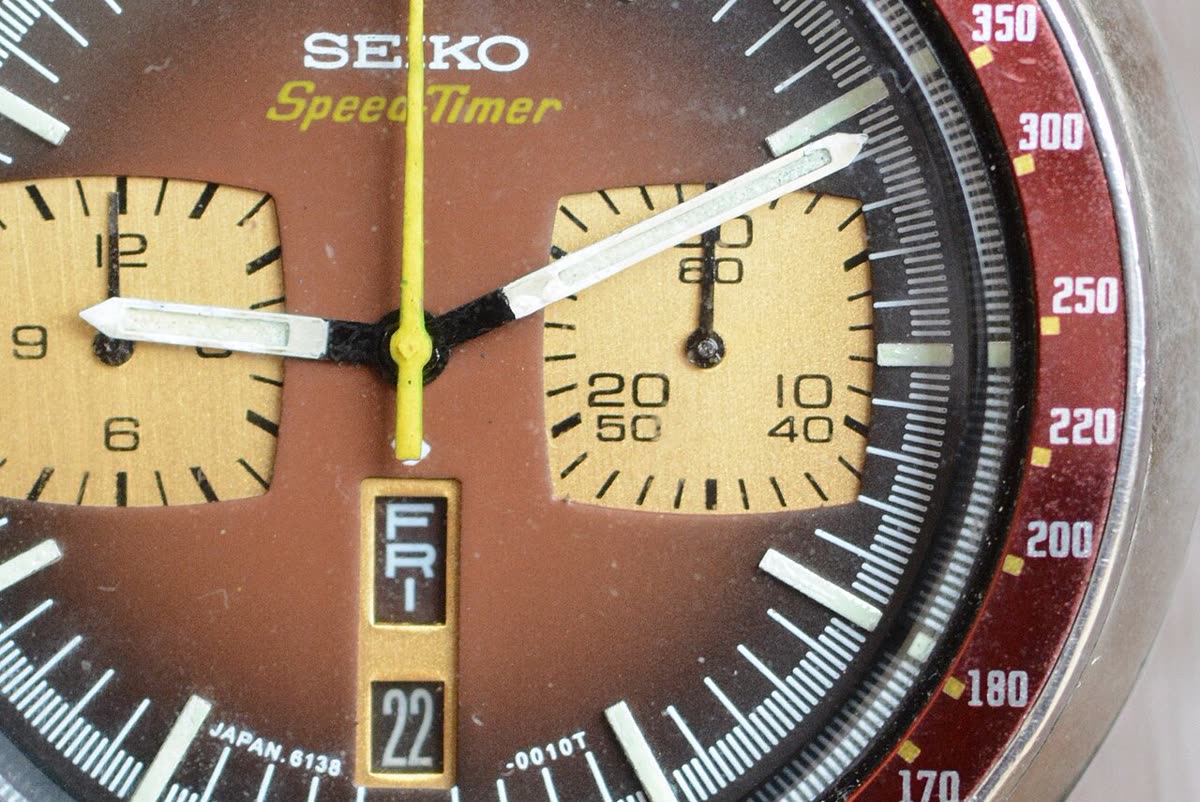
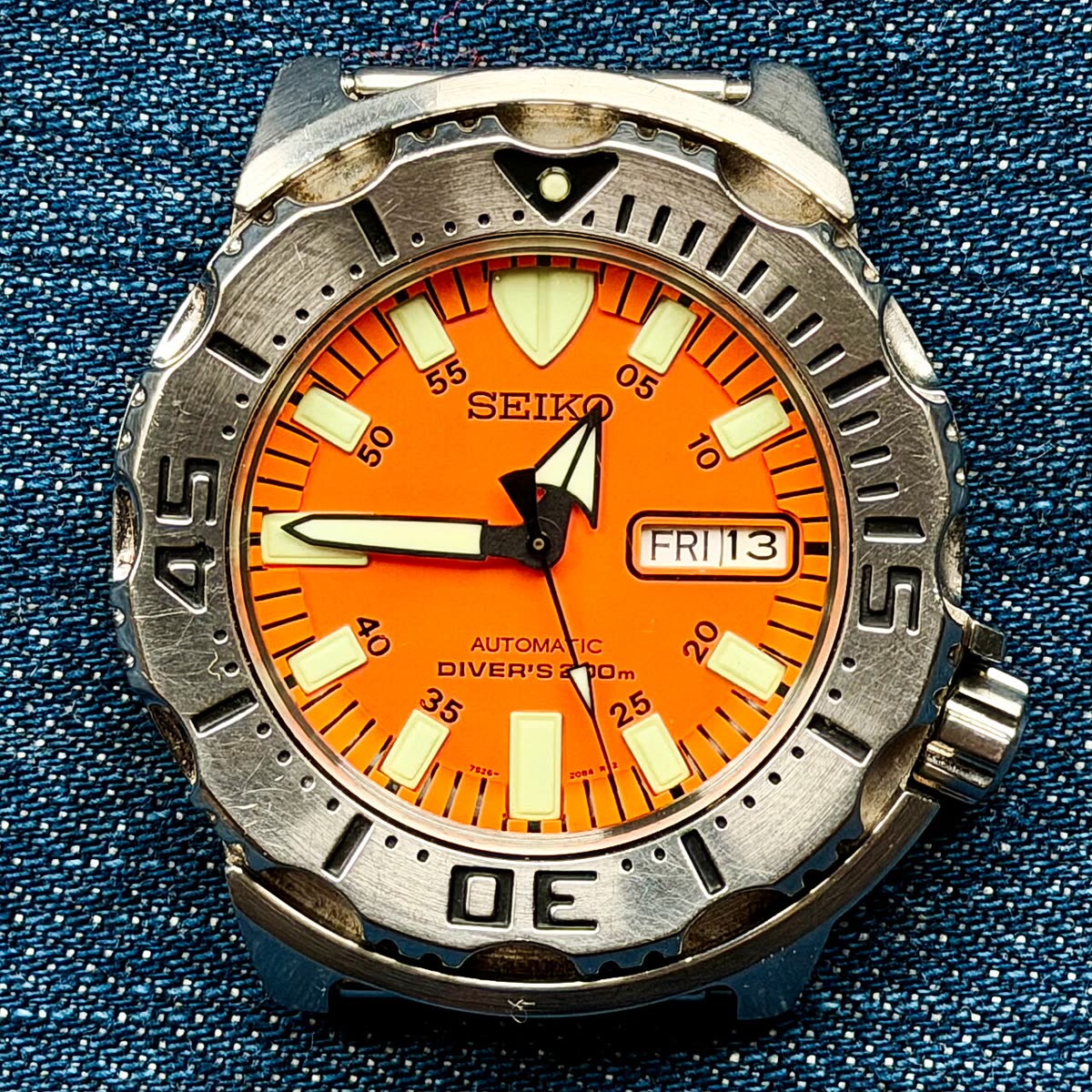
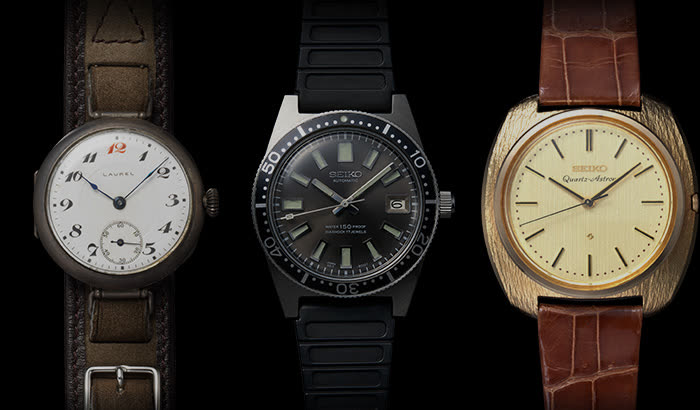
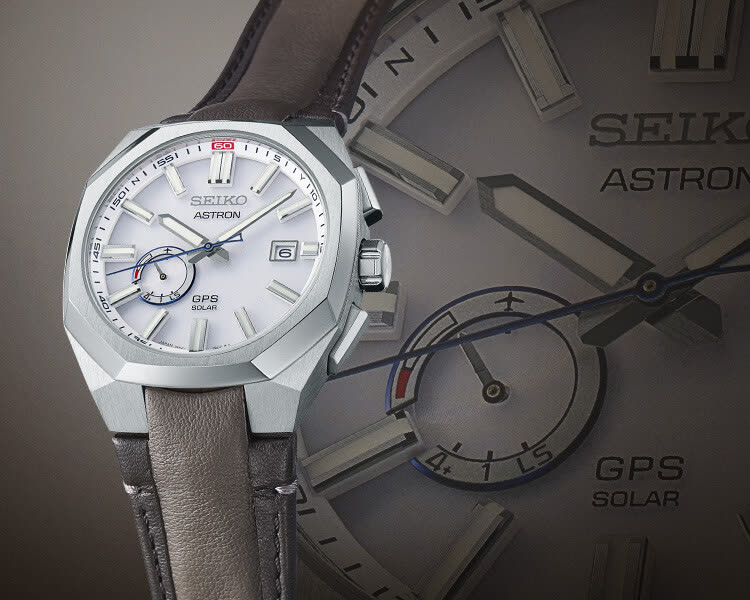
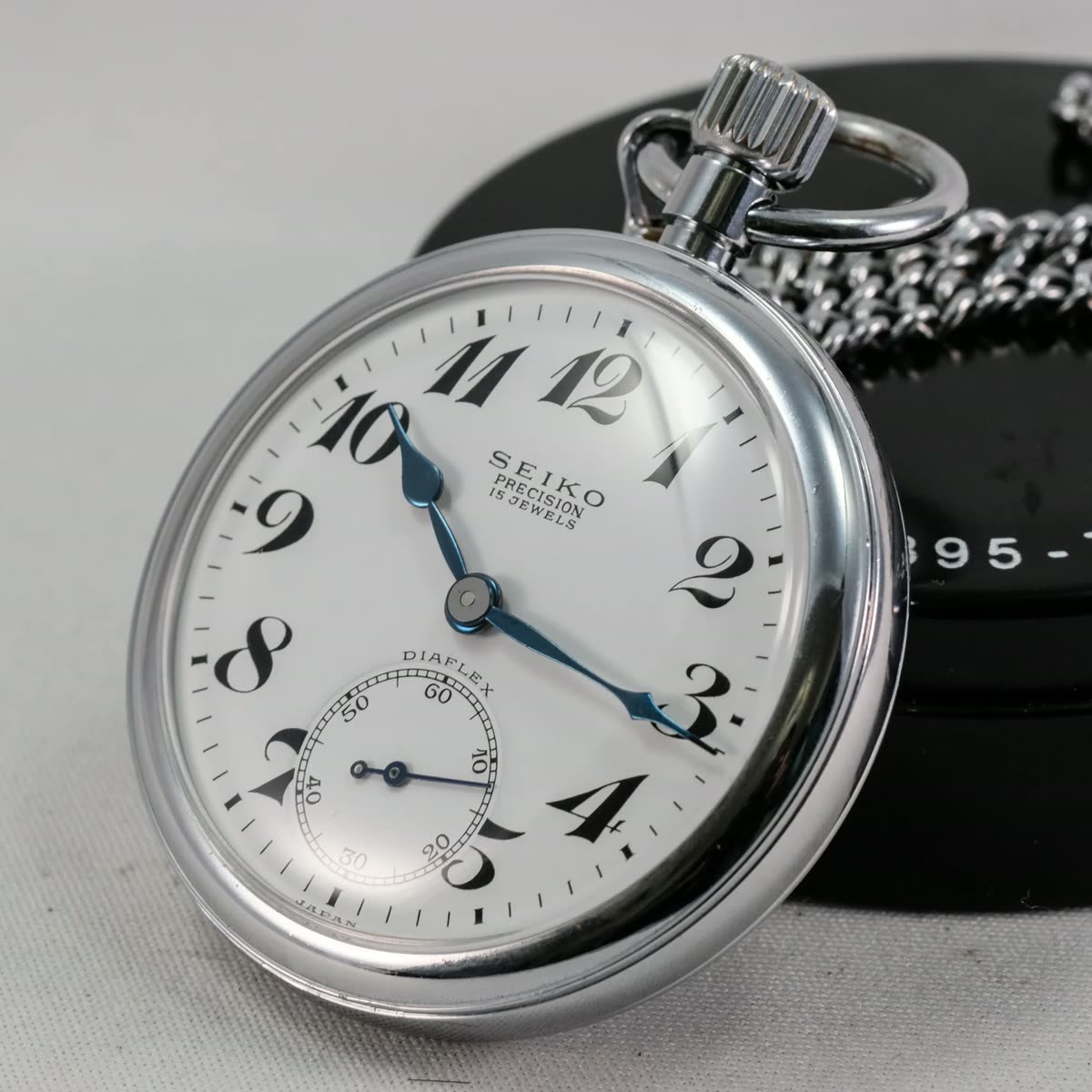
Photographs are illustrative examples of the type, not necessarily the exact object described. Verify details against the source file page.
Sources & references
- Seiko, Wikipedia (English), retrieved 2026-10-27 (text CC BY-SA 4.0)
- Grand Seiko, Wikipedia (English), retrieved 2026-10-27 (text CC BY-SA 4.0)
- Seiko Epson Gruppe, Watch-Wiki, retrieved 2026-10-27
- Seiko 951, Watch-Wiki, retrieved 2026-10-27
- Manufacturer service documentation
- Published Seiko dating references
Where sources disagree, the disagreement is stated rather than resolved silently.