
Le Locle, Switzerland
Favre-Leuba
Partially verifiedWatches, including instruments for altitude and depth
History
One of the oldest Swiss watch names, later notable in the Indian market.
Established in 1737 following the registration of Abraham Favre, the company later evolved through a collaboration between Henry-Augustus Favre and Auguste Leuba in 1815. The firm expanded internationally during the 19th century, becoming the first Swiss watch company to establish itself in India, which eventually became a primary market. Favre-Leuba produced notable technical instruments, including the Bivouac watch with an altimeter and the Bathy model for measuring diving depth. Following the quartz crisis, the company passed through several owners including LVMH and Titan Company before its acquisition by Ethos Ltd in 2024.
The extended history summarises the open references listed under Sources; each statement was checked against the cited passage. Confirm key dates in period documents before relying on them.
Timeline
Favre-Leuba's recorded dates, dated events from this profile and its sources, and dated pieces and sales from the object catalogue. Dates are as each record gives them.
1737 · Career
Established in 1737 following the registration of Abraham Favre, the company later evolved through a collaboration between Henry-Augustus Favre and Auguste Leuba in 1815.
1962 · Career
The company launched the Bivouac in 1962, representing the first mechanical watch equipped with an altimeter and aneroid barometer.
1962 · Career
The FL251 caliber was launched in 1962 as an extra-flat, twin-barrel movement with a 50-hour power reserve.
1962 · Catalogued piece
1968 · Career
In 1968, the Bathy was introduced as the first mechanical watch capable of measuring dive time, duration, and diving depth.
1968 · Career
Favre-Leuba was among the first companies to combine automatic winding with its twin-barrel calibers in 1968.
1974 · Catalogued piece
2023 · Career
In 2023, the brand began a restart under the ownership of the Indian company KDDL with Patrik Hoffmann serving as CEO.
2024 · Career
Following the quartz crisis, the company passed through several owners including LVMH and Titan Company before its acquisition by Ethos Ltd in 2024.
2024 · Career
As of 2024, the brand is owned by the Indian watch retailer Ethos Ltd. following a relaunch of the company.
Current watchmaking & later fate
- As of 2024, the brand is owned by the Indian watch retailer Ethos Ltd. following a relaunch of the company.
- In 2023, the brand began a restart under the ownership of the Indian company KDDL with Patrik Hoffmann serving as CEO.
As stated in the references listed under Sources, retrieved 2026-10-27. Ownership and collections change; check the maker's own announcements for the latest position.
Key models
- Bivouac
- Introduced in 1962, this model was the first mechanical watch featuring both an altimeter and an aneroid barometer.
- Raider Bivouac 9000
- Debuting in 2017, this watch is marketed as the only mechanical timepiece capable of measuring altitudes up to 9000 meters.
- Raider Harpoon
- This diver's watch, featuring a patented time display system, was launched in 2016.
Major innovations
- The company launched the Bivouac in 1962, representing the first mechanical watch equipped with an altimeter and aneroid barometer.
- In 1968, the Bathy was introduced as the first mechanical watch capable of measuring dive time, duration, and diving depth.
- The FL251 caliber was launched in 1962 as an extra-flat, twin-barrel movement with a 50-hour power reserve.
- Favre-Leuba was among the first companies to combine automatic winding with its twin-barrel calibers in 1968.
Known markings
- 'Favre-Leuba'
- The brand used the signature A. Favre & Fils on its earlier timepieces.
- The brand name Favre-Leuba was created in 1815 to broaden the family business.
Serial numbers
This archive holds no verified serial-number table for this maker. Do not date a piece from its serial number alone; use case hallmarks, movement construction, trade directories and documented comparison examples.
Collecting significance
Originality of dial, hands, case and movement is the main consideration. Confirm that the movement belongs to the case and that the dial has not been refinished, and record what is verified separately from what is inferred.
Identification and dating notes
- Watches featuring the FL101 caliber are associated with the Sea Chief, Sea King, and Sea Raider model lines from 1955.
- The presence of an aneroid barometer in Bivouac models identifies these watches as production pieces designed for high-altitude exploration.
In the object catalogue
3 catalogued objects are recorded under Favre-Leuba. Attributions are as given by each source and are not independent authentication.
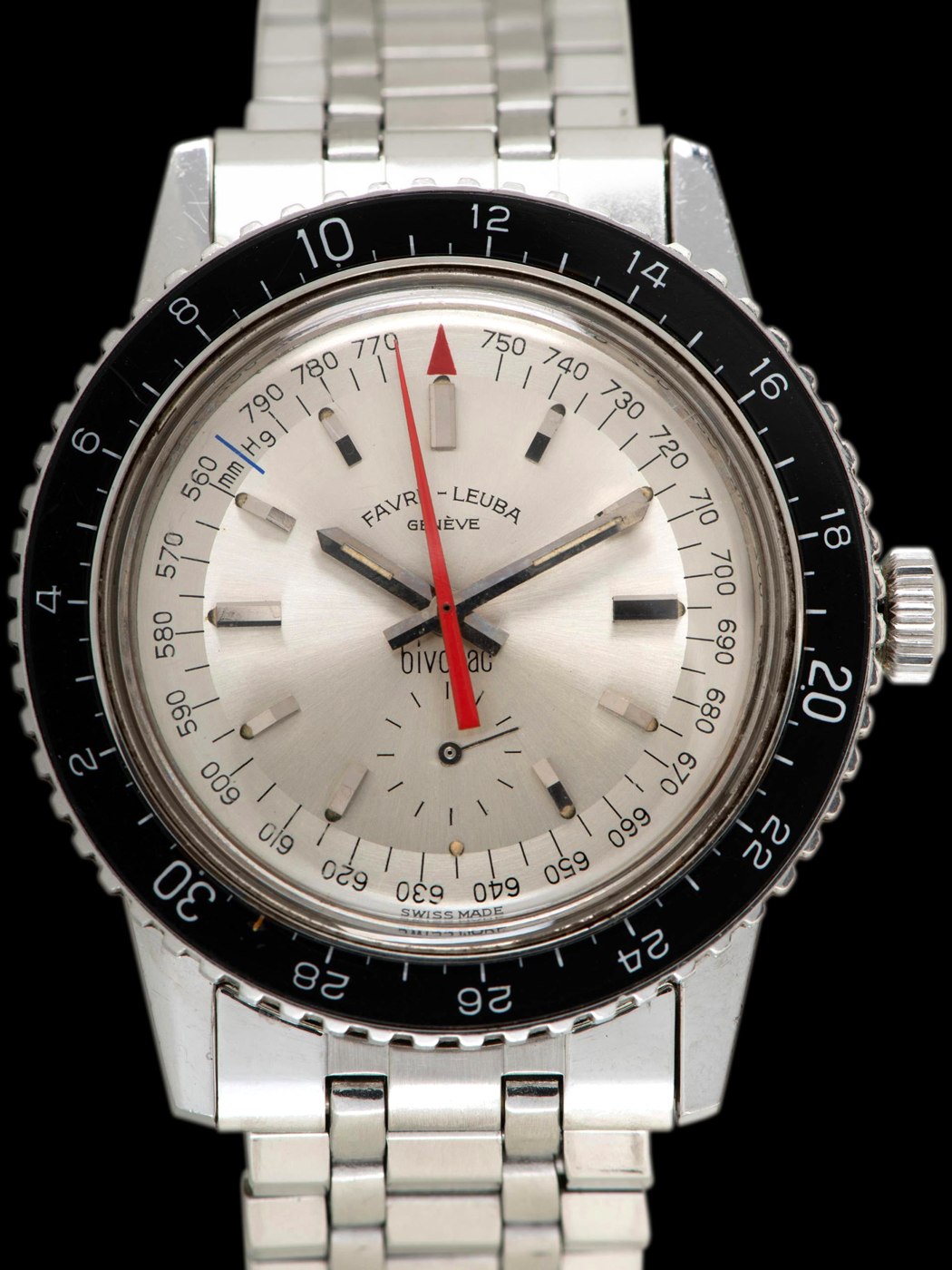
- Favre-Leuba Bivouac Ref. 53213Hand-wound wristwatch · 1962
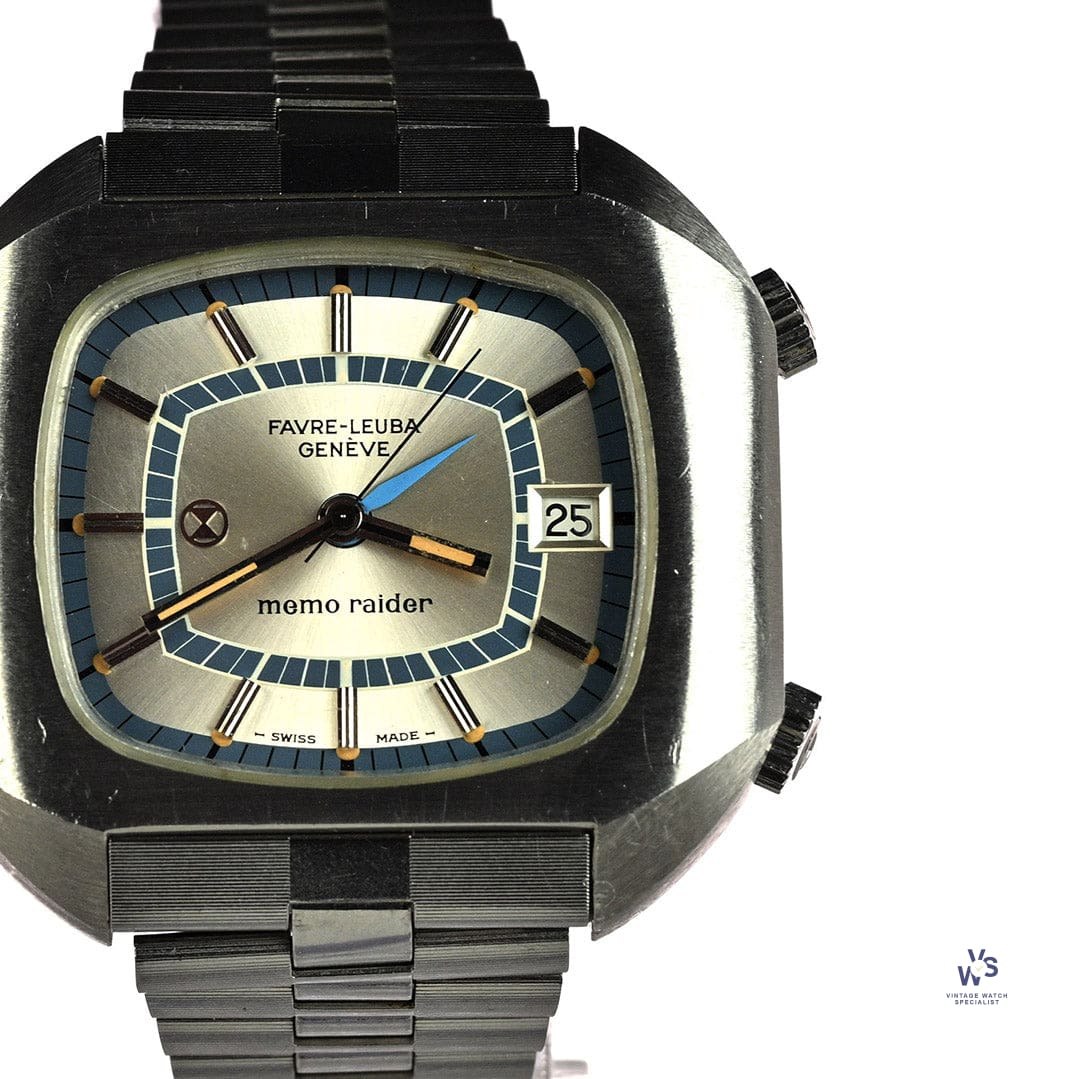
- Favre-Leuba Genève Memo Raider Alarm WatchAlarm wristwatch · c.1970s
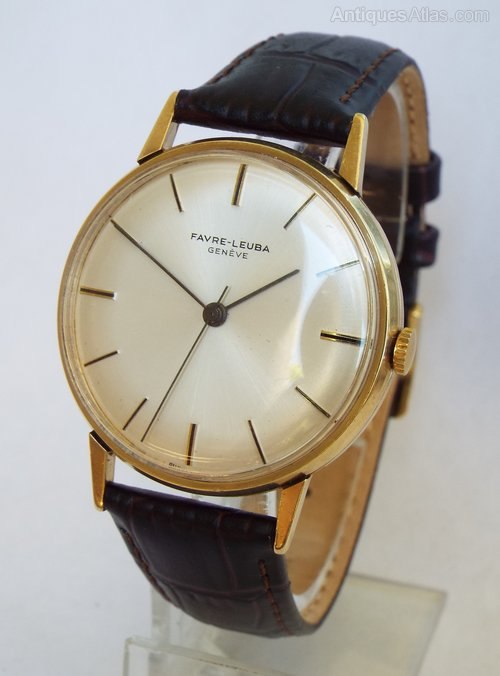
- Gents 9ct Gold Favre Leuba Dress WatchHand-wound wristwatch · 1974
Provenance
Where the 3 catalogued pieces by Favre-Leuba were recorded, with the collectors, owners and sales their records name.
Provenance map
Each piece is linked to the museum, auction house or dealer whose record it comes from, and to any other house or collection its own provenance names. Select a name to see its pieces.
Dealers & other listings · 3 pieces
Antiques Atlas
Dealer · 1 piece
Gents 9ct Gold Favre Leuba Dress WatchHand-wound wristwatch · 1974 · Record source
The record names no sale, lot or earlier owner.
Each line is copied from the object's source record and is not independently verified. Holders are as recorded when the piece was catalogued: museum objects may not be on display, and sold lots have since changed hands.
Photographs
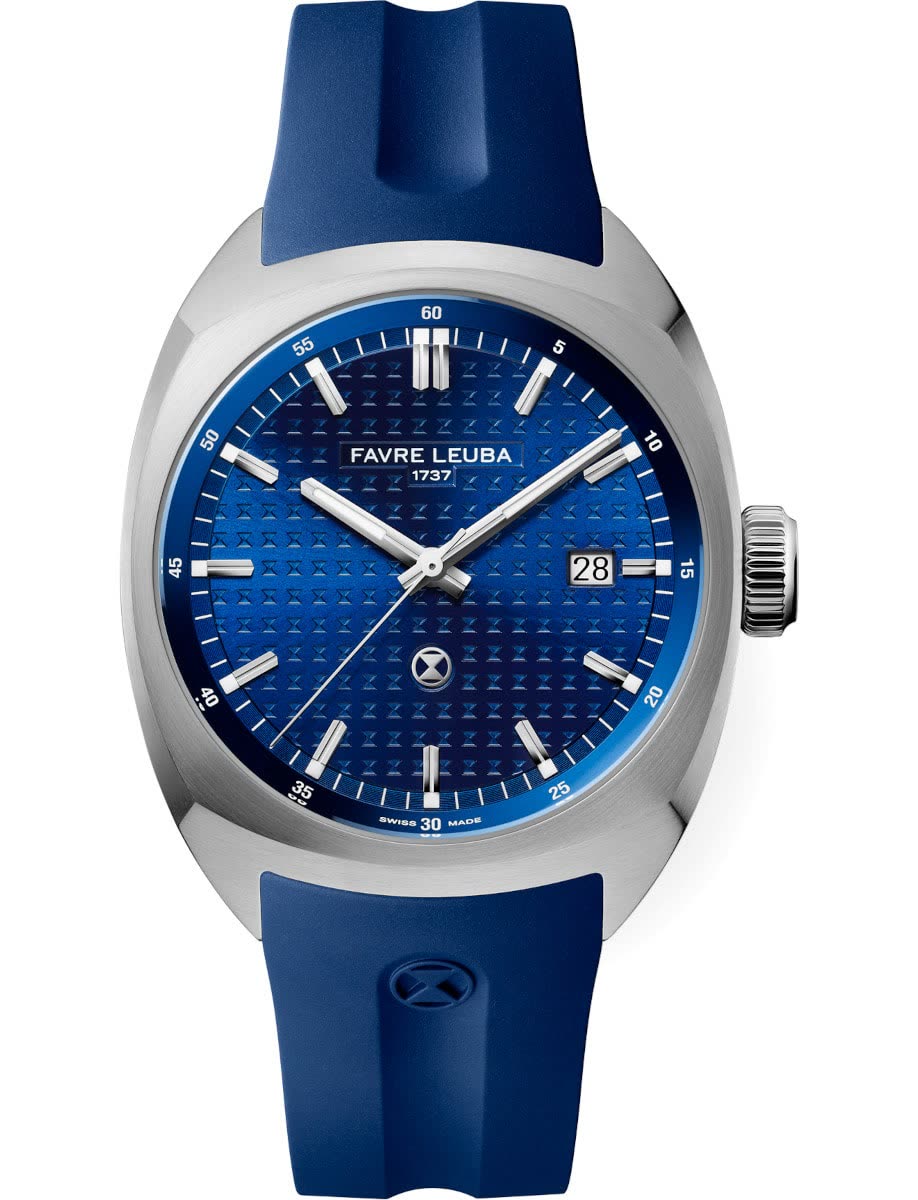
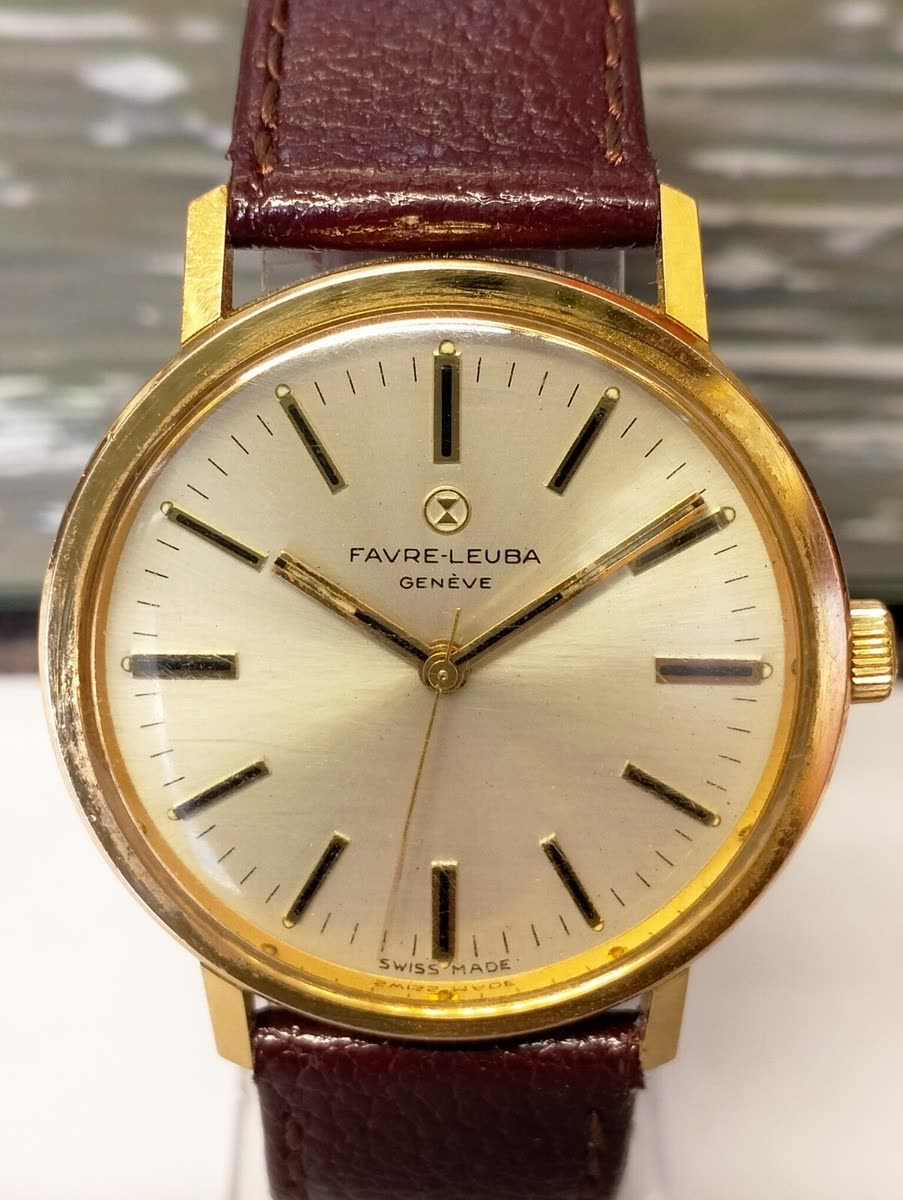
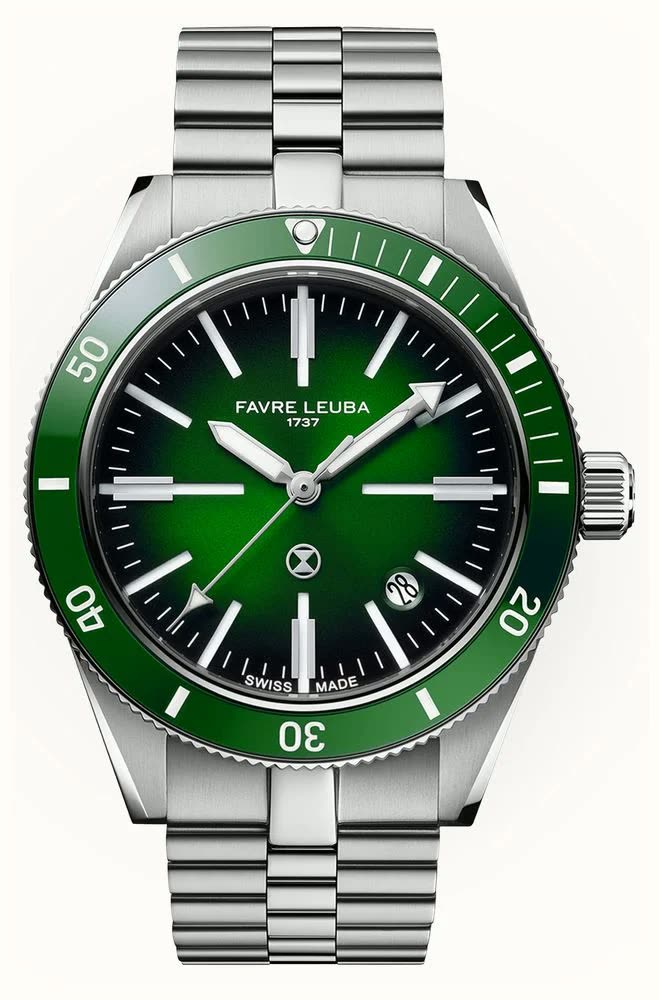
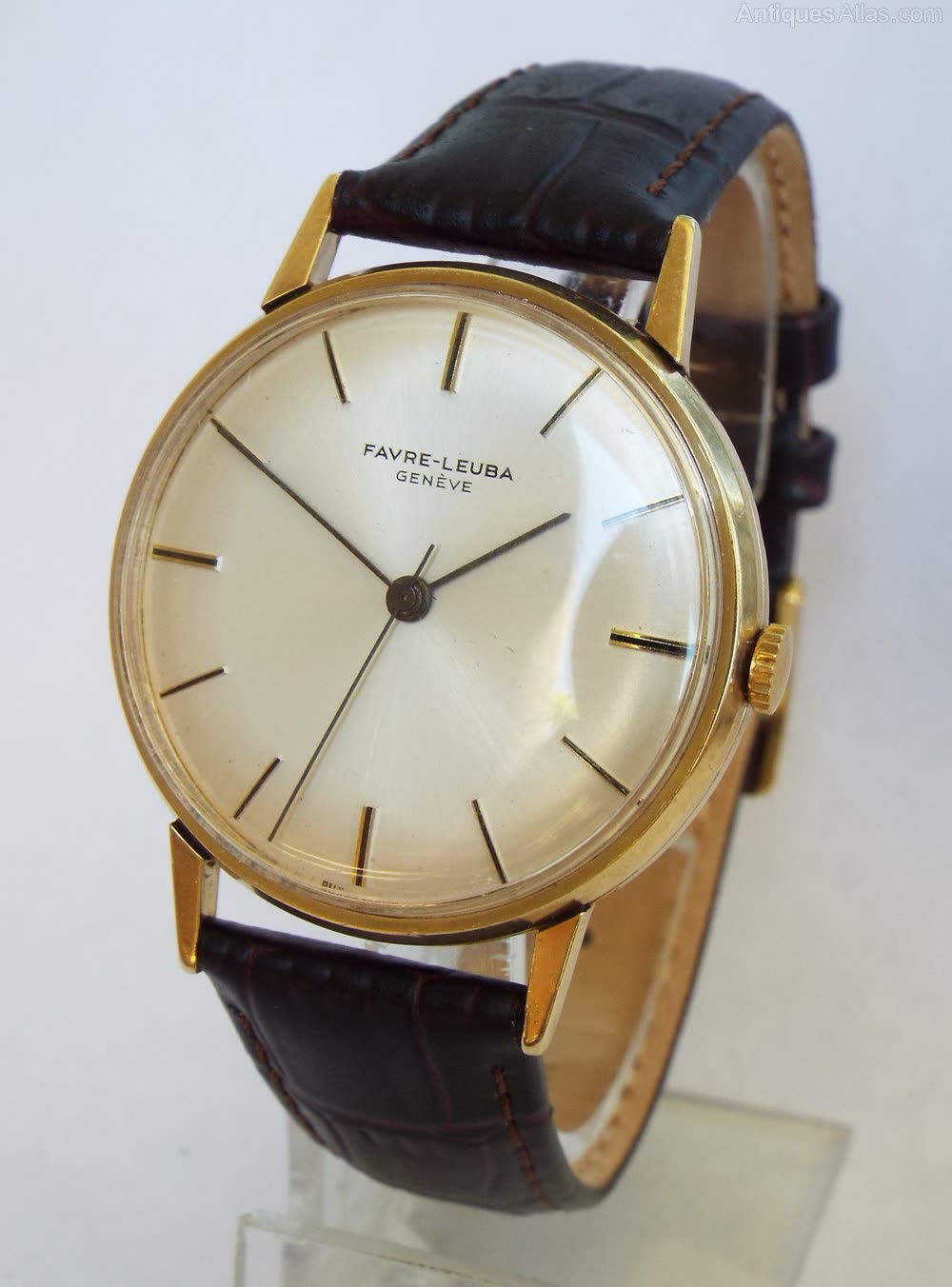
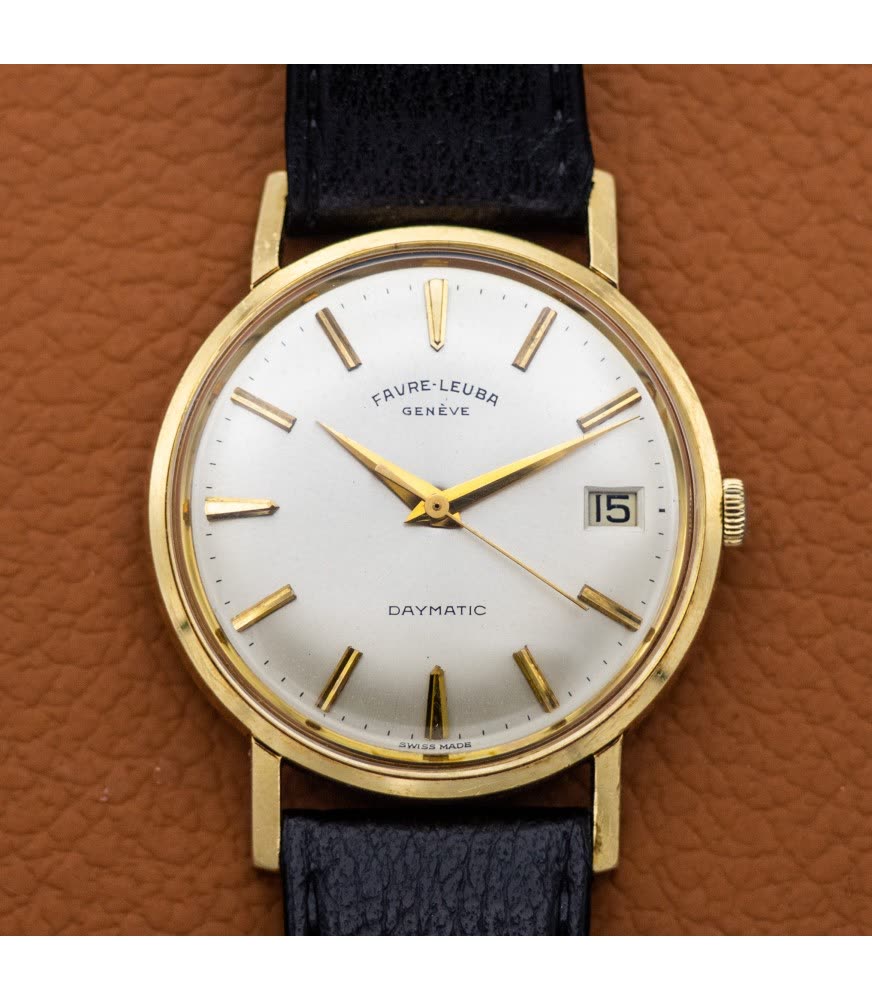
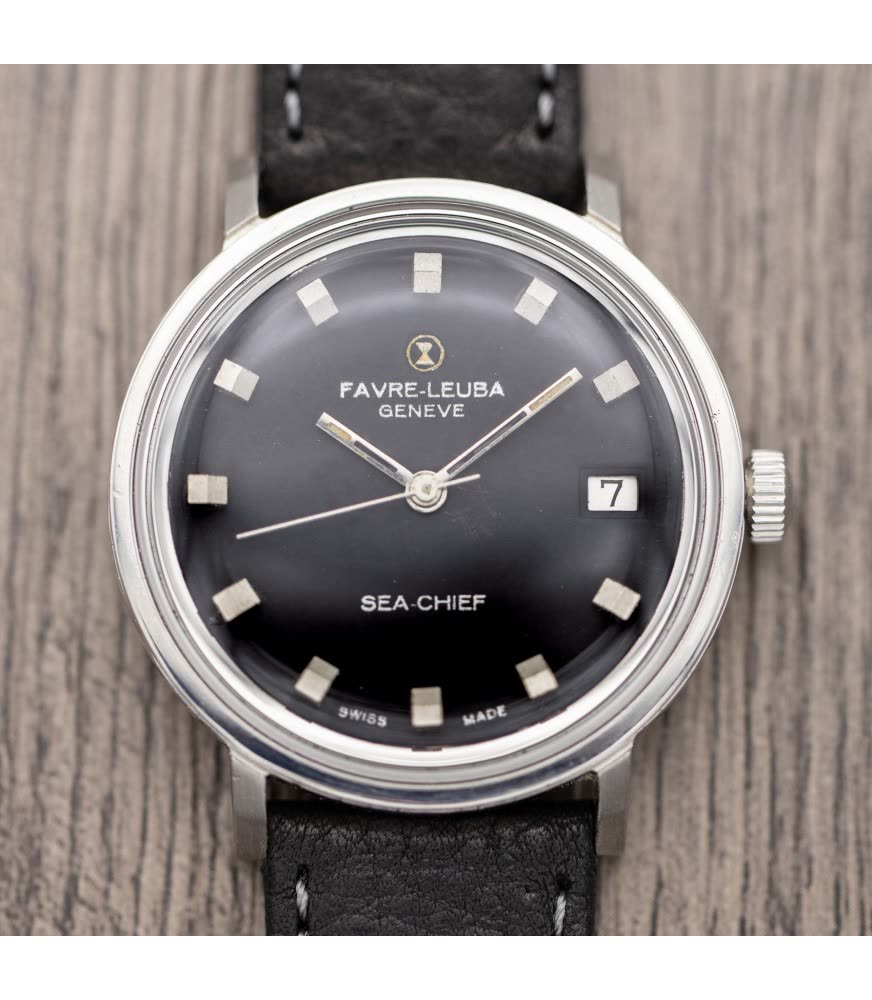
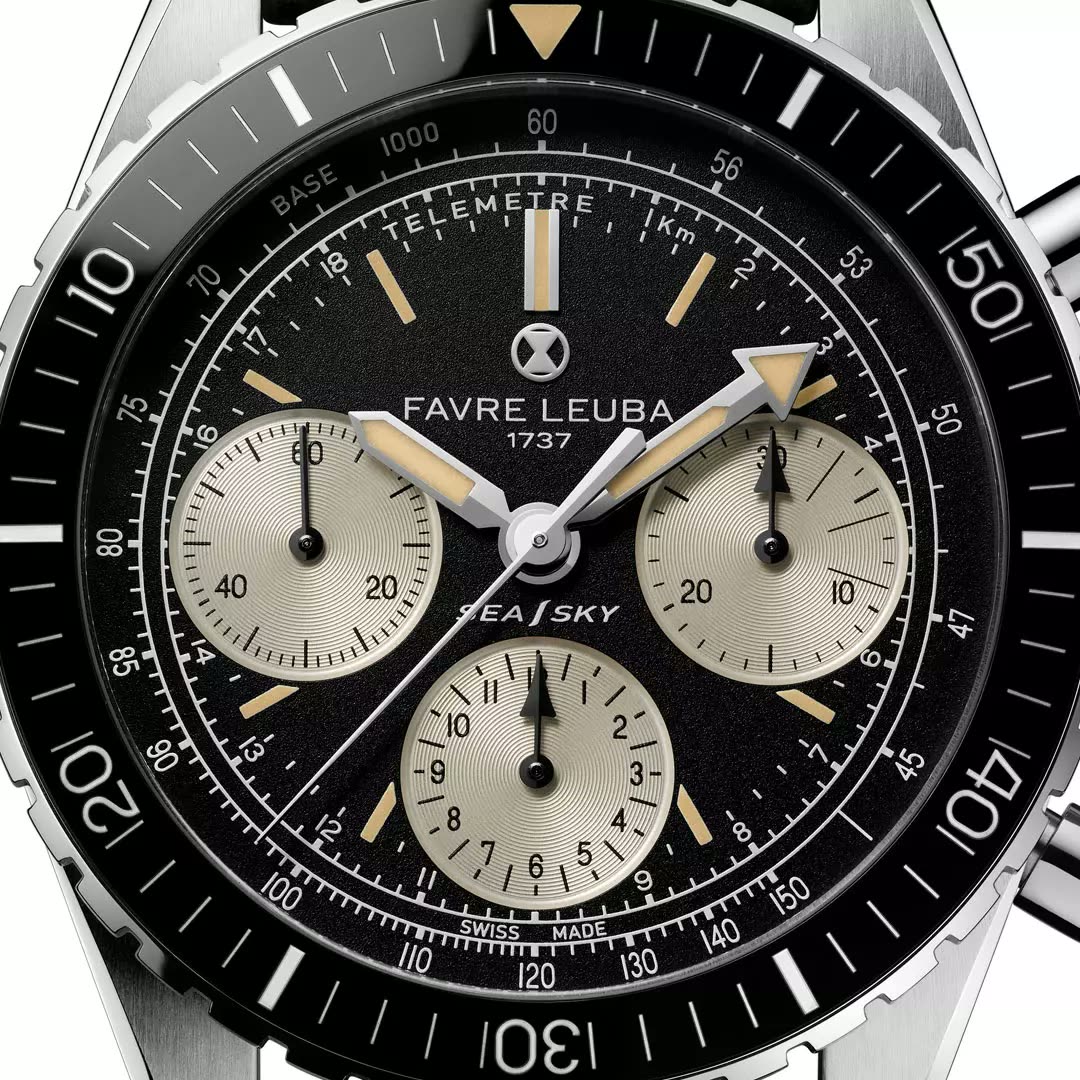
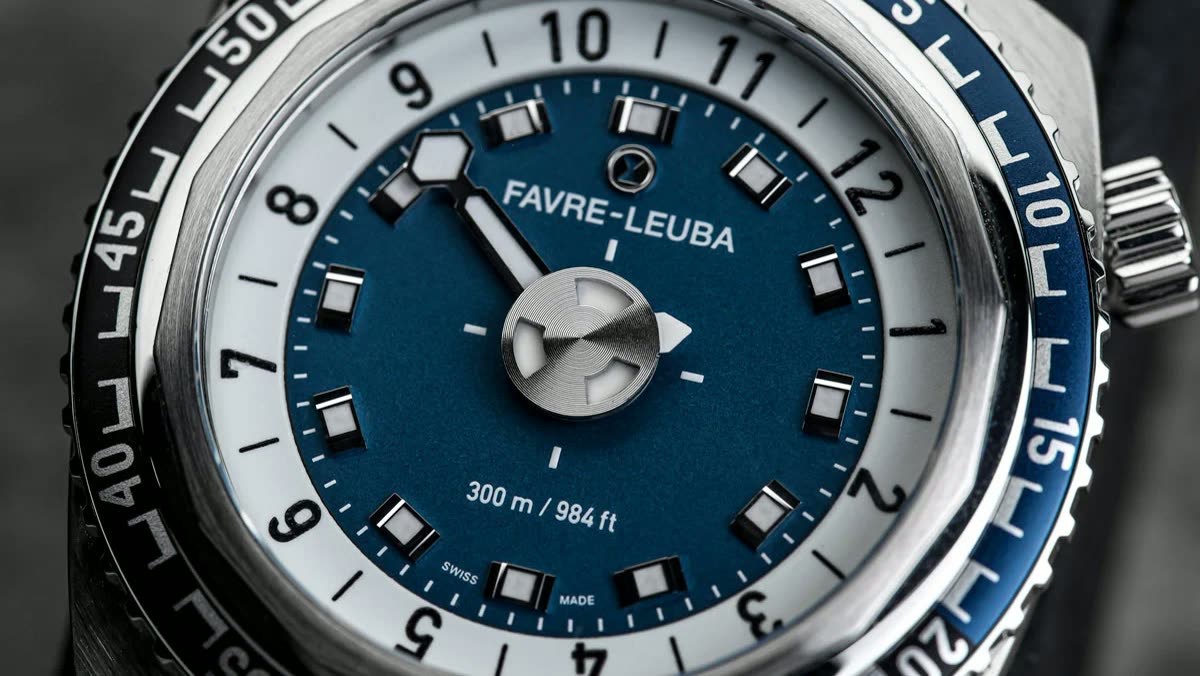
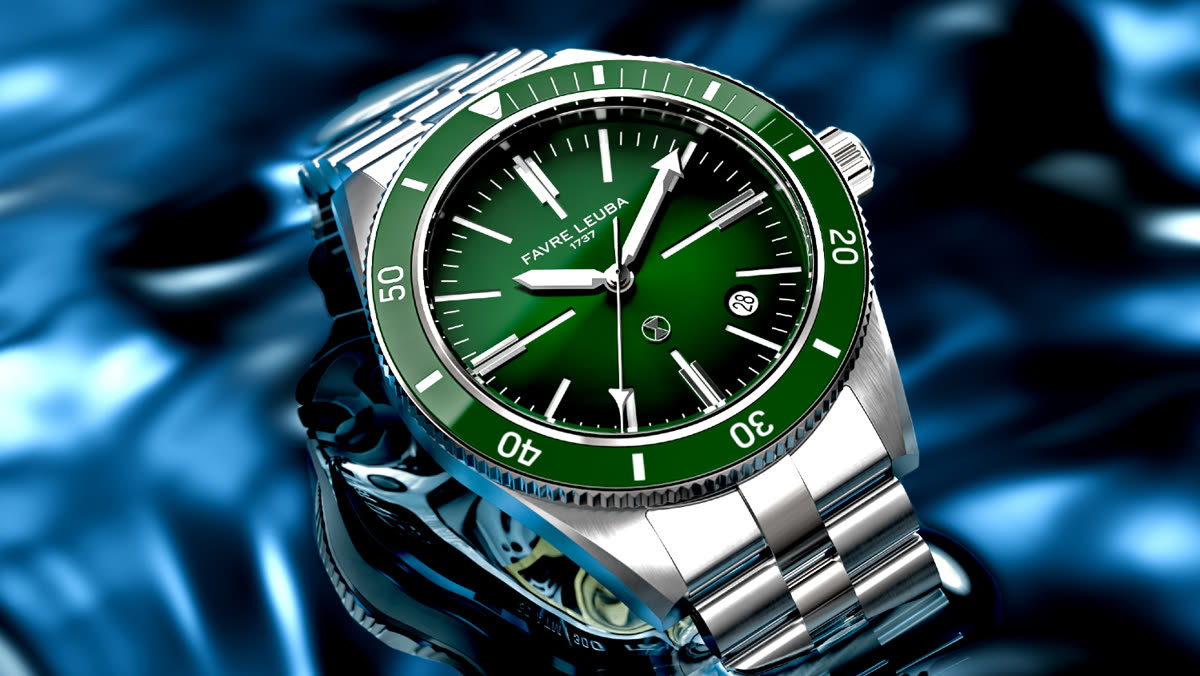
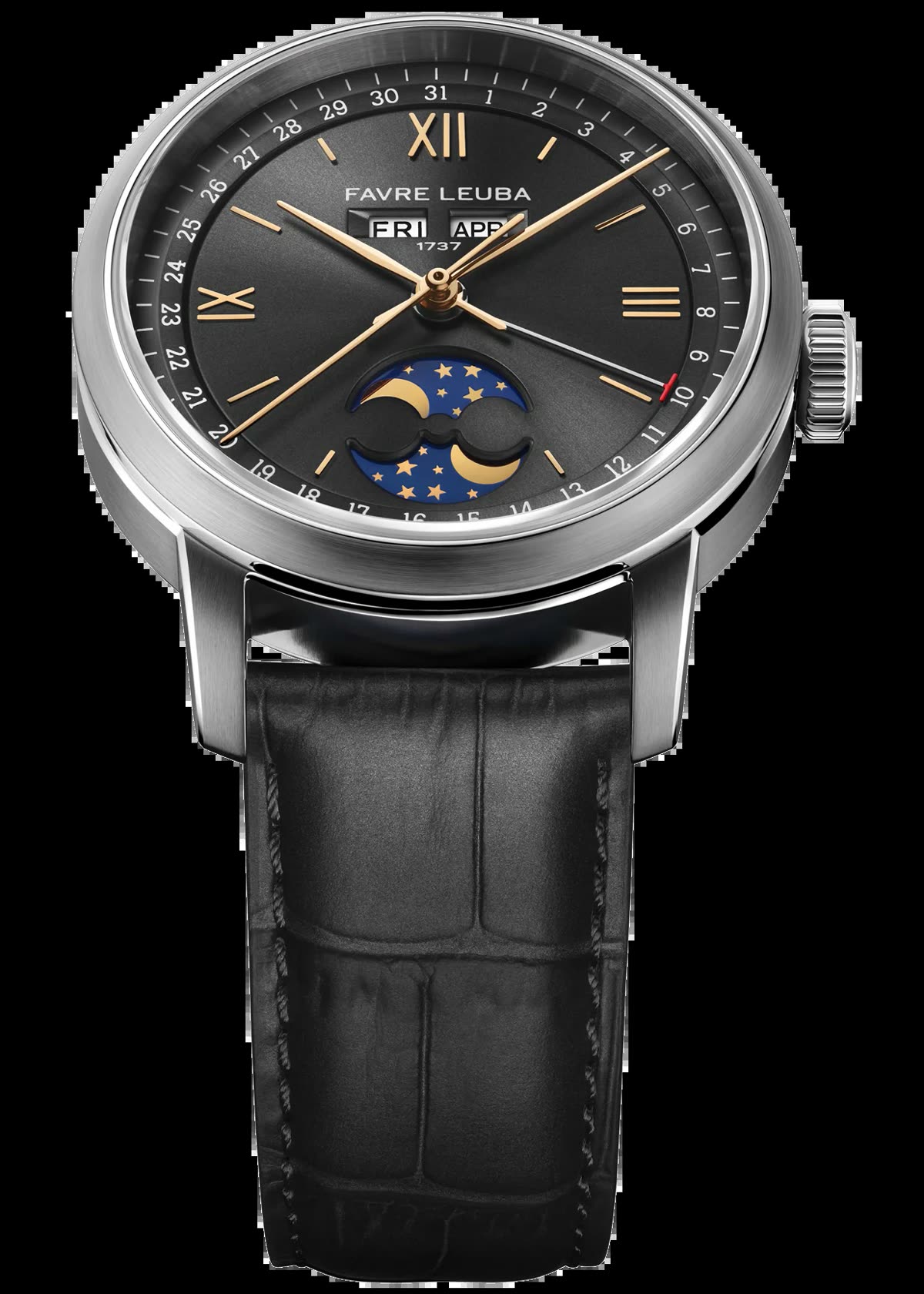
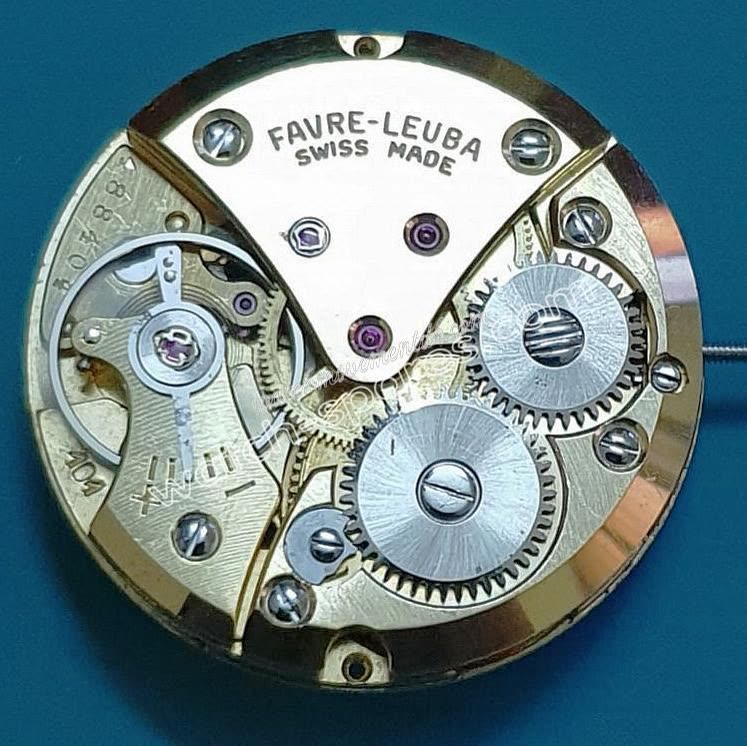
Photographs are illustrative examples of the type, not necessarily the exact object described. Verify details against the source file page.
Sources & references
- Favre-Leuba, Wikipedia (English), retrieved 2026-10-27 (text CC BY-SA 4.0)
- Favre-Leuba, Wikipedia (German), retrieved 2026-10-27 (text CC BY-SA 4.0)
- Kathleen H. Pritchard, Swiss Timepiece Makers 1775–1975
- Brian Loomes, Watchmakers and Clockmakers of the World
- Mikrolisk trademark and maker index
- Published trade directories and period material catalogues
Where sources disagree, the disagreement is stated rather than resolved silently.