
Glossary · Trade
Gilding
Coating brass movement parts with a thin layer of gold, historically by fire-gilding (mercury amalgam).
Explanation
Gilding coats brass movement plates with a thin gold layer. Historically this was fire-gilding with mercury amalgam — effective but lethally toxic to the gilders — replaced by electroplating in the 19th century. Gilding protects against corrosion and gives the warm colour of English and Swiss movements; later 'gilt' finishes are often just lacquer or plating.
In the object catalogue
Catalogued objects whose own source record mentions “Gilding”. The quoted line shows where; it is the seller’s or museum’s wording, not independent verification.
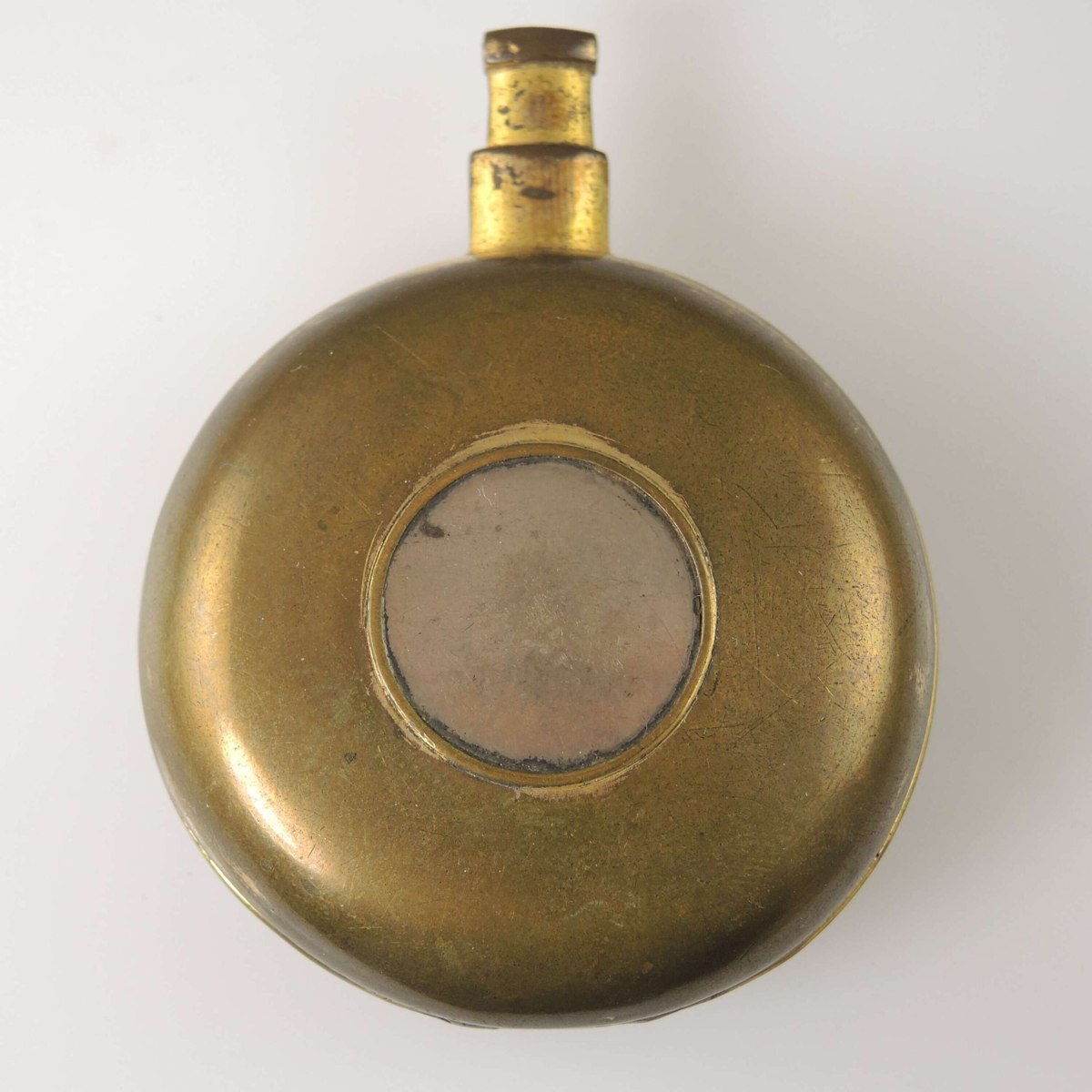
Component
Georgian gilt pocket watch hunter case, circa 1810
“This item is an antique Georgian-era gilt pocket watch case described by the seller as intended for a verge movement, dating to circa 1810. The seller states that the case was o…”
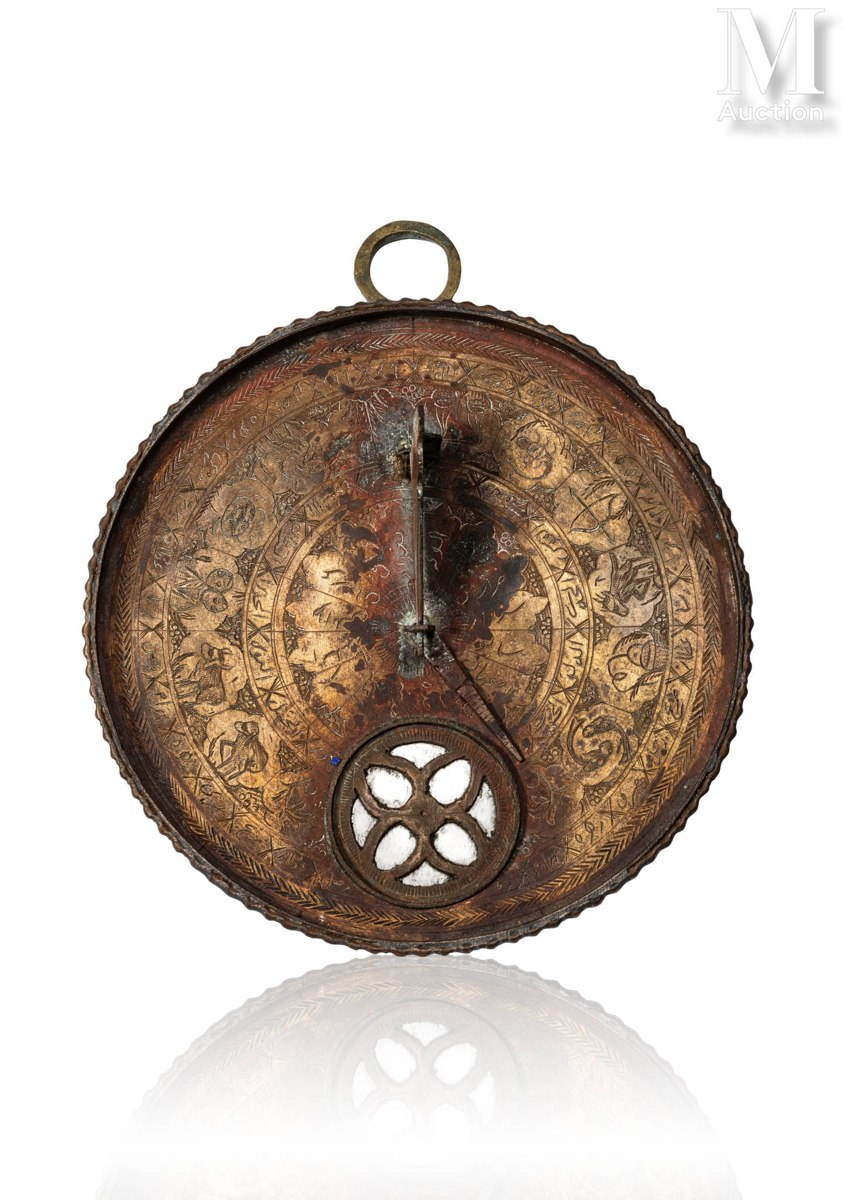
Tool
Qajar Engraved Brass Compass-Sundial Instrument
“Condition: Oxidation, chips in gilding, missing central front element”
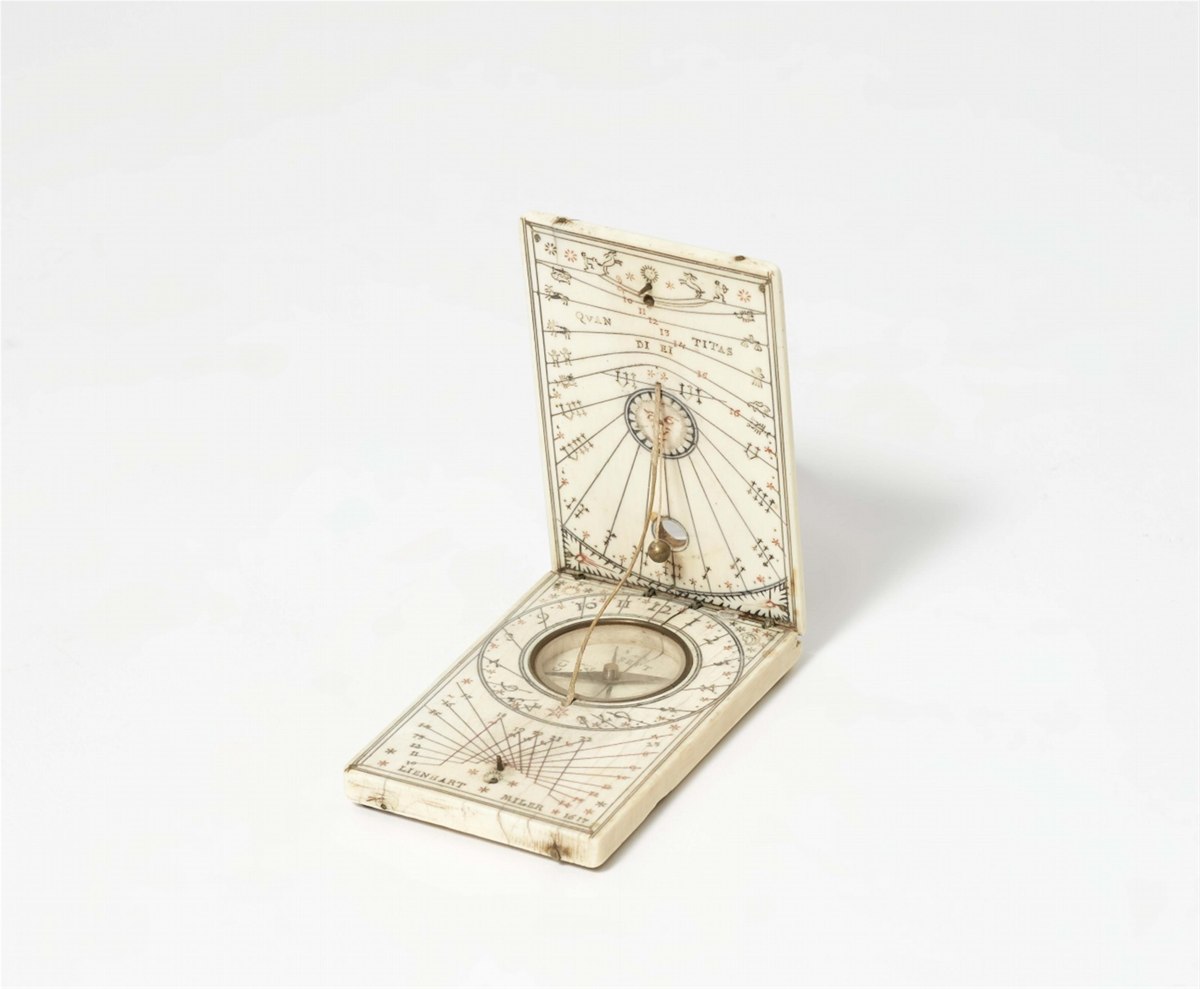
Tool
Nuremberg ivory folding sundial and compass by Lienhart Miler
“This diptych sundial and compass was produced in Nuremberg and is dated 1617. Crafted from carved and painted ivory with metal mountings, gilding, and a hemp cord, the instrumen…”
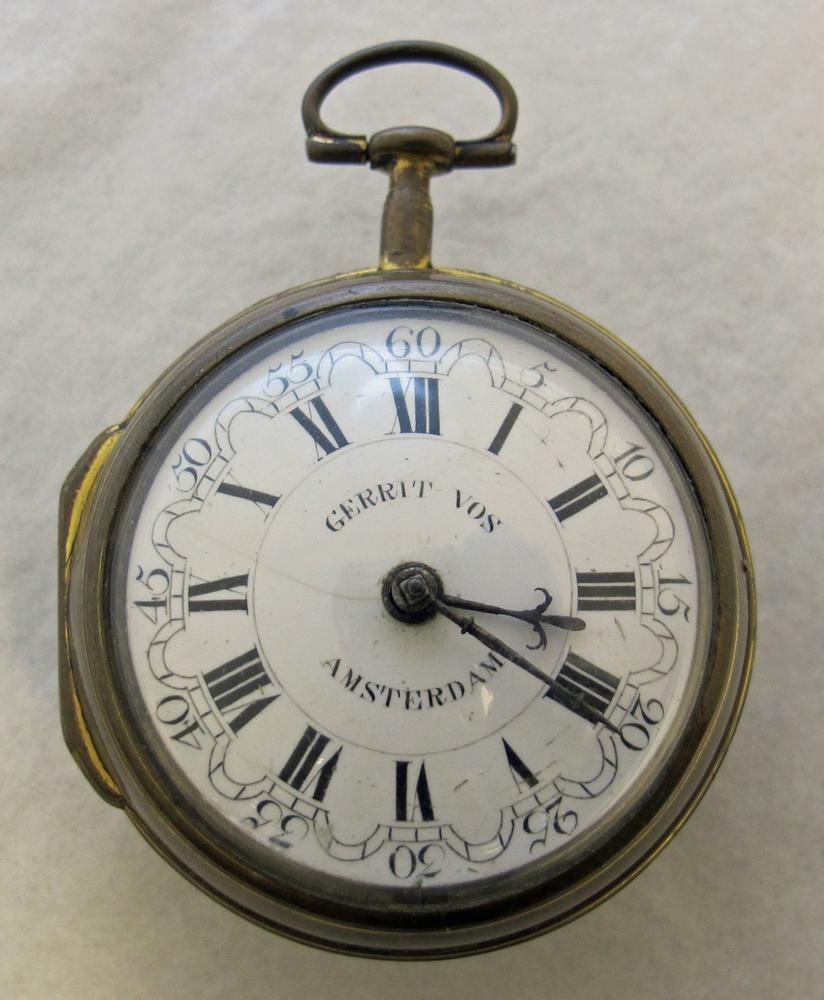
Pocket watch
Gilt-brass cased pocket watch with verge escapement
“Gilt-brass case showing substantial wear through the gilding”
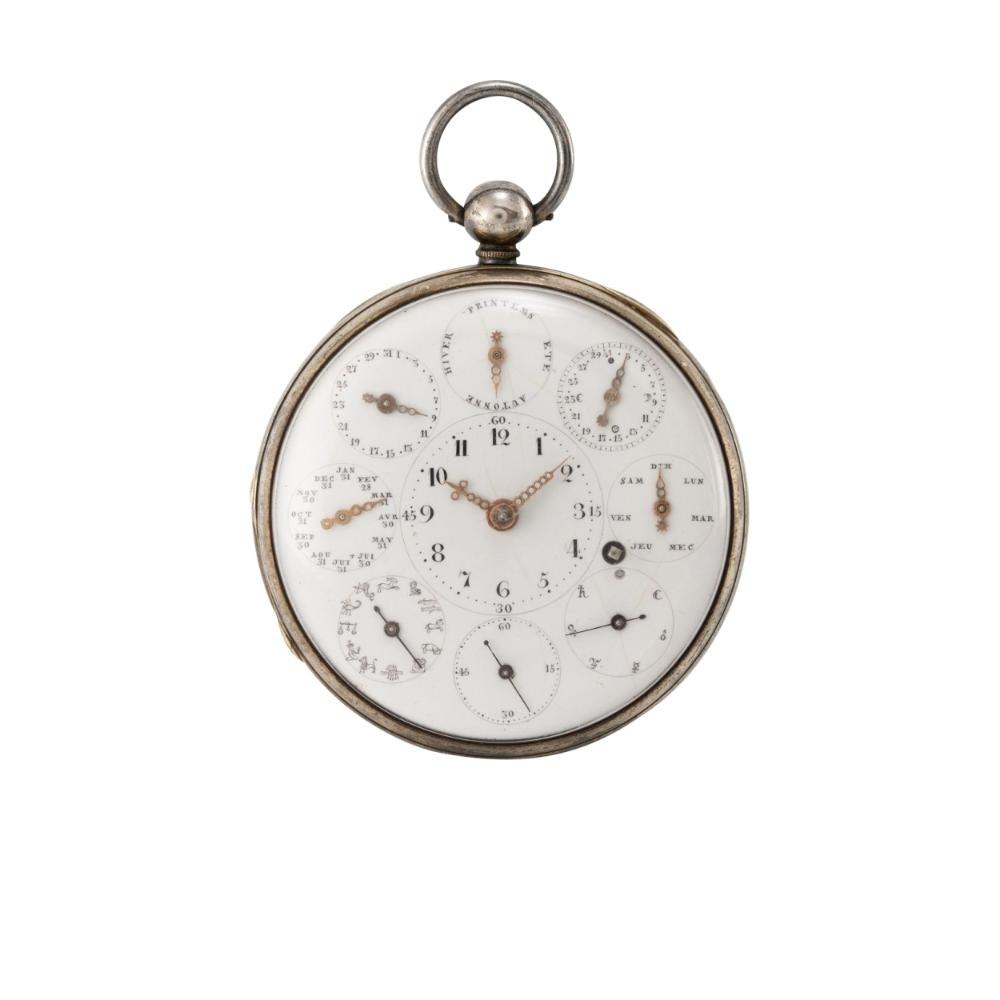
Pocket watch
Anonymous Double-Sided Astronomic Pocket Watch
“This double-sided astronomical pocket watch, catalogued as Lot 278 by Auktionen Dr. Crott, dates to circa 1830 with origin reported as France. It features a 59 mm silver case wi…”
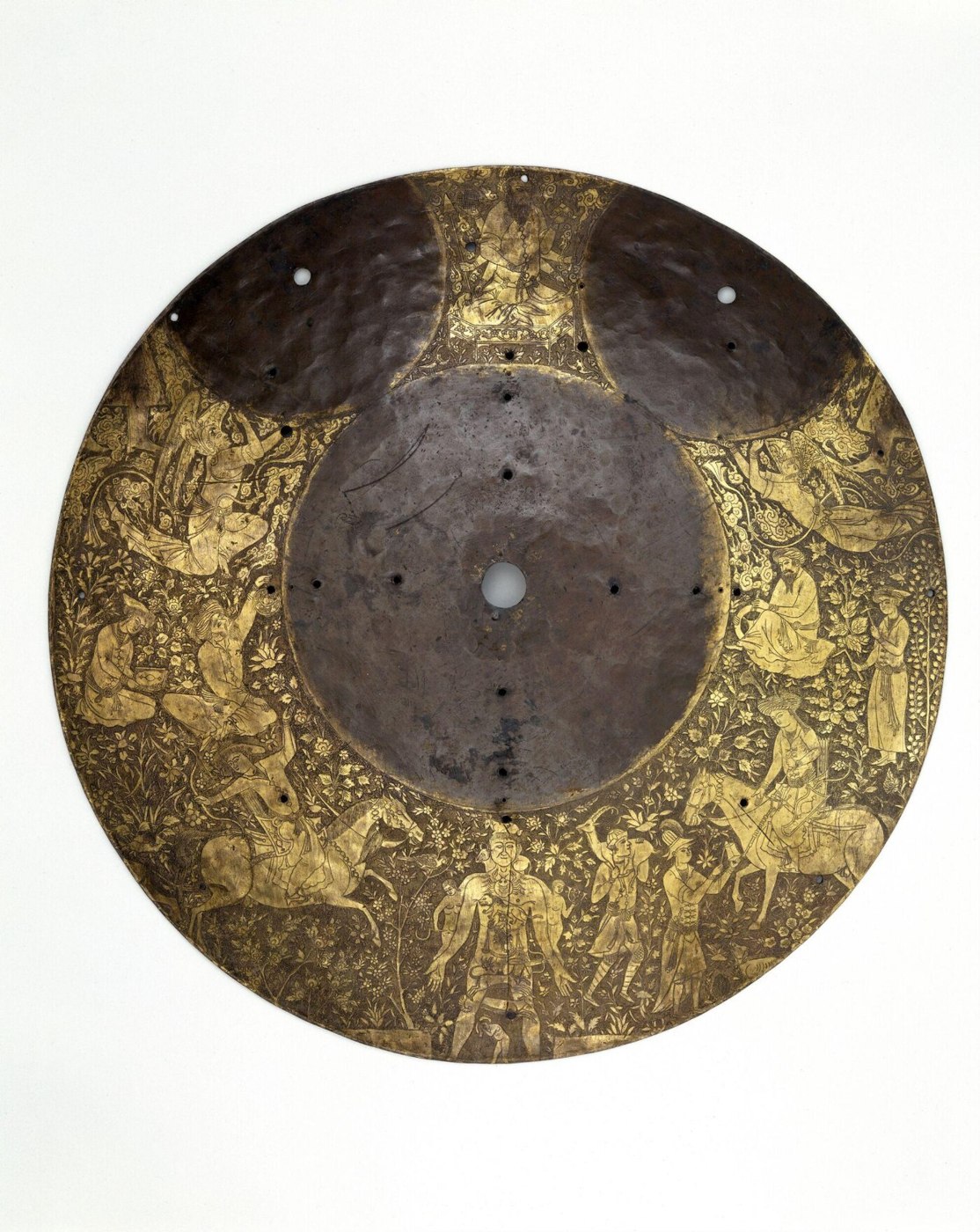
Component
Dial from an astronomical instrument
“This object is a convex, gilt copper dial disc, believed to be a component from a complex astronomical or astrological clock. The disc was originally cut from a flat, rectangula…”