
Component record · Keyless work
Setting Lever Spring
Partially verifiedThe detent spring that holds the setting lever in each crown position (winding, date setting where fitted, and hand setting).
What it does
Gives the crown its positive clicks between positions and keeps the stem from being pulled out or pushed in accidentally.
How it works
The setting lever engages a groove in the stem. A pin or projection on the lever rides in notches on the setting lever spring, so the lever, and therefore the stem, stops in defined positions.
In many calibres the setting lever screw doubles as the stem release: pressing it lifts the lever from the stem groove so the stem and crown can be withdrawn.
The spring's notches wear with use. When they do, the crown loses its definite clicks and may slip into setting while being wound, or the stem may pull out.
Evolution
Combined keyless cover plates that unite the setting-lever spring, yoke spring and setting-wheel retention became standard in mass-produced calibres.
Known variations
- Separate detent spring
- Spring integrated into the keyless cover plate
- Springs with an extra notch for quick-set date positions
Identification for collectors
- Weak or vague crown positions point to a worn spring or setting lever pin
Common failure modes
- Worn detent notches
- Cracked spring
- Stem pulling out because the lever no longer holds
Photographs
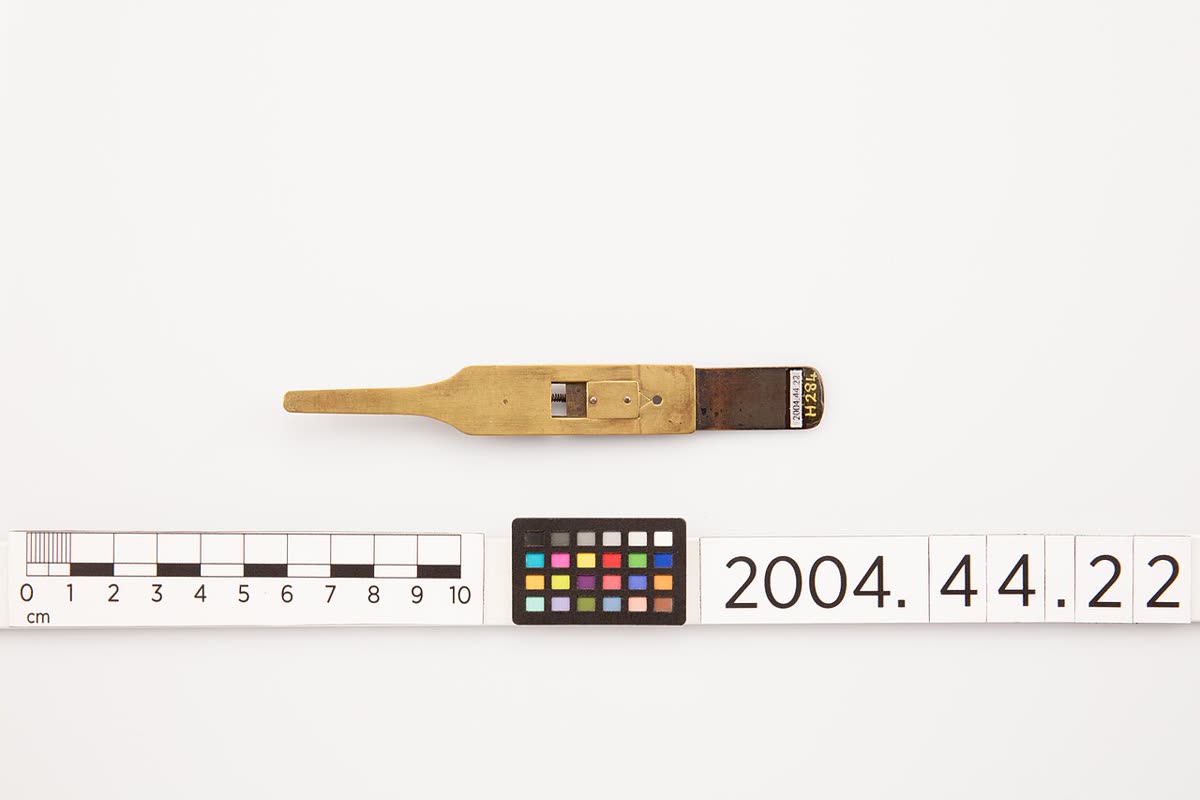
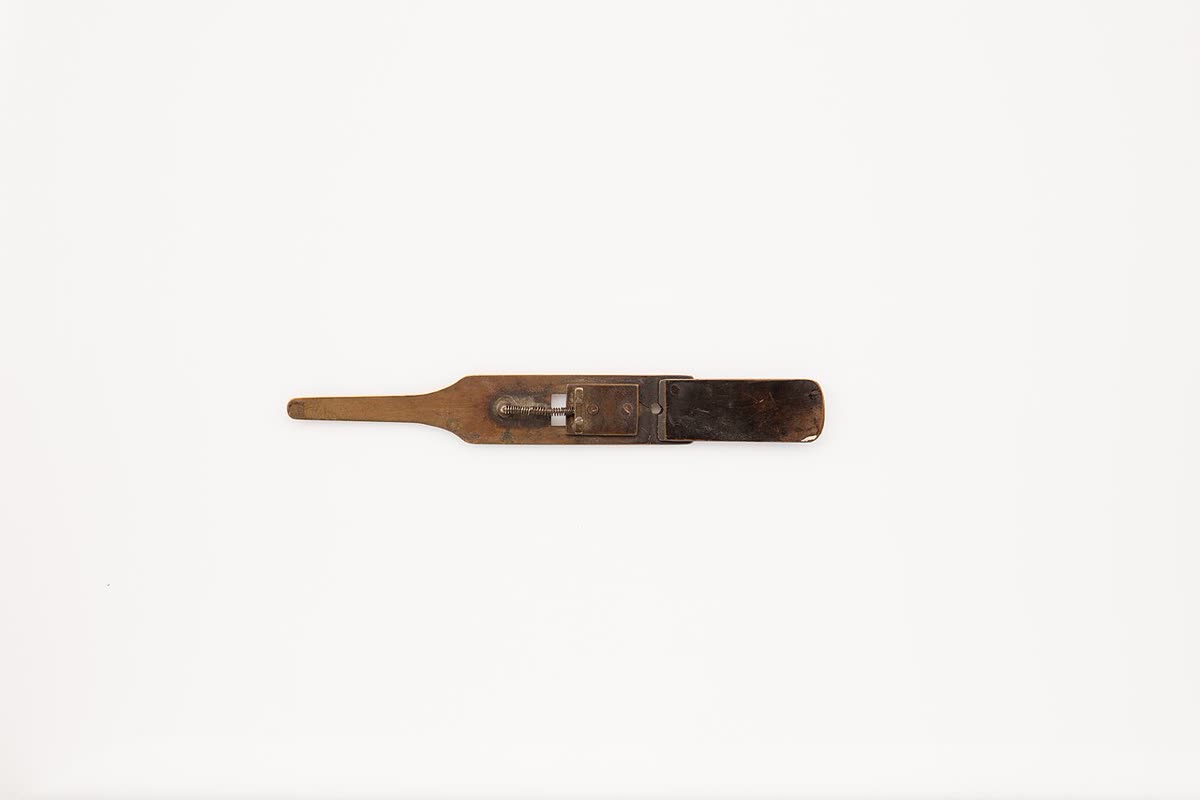
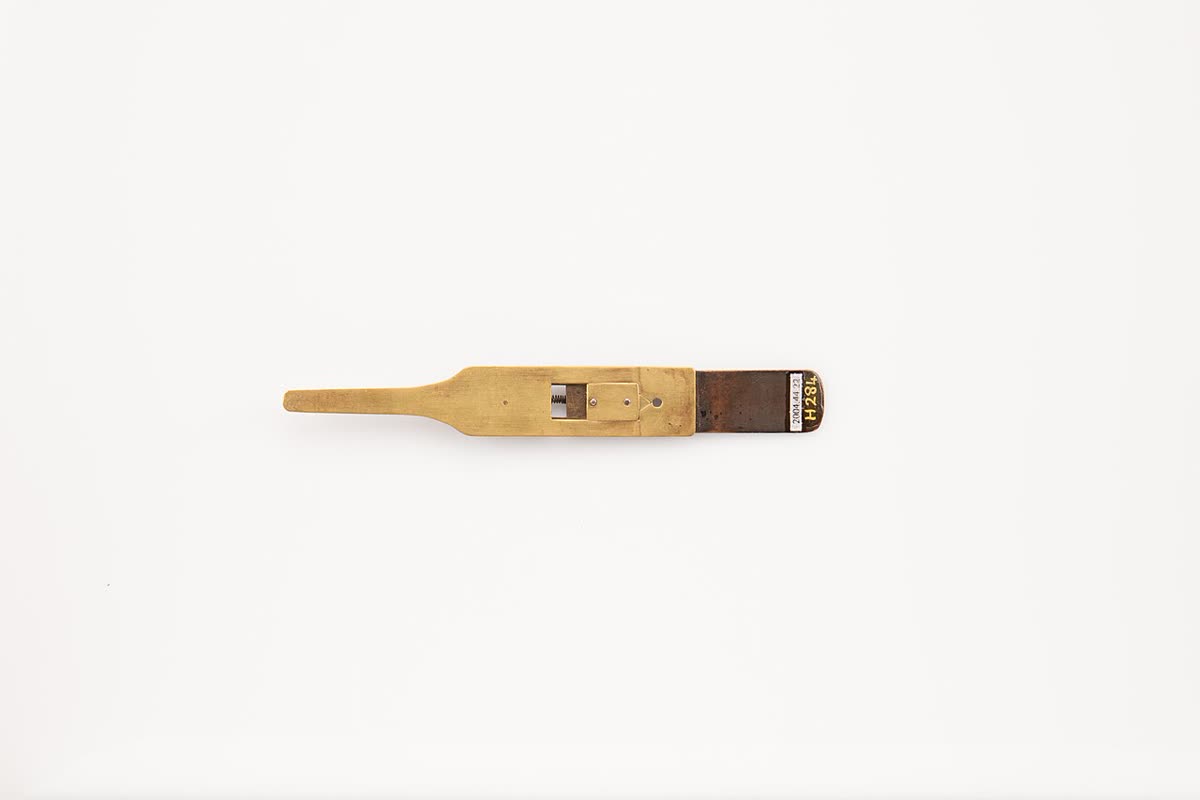
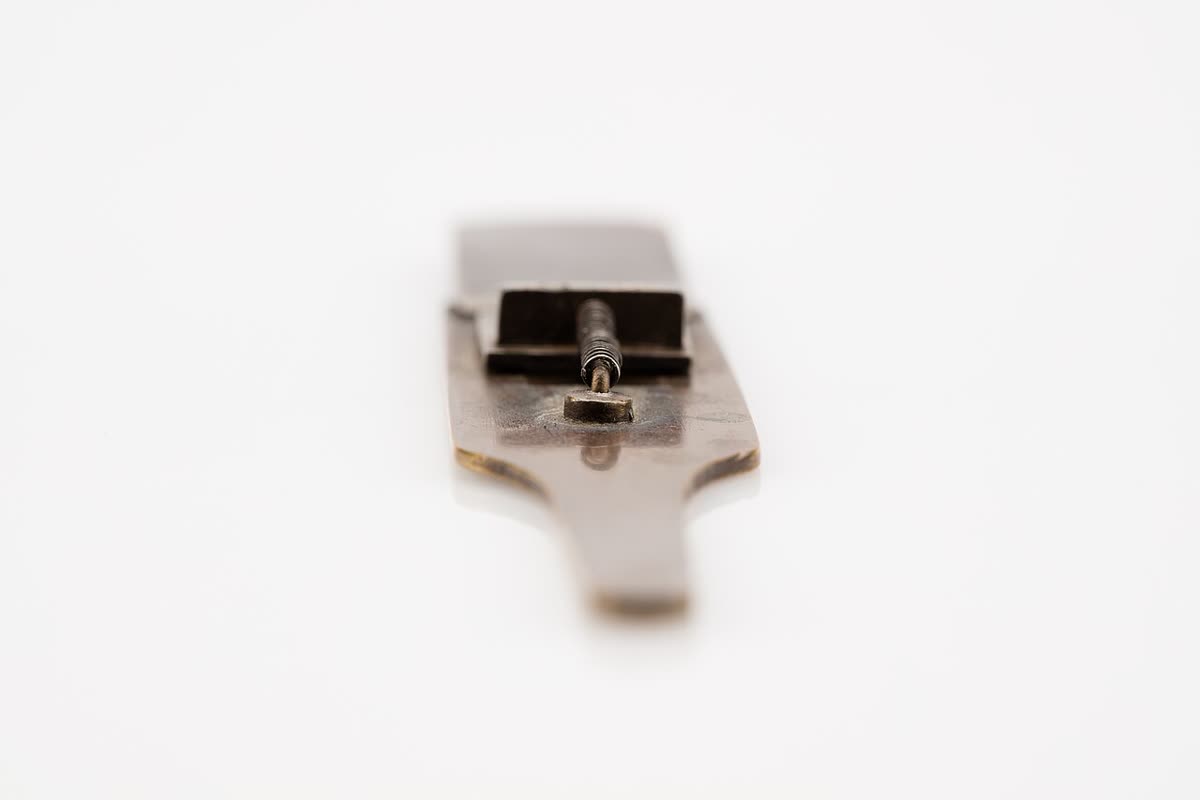
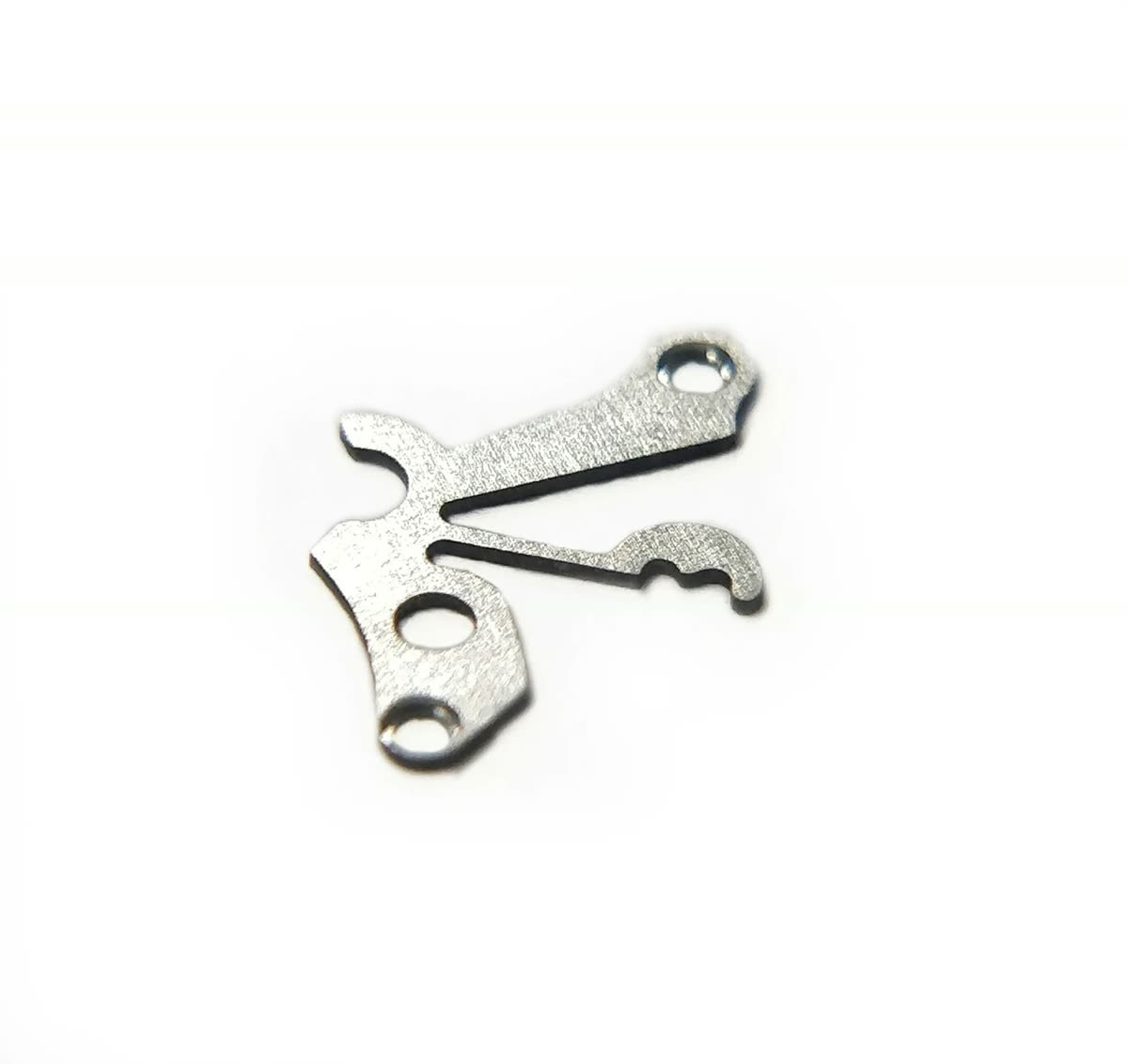
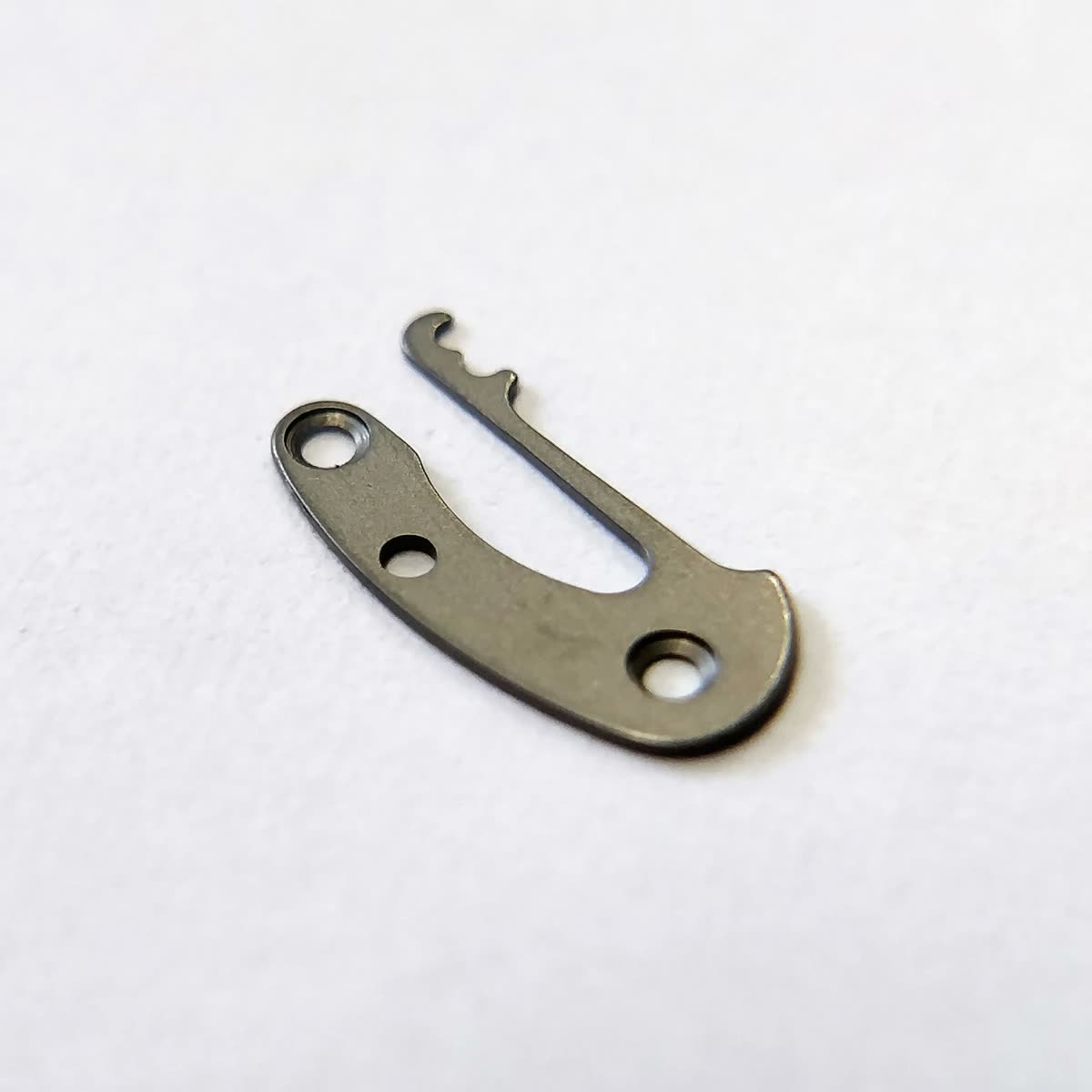
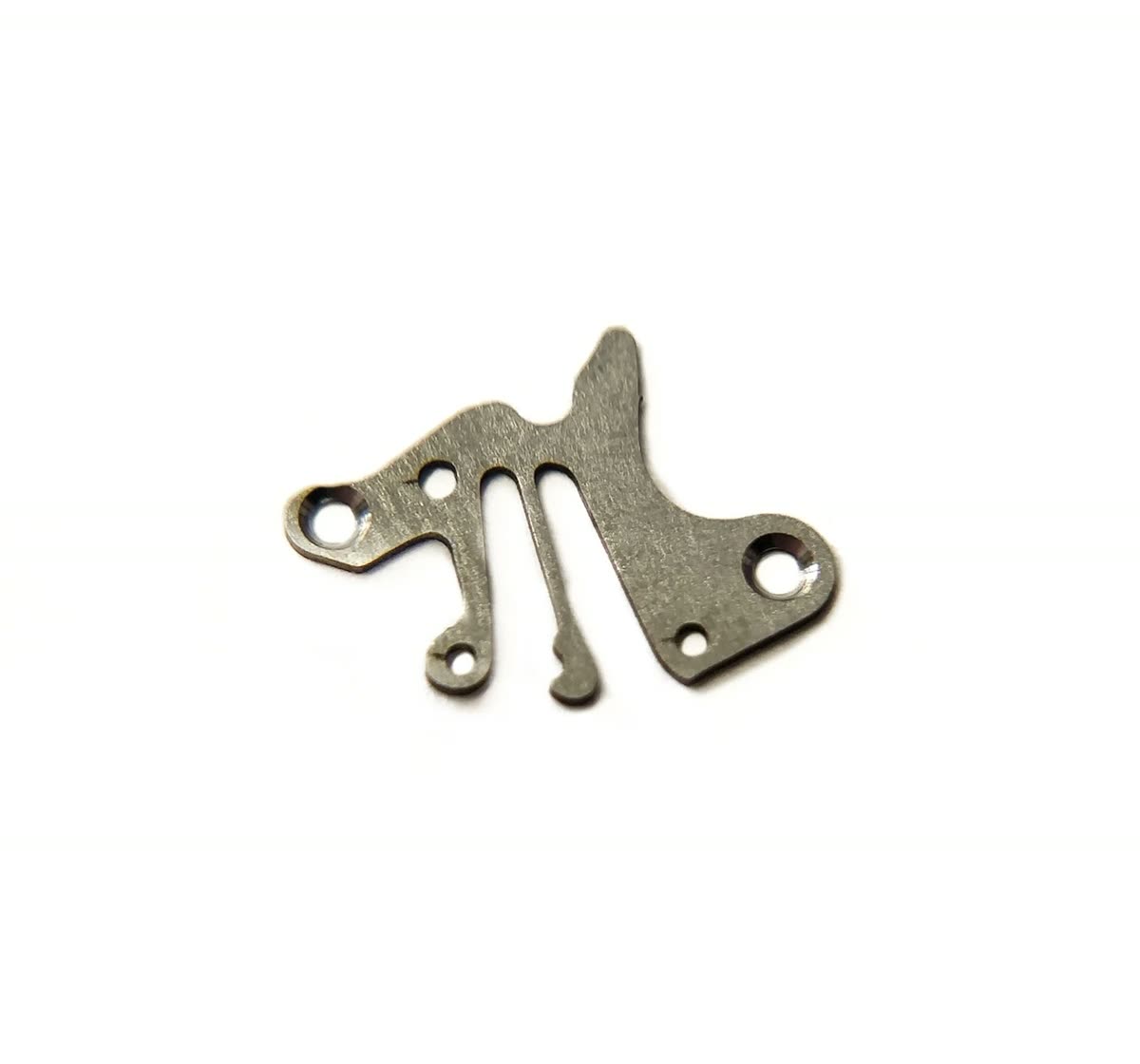
Photographs are illustrative examples of the type, not necessarily the exact object described. Verify details against the source file page.
Sources & references
- de Carle, D., Practical Watch Repairing
- de Carle, D., Watch and Clock Encyclopedia
- Fried, H. B., The Watch Repairer's Manual
- Daniels, G., Watchmaking
Where sources disagree, the disagreement is stated rather than resolved silently.