
Component record · Regulation
Crutch Pin
Partially verifiedThe pin (or fork) at the lower end of a clock's crutch that engages the pendulum rod.
What it does
Transmits impulse from the escapement to the pendulum and lets the escapement be unlocked by the pendulum's swing.
How it works
The crutch is fixed to the pallet arbor. As the escape wheel gives impulse to the pallets, the crutch pin pushes the pendulum; as the pendulum swings on, it carries the crutch and the pallets through their unlocking motion.
The pin must fit the slot freely but with very little play. Too tight, it binds and absorbs energy; too loose, it knocks, wastes impulse and may make the clock tick unevenly.
Small amounts of grease or a polished surface reduce friction where the pin meets the rod.
Evolution
The basic arrangement is standard in pendulum clocks; some modern movements use a friction-fit crutch that sets the beat itself when the pendulum is swung hard.
Known variations
- Plain pin through a slot
- Forked crutch embracing the rod
- Self-setting friction crutch
Identification for collectors
- Wear marks in the pendulum rod slot show where the pin has worked
Common failure modes
- Worn pin or slot causing knocking
- Pin binding in the slot
- Crutch bent, putting the clock out of beat
Related photographs
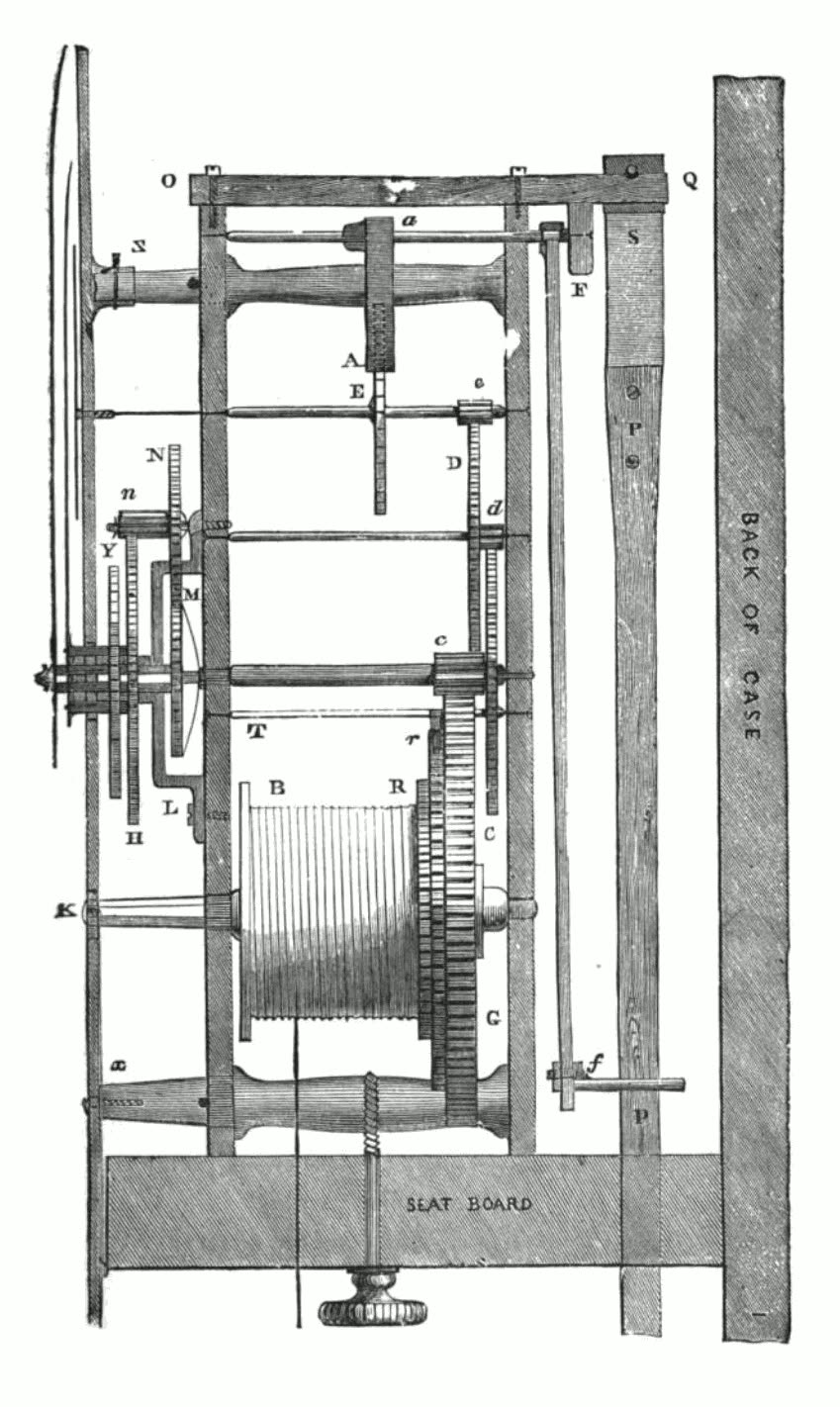
No confidently matched photograph of this subject has been found yet. These photographs show a closely related record, and are not examples of the type described on this page.
Sources & references
- Britten, F. J., Watch and Clockmakers' Handbook, Dictionary and Guide
- de Carle, D., Practical Clock Repairing
Where sources disagree, the disagreement is stated rather than resolved silently.