
Component record · Power
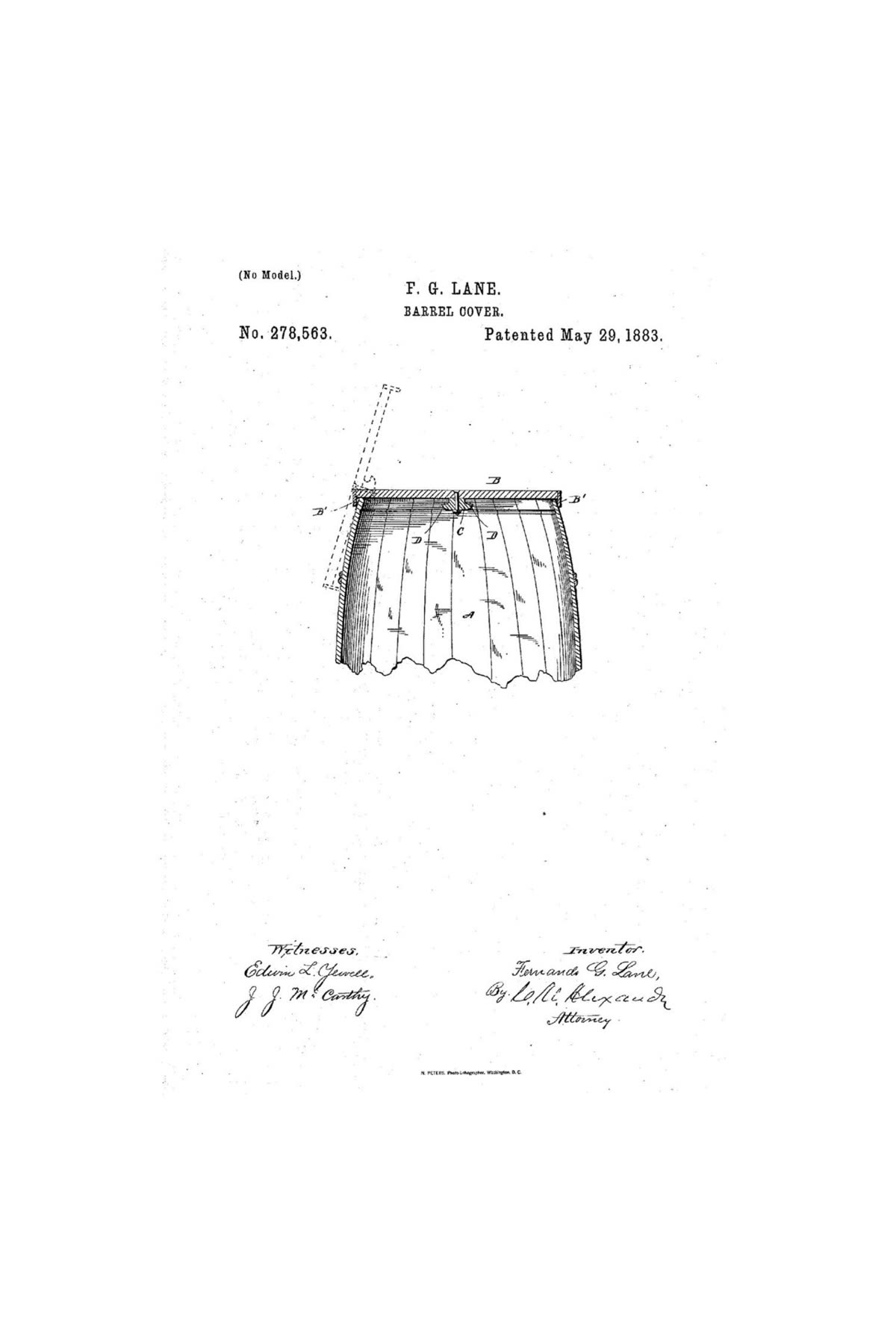
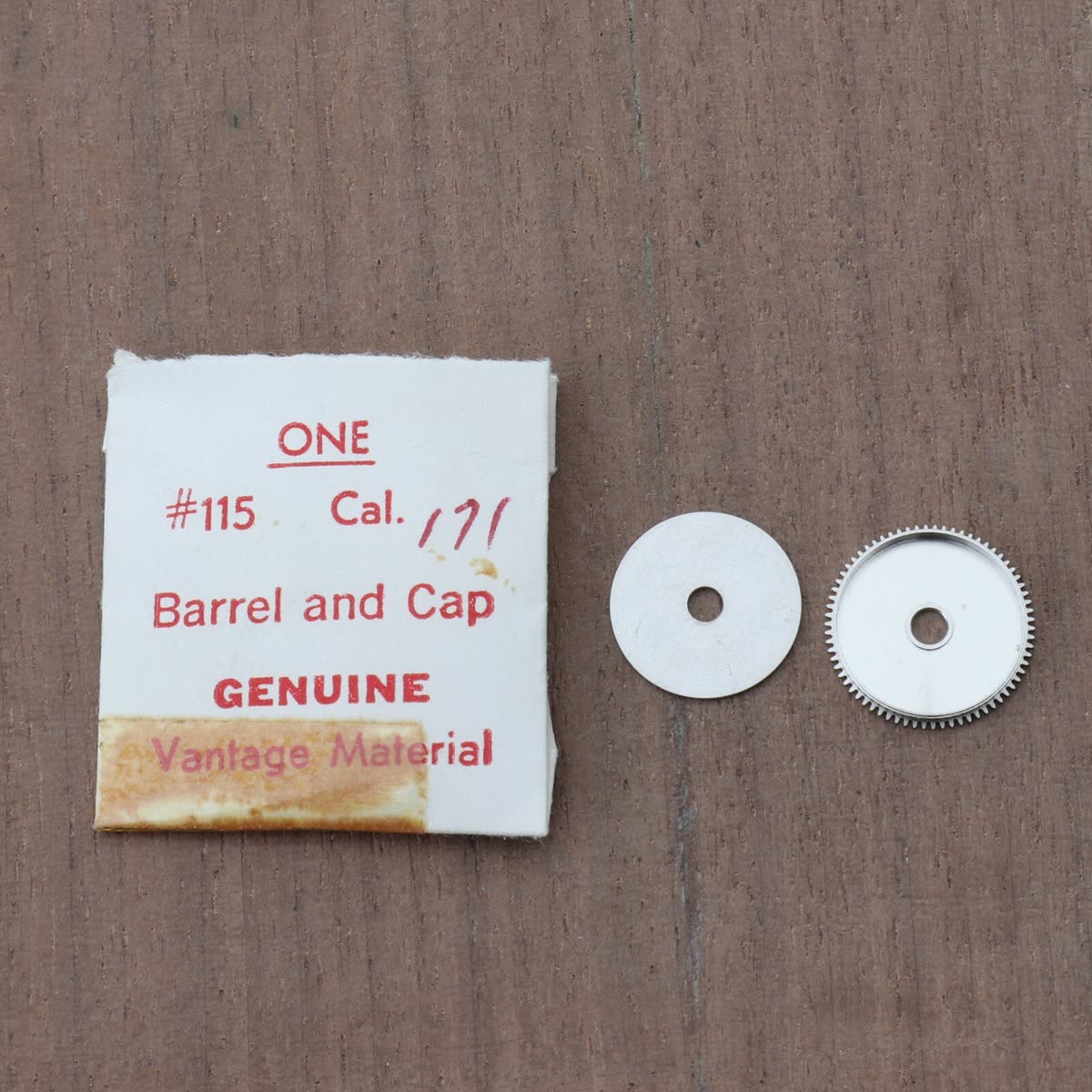
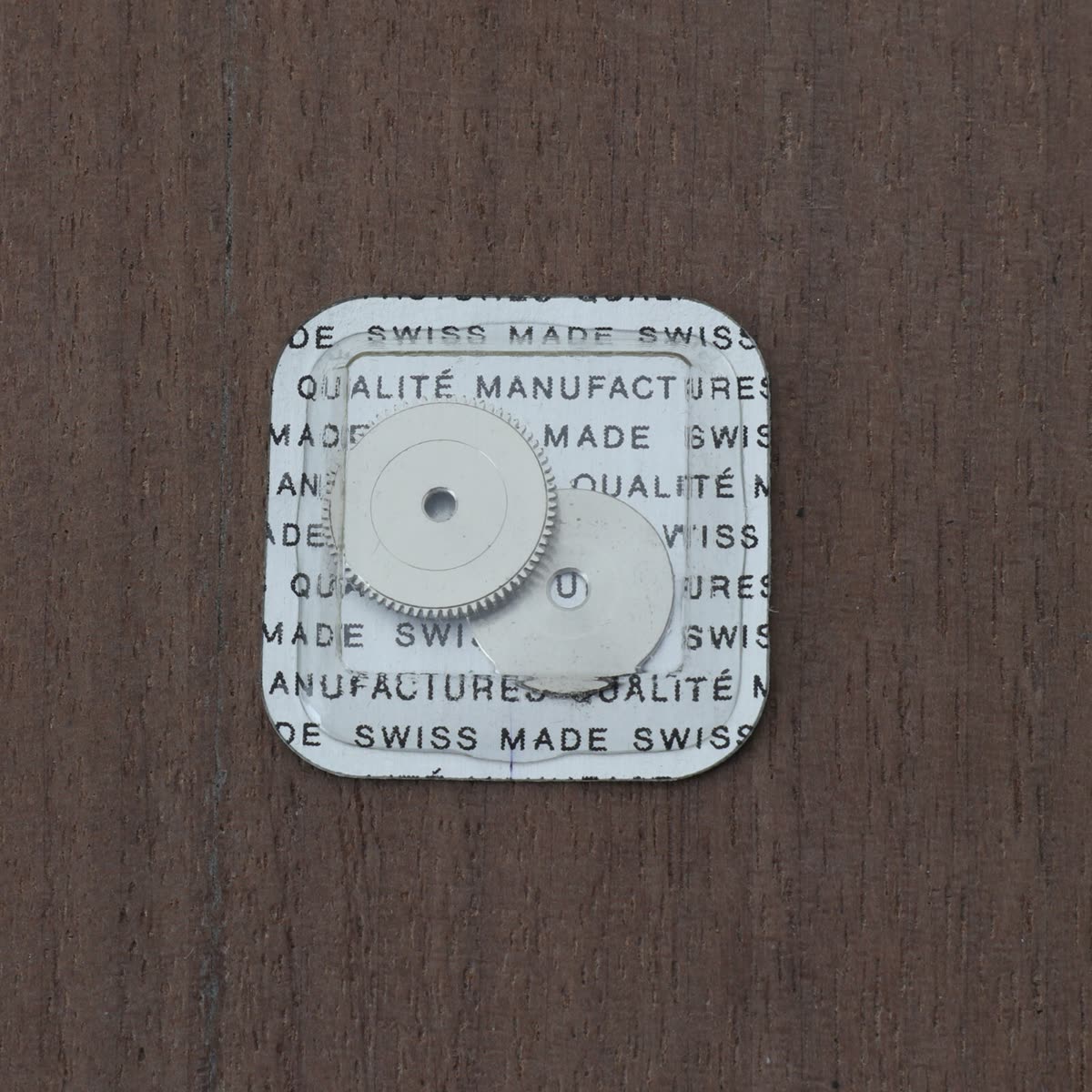
Barrel Cover
Partially verifiedThe thin removable lid that closes a mainspring barrel, snapped into a groove turned inside the rim of the barrel drum.
What it does
Encloses the mainspring and its lubricant, keeps the coils from climbing out of the drum, and provides one of the two bearing holes in which the barrel arbor turns.
How it works
The arbor runs between a hole in the barrel's base and a matching hole in the cover, so the drum and the arbor can turn independently. The cover's hole therefore acts as a bearing: if it is worn or the cover is distorted, the arbor tilts, the barrel teeth mesh badly with the centre-wheel pinion, and the barrel may rub against the bridge or plate.
The cover is a snap fit. A small notch in its edge, or a slot in the drum, lets the watchmaker lift it out with a barrel-cover tool or a thin blade; refitting is done by pressing it squarely home until the rim seats all round, sometimes with a barrel-closing press.
Because the spring presses against the inside of the cover, a domed or loose cover lets the coils rub and wastes power. A flat, fully seated cover with correct arbor end-shake is part of every mainspring service.
Evolution
The principle has changed little since the earliest barrels. Modern series production standardised barrel sizes and covers within calibre families, and skeletonised watches sometimes use openworked covers that show the coils of the mainspring.
Known variations
- Plain snap-in covers with a lifting notch, the usual form
- Openworked or skeletonised covers in decorative and skeleton movements
- No cover at all in open-spring clock movements (common in American clocks), where the spring is held by a wire loop rather than a barrel
Identification for collectors
- A burred or scratched cover edge shows where it has been levered out carelessly
- Old barrels sometimes have replacement covers of a different colour or finish to the drum
- The cover hole should be round and the cover flat; an oval hole means the arbor has been running out of true
Common failure modes
- Cover distorted by forcing, so it no longer seats flat
- Worn arbor hole causing the arbor to tilt and the barrel to rub
- Cover springing out of its groove when a mainspring breaks inside the barrel
- Lubricant migrating past a poorly fitting cover onto the train
Photographs
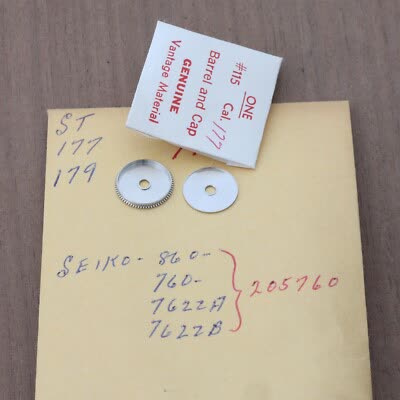
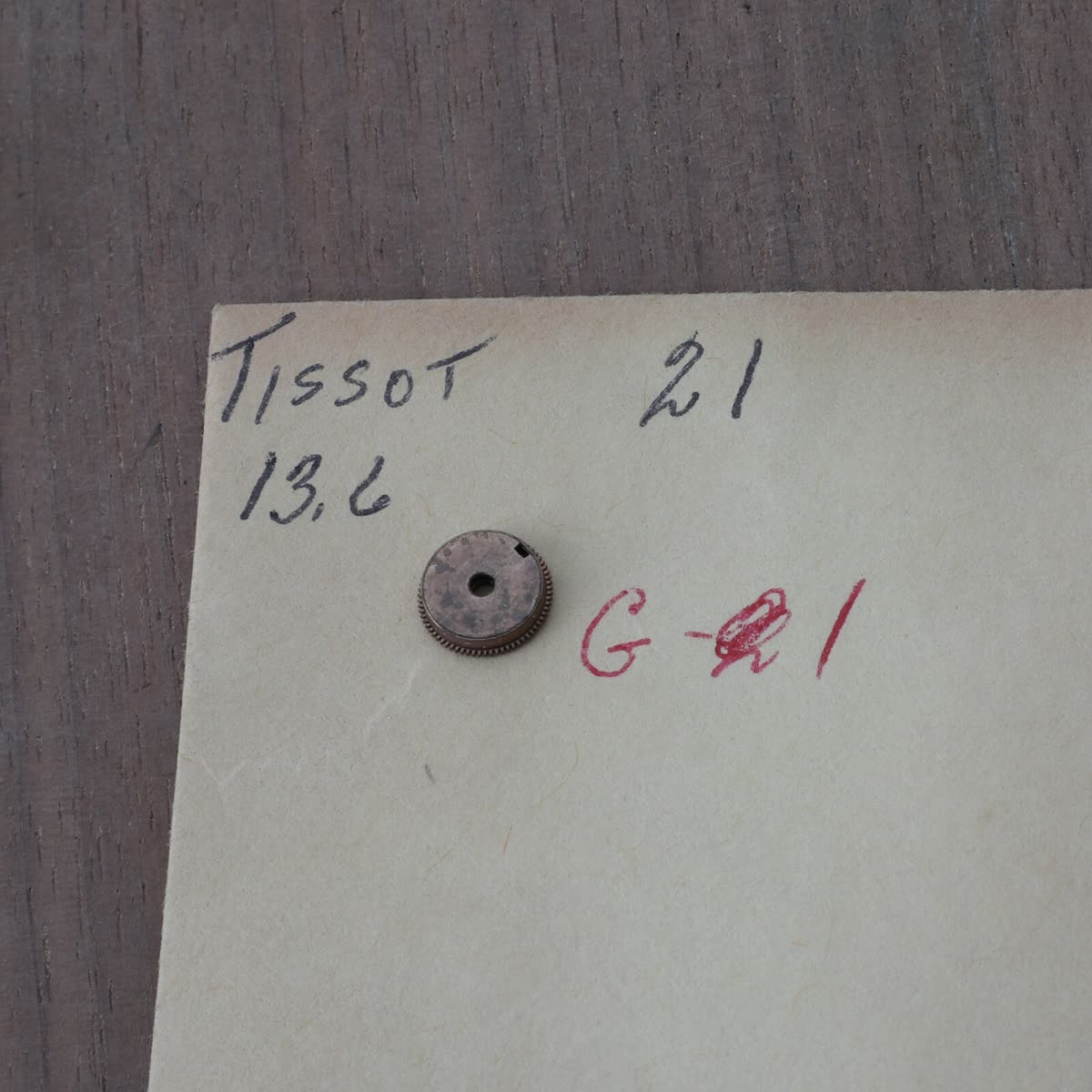
Photographs are illustrative examples of the type, not necessarily the exact object described. Verify details against the source file page.
Sources & references
- de Carle, D., Practical Watch Repairing
- de Carle, D., Watch and Clock Encyclopedia
- Fried, H. B., The Watch Repairer's Manual
- Daniels, G., Watchmaking
Where sources disagree, the disagreement is stated rather than resolved silently.