
Clock type · Domestic
Cavalier (Figural) Clocks
Partially verifiedVictorian-era clocks featuring a large figure, often a knight or historical character, beside a small clock drum.
Movement & mechanism
- Usually French or American movements
- Case made of spelter (white metal) or bronze
- The figure is the dominant element
Identification
- Large metal figure standing next to a clock
- Often based on a famous statue or painting
- Commonly found in American Victorian homes
Terminology
- Figural clock
- Spelter clock
- Victorian novelty
Known variations
- Knight, explorer, and classical figure variants
Collecting notes
Condition and originality are paramount. For technical clocks like regulators or atmospheric clocks, the completeness of the original mechanism is more important than case condition. For decorative clocks (Boulle, Empire), the quality of the case craft is central.
Photographs

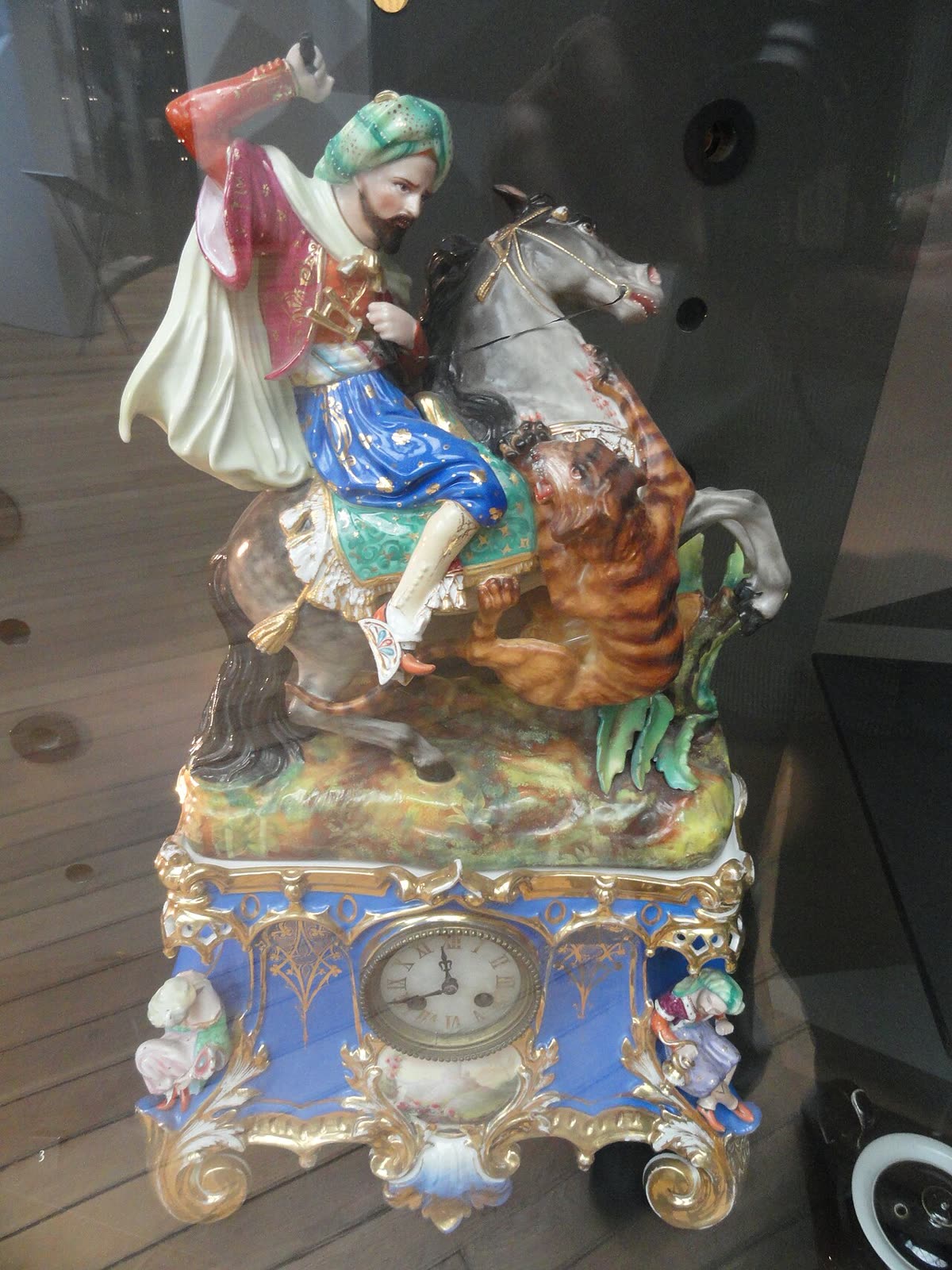
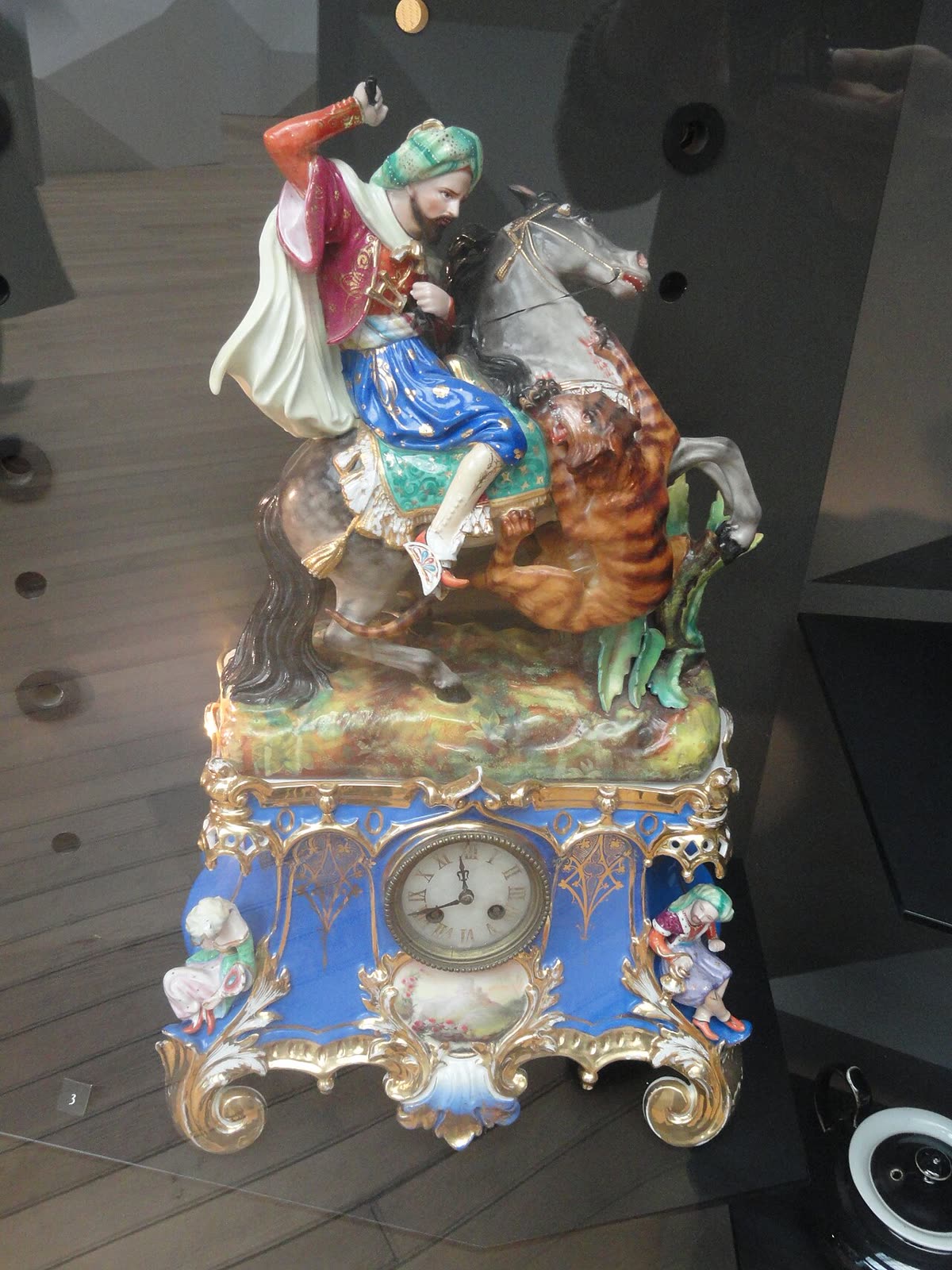

Photographs are illustrative examples of the type, not necessarily the exact object described. Verify details against the source file page.
Sources & references
- Britten, F. J., Old Clocks and Watches and Their Makers
- Museum catalogue records
Where sources disagree, the disagreement is stated rather than resolved silently.