Maker 3 pieces 5 pieces 2 pieces 56 pieces 1 piece 2 pieces 3 pieces 2 pieces 2 pieces 2 pieces 2 pieces 6 pieces 4 pieces 1 piece 4 pieces 2 pieces 1 piece 85 pieces 1 piece 2 pieces 7 pieces 7 pieces 3 pieces 7 pieces 1 piece 2 pieces 5 pieces 5 pieces 60 pieces 2 pieces 1 piece 3 pieces 2 pieces 1 piece 3 pieces 10 pieces 3 pieces 5 pieces 2 pieces 2 pieces 1 piece 4 pieces 2 pieces 1 piece 19 pieces 2 pieces 5 pieces 2 pieces 7 pieces 59 pieces 44 pieces 2 pieces 1 piece 1 piece 2 pieces 9 pieces 34 pieces 5 pieces 2 pieces 4 pieces 3 pieces 4 pieces 3 pieces 4 pieces 110 pieces 2 pieces 1 piece 2 pieces 2 pieces 3 pieces 1 piece 2 pieces 5 pieces 17 pieces 2 pieces 17 pieces 1 piece 1 piece 14 pieces 6 pieces 4 pieces 1 piece 2 pieces 1 piece 7 pieces 4 pieces 1 piece 3 pieces 8 pieces 2 pieces 2 pieces 4 pieces 1 piece 4 pieces 2 pieces 2 pieces 7 pieces 2 pieces 4 pieces 17 pieces 1 piece 1 piece 2 pieces 4 pieces 15 pieces 8 pieces 2 pieces 2 pieces 1 piece 4 pieces 2 pieces 4 pieces 2 pieces 2 pieces 6 pieces 1 piece 1 piece 4 pieces 80 pieces 1 piece 2 pieces 2 pieces 11 pieces 5 pieces 5 pieces 1 piece 8 pieces 2 pieces 3 pieces 4 pieces 2 pieces 2 pieces 1 piece 1 piece 1 piece 2 pieces 2 pieces 3 pieces 1 piece 7 pieces 2 pieces 2 pieces 2 pieces 17 pieces 16 pieces 8 pieces 2 pieces 8 pieces 3 pieces 8 pieces 2 pieces 1 piece 4 pieces 26 pieces 5 pieces 2 pieces 1 piece 3 pieces 3 pieces 3 pieces 2 pieces 4 pieces 7 pieces 1 piece 2 pieces 5 pieces 5 pieces 5 pieces 4 pieces 3 pieces 3 pieces 2 pieces 1 piece 2 pieces 55 pieces 7 pieces 2 pieces 2 pieces 5 pieces 10 pieces 4 pieces 4 pieces 6 pieces 2 pieces 2 pieces 5 pieces 3 pieces 5 pieces 2 pieces 41 pieces 1 piece 2 pieces 9 pieces 5 pieces 6 pieces 2 pieces 2 pieces 30 pieces 2 pieces 43 pieces 2 pieces 2 pieces 2 pieces 1 piece 2 pieces 2 pieces 2 pieces 16 pieces 2 pieces 3 pieces 81 pieces 3 pieces 9 pieces 2 pieces 1 piece 1 piece 3 pieces 2 pieces 1 piece 6 pieces 1 piece 1 piece 5 pieces 2 pieces 1 piece 2 pieces 2 pieces 2 pieces 5 pieces 2 pieces 3 pieces 2 pieces 8 pieces 3 pieces 1 piece 2 pieces 4 pieces 4 pieces 1 piece 2 pieces 1 piece 5 pieces 1 piece 2 pieces 4 pieces 1 piece 5 pieces 2 pieces 9 pieces 8 pieces 9 pieces 5 pieces 6 pieces 2 pieces 7 pieces 1 piece 5 pieces 3 pieces 5 pieces 1 piece 14 pieces 1 piece 2 pieces 4 pieces 3 pieces 6 pieces 13 pieces 5 pieces 8 pieces 5 pieces 3 pieces 56 pieces 2 pieces 2 pieces 6 pieces 2 pieces 2 pieces 1 piece 1 piece 8 pieces 2 pieces 2 pieces 4 pieces 3 pieces 2 pieces 3 pieces 3 pieces 3 pieces 2 pieces 3 pieces 2 pieces 1 piece 2 pieces 2 pieces 6 pieces 4 pieces 2 pieces 1 piece 4 pieces 2 pieces 5 pieces 26 pieces 2 pieces 2 pieces 5 pieces 2 pieces 2 pieces 1 piece 3 pieces 4 pieces 3 pieces 1 piece 3 pieces 2 pieces 2 pieces 2 pieces 173 pieces 5 pieces 1 piece 3 pieces 1 piece 13 pieces 3 pieces 6 pieces 262 pieces 1 piece 9 pieces 3 pieces 2 pieces 14 pieces 1 piece 1 piece 1 piece 1 piece 4 pieces 3 pieces 24 pieces 1 piece 1 piece 1 piece 2 pieces 6 pieces 2 pieces 5 pieces 1 piece 2 pieces 3 pieces 2 pieces 7 pieces 3 pieces 9 pieces 6 pieces 1 piece 3 pieces 2 pieces 2 pieces 2 pieces 3 pieces 1 piece 1 piece 8 pieces 4 pieces 14 pieces 3 pieces 220 pieces 2 pieces 1 piece 1 piece 9 pieces 2 pieces 10 pieces 6 pieces 2 pieces 1 piece 1 piece 1 piece 1 piece 1 piece 2 pieces 1 piece 29 pieces 2 pieces 2 pieces 6 pieces 6 pieces 2 pieces 1 piece 1 piece 2 pieces 14 pieces 2 pieces 1 piece 18 pieces 1 piece 7 pieces 2 pieces 2 pieces 5 pieces 1 piece 1 piece 13 pieces 2 pieces 3 pieces 2 pieces 3 pieces 2 pieces 1 piece 7 pieces 1 piece 5 pieces 2 pieces 2 pieces 5 pieces 13 pieces 4 pieces 11 pieces 4 pieces 2 pieces 33 pieces 10 pieces 40 pieces 2 pieces 2 pieces 19 pieces 3 pieces 1 piece 2 pieces 1 piece 83 pieces 1 piece 7 pieces 1 piece 4 pieces 1 piece 2 pieces 2 pieces 4 pieces 2 pieces 6 pieces 2 pieces 5 pieces 7 pieces 5 pieces 1 piece 2 pieces 1 piece 1 piece 2 pieces 2 pieces 3 pieces 4 pieces 2 pieces 4 pieces 1 piece 24 pieces 8 pieces Search objects Category All categories Pocket watch Wristwatch Clock Marine chronometer Movement Component Tool Type All types Alarm pocket watch Alarm wristwatch Astrolabe Astronomical compendium Automatic wristwatch Balance, escapement & train part Box & presentation case Bracket clock Calendar & astronomical watch Calendar & moon-phase watch Carriage clock Cartel clock Case Chain, fob & chatelaine Chronograph Chronograph & split-seconds watch Clock movement Comtoise clock Cuckoo & Black Forest clock Deck watch & deck chronometer Desk clock Dial Diptych sundial Diver's watch Early watch (16th–17th century) Eight-day marine chronometer Electric clock Enamel, form & pendant watch Escapement & demonstration model GMT & world-time watch Hand-wound wristwatch Horizontal sundial Hunter-case watch Jewellery & cocktail watch Lantern clock Longcase clock Mantel clock Marine chronometer (duration not stated) Military & trench watch Military pocket watch Model & teaching piece Musical & automaton watch Mystery clock Nocturnal Novelty & automaton clock One-day marine chronometer Open-face watch Other clock Other component Other scientific instrument Other sundial Pendulum & weight Perpetual calendar watch Pilot's watch Pocket chronometer & deck watch Pocket watch movement Quadrant Quartz & electronic watch Railroad watch Regulator Renaissance table clock Repeater & striking watch Repeating watch Ring & equinoctial sundial Ship's & marine clock Skeleton clock Stopwatch & timer Torsion & atmospheric clock Tourbillon & karrusel watch Tourbillon watch Travel & alarm clock Turret & tower clock Two-day marine chronometer Verge & fusee movement Verge & pair-cased watch Wall clock Watch key & accessory Watchmaker's lathe Watchmaker's tools & bench Wristwatch movement Ébauche & unfinished movement Source All sources americanhistory.si.edu analogshift.com antique-watch.com antiques-atlas.com antiquevintageclock.com app.bellmans.co.uk ashton-blakey-antiques.com auction.gorringes.co.uk auctionet.com auctions.chiswickauctions.co.uk auctions.dreweatts.com auctions.gardinerhoulgate.co.uk auctions.luxeauctioneers.com auctions.yahoo.co.jp badgersauctions.com bid.gorringes.co.uk blog.pocketwatchdatabase.com cars.bonhams.com catalog.antiquorum.swiss chrono-shop.net clevelandart.org collection.sciencemuseumgroup.org.uk collections.museumsvictoria.com.au collections.vam.ac.uk commons.wikimedia.org cottees.co.uk craftandtailored.com data.fitzmuseum.cam.ac.uk digitaltmuseum.no drouot.com empress.cc everywatch.com freemansauction.com hindmanauctions.com huntingtoncompany.com islamicworld.britishmuseum.org jacob-zech.com justaclockcollector.com laurent-fine-watches.myshopify.com laurentfinewatches.com loupethis.com marketplace.watchcharts.com mb.nawcc.org monochrome-watches.com mroatman.wixsite.com oliverandclarke.com onlineonly.christies.com pascalkarpwatchesexpertise.com perpetual.phillips.com phillips.com rauantiques.com sammler-uhren.com secondhandhorology.com shop.analogshift.com somlo.com the-saleroom.com theclockandwatchshop.co.uk theclockworks.org thekeystone.com theodorebruceauctionsnew.connectwp.invaluable.com timed.sworder.co.uk tokeimedic.com uhrerbe.com vintageclockparts.com vintageclocks.uk vintagewatchspecialist.com watchmuseum.org westfalen.museum-digital.de wjmorrisclocks.co.uk www.1stdibs.com www.acollectedman.com www.analogshift.com www.antiques-atlas.com www.antiquesboutique.com www.appletreeauction.com www.atlam-watches.co.uk www.bidsquare.com www.bonhams.com www.britishmuseum.org www.bukowskis.com www.bulangandsons.com www.castle-paradise.cz www.catawiki.com www.cazasikes.com www.chairish.com www.christies.com www.collectorsquare.com www.comune.ceriana.im.it www.cottees.co.uk www.craftandtailored.com www.dorotheum.com www.dorsetantiqueclocks.co.uk www.dreweatts.com www.ebay.com www.fellows.co.uk www.fontainesauction.com www.gazette-drouot.com www.invaluable.com www.kimnet.ch www.langantiques.com www.laurentfinewatches.com www.lempertz.com www.liveauctioneers.com www.lyonandturnbull.com www.metmuseum.org www.mhs.ox.ac.uk www.neumeister.com www.oliverandclarke.com www.passionchrono.com www.pendulumofmayfair.co.uk www.phillips.com www.proantic.com www.propertyroom.com www.rct.uk www.reading.ac.uk www.renaissanceantiques.com www.ricardo.ch www.rijksmuseum.nl www.rmg.co.uk www.schmitt-horan.com www.secondhandhorology.com www.sellingantiques.co.uk www.si.edu www.somlo.com www.sothebys.com www.ssongwatches.com www.tennants.co.uk www.the-saleroom.com www.tobiasbirch.com www.ukclocks.com www.vintagegoldwatches.com www.watch-auctions.co.uk www.watchpro.com www.watchprosite.com www.woolleyandwallis.co.uk
Browse makers and their key pieces · Johann Christoph Keller profile
2 of 5699 objects · Page 1 of 1
Tool · Ring & equinoctial sundial
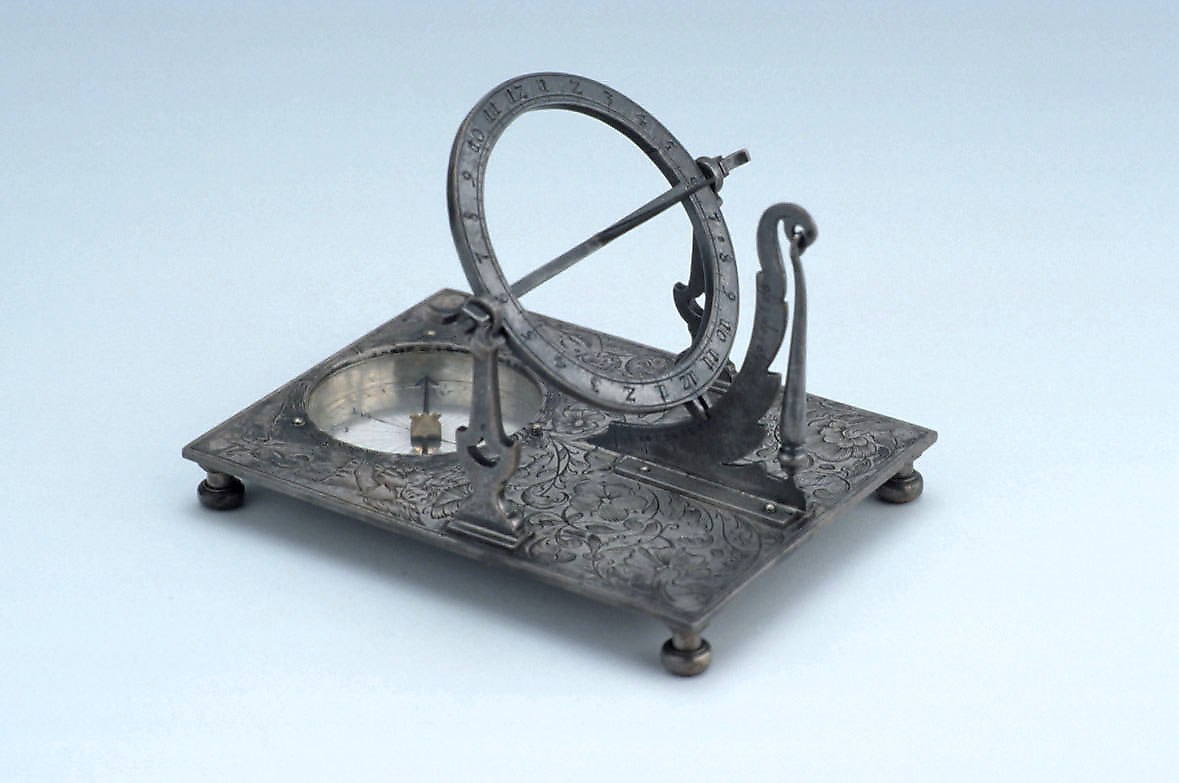
Equinoctial Dial by Johann Christoph Keller This equinoctial dial, held by the Museum of the History of Science in Oxford, is a silver portable instrument attributed to Johann Christoph Keller of Linz, dated circa 1580. Measuring 85 x 62 x 53 mm, the device features a rectangular base plate raised on four bun feet. The base is intricately engraved with floral and foliate motifs, alongside depictions of two angels positioned on either side of an inset compass. The compass includes magnetic deviation markings and cardinal points denoted as N, O, S, and W. Functionally, the dial utilizes an adjustable hour ring supported by two upright pillars, which can be calibrated to various latitudes. The mechanism includes a latitude scale marked from 0 to 90 degrees with a hanging plumb line for leveling. The instrument is signed by the maker on the hour ring, which displays common hours numbered from 1 to 12 twice.
Full description
www.mhs.ox.ac.uk · 51108
Tool · Other sundial
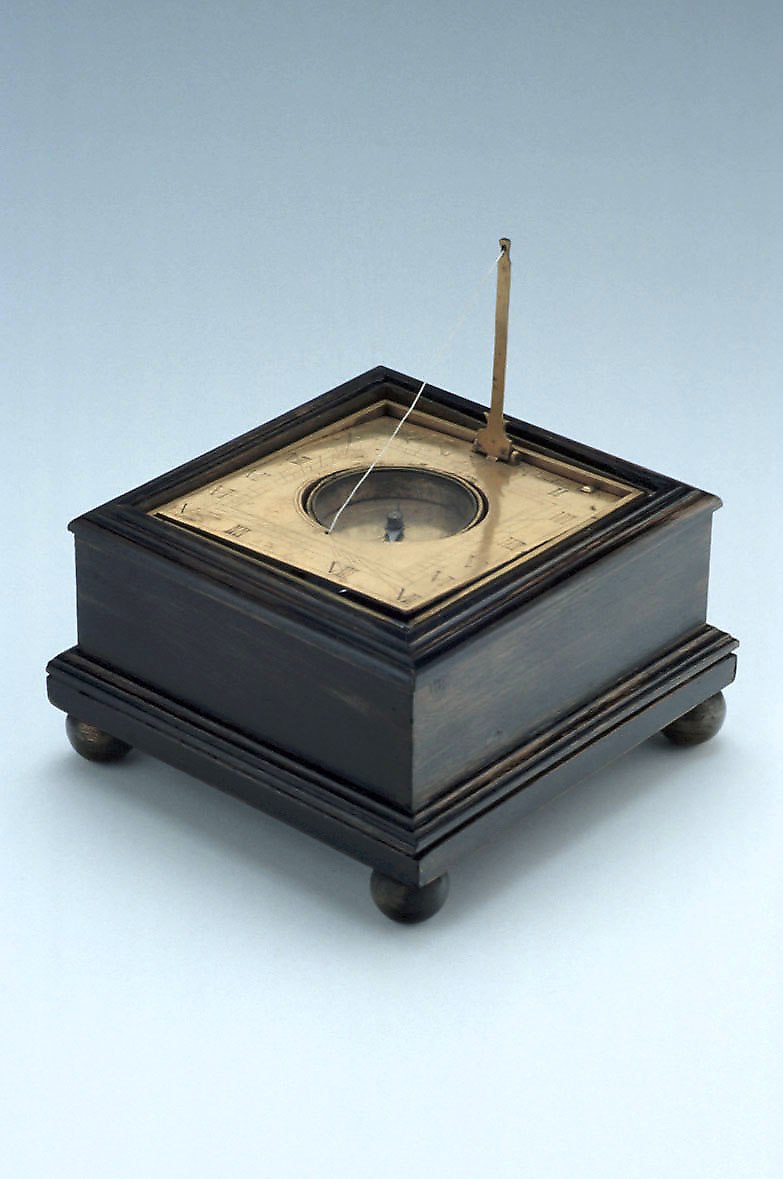
Inclining Dial by Johann Christoph Keller This inclining dial, held by the Museum of the History of Science, Oxford, is signed by Johann Christoph Keller and dates to approximately 1600. Manufactured in Linz, the instrument consists of a brass plate integrated into a wooden case. The brass dial is mounted on gimbals, allowing for adjustment to latitudes ranging between 45 and 55 degrees through the use of a sliding counterpoise positioned on the underside of the plate. A compass is set at the center, mounted on pivots to maintain a horizontal position regardless of the angle of the dial. Time is indicated by a string gnomon dial, with hours marked from IIII to XII to VIII, supported by a folding brass stand. The signature of the maker is inscribed at the top of the dial plate. The wooden case, which features brass round feet, is described as appearing to be modern.
Full description
www.mhs.ox.ac.uk · 35317
1 / 1