
Le Locle, Switzerland · 1805 – 1890
Sylvain Mairet
Partially verifiedPrecision watches and chronometry
Life & work
Sylvain Mairet worked in Swiss precision watchmaking and in observatory competition, a field in which individual makers could demonstrate rate performance against measured standards.
Records of observatory results are the most reliable evidence for such makers, since their output was small and their reputation rested on measured performance rather than volume.
Born in La Plature in 1805, Sylvain Mairet was orphaned and subsequently trained in marine chronometry by his uncle, the watchmaker Frédéric-Louis Favre-Bulle. After establishing himself in Le Locle, he worked on refining the installation of measuring instruments within chronometers. His technical contributions were internationally recognized at the 1867 Paris World Exhibition, where his work earned a gold medal, and he served as a commission member for the Neuchâtel Observatory. Mairet passed away in 1890 in Montmirail, leaving a legacy that influenced later makers, including Paul-David Nardin, who utilized Mairet's movements for marine chronometers.
The fuller biography summarises the open references listed under Sources; each statement was checked against the cited passage. Confirm key dates in period documents before relying on them.
Timeline
Sylvain Mairet's recorded dates, dated events from this profile and its sources, and dated pieces and sales from the object catalogue. Dates are as each record gives them.
1805 · Career
Born
1805 · Career
Born in La Plature in 1805, Sylvain Mairet was orphaned and subsequently trained in marine chronometry by his uncle, the watchmaker Frédéric-Louis Favre-Bulle.
1824 · Career
Mairet created a precision timepiece that earned him a gold medal at the Bern exhibition in 1824.
1867 · Career
His technical contributions were internationally recognized at the 1867 Paris World Exhibition, where his work earned a gold medal, and he served as a commission member for the Neuchâtel Observatory.
1890 · Career
Died
1890 · Career
Mairet passed away in 1890 in Montmirail, leaving a legacy that influenced later makers, including Paul-David Nardin, who utilized Mairet's movements for marine chronometers.
Training, contributions & innovations
- Contributed to Swiss precision watchmaking and observatory chronometry
- He applied specialized methods for installing measuring instruments inside marine chronometers.
Inventions & patents
- No invention claim is asserted here; his significance rests on measured rate performance and fine execution.
Signatures & markings on surviving work
- Signed and numbered precision watches survive; observatory records are the most reliable corroboration.
Documented works
- Mairet created a precision timepiece that earned him a gold medal at the Bern exhibition in 1824.
Collecting significance
Signatures on historic work were applied by retailers and by later hands as well as by makers, so attribution should rest on the movement's construction and on documented provenance rather than on the name alone. A specialist opinion is worth obtaining before any purchase made on the strength of a signature.
Firms, key models & movements
Famous objects
- Watch with independent seconds · 1840 - 1860
- Watch with two movements · 1850 - 1870
Photographs
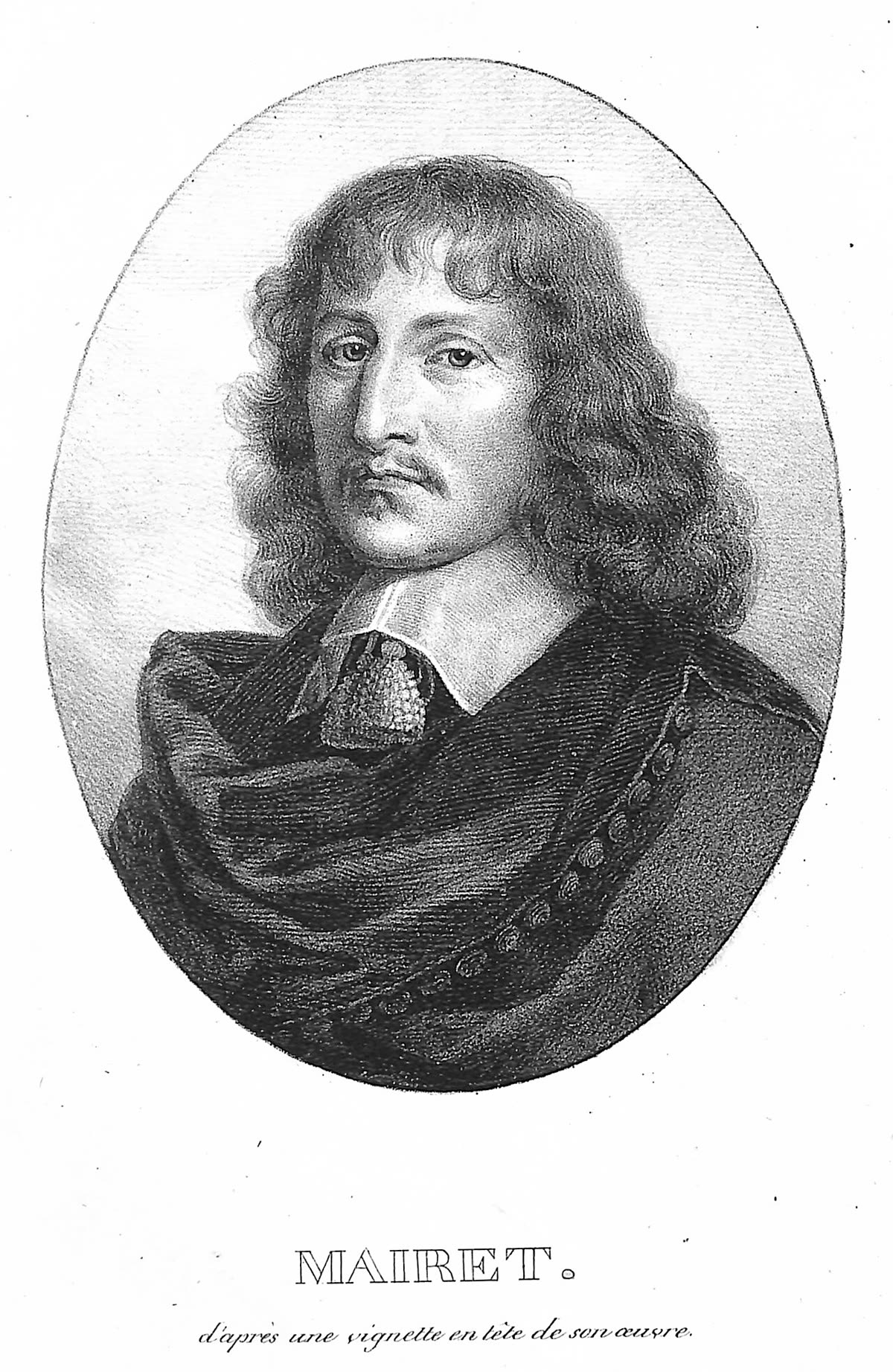


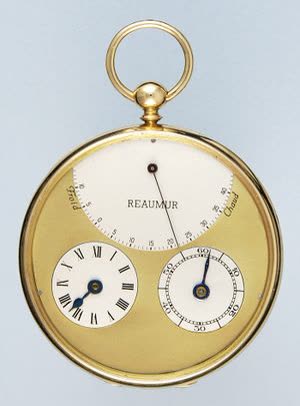
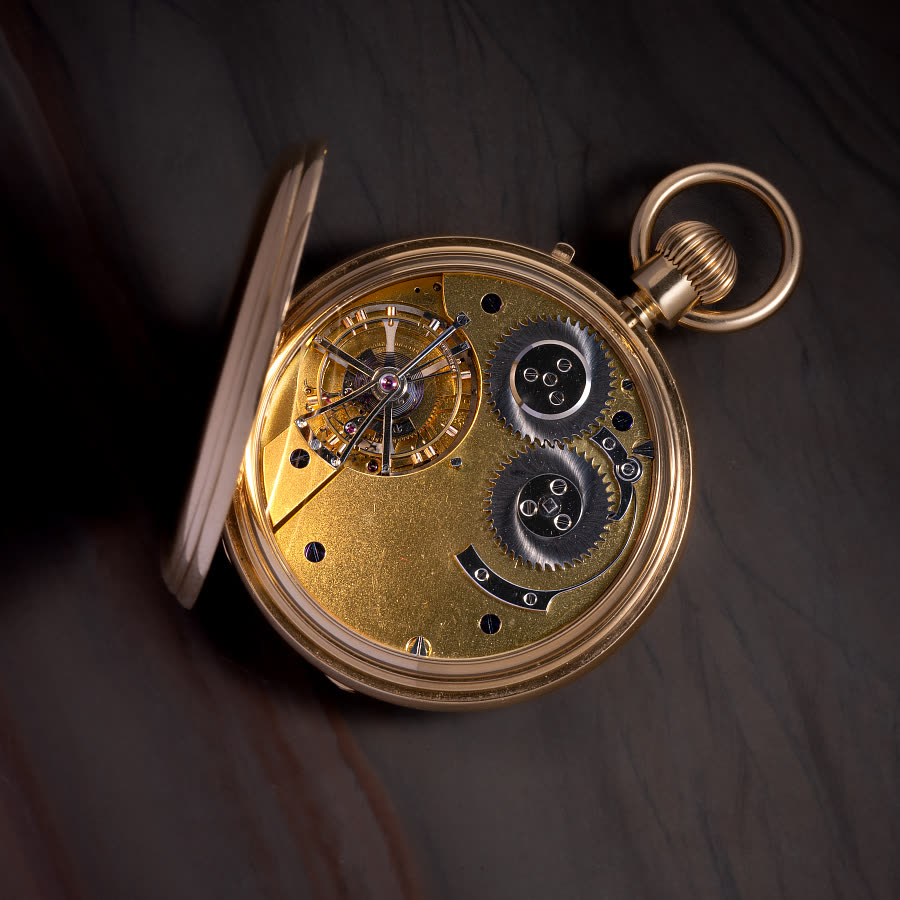
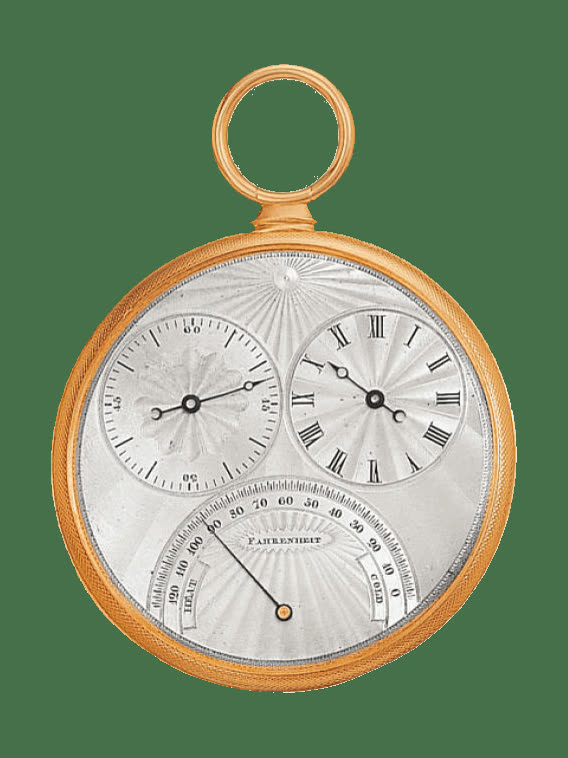
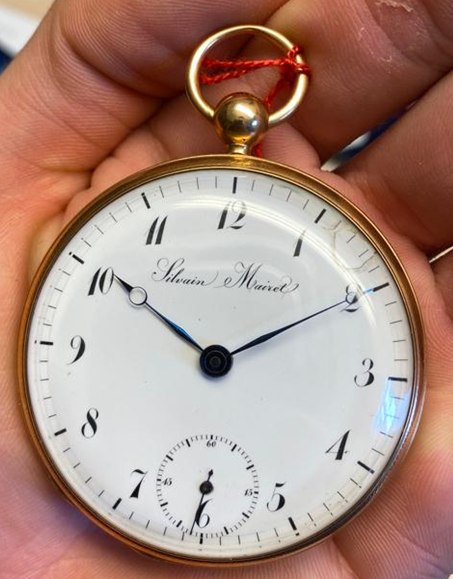
Photographs are illustrative examples of the type, not necessarily the exact object described. Verify details against the source file page.
Sources & references
- Mairet, Sylvain, Watch-Wiki, retrieved 2026-10-27
- Britten, F. J., Old Clocks and Watches and Their Makers
- Loomes, B., reference works on British and European clockmakers (edition-dependent)
- Museum catalogue entries for signed examples
Where sources disagree, the disagreement is stated rather than resolved silently.