
Geneva, Denmark and Switzerland · born 1942
Svend Andersen
Partially verifiedIndependent watchmaking
Life & work
Co-founder of the AHCI; known as the 'watchmaker of the impossible'.
Born in 1942 in Denmark, Svend Andersen completed a four-year apprenticeship after finishing primary school and graduated from the Danish School of Watchmaking. He relocated to Switzerland in 1963, gaining experience at Gübelin in Lucerne and Geneva before working for Patek Philippe's 'Atelier de Complications' starting in 1969. After establishing his own workshop in 1979, Andersen became known as the 'watchmaker of the impossible' following the international attention surrounding his 1969 bottle clock. In 1985, he co-founded the Académie Horlogère des Créateurs Indépendants (AHCI) in Geneva alongside Vincent Calabrese to support independent watchmaking.
The fuller biography summarises the open references listed under Sources; each statement was checked against the cited passage. Confirm key dates in period documents before relying on them.
Timeline
Svend Andersen's recorded dates, dated events from this profile and its sources, and dated pieces and sales from the object catalogue. Dates are as each record gives them.
1942 · Career
Born
1942 · Career
Born in 1942 in Denmark, Svend Andersen completed a four-year apprenticeship after finishing primary school and graduated from the Danish School of Watchmaking.
1963 · Career
He relocated to Switzerland in 1963, gaining experience at Gübelin in Lucerne and Geneva before working for Patek Philippe's 'Atelier de Complications' starting in 1969.
1979 · Career
After establishing his own workshop in 1979, Andersen became known as the 'watchmaker of the impossible' following the international attention surrounding his 1969 bottle clock.
1985 · Career
In 1985, he co-founded the Académie Horlogère des Créateurs Indépendants (AHCI) in Geneva alongside Vincent Calabrese to support independent watchmaking.
1990 · Catalogued piece
Andersen Geneve Unique Piece Minute-Repeating Perpetual Calendar
Training, contributions & innovations
- World-time complications and automata
- He created the first wristwatch equipped with a secular perpetual calendar that accounts for the non-leap year 2100.
- Andersen developed the world's thinnest world-time wristwatch, the 'Mundus', which measures 4.2 mm in thickness.
Inventions & patents
- Patents for world-time mechanisms
Signatures & markings on surviving work
- Andersen Genève
Documented works
- Notable creations include the 'Eros' wristwatch, which features a sophisticated mechanical automaton.
Collecting significance
Authenticity depends on signatures and movement quality. For 19th-century makers, serial numbers often allow for precise dating. For modern independents, documentation from the maker is key.
Firms, key models & movements
No firm, model or movement in this encyclopedia is yet recorded under this maker's name.
In the object catalogue
1 catalogued object is recorded under Svend Andersen. Attributions are as given by each source and are not independent authentication.
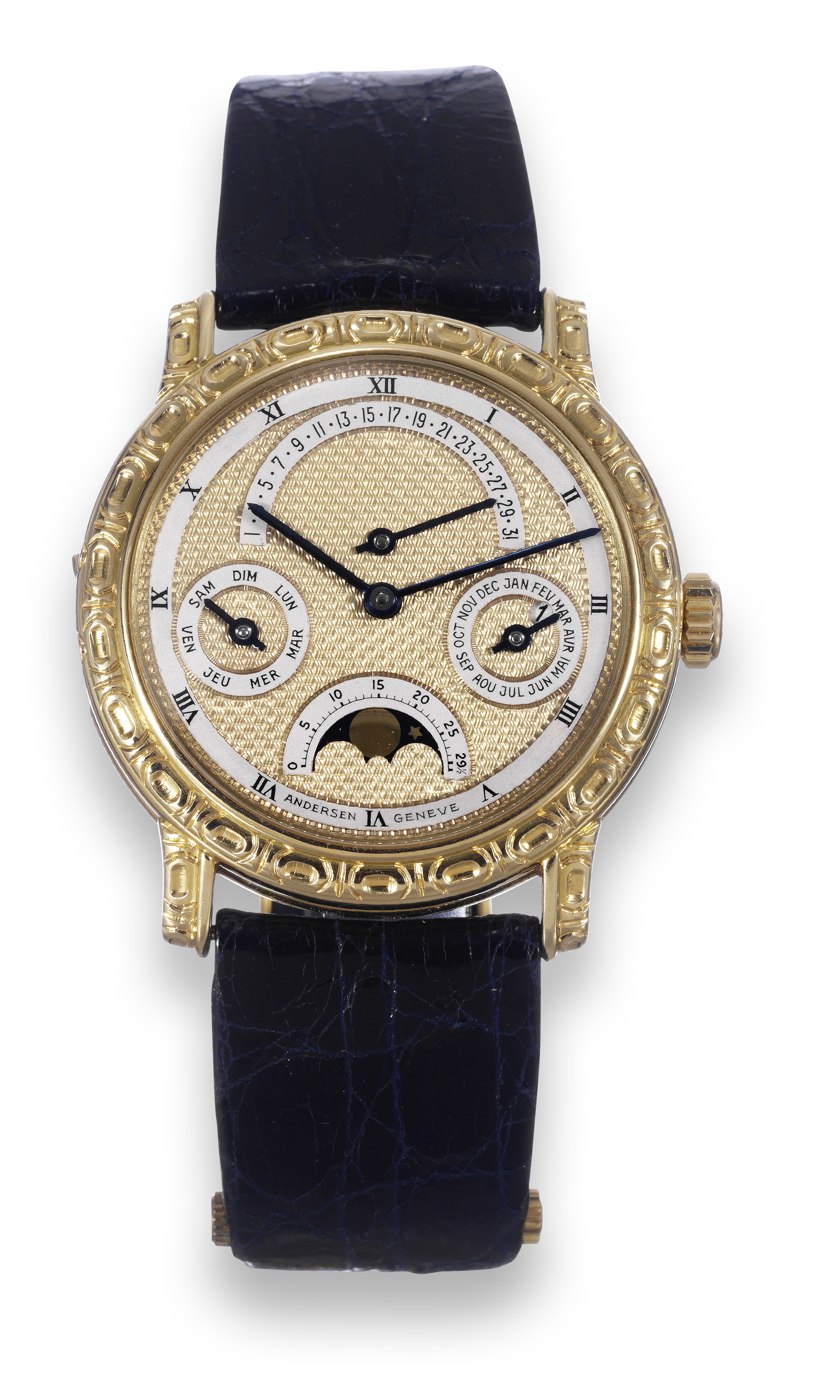
- Andersen Geneve Unique Piece Minute-Repeating Perpetual CalendarRepeater & striking watch · 1990
Provenance
Where the 1 catalogued piece by Svend Andersen was recorded, with the collectors, owners and sales their records name.
Provenance map
Each piece is linked to the museum, auction house or dealer whose record it comes from, and to any other house or collection its own provenance names. Select a name to see its pieces.
Auction houses · 1 piece
Antiquorum
Auction house · 1 piece · Directory entry
Andersen Geneve Unique Piece Minute-Repeating Perpetual CalendarRepeater & striking watch · 1990 · Record source
Antiquorum: lot 409
Auction history
| House | Sale & lot | Object |
|---|---|---|
| Antiquorum | lot 409 | Andersen Geneve Unique Piece Minute-Repeating Perpetual Calendar |
Each line is copied from the object's source record and is not independently verified. Holders are as recorded when the piece was catalogued: museum objects may not be on display, and sold lots have since changed hands.
Photographs
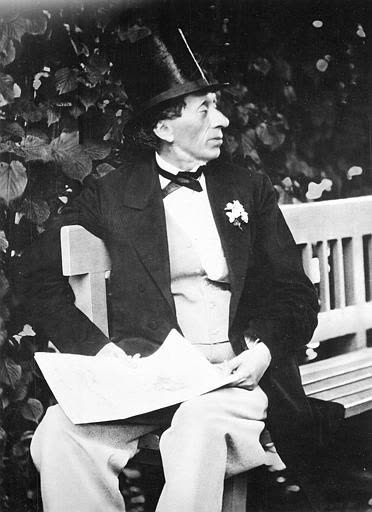
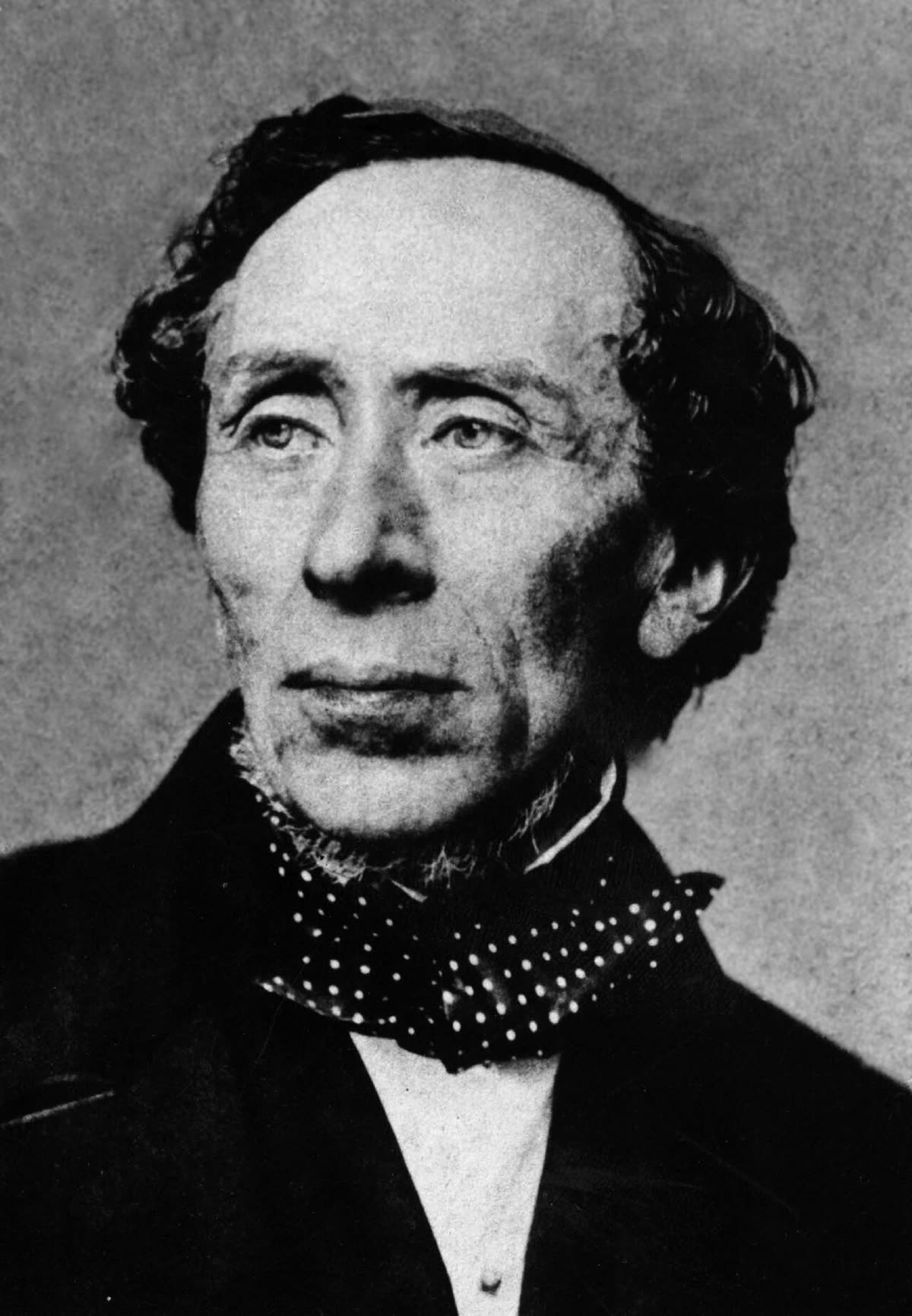
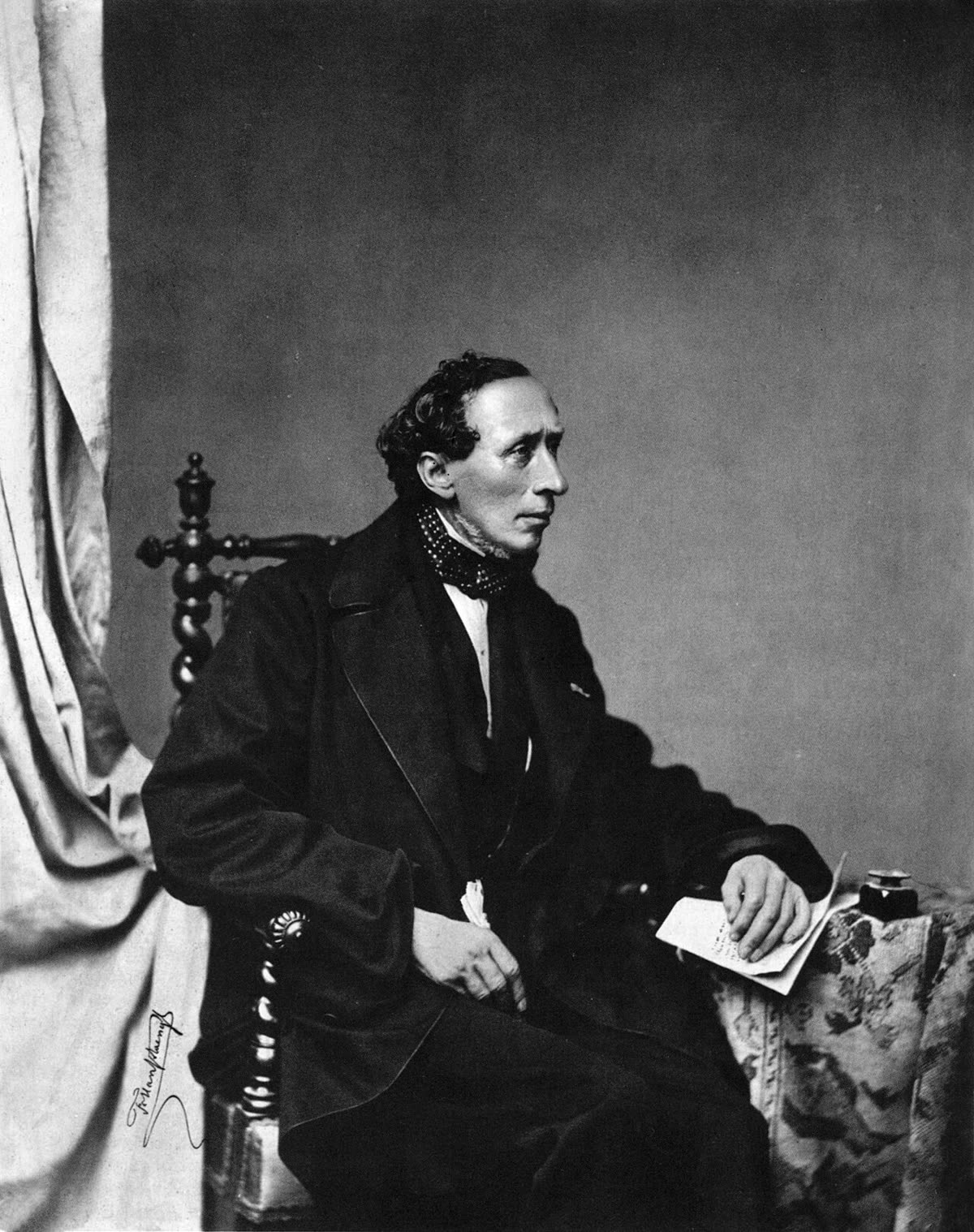
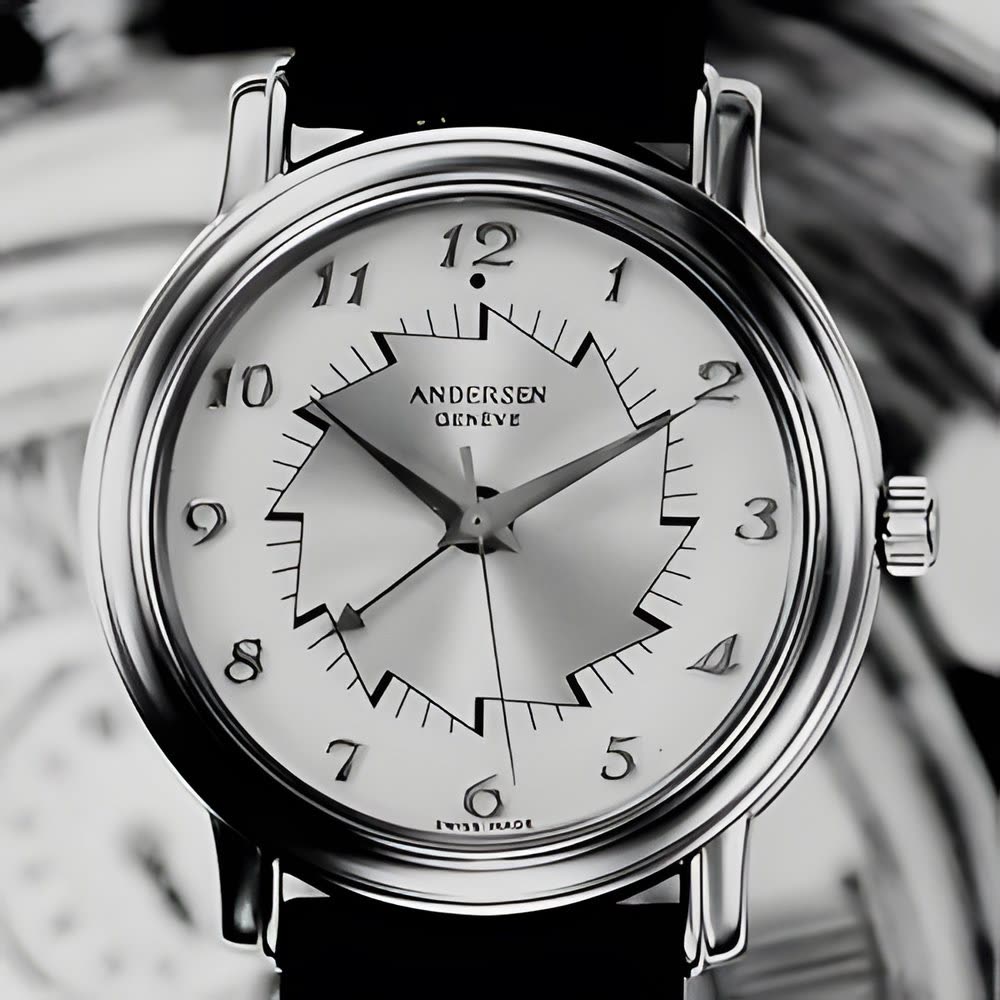
Photographs are illustrative examples of the type, not necessarily the exact object described. Verify details against the source file page.
Sources & references
- Andersen, Svend, Watch-Wiki, retrieved 2026-10-27
- Britten, F. J., Old Clocks and Watches and Their Makers
- Loomes, B., The Early Clockmakers of Great Britain
- Ehrhardt, R., American Pocket Watch Identification and Price Guide
- Museum catalogue records
Where sources disagree, the disagreement is stated rather than resolved silently.