
London, England · fl. c. 1635 – c. 1710
Samuel Watson
Partially verifiedAstronomical clocks
Life & work
Specialized in astronomical work.
Samuel Watson was an active horologist and clockmaker whose career spanned from approximately 1635 to 1710. Before relocating his business to the Long Acre area of London in 1690 or 1691, Watson served as the sheriff of Coventry in 1686. During his career, he held the distinction of making a clock for King Charles II and maintained an association with Isaac Newton.
The fuller biography summarises the open references listed under Sources; each statement was checked against the cited passage. Confirm key dates in period documents before relying on them.
Timeline
Samuel Watson's recorded dates, dated events from this profile and its sources, and dated pieces and sales from the object catalogue. Dates are as each record gives them.
c. 1635 · Career
First recorded as working
1635 · Career
Samuel Watson was an active horologist and clockmaker whose career spanned from approximately 1635 to 1710.
1690 · Career
Before relocating his business to the Long Acre area of London in 1690 or 1691, Watson served as the sheriff of Coventry in 1686.
1690-1710 · Catalogued piece
1695 · Career
In 1695, he produced the Physicians Pulse watch, which functioned as the first watch equipped with a lever to stop the second hand.
c. 1710 · Career
Last recorded as working
1710 · Career
He is credited with the invention of the 5-minute repeater in 1710.
Training, contributions & innovations
- Astronomical clock pioneer
- He is credited with the invention of the 5-minute repeater in 1710.
- In 1695, he produced the Physicians Pulse watch, which functioned as the first watch equipped with a lever to stop the second hand.
- Historical records indicate he was credited with creating the first stopwatch.
Inventions & patents
- N/A
Signatures & markings on surviving work
- Signed work
Documented works
- One of his astronomical clocks is housed within the library at Windsor Castle.
- The original case belonging to his Windsor Castle clock may reside at the Herbert Art Gallery and Museum.
Where sources differ
- Dates corrected to “fl. c. 1635 – c. 1710” from the cited sources (previously recorded as “c. 1637 – 1710”).
Collecting significance
Signatures on historic work were applied by retailers and by later hands; attribution should rest on the movement's construction and provenance.
Firms, key models & movements
Famous objects
In the object catalogue
1 catalogued object is recorded under Samuel Watson. Attributions are as given by each source and are not independent authentication.
- Astronomical Clock by Samuel WatsonBracket clock · 1690-1710
Provenance
Where the 1 catalogued piece by Samuel Watson was recorded, with the collectors, owners and sales their records name.
Provenance map
Each piece is linked to the museum, auction house or dealer whose record it comes from, and to any other house or collection its own provenance names. Select a name to see its pieces.
Museums · 1 piece
Science Museum Group
Museum · 1 piece
Astronomical Clock by Samuel WatsonBracket clock · 1690-1710 · Record source
The record names no sale, lot or earlier owner.
Each line is copied from the object's source record and is not independently verified. Holders are as recorded when the piece was catalogued: museum objects may not be on display, and sold lots have since changed hands.
Photographs

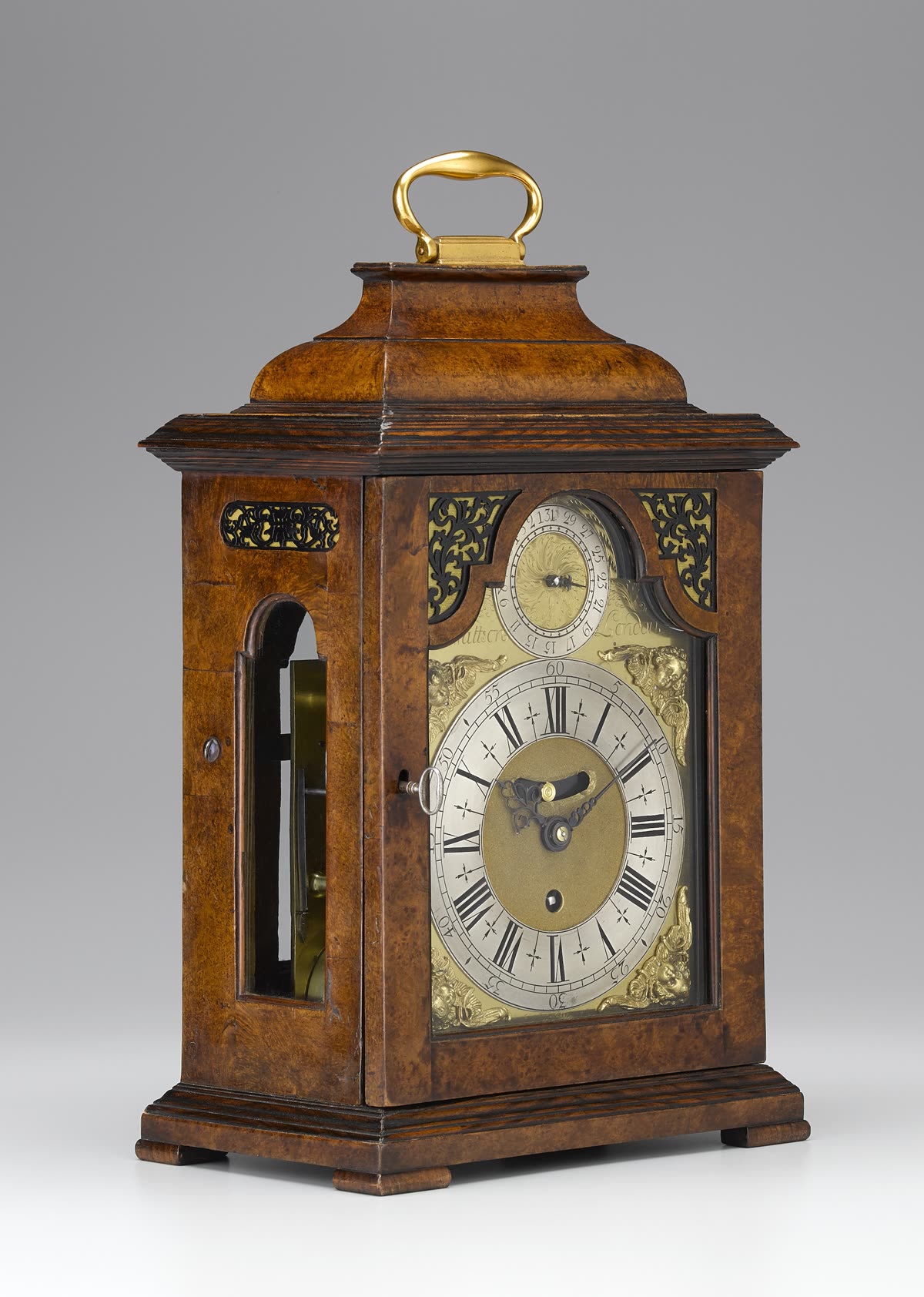
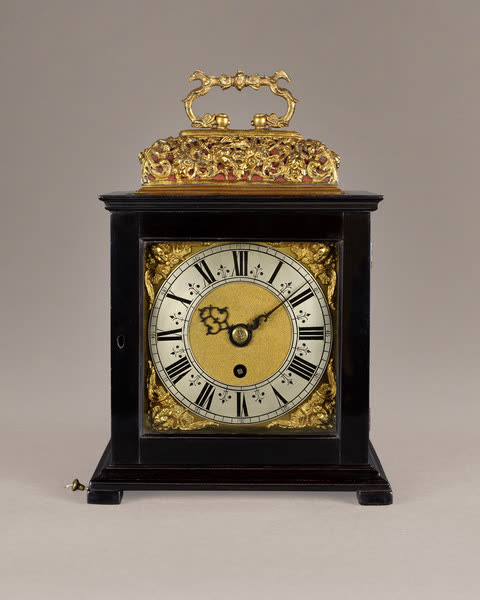
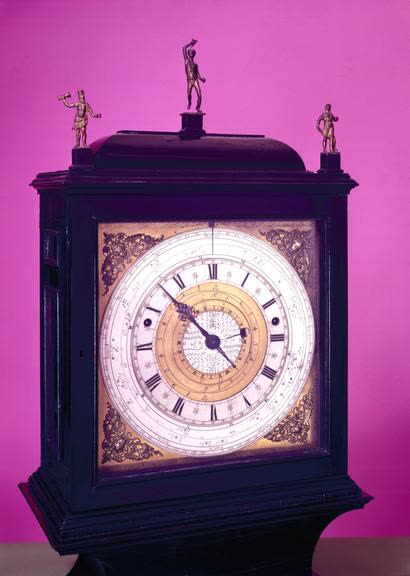
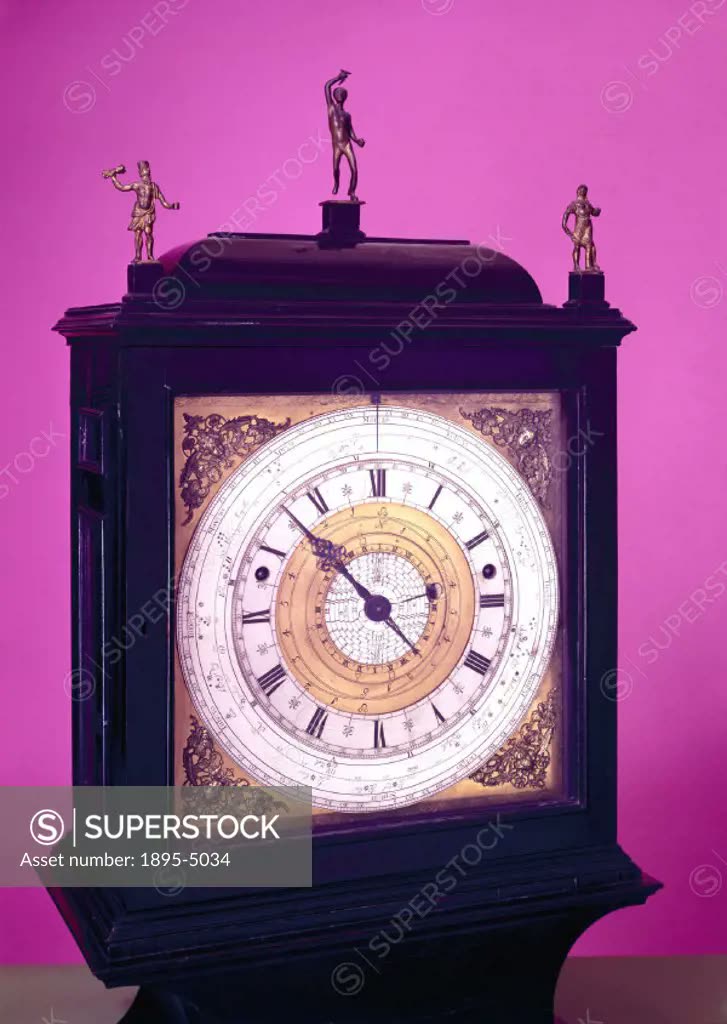
Photographs are illustrative examples of the type, not necessarily the exact object described. Verify details against the source file page.
Sources & references
- Samuel Watson (horologist), Wikipedia (English), retrieved 2026-10-27 (text CC BY-SA 4.0)
- Britten, F. J., Old Clocks and Watches and Their Makers
- Loomes, B., reference works on British and European clockmakers
Where sources disagree, the disagreement is stated rather than resolved silently.