
Paris, France · 1781 – 1866
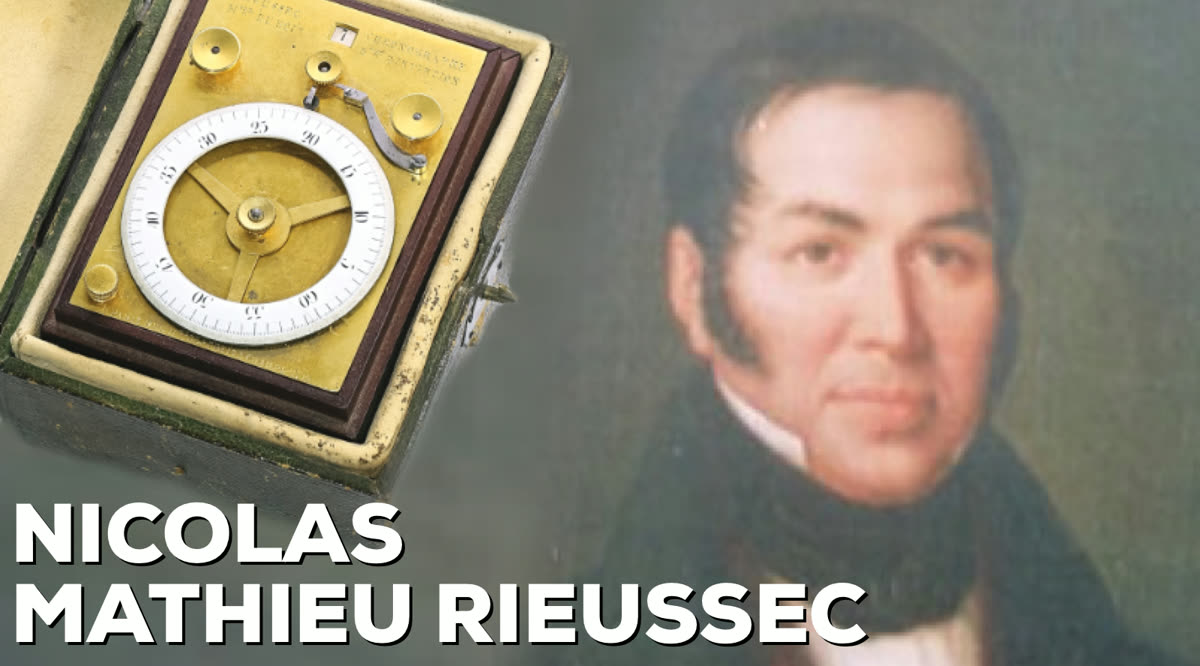
Nicolas-Mathieu Rieussec
Partially verifiedTiming instruments for horse racing; the chronograph
Life & work
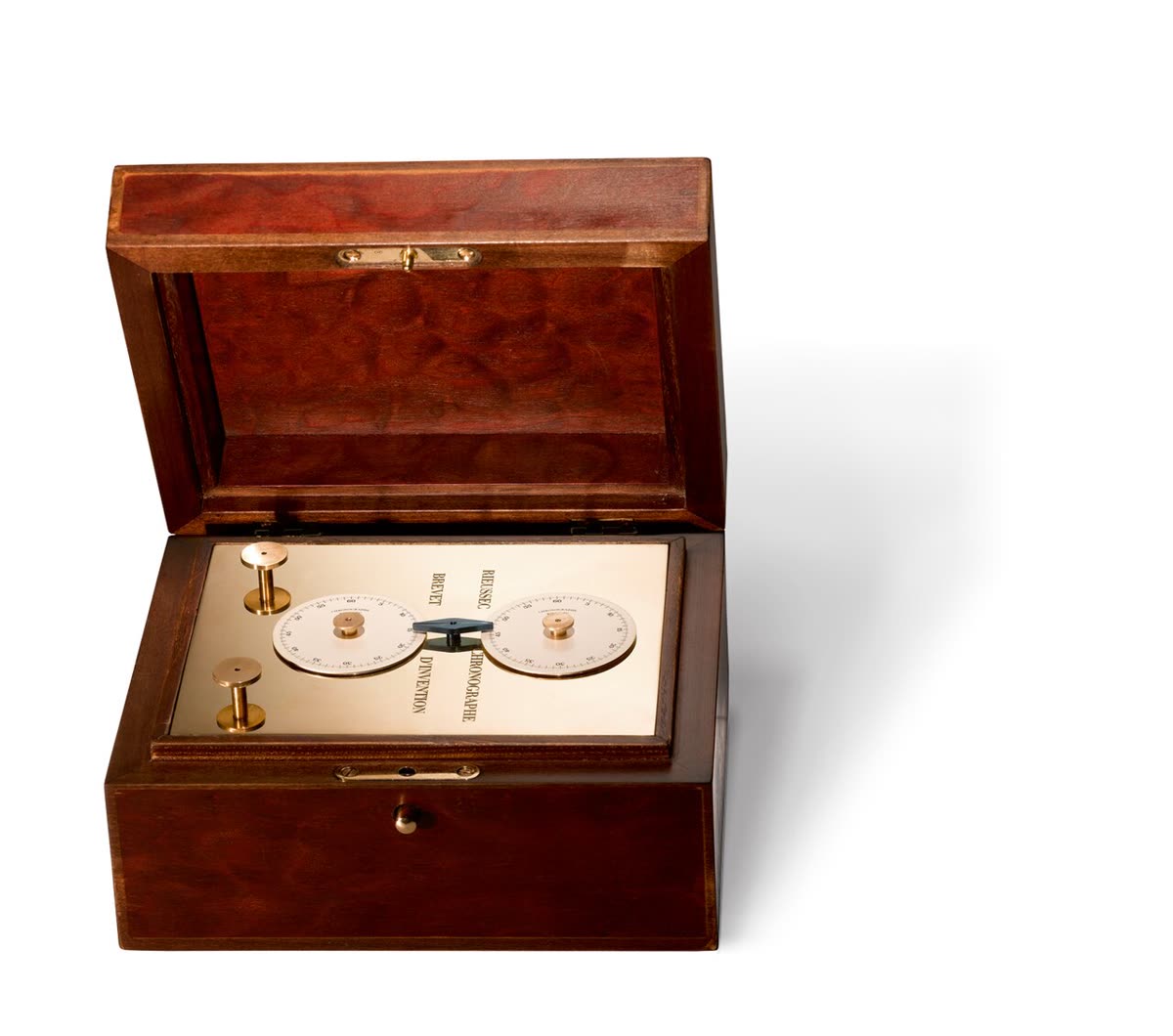
Nicolas-Mathieu Rieussec was a Paris watchmaker credited with constructing, in 1821, a timing instrument used to record the results of horse races at the Champ de Mars in Paris, using a rotating dial and an ink-marking pen to record elapsed time — the device from which the term 'chronograph' (writer of time) derives, since it literally marked its readings in ink rather than merely displaying them on a dial.
Rieussec's instrument was presented to the French Academy of Sciences and is documented in period accounts as a genuinely novel solution to the practical problem of timing an event whose exact end could not be anticipated, a distinct technical challenge from ordinary timekeeping. It predates the reset-to-zero chronograph mechanisms later patented by Adolphe Nicole and Jules Capt in 1862, which made the chronograph practical for repeated everyday use rather than a specialised, single-purpose recording instrument.
Rieussec's name has been commercially revived by later watch brands, and this encyclopedia treats the historical 1821 timing device and any modern product using his name as related but distinct subjects, consistent with its treatment of other historic maker names later revived commercially.
Timeline
Nicolas-Mathieu Rieussec's recorded dates, dated events from this profile and its sources, and dated pieces and sales from the object catalogue. Dates are as each record gives them.
1781 · Career
Born
1821 · Career
Nicolas-Mathieu Rieussec was a Paris watchmaker credited with constructing, in 1821, a timing instrument used to record the results of horse races at the Champ de Mars in Paris, using a rotating dial and an ink-marking pen to record elapsed time — the device from which the term 'chronograph' (writer of time) derives, since it literally marked its readings in ink rather than merely displaying them on a dial.
1821 · Career
Rieussec's name has been commercially revived by later watch brands, and this encyclopedia treats the historical 1821 timing device and any modern product using his name as related but distinct subjects, consistent with its treatment of other historic maker names later revived commercially.
1821 · Career
Constructed an 1821 ink-recording timing instrument for horse racing, the origin of the term 'chronograph'
1821 · Career
Rieussec's 1821 device is documented through Academy of Sciences records rather than a conventional patent number reliably reproduced across the sources consulted.
1862 · Career
It predates the reset-to-zero chronograph mechanisms later patented by Adolphe Nicole and Jules Capt in 1862, which made the chronograph practical for repeated everyday use rather than a specialised, single-purpose recording instrument.
1866 · Career
Died
Training, contributions & innovations
- Constructed an 1821 ink-recording timing instrument for horse racing, the origin of the term 'chronograph'
- Demonstrated a practical solution to timing events of unpredictable duration or endpoint
Inventions & patents
- Rieussec's 1821 device is documented through Academy of Sciences records rather than a conventional patent number reliably reproduced across the sources consulted.
Signatures & markings on surviving work
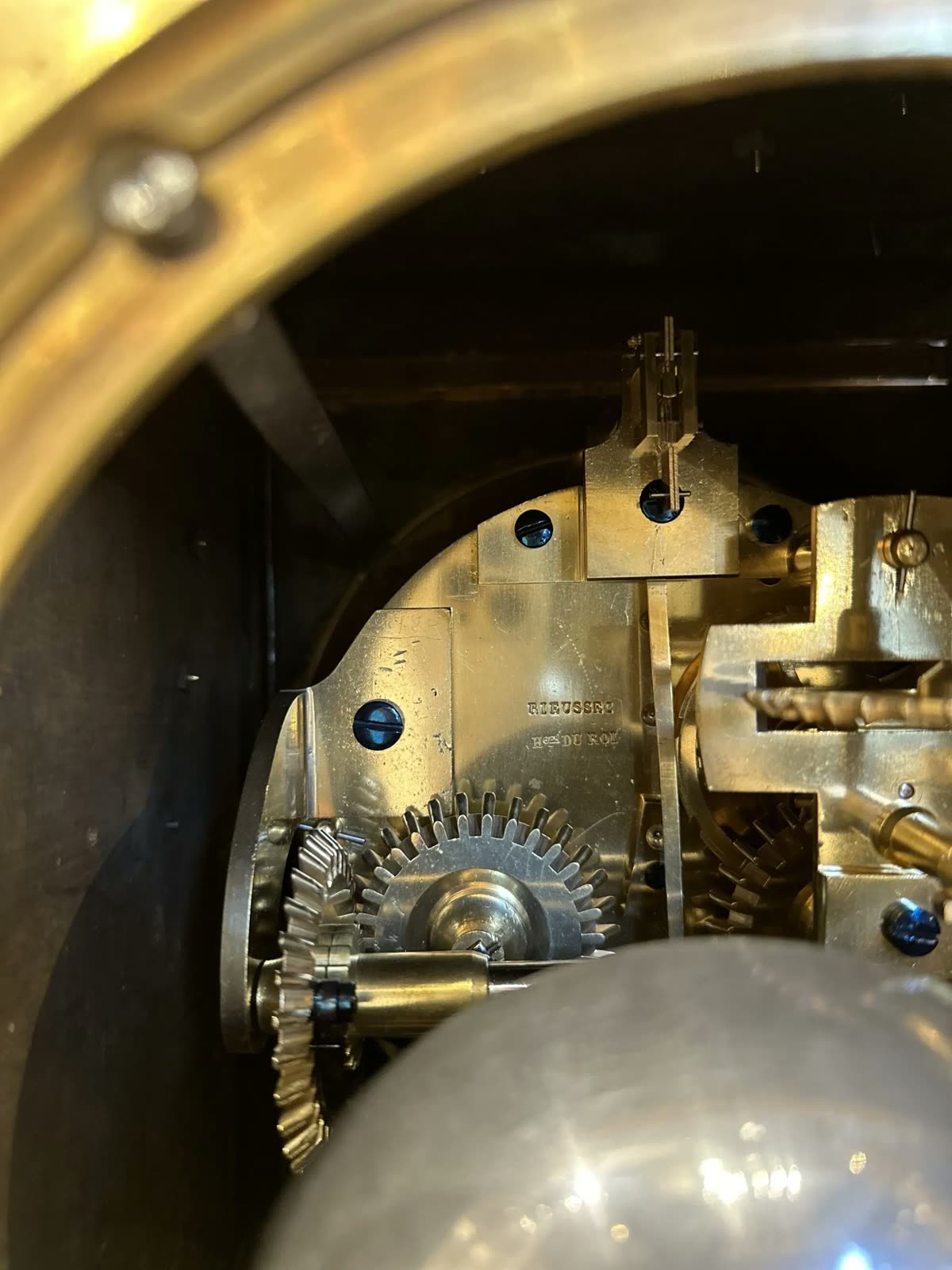
- Surviving Rieussec timing instruments are documented primarily through period institutional records rather than an extensive signed commercial series
Collecting significance
Genuine surviving Rieussec ink-chronograph instruments are extremely rare institutional objects; modern products bearing the Rieussec name are separate commercial ventures and should not be conflated with the 1821 original.
Firms, key models & movements
No firm, model or movement in this encyclopedia is yet recorded under this maker's name.
Photographs
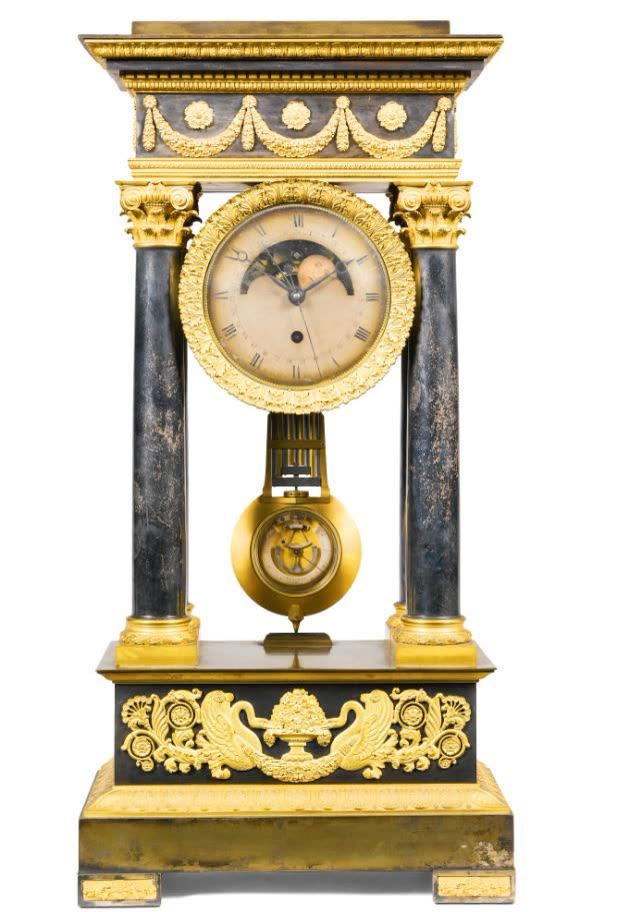
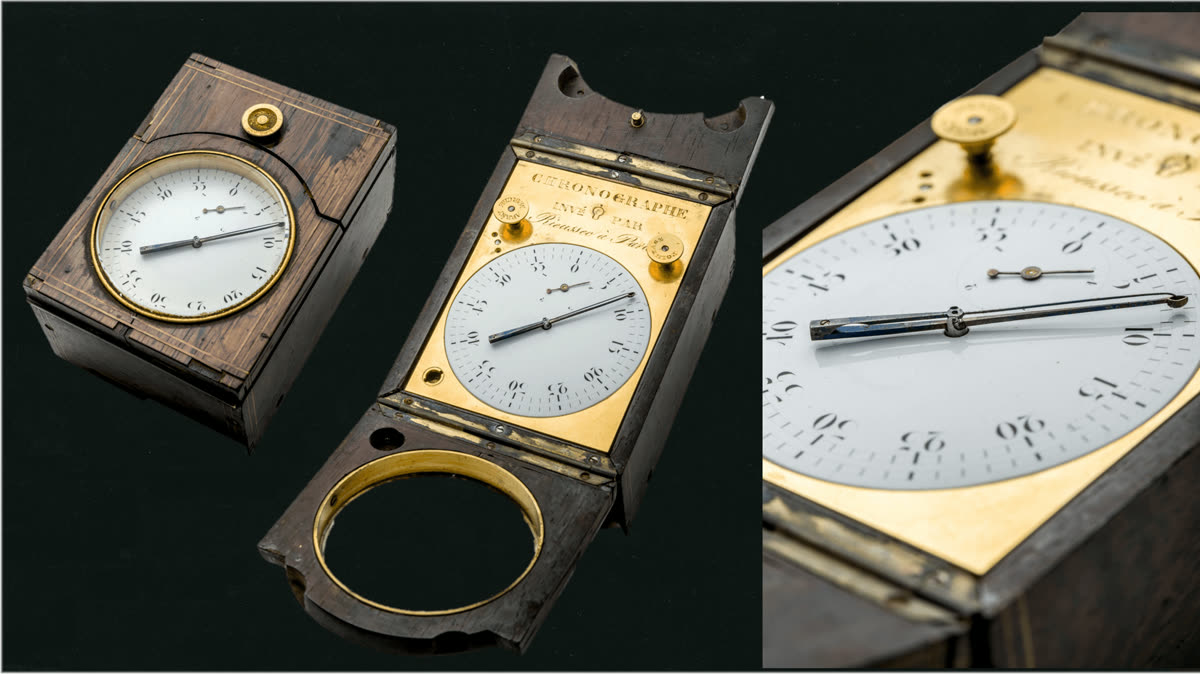
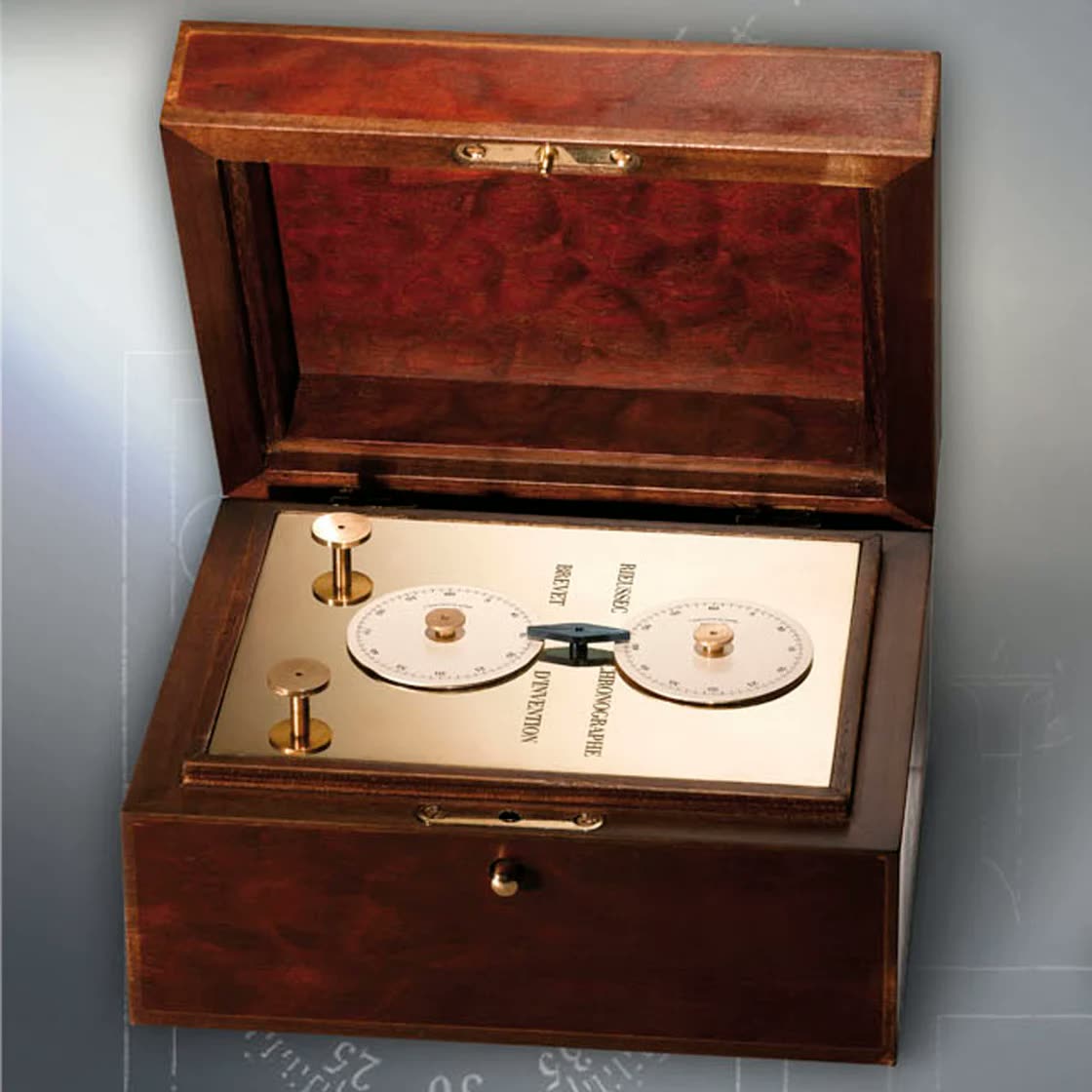
Photographs are illustrative examples of the type, not necessarily the exact object described. Verify details against the source file page.
Sources & references
- French Academy of Sciences period records on the 1821 timing instrument
- General chronograph-history literature discussing the origin of the term 'chronograph'
Where sources disagree, the disagreement is stated rather than resolved silently.