
Glashütte, Germany · 1826 – 1885
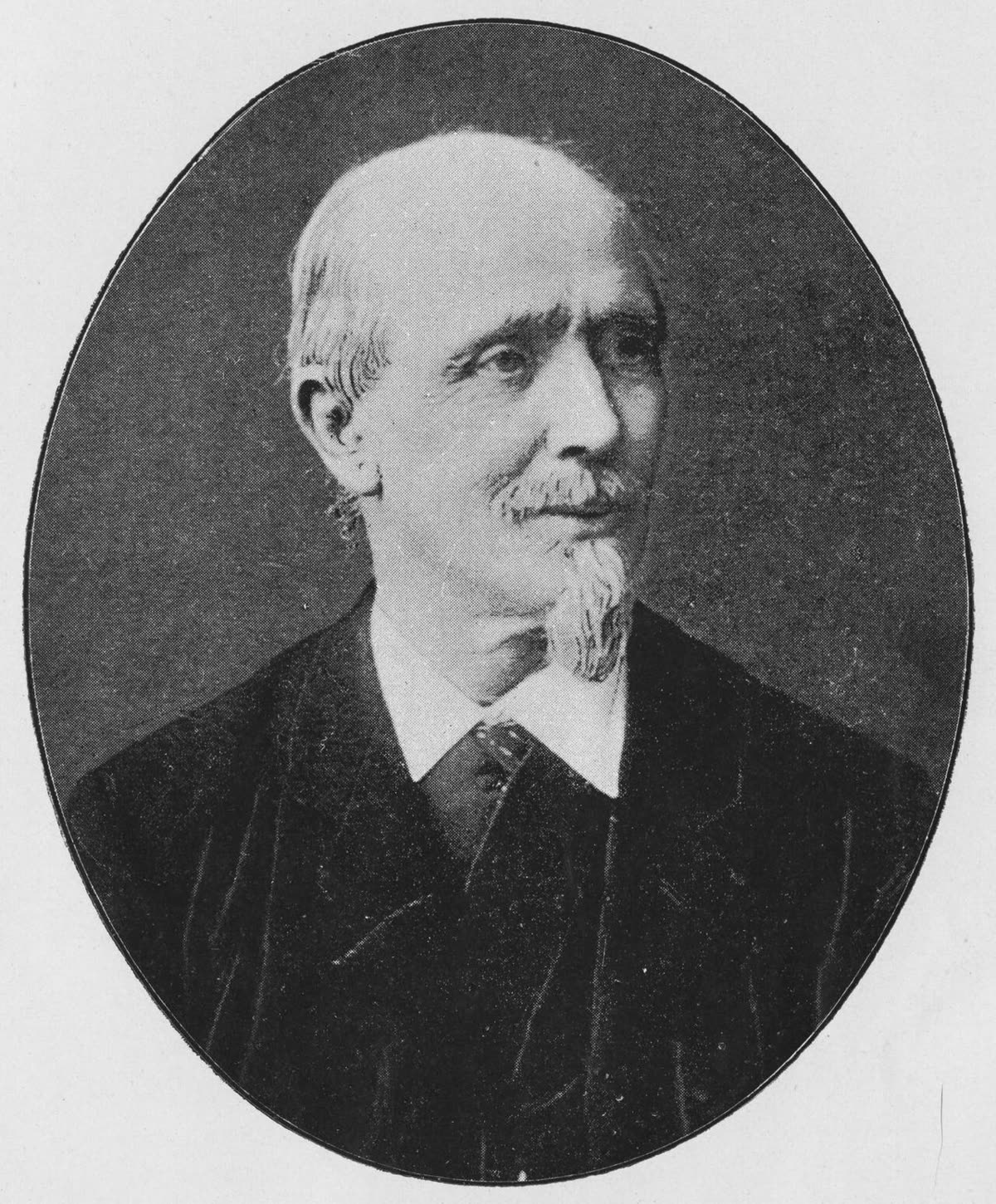
Moritz Grossmann
VerifiedPrecision watchmaking, teaching and horological writing
Life & work
Moritz Grossmann worked in Glashütte and was central to founding the German watchmaking school there, which trained generations of watchmakers.
He wrote prize-winning essays on the lever escapement and on precision construction, and his teaching is as significant as his output.
Karl Moritz Grossmann was a 19th-century watchmaker who founded the German School of Watchmaking in Glashütte on May 1, 1878. The school occupied rooms in the municipal schoolhouse before moving into a dedicated building in May 1881, which supported the development of student pocket watches. The modern manufacture operates in Glashütte, Germany, and produces mechanical timepieces such as the Benu and Tefnut models.
The fuller biography summarises the open references listed under Sources; each statement was checked against the cited passage. Confirm key dates in period documents before relying on them.
Timeline
Moritz Grossmann's recorded dates, dated events from this profile and its sources, and dated pieces and sales from the object catalogue. Dates are as each record gives them.
1826 · Career
Born
circa 1875 · Catalogued piece
Moritz Grossmann 20 Ligne Nickel Silver Pocket Watch Movement
1878 · Career
Karl Moritz Grossmann was a 19th-century watchmaker who founded the German School of Watchmaking in Glashütte on May 1, 1878.
1878 · Career
The 1878 special edition watch was created as a commemorative timepiece honoring the history of the school and the legacy of Moritz Grossmann.
1881 · Career
The school occupied rooms in the municipal schoolhouse before moving into a dedicated building in May 1881, which supported the development of student pocket watches.
1885 · Career
Died
Training, contributions & innovations
- Karl Moritz Grossmann established the German School of Watchmaking to train future generations of horologists in Glashütte.
- Published influential technical essays on escapement construction
Inventions & patents
- No broad invention claim is asserted; his significance is teaching and published method.
Signatures & markings on surviving work
- Signed pocket watches survive in small numbers; documentation is the reliable route to attribution.
Documented works
- The 1878 special edition watch was created as a commemorative timepiece honoring the history of the school and the legacy of Moritz Grossmann.
- The Benu Tourbillon model is noted for using a human hair as an integral component within its movement.
Collecting significance
Signatures on historic work were applied by retailers and by later hands as well as by makers, so attribution should rest on the movement's construction and on documented provenance rather than on the name alone. A specialist opinion is worth obtaining before any purchase made on the strength of a signature.
Firms, key models & movements
Firms
- Moritz Grossmann · 1854
Famous objects
In the object catalogue
1 catalogued object is recorded under Moritz Grossmann. Attributions are as given by each source and are not independent authentication.
- Moritz Grossmann 20 Ligne Nickel Silver Pocket Watch MovementPocket watch movement · circa 1875
Provenance
Where the 1 catalogued piece by Moritz Grossmann was recorded, with the collectors, owners and sales their records name.
Provenance map
Each piece is linked to the museum, auction house or dealer whose record it comes from, and to any other house or collection its own provenance names. Select a name to see its pieces.
Auction houses · 1 piece
Schmitt Horan & Co.
Auction house · 1 piece
Moritz Grossmann 20 Ligne Nickel Silver Pocket Watch MovementPocket watch movement · circa 1875 · Record source
Schmitt Horan & Co.: lot 527
Auction history
| House | Sale & lot | Object |
|---|---|---|
| Schmitt Horan & Co. | lot 527 | Moritz Grossmann 20 Ligne Nickel Silver Pocket Watch Movement |
Each line is copied from the object's source record and is not independently verified. Holders are as recorded when the piece was catalogued: museum objects may not be on display, and sold lots have since changed hands.
Photographs
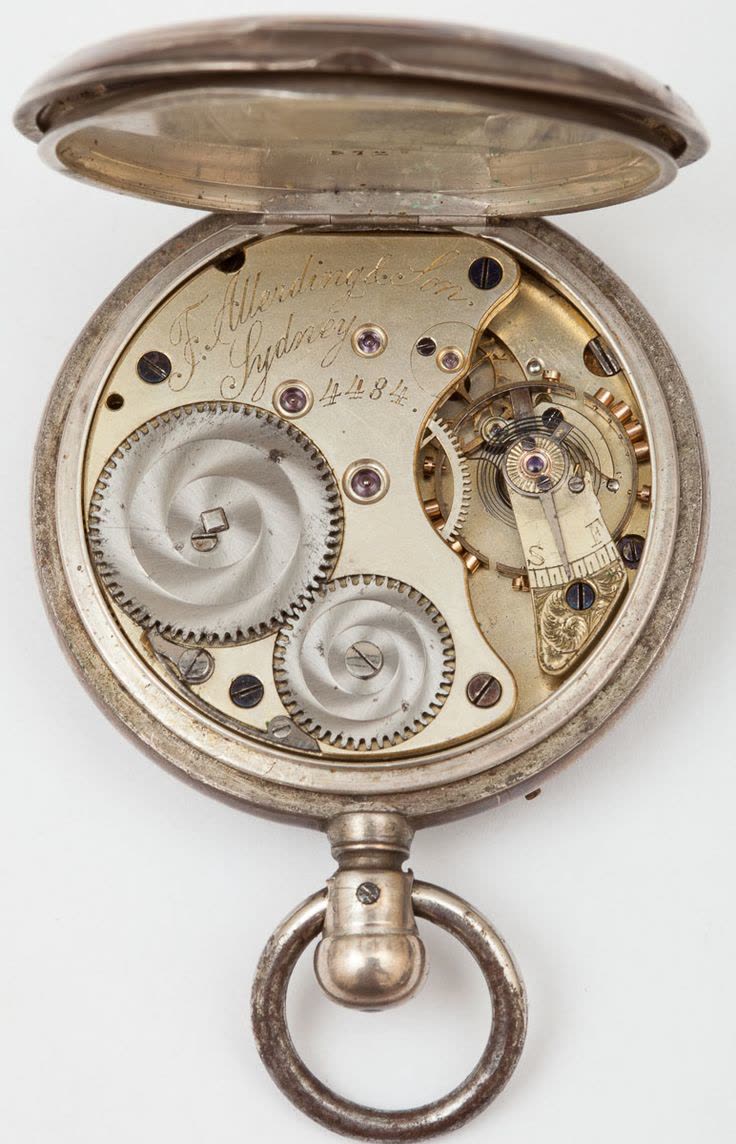
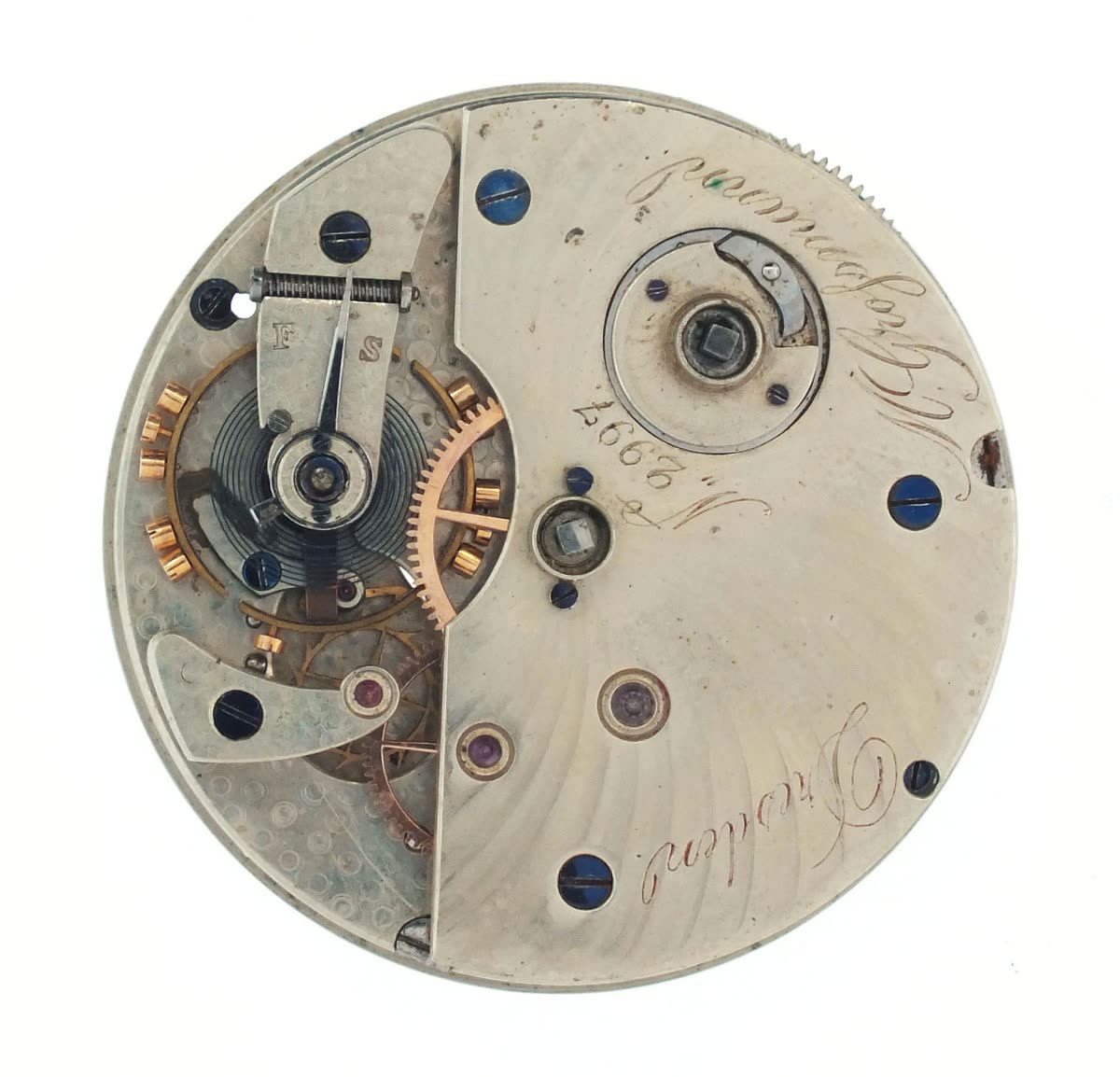
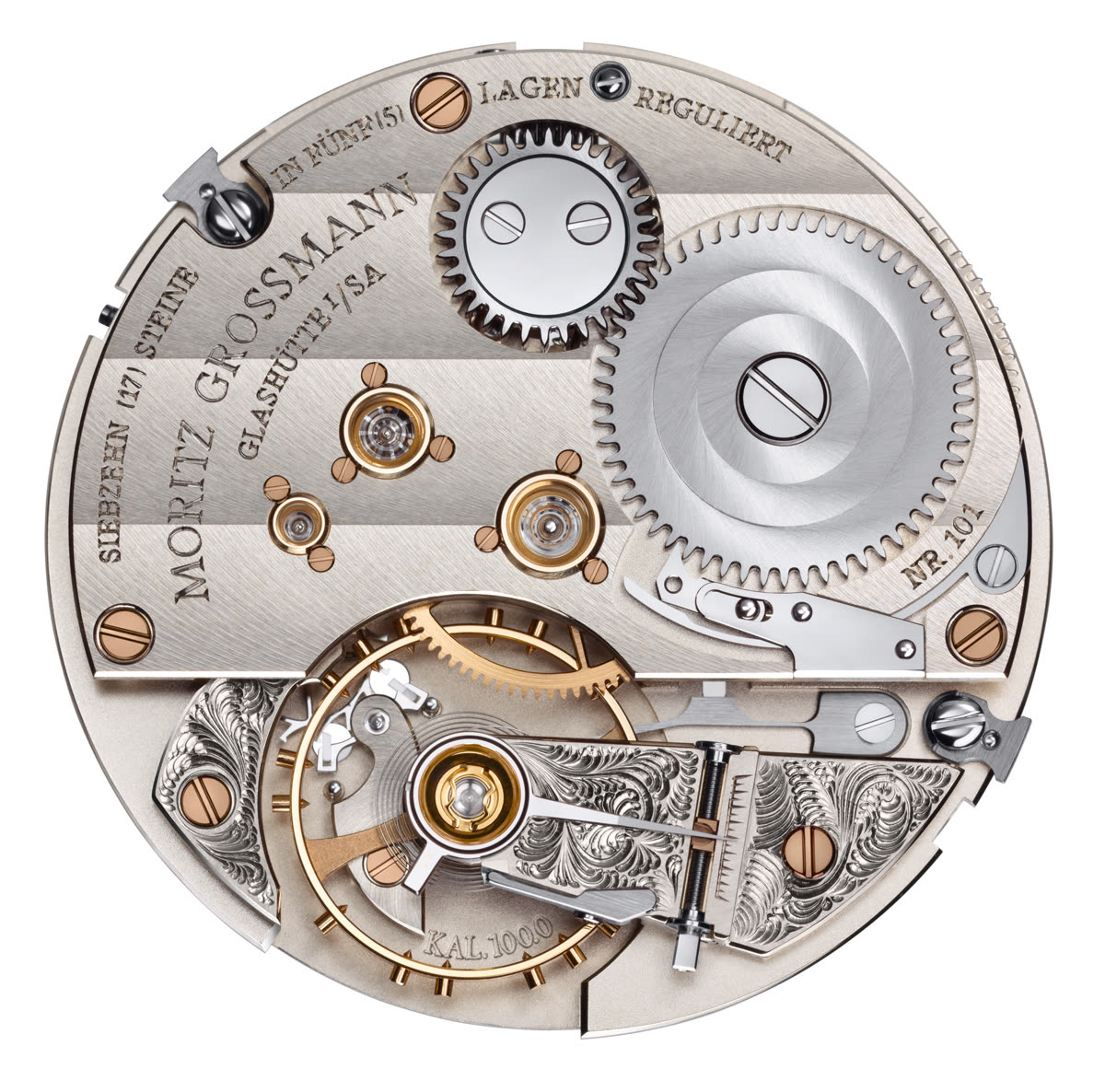
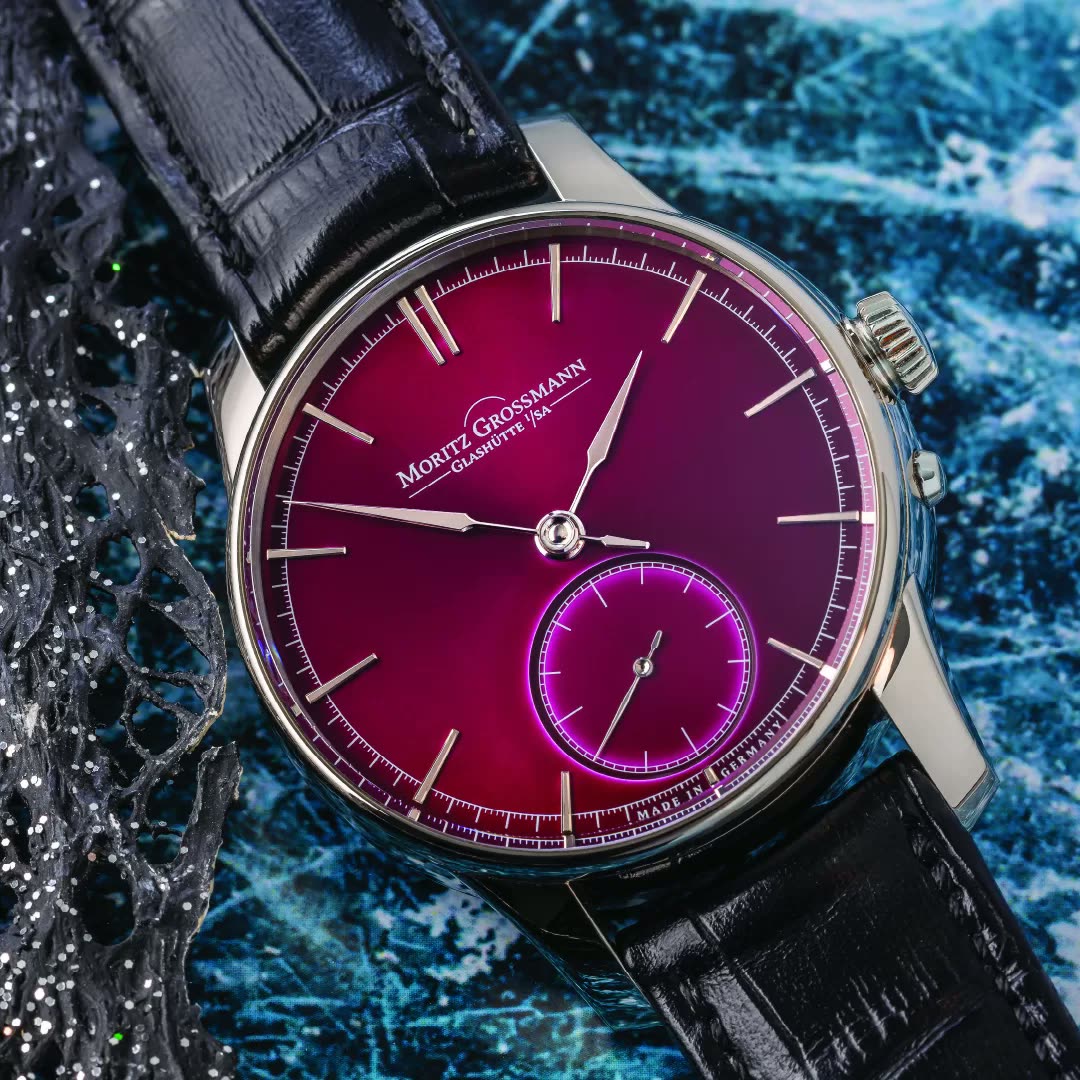
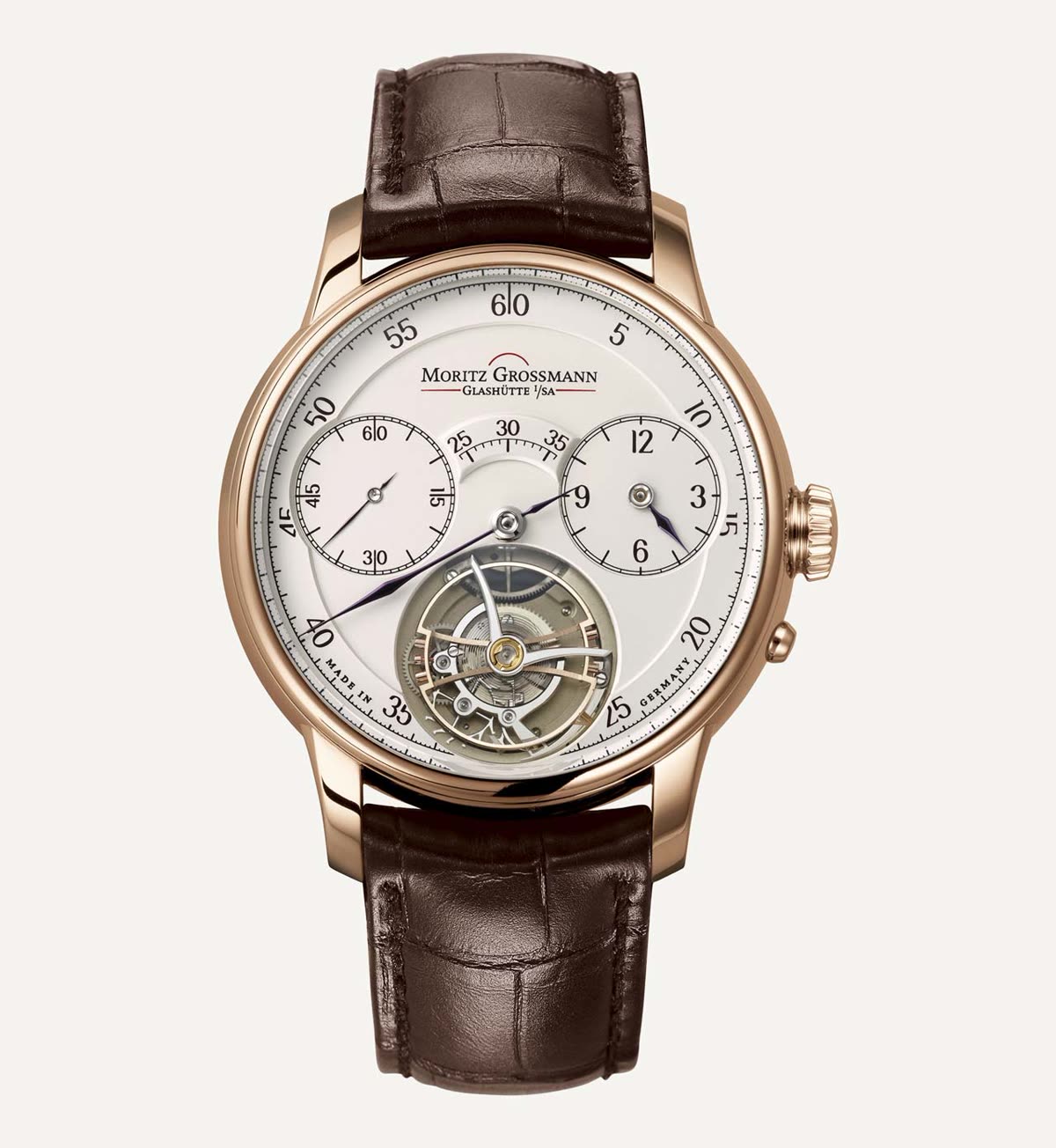
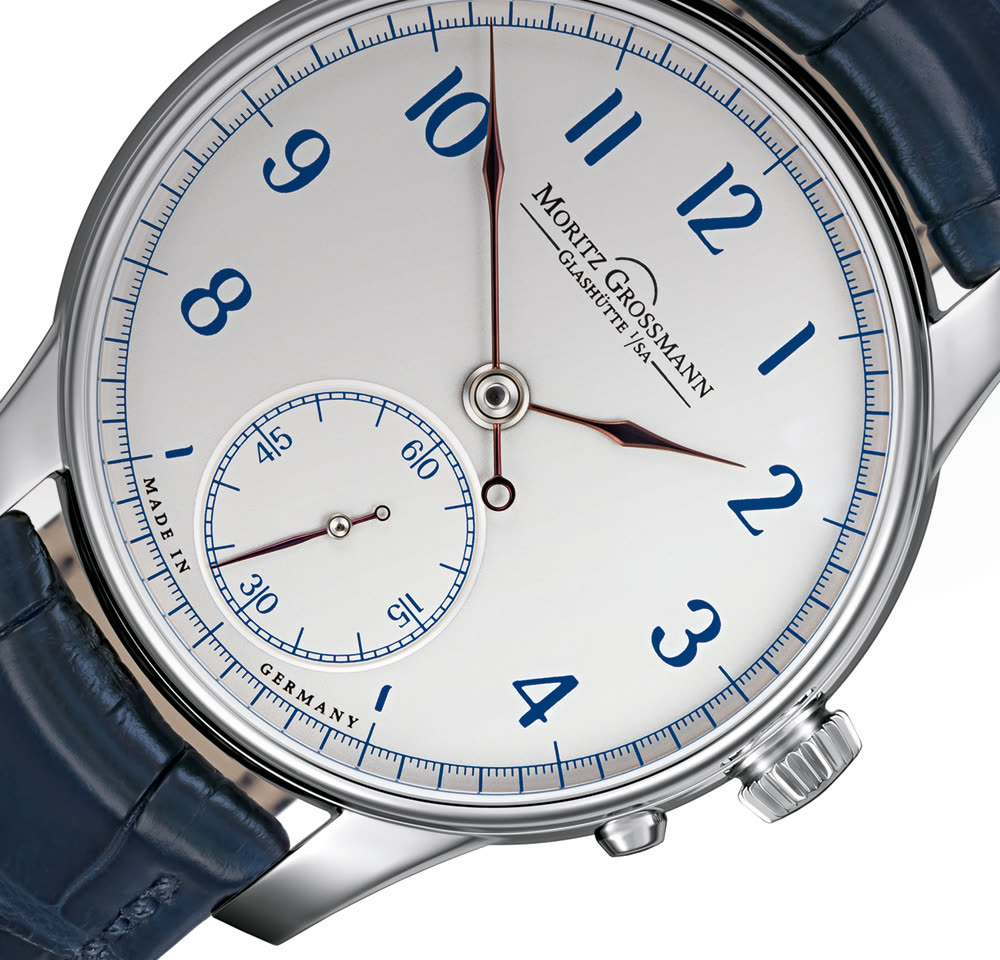
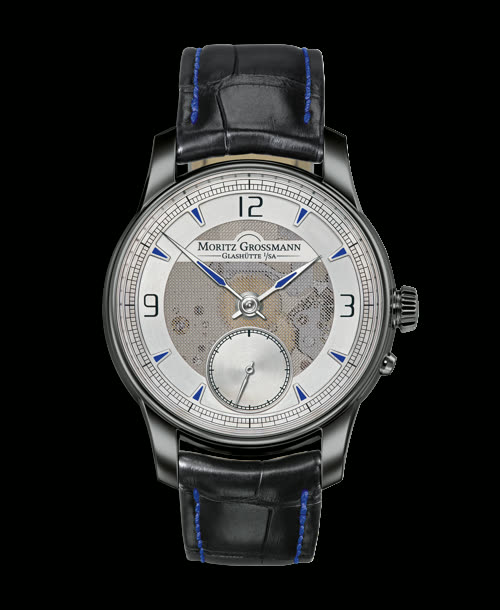
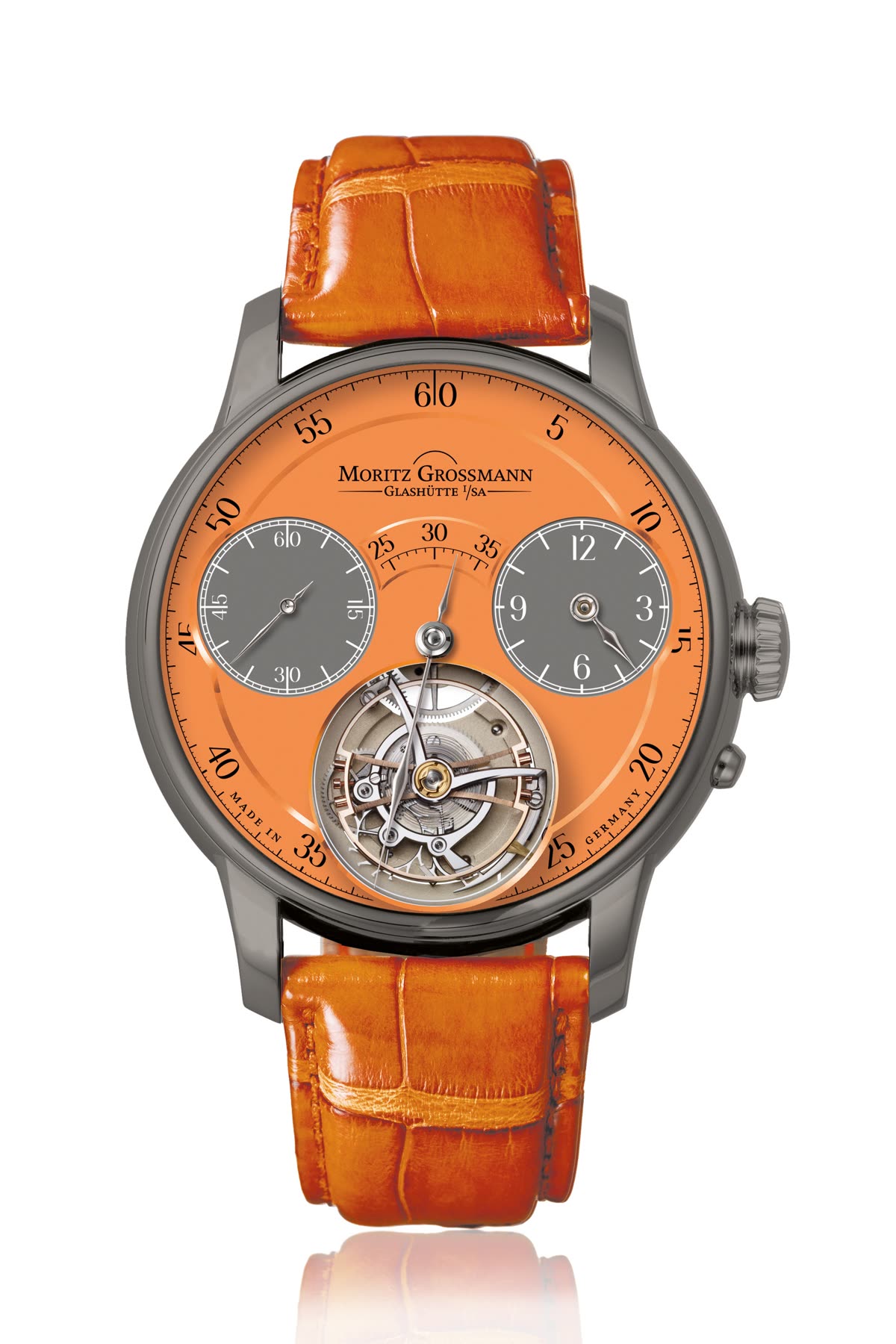
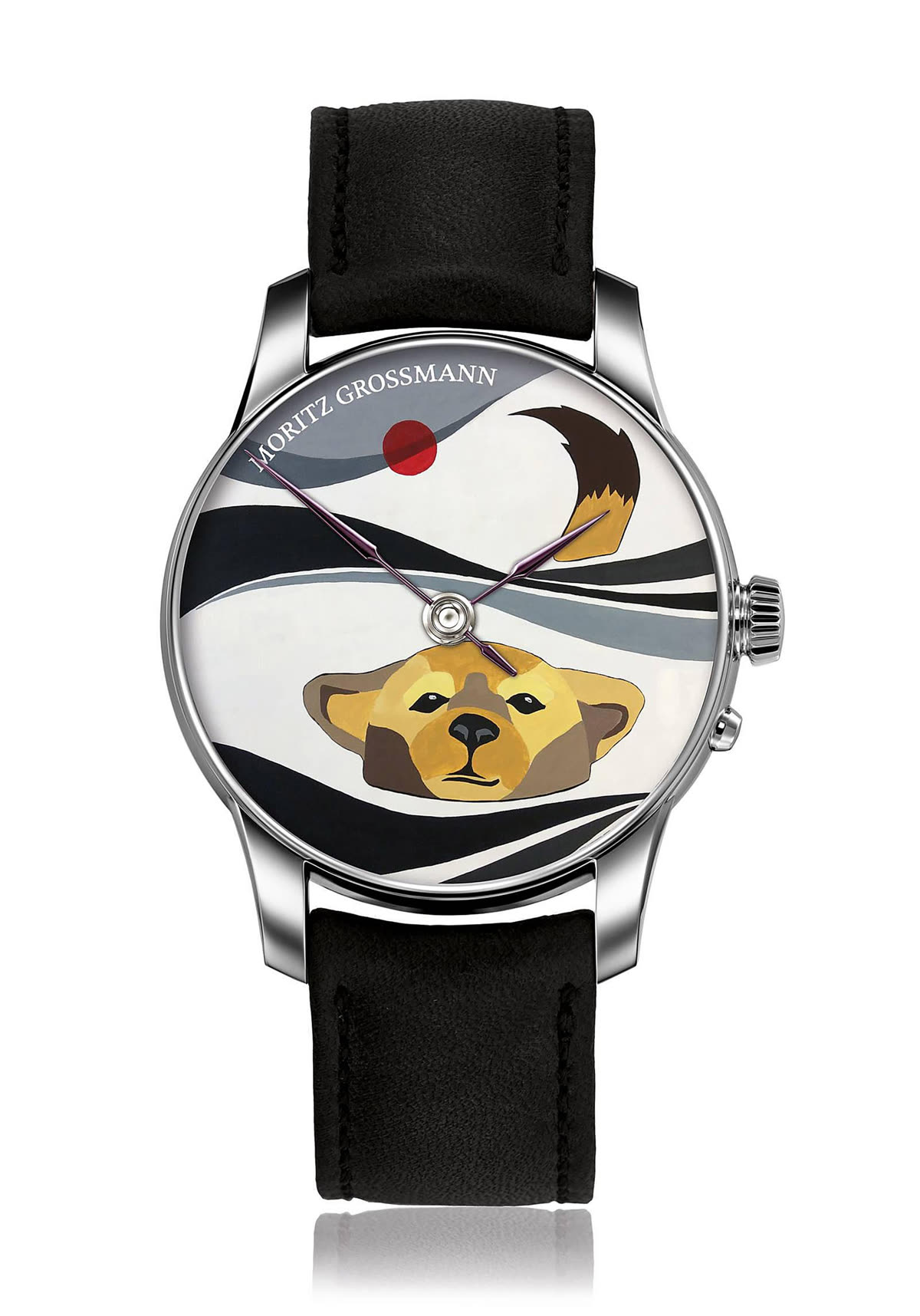
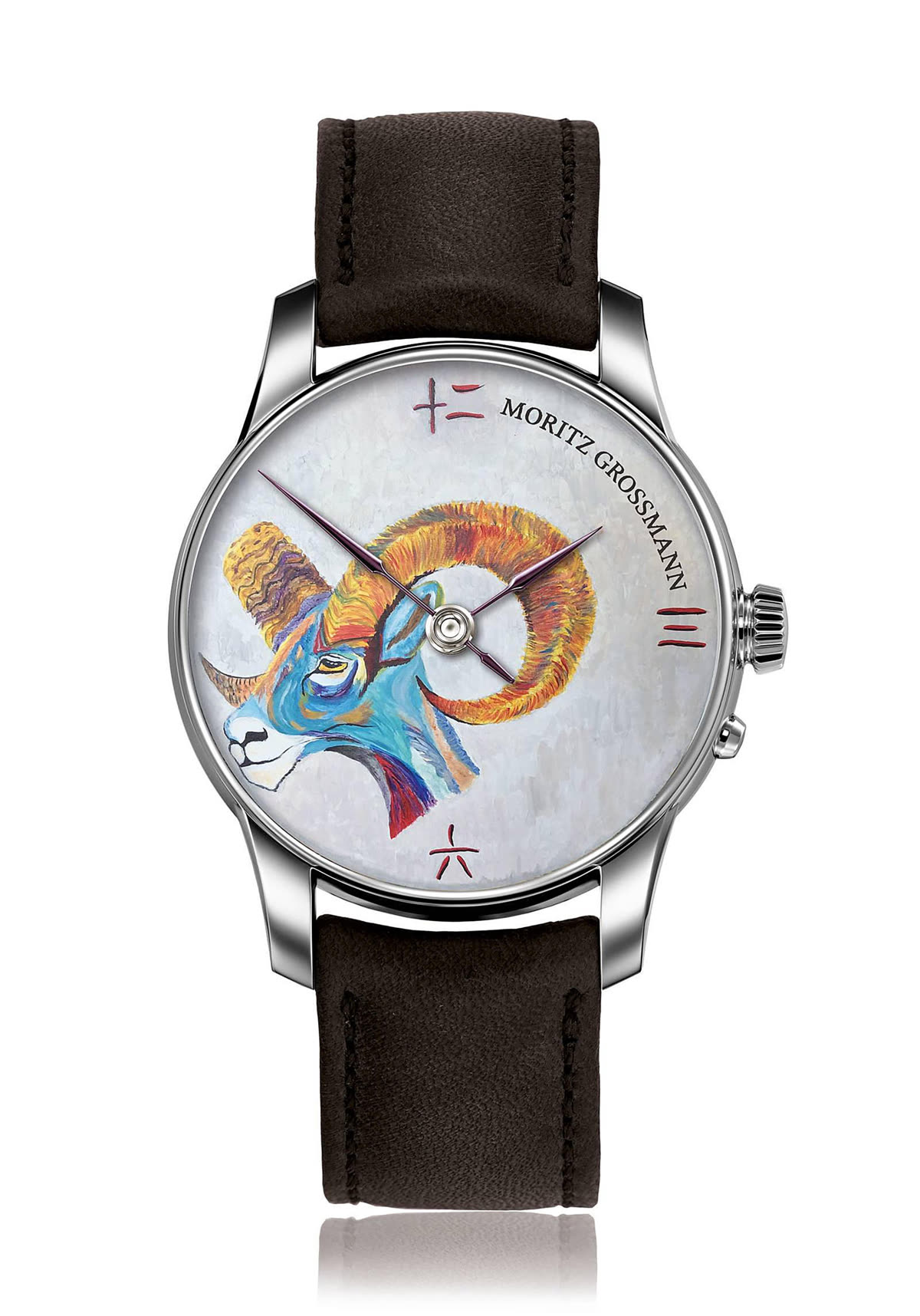
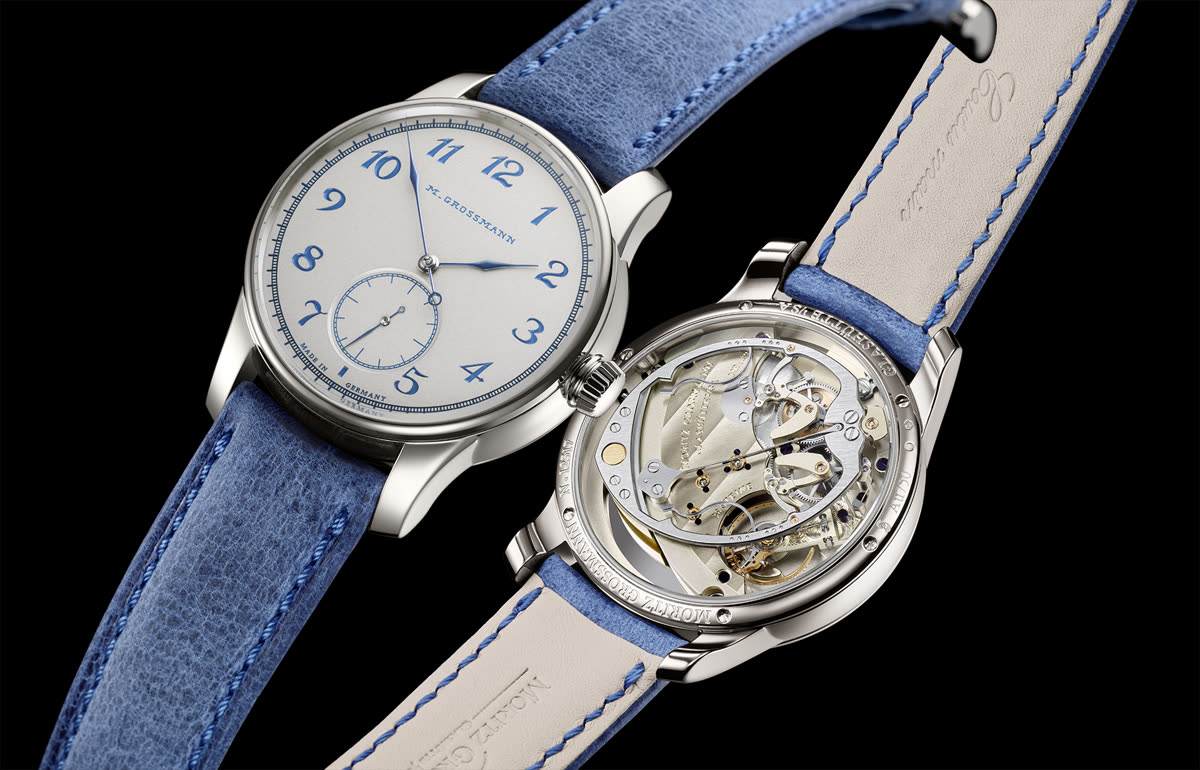
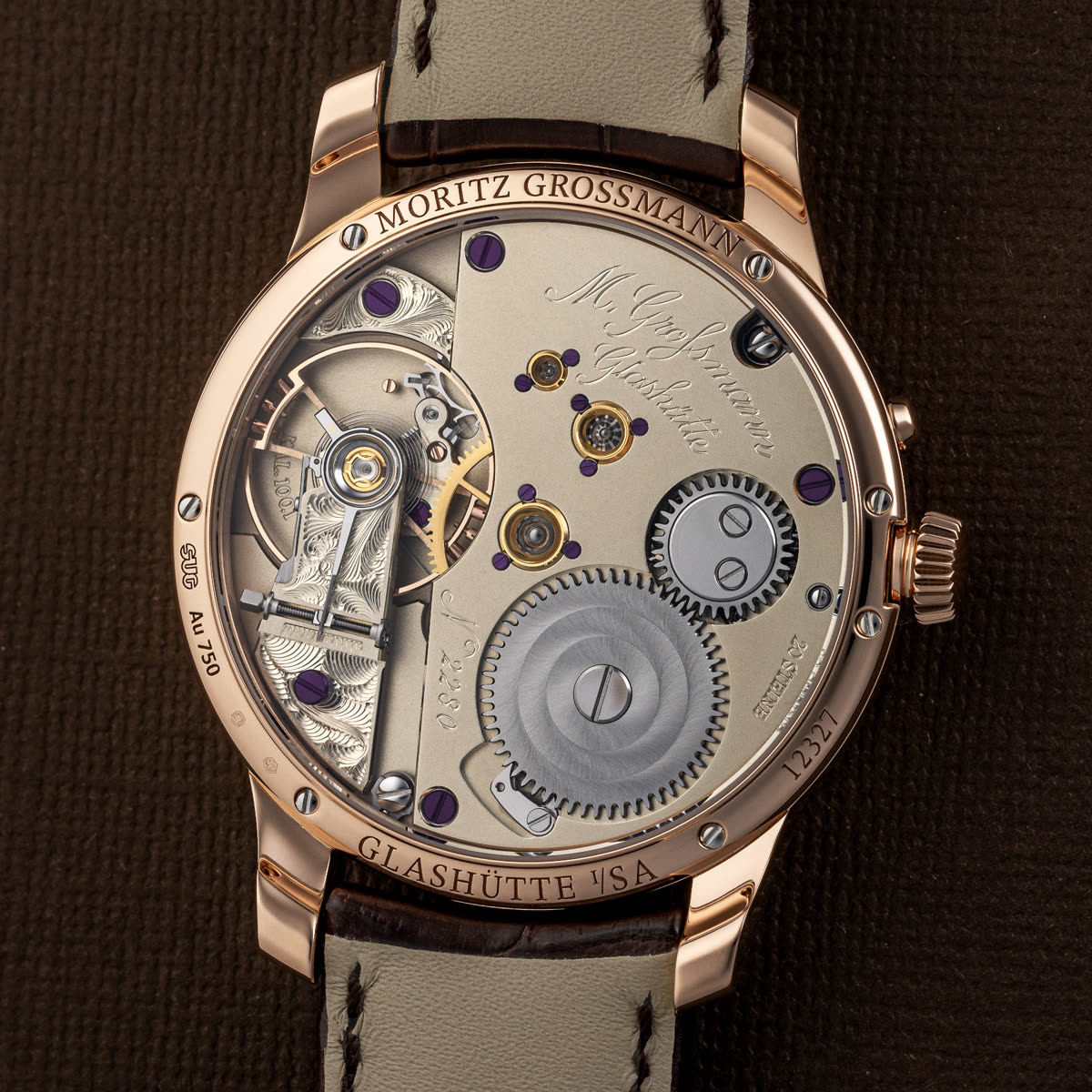
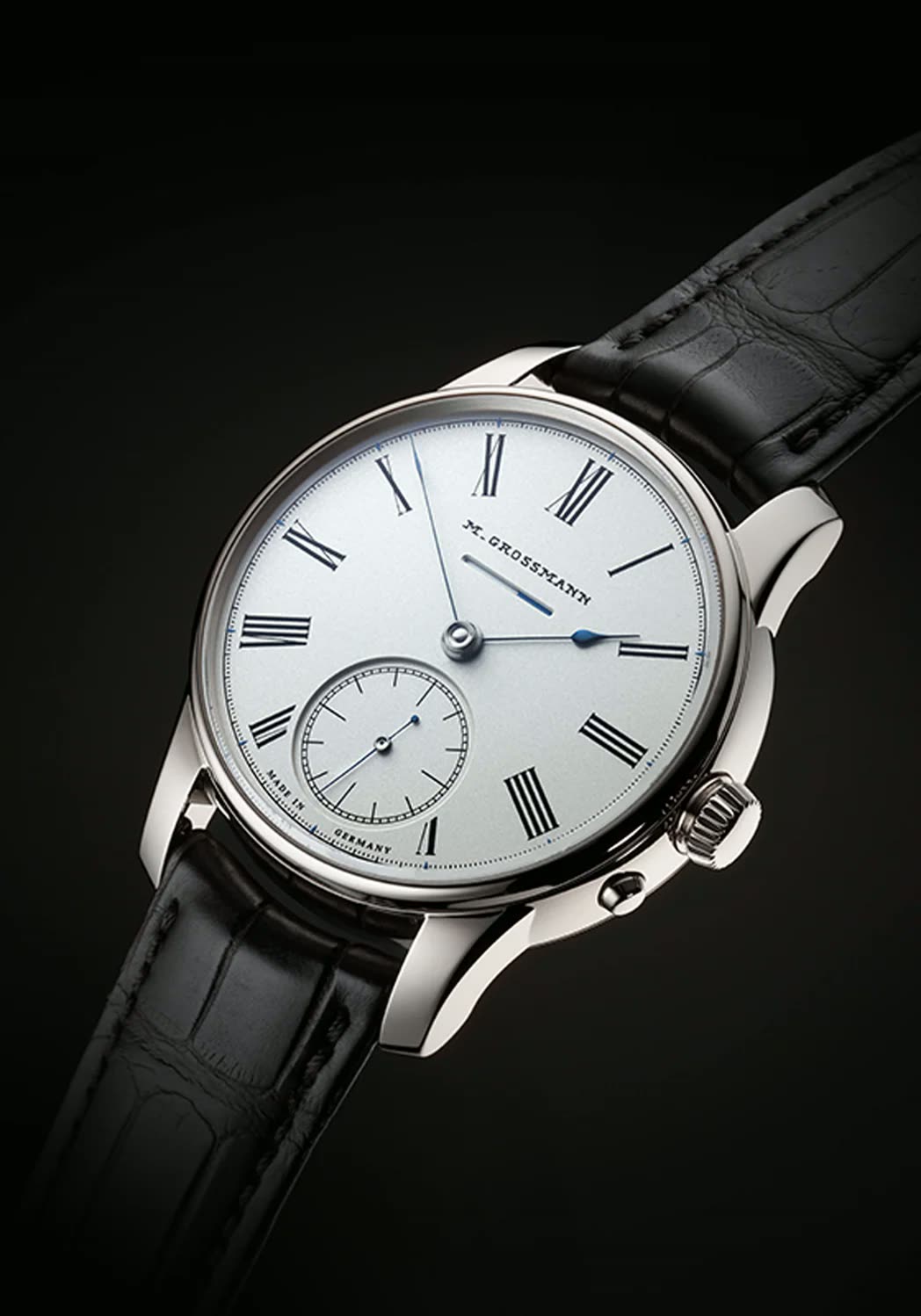
Photographs are illustrative examples of the type, not necessarily the exact object described. Verify details against the source file page.
Sources & references
- Moritz Grossmann, Wikipedia (English), retrieved 2026-10-27 (text CC BY-SA 4.0)
- BASELWORLD 2008: 1878 – Sonderedition Moritz Grossmann, Watch-Wiki, retrieved 2026-10-27
- Britten, F. J., Old Clocks and Watches and Their Makers
- Loomes, B., reference works on British and European clockmakers (edition-dependent)
- Museum catalogue entries for signed examples
Where sources disagree, the disagreement is stated rather than resolved silently.