
Buchholz, Straubing, Regensburg, Prague, Germany · fl. 16th century, died before 1600
Josua Habermel
Partially verifiedMaker of scientific instruments, sundials, and topographic equipment
Life & work
Josua Habermel was a German craftsman whose professional career spanned the latter half of the 16th century.
Early records indicate he worked in Buchholz and Straubing, where he created instruments for the Bavarian court and Wilhelm V. He later settled in Regensburg around 1576 before moving to Prague by 1590, where he potentially collaborated with the noted instrument maker Erasmus Habermel.
The fuller biography summarises the open references listed under Sources; each statement was checked against the cited passage. Confirm key dates in period documents before relying on them.
Collecting significance
The catalogued pieces listed on this page show the kinds of objects auction houses, dealers and museums attribute to this maker; each attribution is the source's own.
Firms, key models & movements
No firm, model or movement in this encyclopedia is yet recorded under this maker's name.
In the object catalogue
2 catalogued objects are recorded under Josua Habermel. Attributions are as given by each source and are not independent authentication.
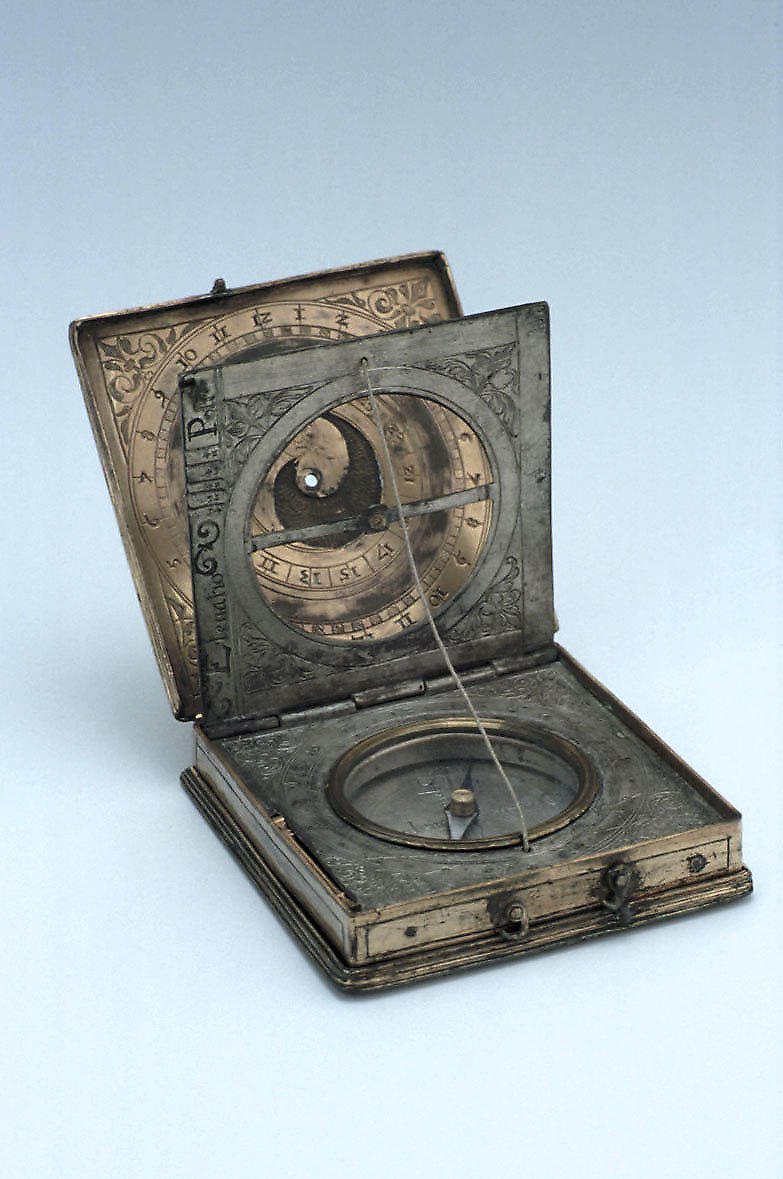
- Astronomical Compendium by Josua HabermelAstronomical compendium · Late 16th century
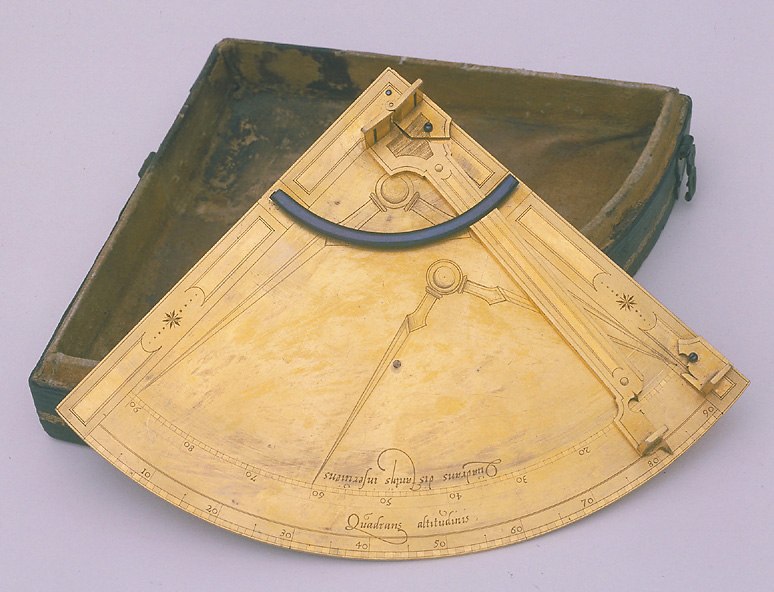
- Gilt Copper QuadrantQuadrant · After 1582
Sources & references
- Museo Galileo - Josua Habermel, Museo Galileo, retrieved 2026-11-03 (paraphrased; text © the publisher)
- Museo Galileo - Gunner's level, Museo Galileo, retrieved 2026-11-03 (paraphrased; text © the publisher)
- Museo Galileo - Quadrant with Easter scale, Museo Galileo, retrieved 2026-11-03 (paraphrased; text © the publisher)
- Museo Galileo - Archipenzolo da bombardieri, Museo Galileo, retrieved 2026-11-03 (paraphrased; text © the publisher)
- Josua Habermel, Wikipedia (it), retrieved 2026-11-03 (text CC BY-SA 4.0)
Where sources disagree, the disagreement is stated rather than resolved silently.