
Copenhagen, Denmark · 1872 – 1945
Jens Olsen
Partially verifiedAstronomical clock construction
Life & work
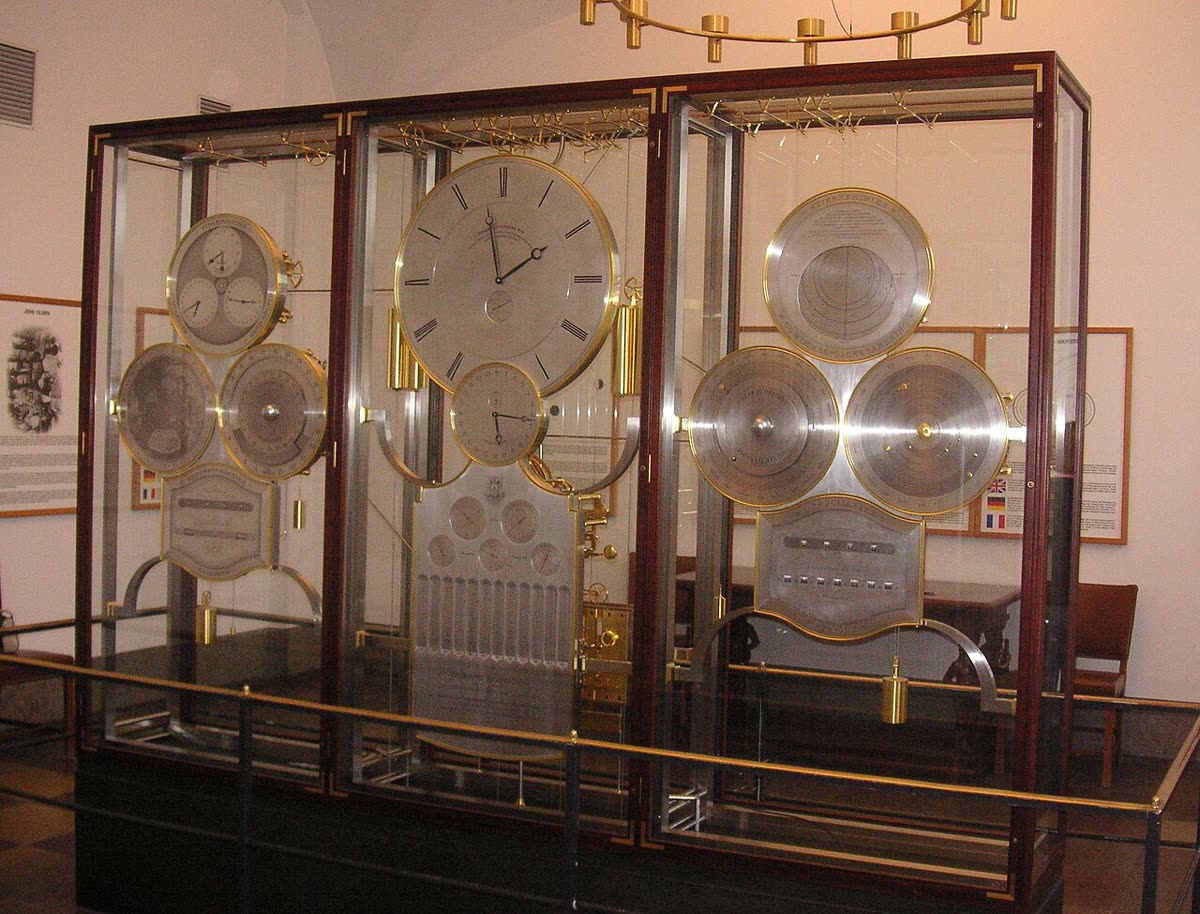
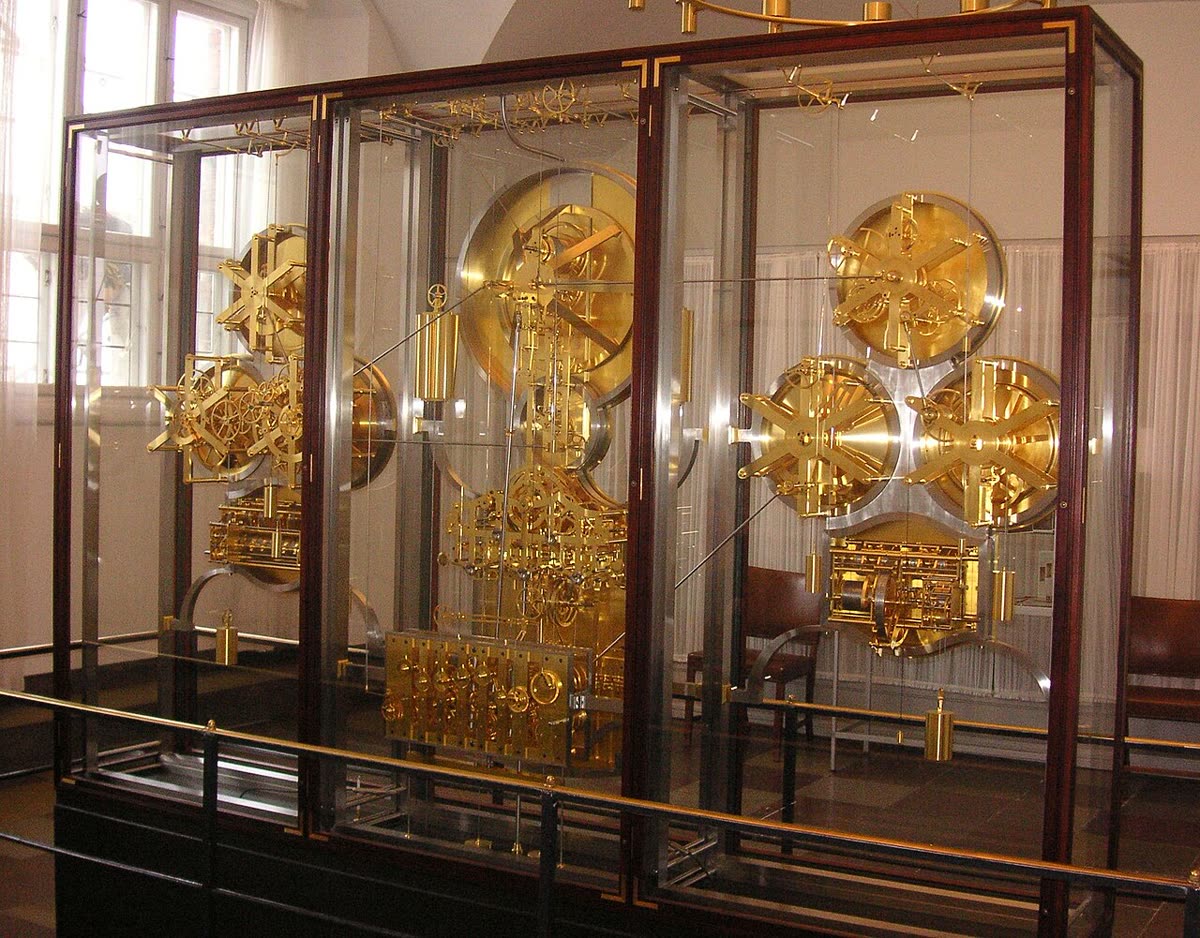
Jens Olsen designed and largely built an astronomical clock of great complexity, completed after his death, which displays a range of astronomical cycles including very long-period motions.
The project shows how a single designer's astronomical clock work continued into the twentieth century alongside industrial watchmaking.
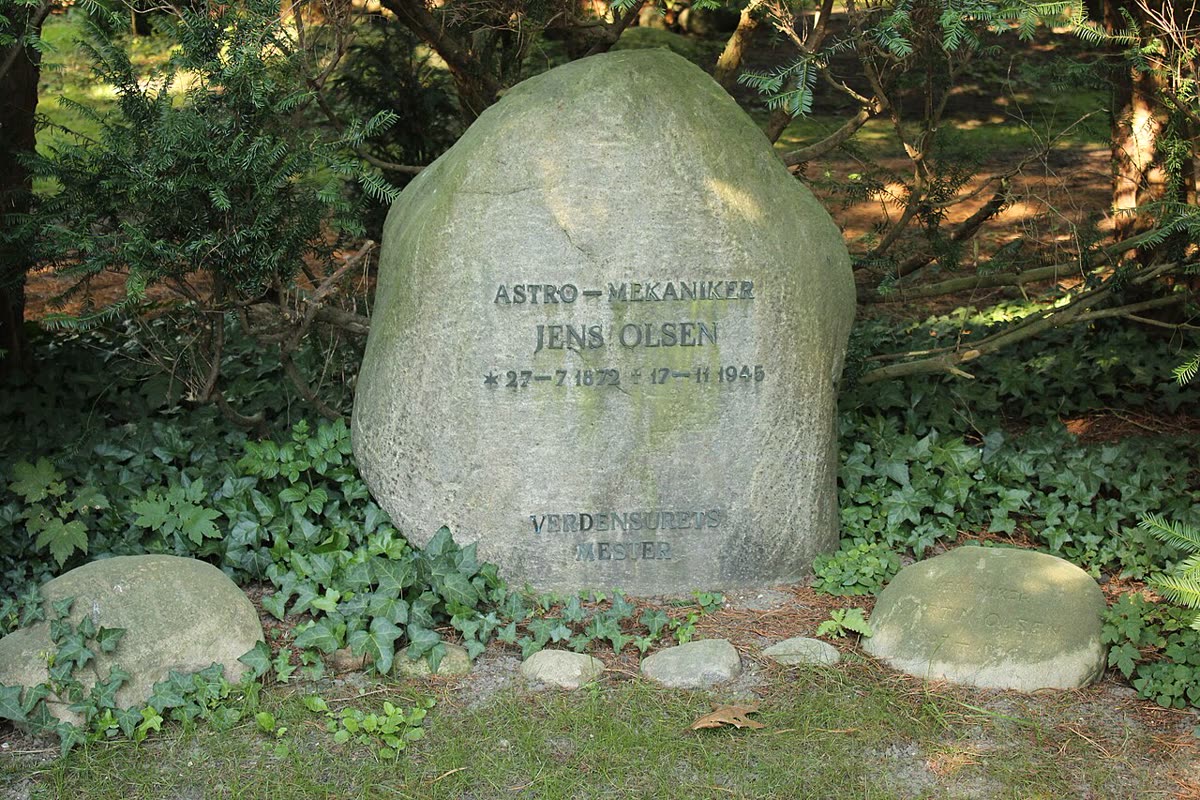
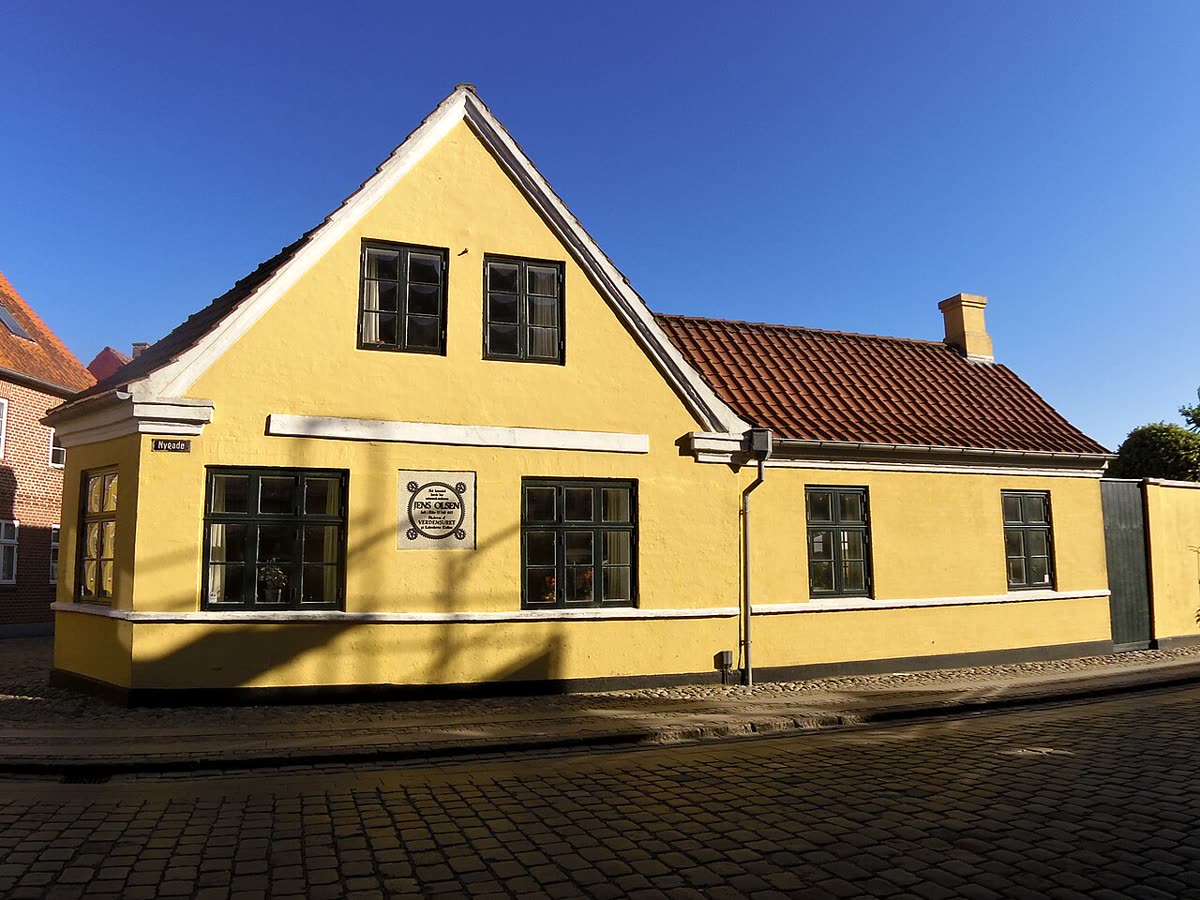
Born in Ribe in 1872, Jens Olsen developed early skills as a locksmith and later became an accomplished clockmaker and instrument maker. At age 25, he traveled to Strasbourg to study the complex functions of the astronomical clock located in the cathedral. After a period working in Basel, he returned to Denmark in 1902 and spent several years serving as a foreman for the instrument maker Cornelius Knudsen in Copenhagen. Although he passed away in 1945 before the project was finished, his work was completed and officially started in 1955.
The fuller biography summarises the open references listed under Sources; each statement was checked against the cited passage. Confirm key dates in period documents before relying on them.
Timeline
Jens Olsen's recorded dates, dated events from this profile and its sources, and dated pieces and sales from the object catalogue. Dates are as each record gives them.
1872 · Career
Born
1872 · Career
Born in Ribe in 1872, Jens Olsen developed early skills as a locksmith and later became an accomplished clockmaker and instrument maker.
1902 · Career
After a period working in Basel, he returned to Denmark in 1902 and spent several years serving as a foreman for the instrument maker Cornelius Knudsen in Copenhagen.
1945 · Career
Died
1945 · Career
Although he passed away in 1945 before the project was finished, his work was completed and officially started in 1955.
Training, contributions & innovations
- Designed a major twentieth-century astronomical clock
- Documented the calculations behind its astronomical trains
- Olsen performed extensive astronomical calculations and designs for high-precision timekeeping mechanisms.
Inventions & patents
- No patent claim is asserted; the clock's wheel counts and calculations are documented.
Signatures & markings on surviving work
- Not a commercial signing maker; the work is identified by the clock itself.
Documented works
- Jens Olsen's World Clock is an astronomical clock installed in Copenhagen City Hall.
Collecting significance
Signatures on historic work were applied by retailers and by later hands as well as by makers, so attribution should rest on the movement's construction and on documented provenance rather than on the name alone. A specialist opinion is worth obtaining before any purchase made on the strength of a signature.
Firms, key models & movements
Firms
- Timex · 1941
Movements
- Timex M24 · 1960 – 1970
Famous objects
- Jens Olsen's World Clock · Designed from the 1900s; built 1945–1955, completed after Olsen died in 1945
Photographs
Photographs are illustrative examples of the type, not necessarily the exact object described. Verify details against the source file page.
Sources & references
- Jens Olsen, Wikipedia (English), retrieved 2026-10-27 (text CC BY-SA 4.0)
- Olsen, Jens, Watch-Wiki, retrieved 2026-10-27
- Britten, F. J., Old Clocks and Watches and Their Makers
- Loomes, B., reference works on British and European clockmakers (edition-dependent)
- Museum catalogue entries for signed examples
Where sources disagree, the disagreement is stated rather than resolved silently.