
Paris, France · 1702 – 1772
Jean-Baptiste Baillon
Partially verifiedClocks
Life & work
Clockmaker to the Queen.
Jean-Baptiste Baillon was a prominent 18th-century Parisian clockmaker born in 1702 into a dynasty of horologists. He became a master horologist in 1727 and operated a boutique on the Place Dauphine. His business model was notable for using an external factory in Saint-Germain, managed by Jean Jodin from 1748 to 1757, to manufacture his watches.
Baillon served as clockmaker to the Queen and acquired prestigious court titles such as Valet de Chambre-Horloger Ordinaire de la Reine. The scale of his production was such that he numbered his movements, and his workshop inventory was dispersed at auction after he ceased operations in 1765.
The fuller biography summarises the open references listed under Sources; each statement was checked against the cited passage. Confirm key dates in period documents before relying on them.
Timeline
Jean-Baptiste Baillon's recorded dates, dated events from this profile and its sources, and dated pieces and sales from the object catalogue. Dates are as each record gives them.
1702 · Career
Born
1702 · Career
Jean-Baptiste Baillon was a prominent 18th-century Parisian clockmaker born in 1702 into a dynasty of horologists.
1727 · Career
He became a master horologist in 1727 and operated a boutique on the Place Dauphine.
1748 · Career
His business model was notable for using an external factory in Saint-Germain, managed by Jean Jodin from 1748 to 1757, to manufacture his watches.
ca. 1755 · Catalogued piece
1765 · Career
The scale of his production was such that he numbered his movements, and his workshop inventory was dispersed at auction after he ceased operations in 1765.
1772 · Career
Died
Training, contributions & innovations
- Royal appointments
- He established a significant manufacture in Saint-Germain-en-Laye, described as a rich repository of horology that utilized various specialists.
- He introduced the practice of numbering the movements of his clocks to manage his extensive production output.
Inventions & patents
- N/A
Signatures & markings on surviving work
- Signed work
Documented works
- A carriage clock movement numbered 2753 is documented as having been gifted by the Queen to her dentist.
- A watch movement numbered 3280 is set in a Chinese celadon porcelain horse-form holder.
Where sources differ
- Dates corrected to “1702 – 1772” from the cited sources (previously recorded as “1701 – 1772”).
Collecting significance
Signatures on historic work were applied by retailers and by later hands; attribution should rest on the movement's construction and provenance.
Firms, key models & movements
Famous objects
- Pendule sur socle · 1710 - 1720
In the object catalogue
1 catalogued object is recorded under Jean-Baptiste Baillon. Attributions are as given by each source and are not independent authentication.
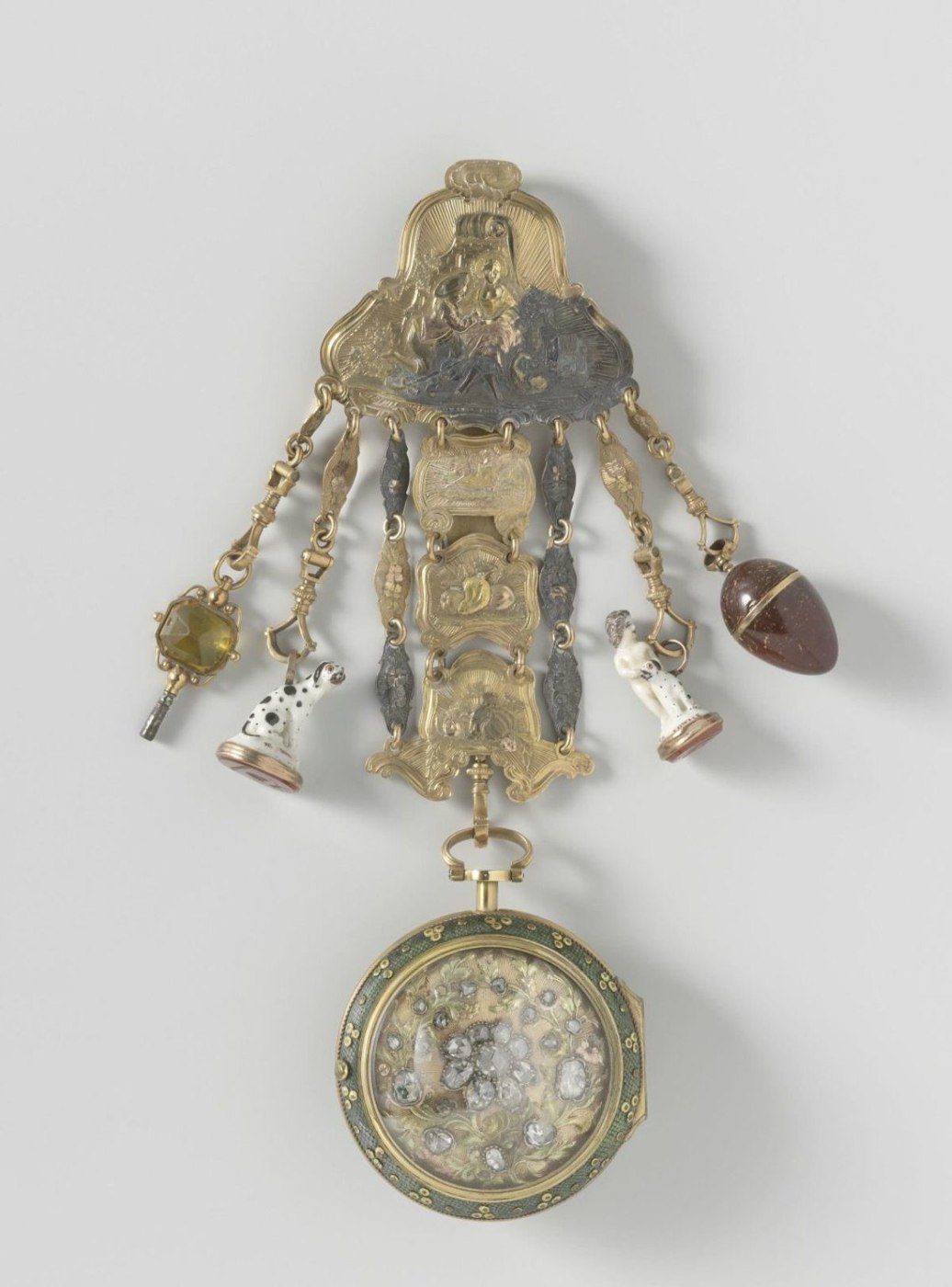
- Gouden horloge aan chatelaineEnamel, form & pendant watch · ca. 1755
Provenance
Where the 1 catalogued piece by Jean-Baptiste Baillon was recorded, with the collectors, owners and sales their records name.
Provenance map
Each piece is linked to the museum, auction house or dealer whose record it comes from, and to any other house or collection its own provenance names. Select a name to see its pieces.
Museums · 1 piece
Rijksmuseum
Museum · 1 piece · Directory entry
Gouden horloge aan chatelaineEnamel, form & pendant watch · ca. 1755 · Record source
Provenance: Legacy of F.Z. Reneman
Collectors, owners and donors
- Legacy of F.Z. RenemanProvenance · Gouden horloge aan chatelaine
Each line is copied from the object's source record and is not independently verified. Holders are as recorded when the piece was catalogued: museum objects may not be on display, and sold lots have since changed hands.
Photographs




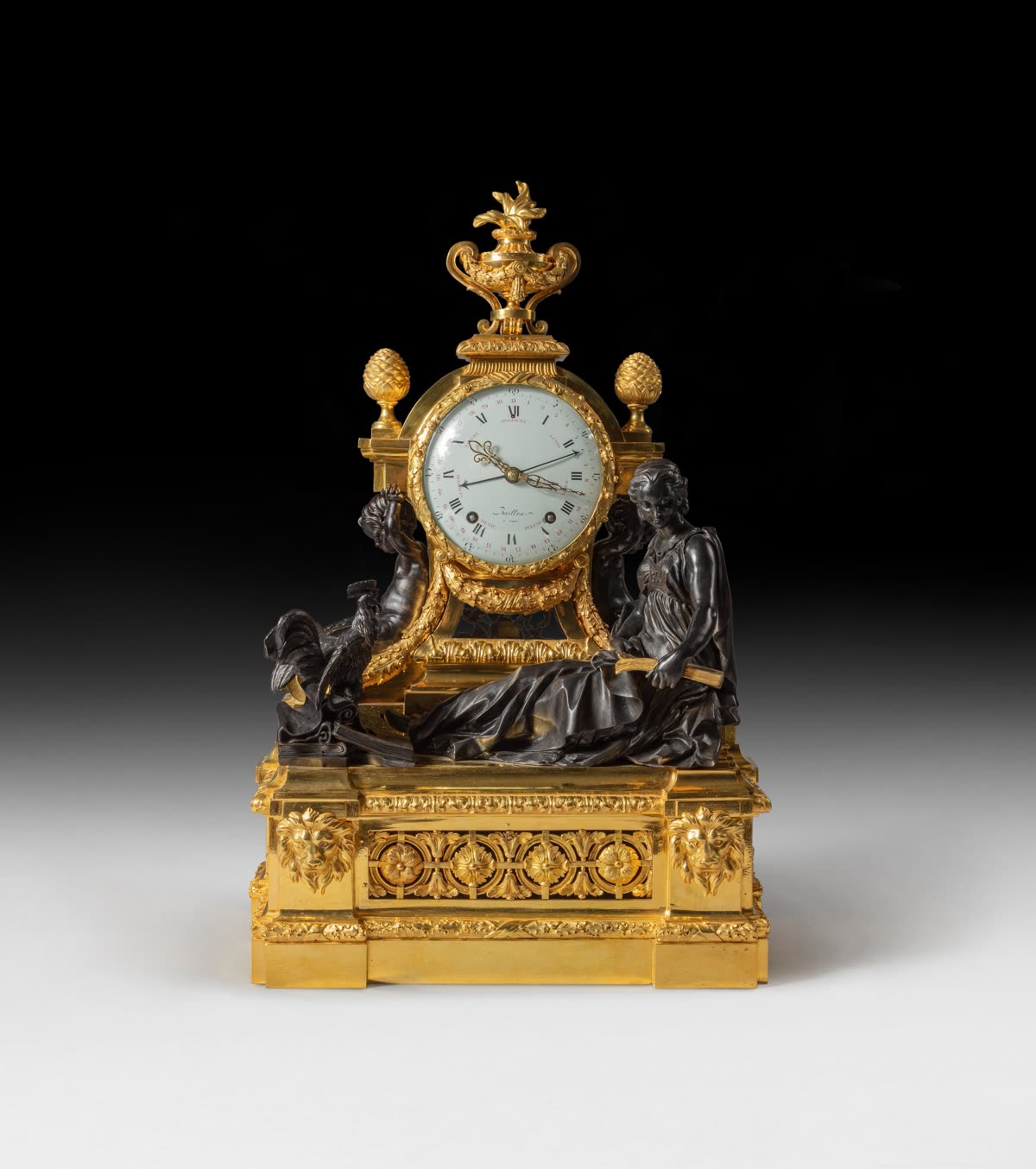
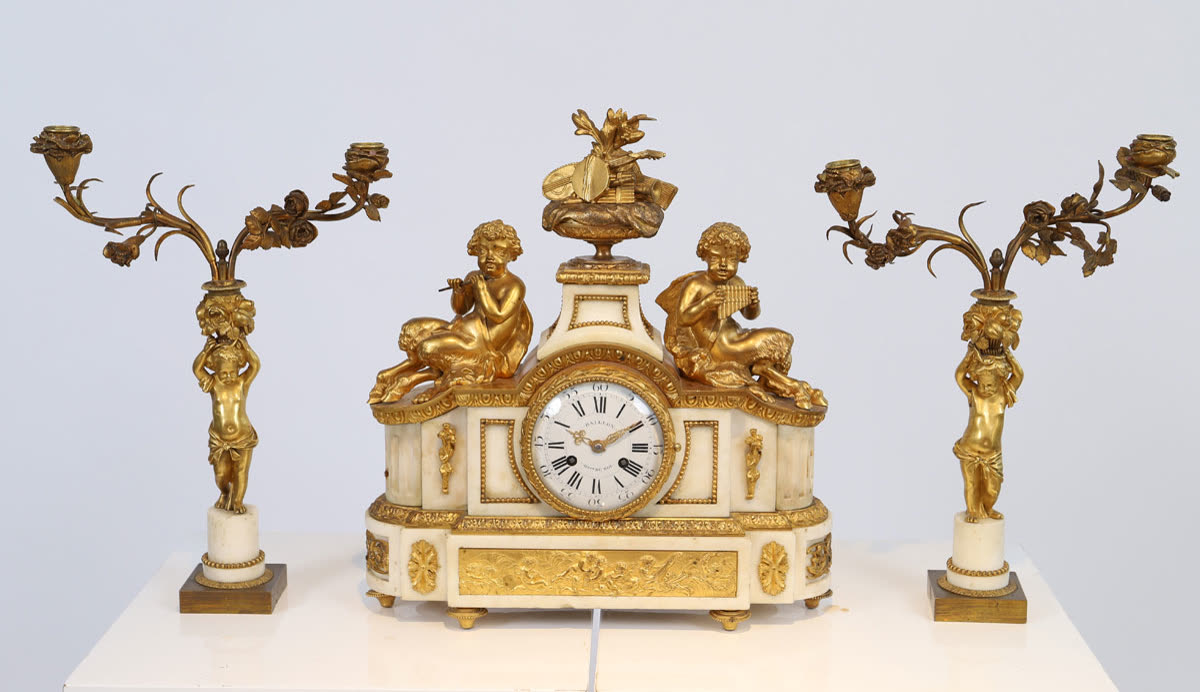
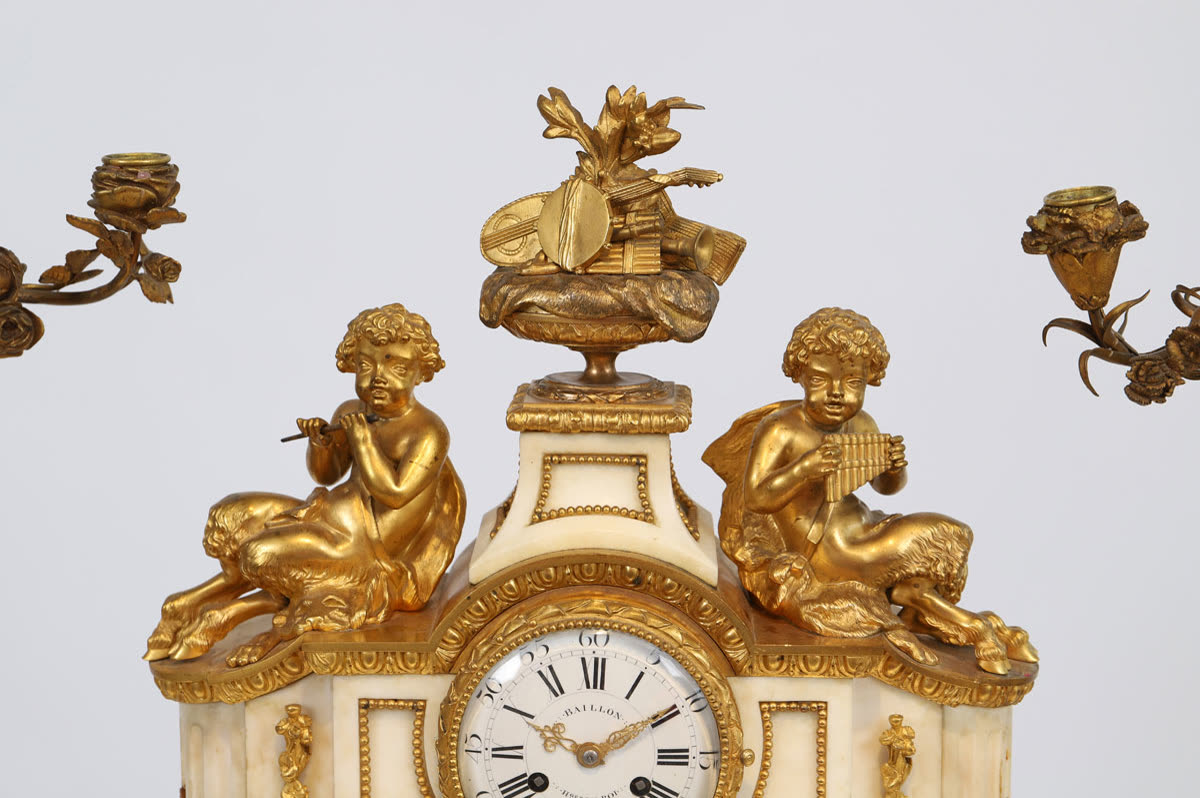
Photographs are illustrative examples of the type, not necessarily the exact object described. Verify details against the source file page.
Sources & references
- Jean-Baptiste Baillon, Wikipedia (French), retrieved 2026-10-27 (text CC BY-SA 4.0)
- Britten, F. J., Old Clocks and Watches and Their Makers
- Loomes, B., reference works on British and European clockmakers
Where sources disagree, the disagreement is stated rather than resolved silently.