
Beaucourt, France (Franche-Comté) · Frédéric Japy, 1749 – 1812; firm active from 1777
Japy Frères (Frédéric Japy)
VerifiedIndustrial-scale machine manufacture of clock and watch component parts (ébauches)
Life & work
Frédéric Japy founded a workshop at Beaucourt in the Franche-Comté region of eastern France in 1777 that pioneered the mechanised, factory-scale production of rough clock and watch movement parts (ébauches), applying machine tools to tasks such as wheel-cutting and pinion-making that had traditionally been done by hand by individual craftsmen, and is widely credited in French horological history as a founding figure of industrial clock-part manufacture.
The firm Japy Frères, continued and expanded by Frédéric Japy's sons, became one of the largest suppliers of clock movement blanks and components to the wider French and export clock trade through the nineteenth century, supplying parts used by many other named clockmaking firms across France and beyond, meaning a very large proportion of ordinary nineteenth-century French clocks contain Japy-made movement components even when the finished clock bears a different retailer's or finisher's name on the dial.
Because Japy Frères operated primarily as a components and ébauche manufacturer rather than a retail-facing signed-clock maker for most of its production, its role in the trade is less visible to casual collectors than firms whose names appear prominently on finished clock dials, even though its industrial contribution to French clockmaking's nineteenth-century scale was arguably larger than that of most individually celebrated Paris makers of the period.
Timeline
Japy Frères (Frédéric Japy)'s recorded dates, dated events from this profile and its sources, and dated pieces and sales from the object catalogue. Dates are as each record gives them.
1777 · Career
Frédéric Japy founded a workshop at Beaucourt in the Franche-Comté region of eastern France in 1777 that pioneered the mechanised, factory-scale production of rough clock and watch movement parts (ébauches), applying machine tools to tasks such as wheel-cutting and pinion-making that had traditionally been done by hand by individual craftsmen, and is widely credited in French horological history as a founding figure of industrial clock-part manufacture.
1777 · Career
Pioneered mechanised factory production of clock and watch movement blanks (ébauches) in France from 1777
Training, contributions & innovations
- Pioneered mechanised factory production of clock and watch movement blanks (ébauches) in France from 1777
- Became one of the largest suppliers of clock movement components to the French and export trade through the nineteenth century
- Enabled the broader industrialisation and affordability of French mantel and wall clocks
Inventions & patents
- Frédéric Japy is credited with mechanising ébauche production processes; specific patent documentation is not confirmed across the sources consulted for this entry.
Signatures & markings on surviving work
- Movements and blanks stamped 'Japy Frères' or with a Japy Frères medallion trademark, often on the backplate beneath a separate retailer's dial signature
Collecting significance
A Japy Frères movement stamp found beneath a different maker's dial signature is extremely common on nineteenth-century French clocks and indicates the movement's manufacturing origin rather than the retailing or finishing firm; this distinction matters for correctly attributing a clock's various component makers.
Firms, key models & movements
Firms
- Japy Frères · Late eighteenth century; major clock production through the nineteenth century
- Japy Frères · 1777
Key models (as recorded for the firm)
- Round French drum movements for mantel and carriage clocks
Movements
- French round (Paris) clock movement · c. 1840 to the early twentieth century
- Japy Frères ébauche · Nineteenth century
Photographs
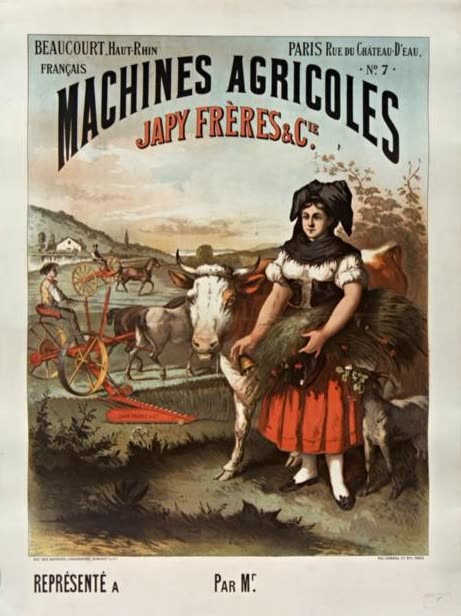
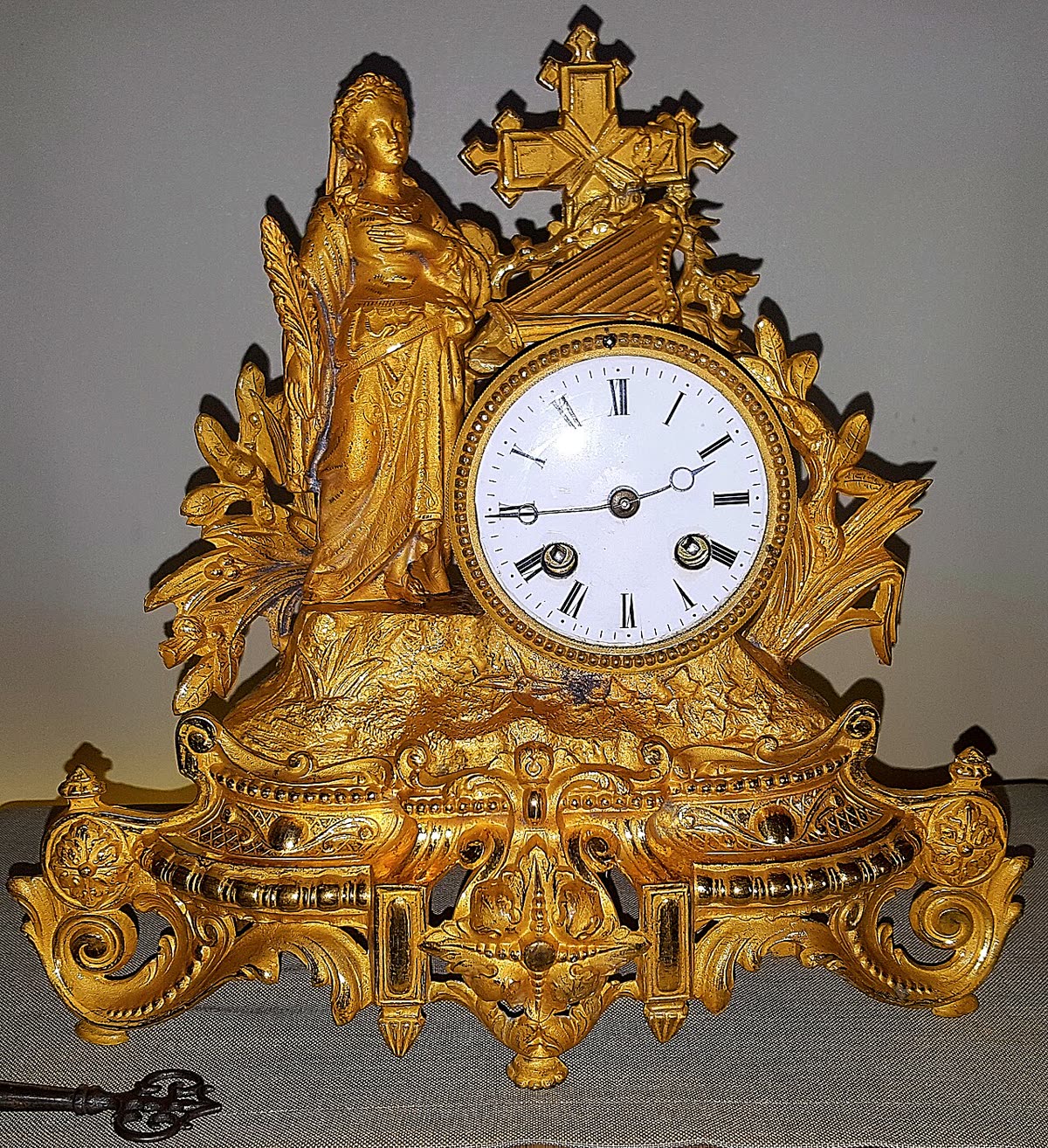
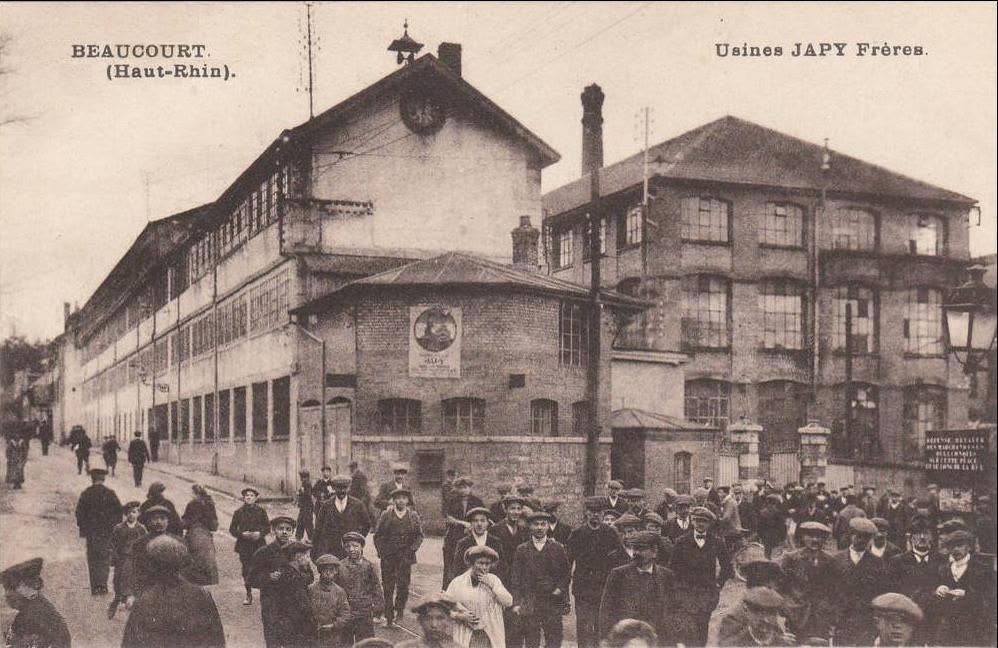
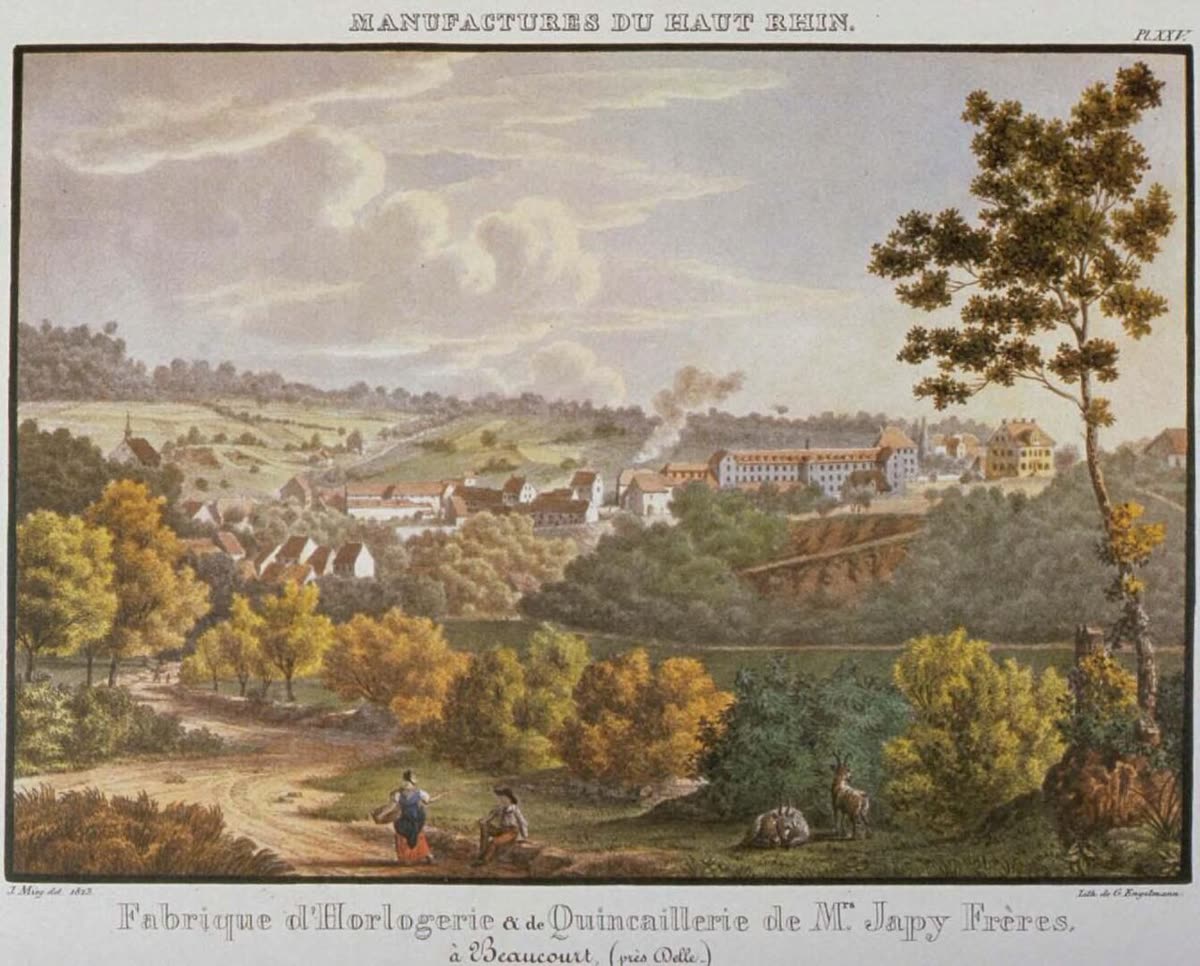
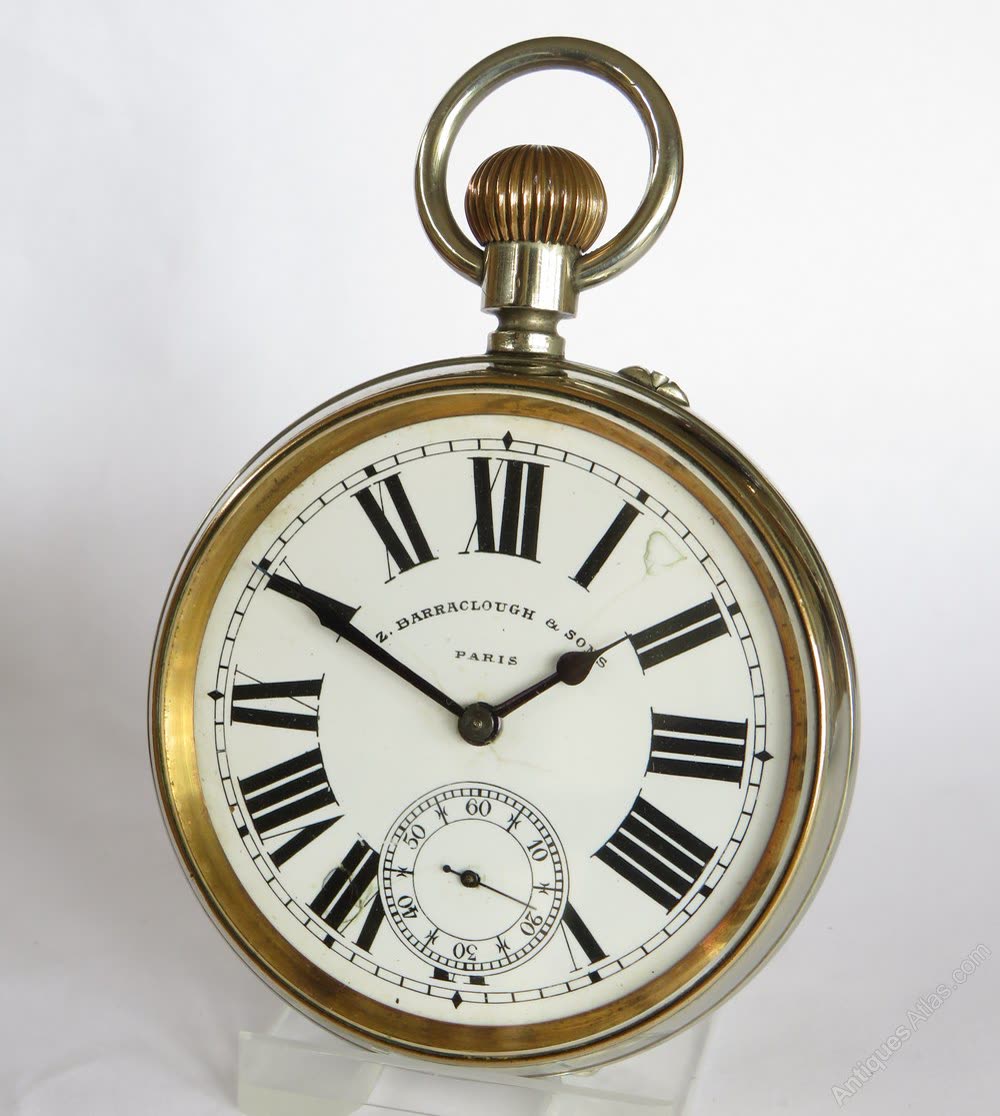
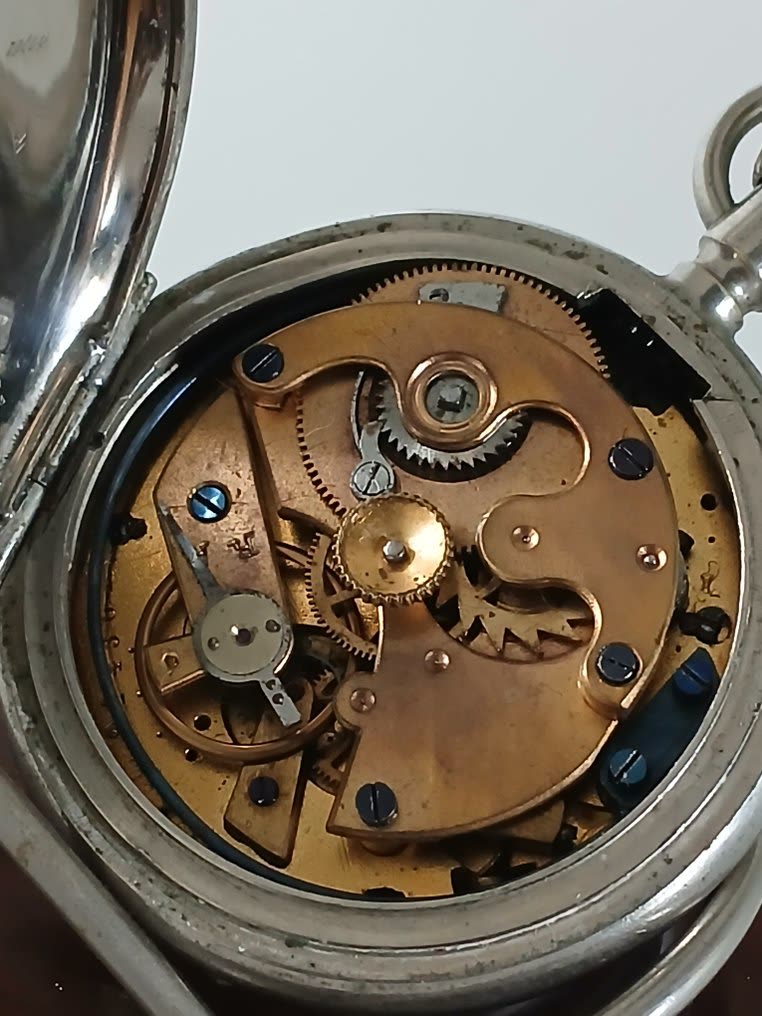
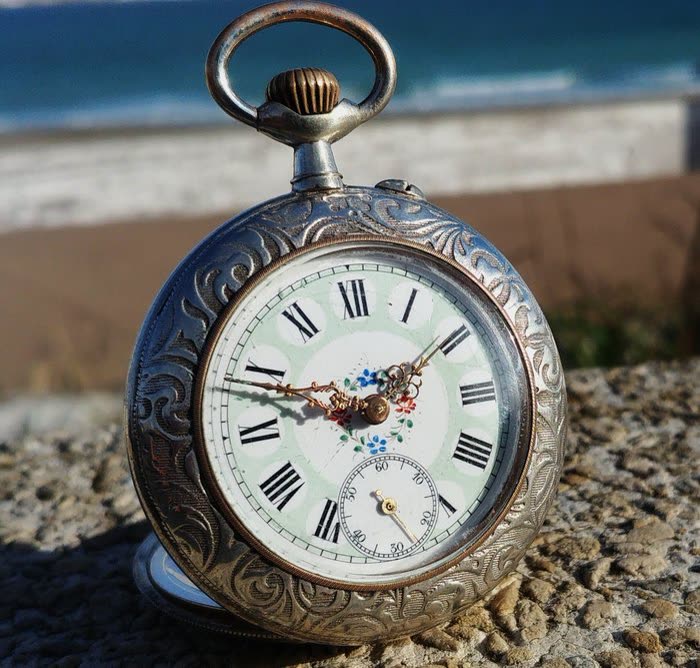
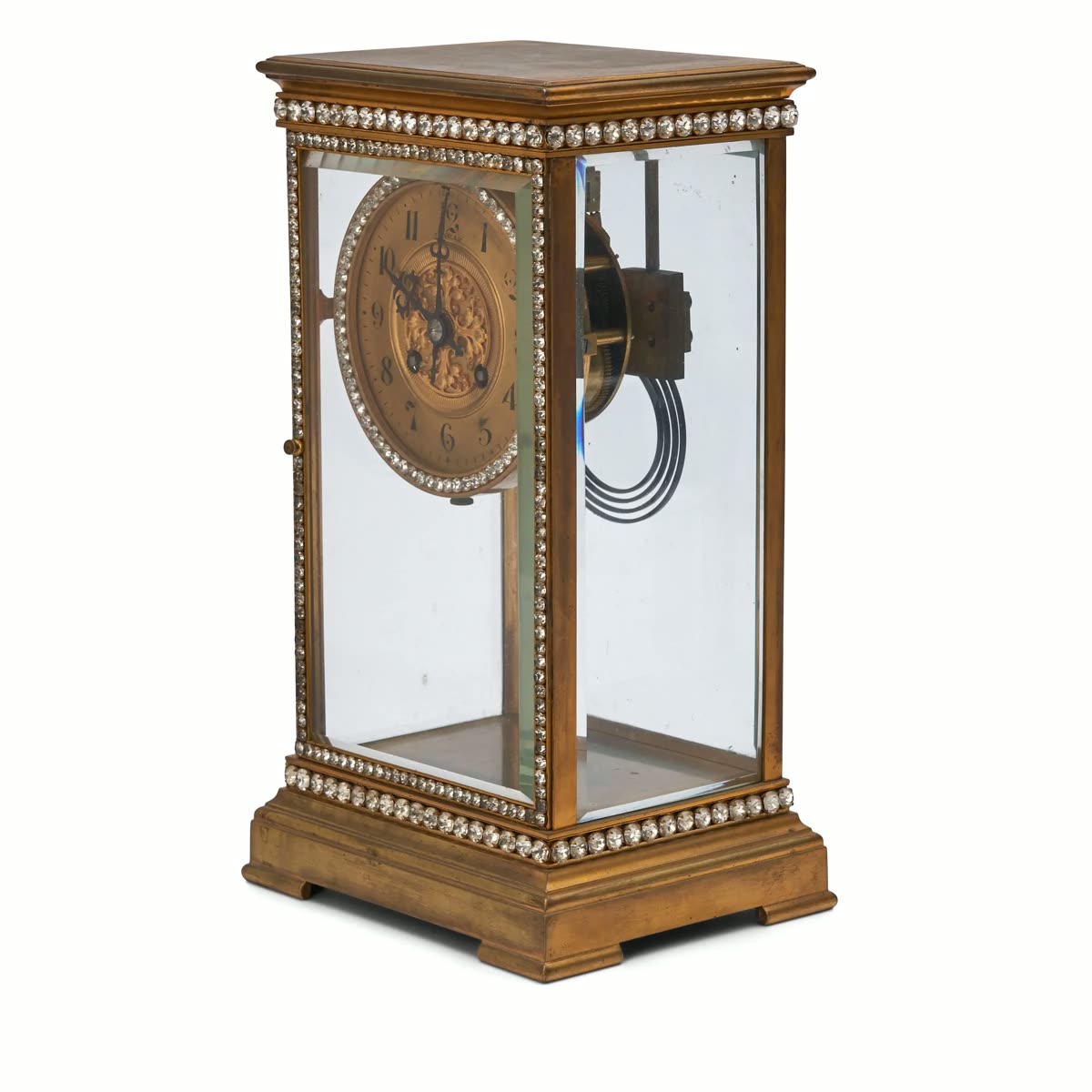
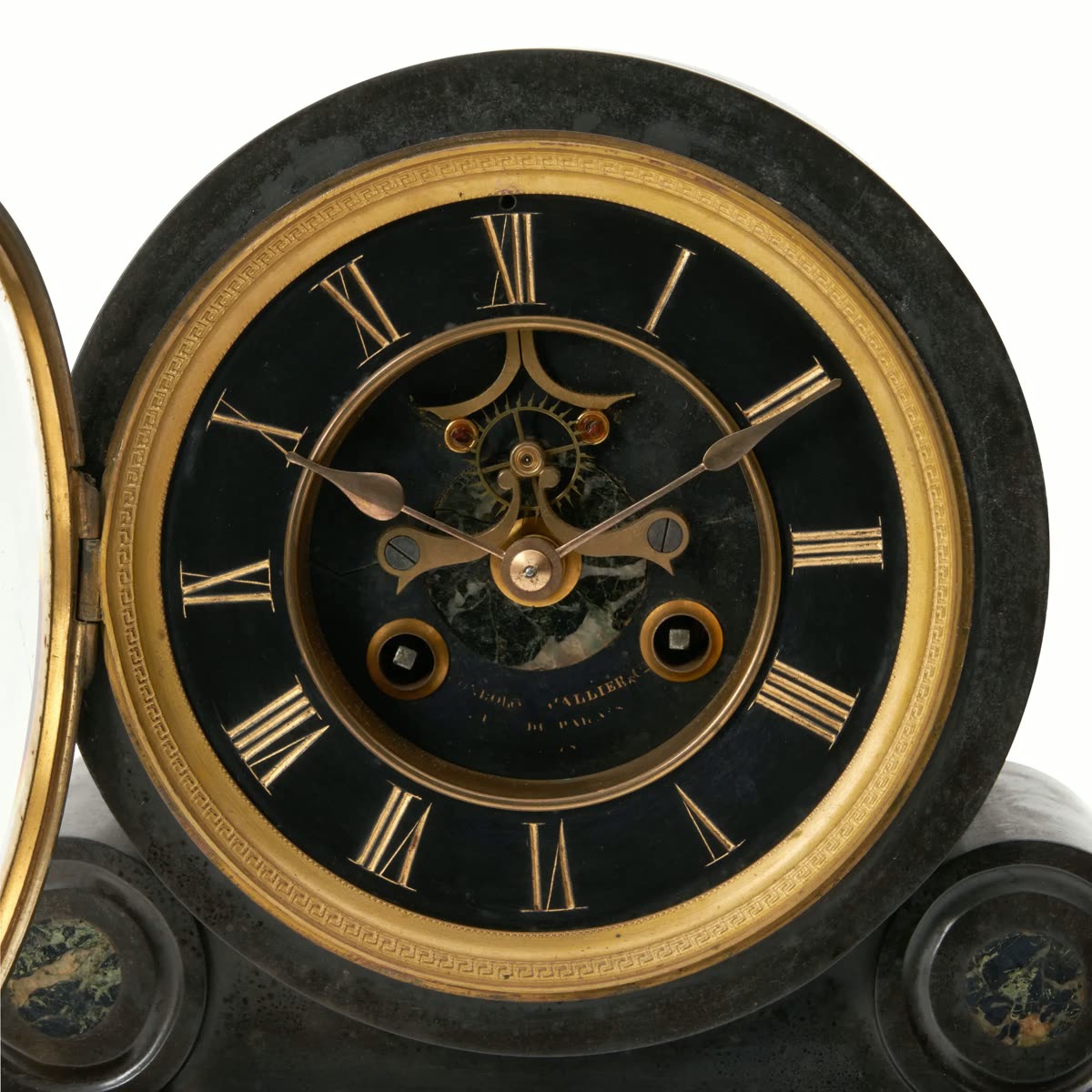
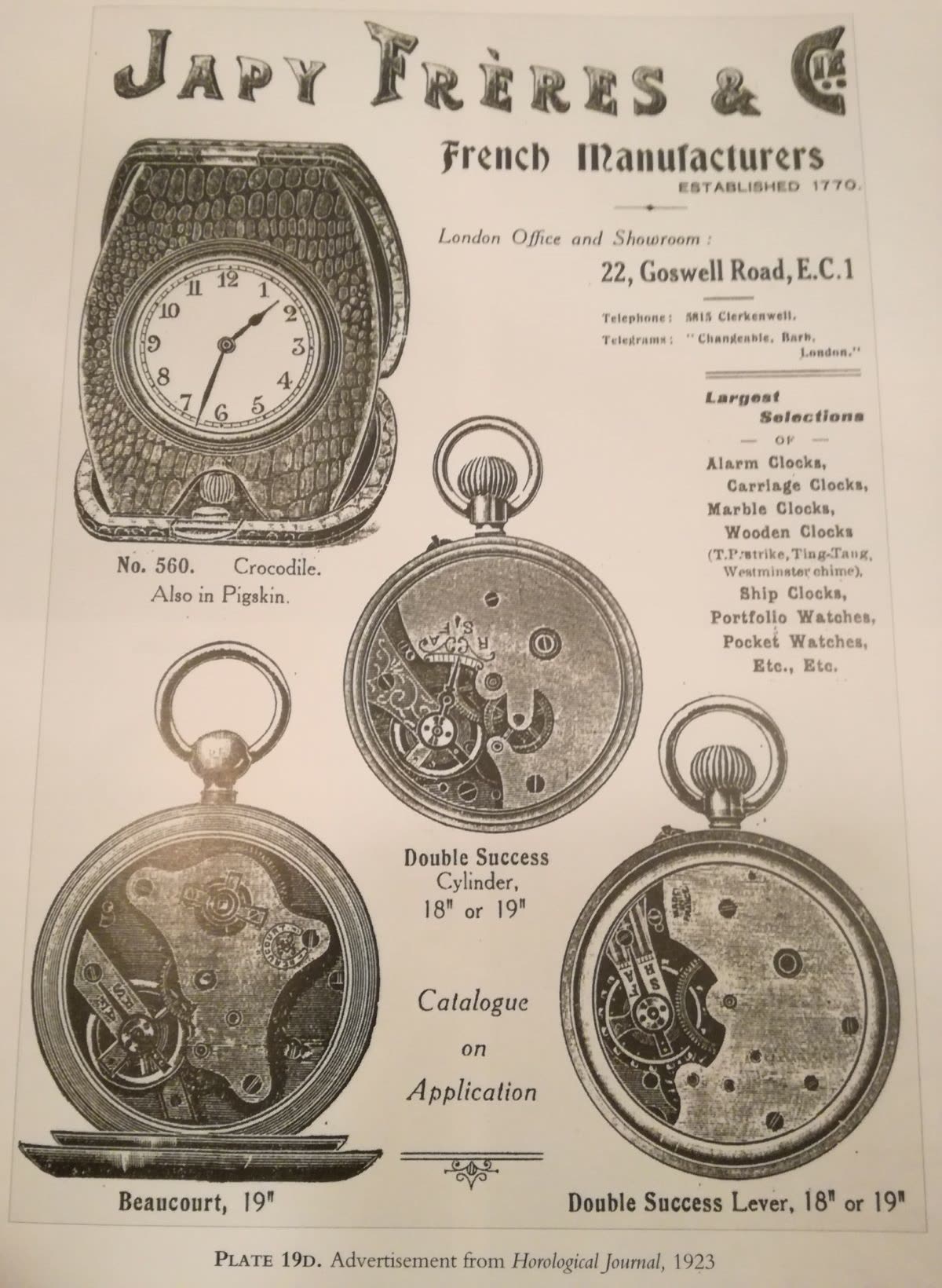
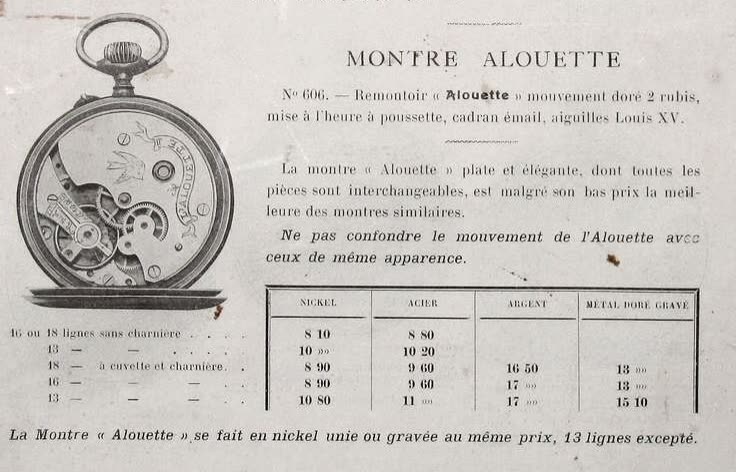
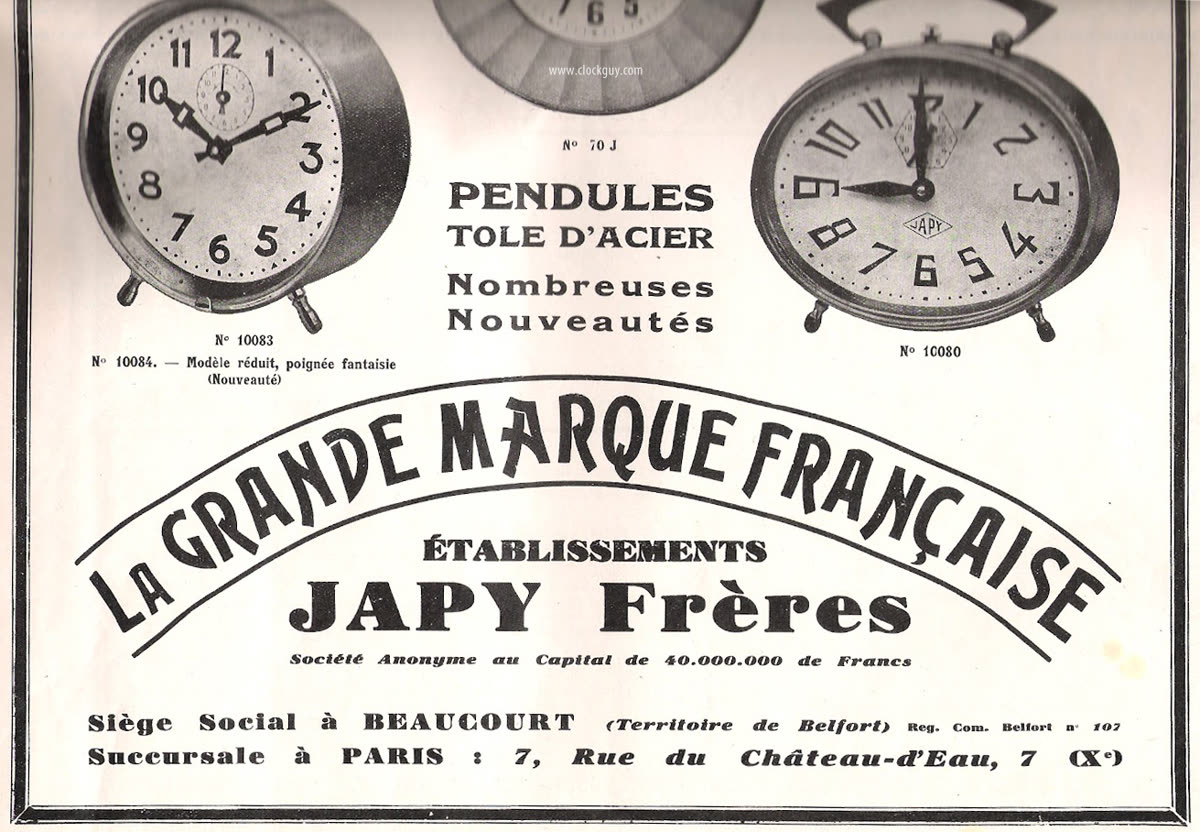
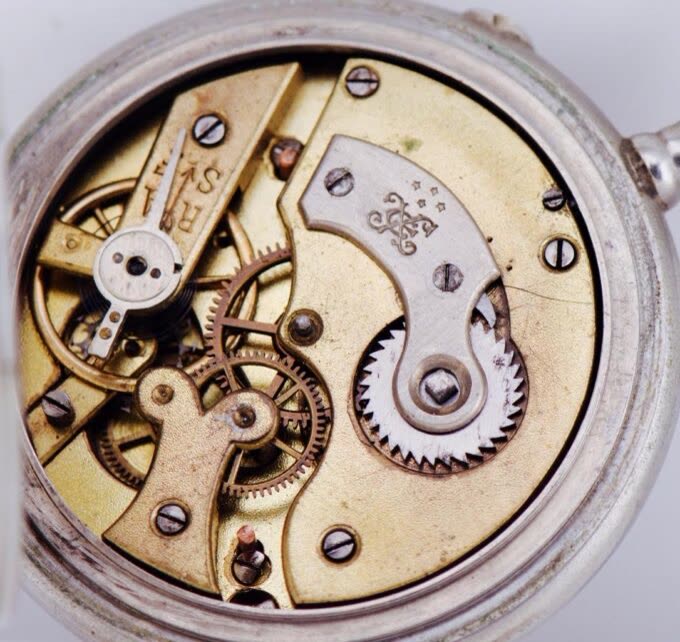
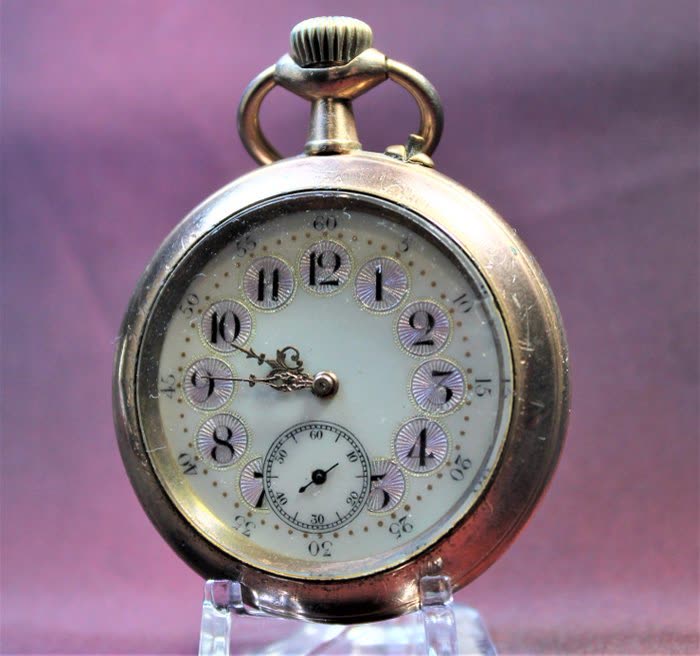
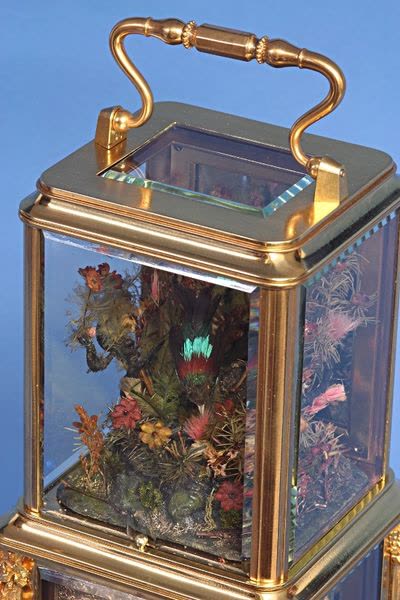
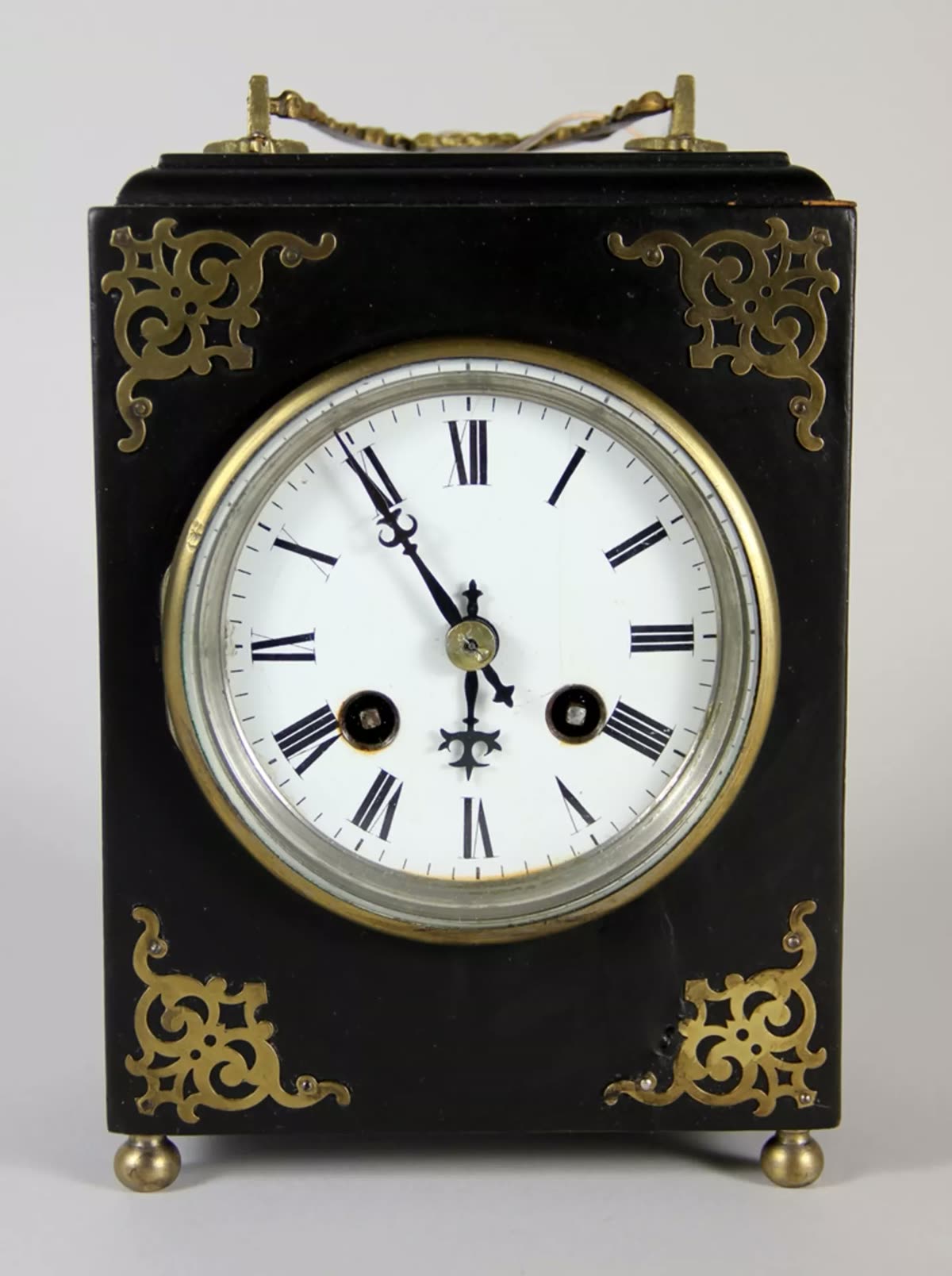
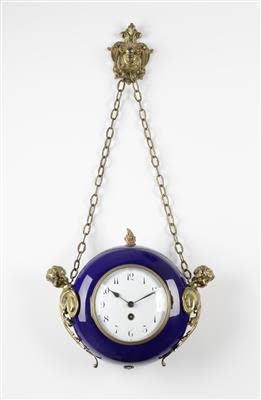
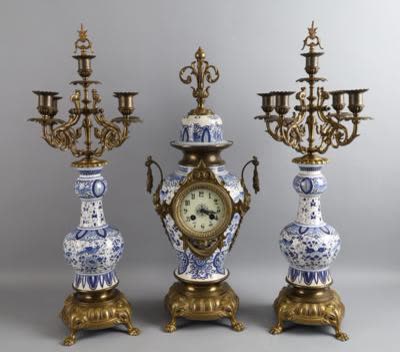
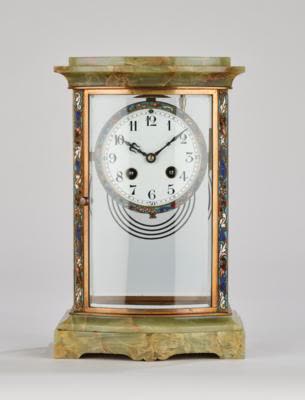
Photographs are illustrative examples of the type, not necessarily the exact object described. Verify details against the source file page.
Sources & references
- Britten, F. J., Old Clocks and Watches and Their Makers
- Loomes, B., Watchmakers and Clockmakers of the World, Volume 2
Where sources disagree, the disagreement is stated rather than resolved silently.