
La Chaux-de-Fonds, Switzerland · 1813 – 1889
Georges-Frédéric Roskopf
Partially verifiedWatches
Life & work
Inventor of Roskopf movement.
Born in Germany in 1813, Georges-Frédéric Roskopf moved to La Chaux-de-Fonds in 1829 to train in commerce before beginning his formal apprenticeship in watchmaking under J. Biber in 1833. He operated as an établisseur, producing watches for export, before founding the firm Roskopf, Gindraux & Co. in 1855 with his son and Henri Gindraux. Motivated by a desire to provide affordable timepieces for working men, he developed a simplified watch featuring a large barrel and a pin-pallet escapement. In 1873, Roskopf sold his business, including his patent rights, to the firm Wille Frères & Co. and retired to Bern.
The fuller biography summarises the open references listed under Sources; each statement was checked against the cited passage. Confirm key dates in period documents before relying on them.
Timeline
Georges-Frédéric Roskopf's recorded dates, dated events from this profile and its sources, and dated pieces and sales from the object catalogue. Dates are as each record gives them.
1813 · Career
Born
1813 · Career
Born in Germany in 1813, Georges-Frédéric Roskopf moved to La Chaux-de-Fonds in 1829 to train in commerce before beginning his formal apprenticeship in watchmaking under J.
1855 · Career
He operated as an établisseur, producing watches for export, before founding the firm Roskopf, Gindraux & Co. in 1855 with his son and Henri Gindraux.
1867 · Career
The Prolétaire watch, introduced in 1867, was his most famous model designed to be affordable for the working class.
1873 · Career
In 1873, Roskopf sold his business, including his patent rights, to the firm Wille Frères & Co. and retired to Bern.
1889 · Career
Died
Training, contributions & innovations
- His design utilized a pin-pallet escapement, often mounted on a platform, to reduce production complexity and costs.
- He pioneered the development of a low-cost watch for laborers, designed to be mass-manufactured with fewer components.
Inventions & patents
- N/A
Signatures & markings on surviving work
- Signed work
Documented works
- The Prolétaire watch, introduced in 1867, was his most famous model designed to be affordable for the working class.
Collecting significance
Signatures on historic work were applied by retailers and by later hands; attribution should rest on the movement's construction and provenance.
Firms, key models & movements
Photographs
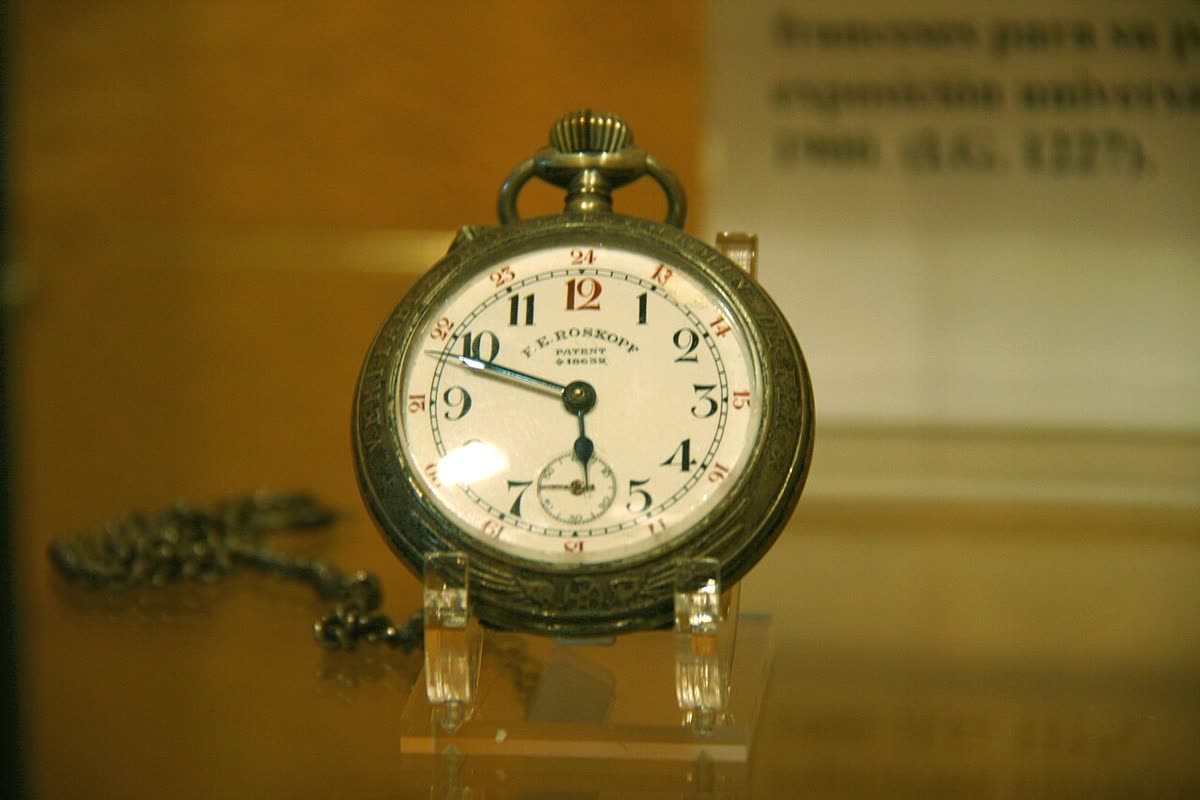
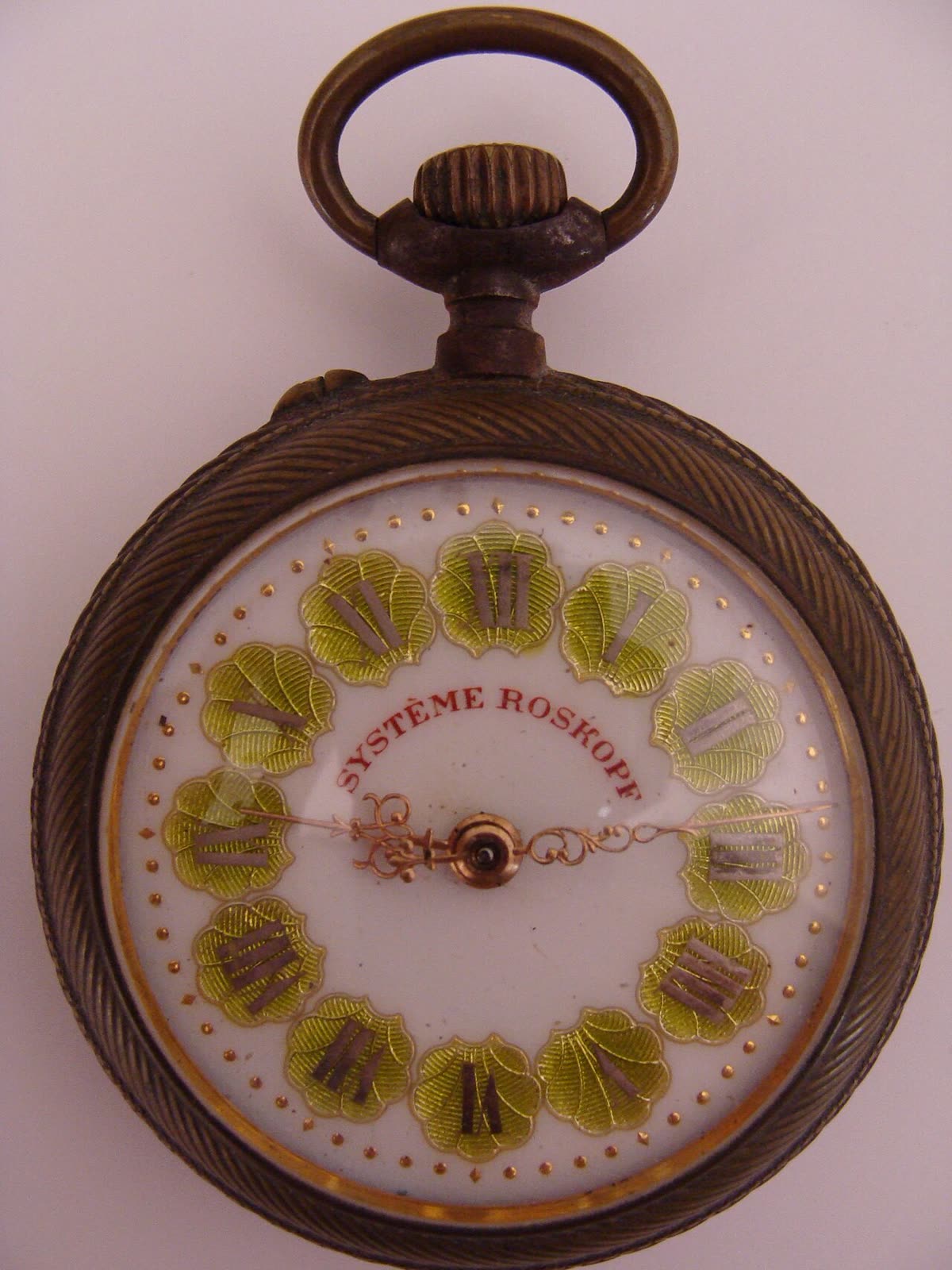
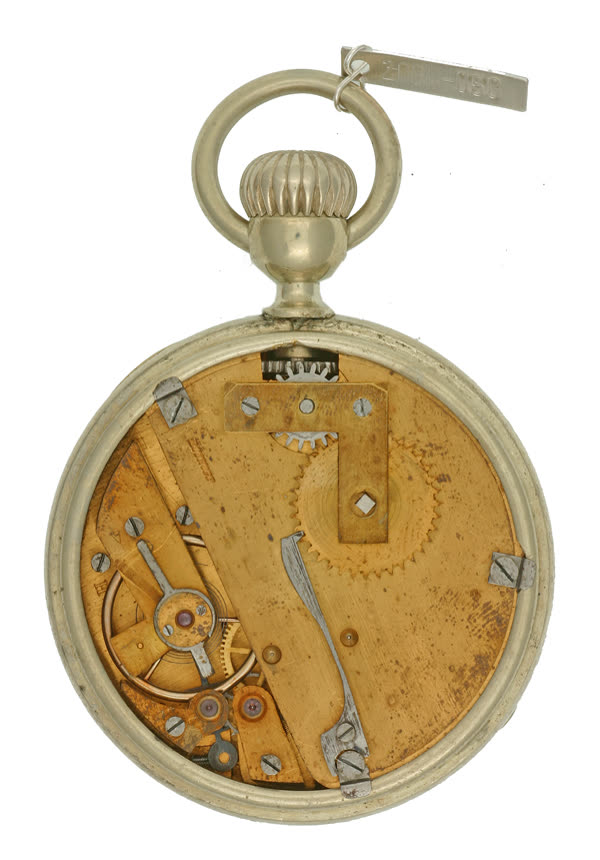
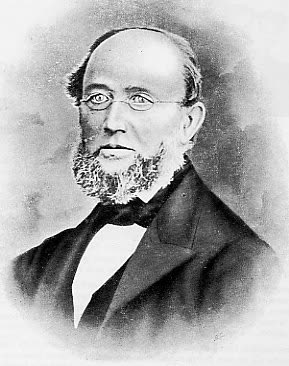
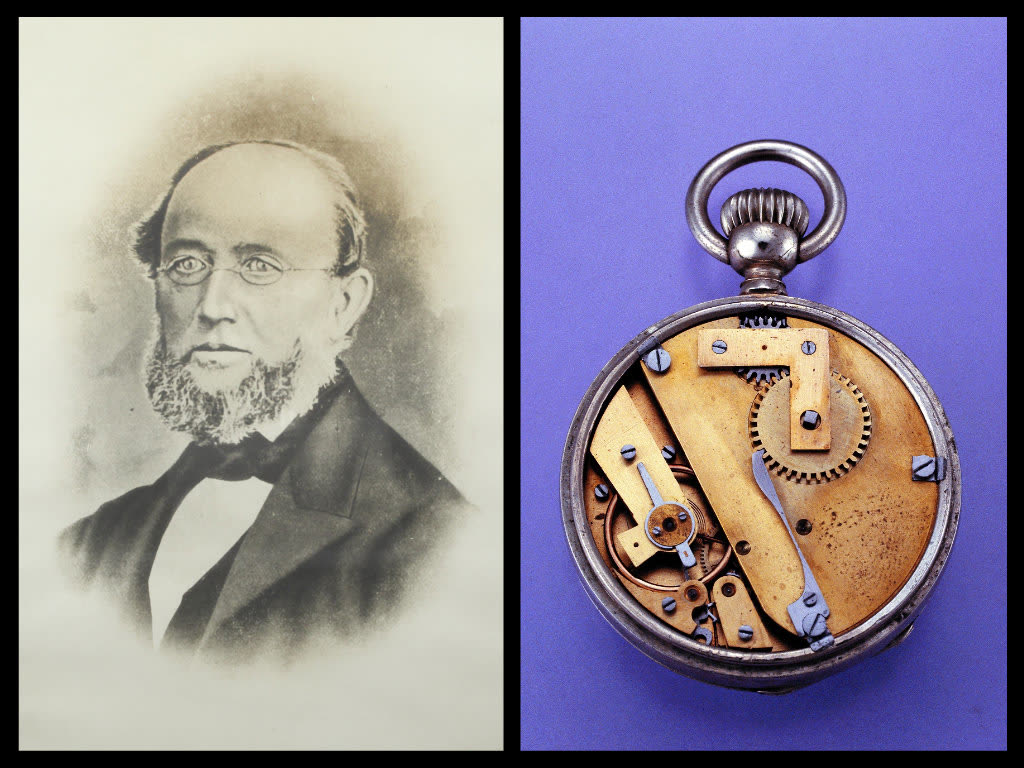
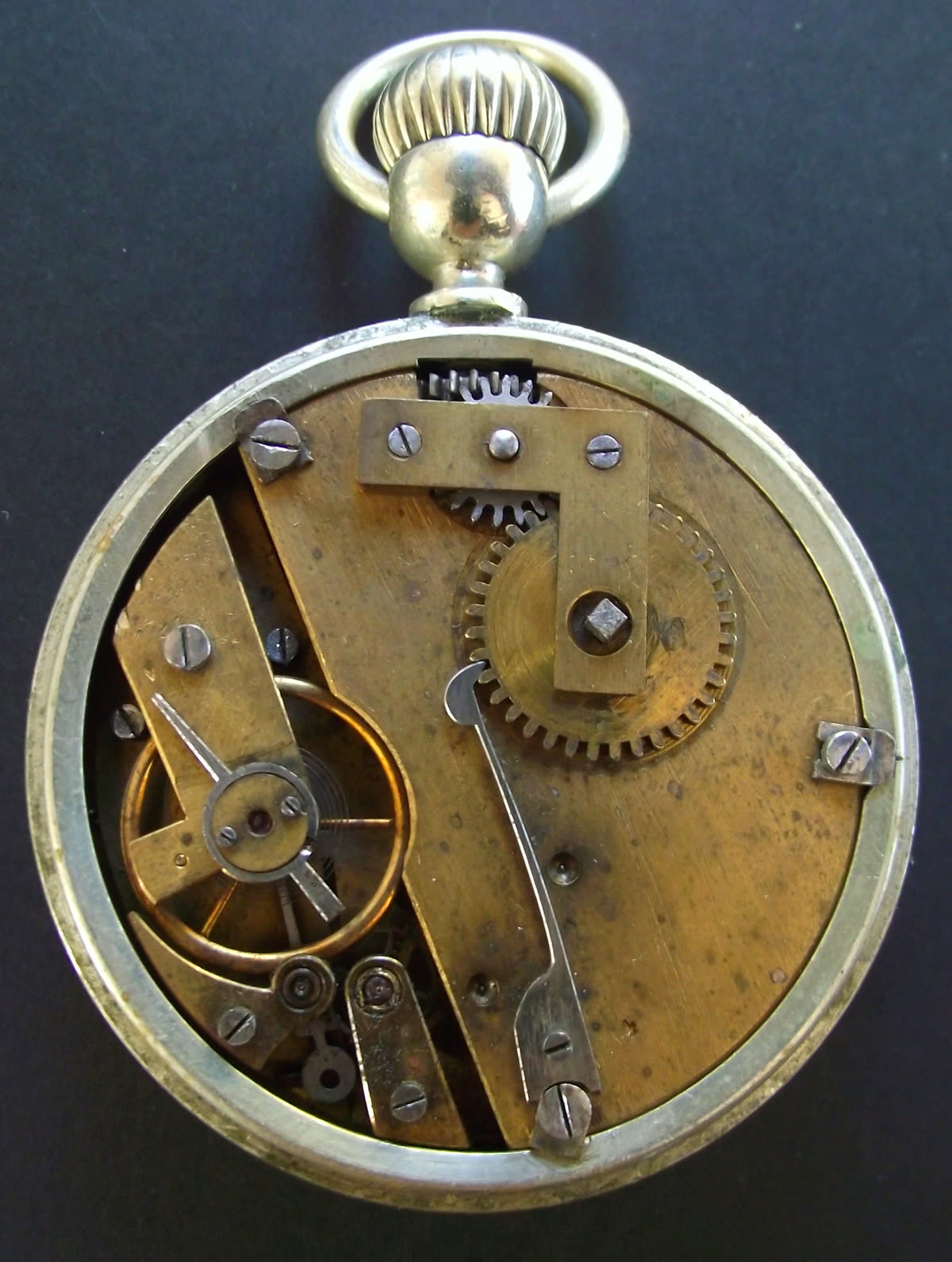
Photographs are illustrative examples of the type, not necessarily the exact object described. Verify details against the source file page.
Sources & references
- Georges Frederic Roskopf, Wikipedia (English), retrieved 2026-10-27 (text CC BY-SA 4.0)
- Georges Frédéric Roskopf, Wikipedia (German), retrieved 2026-10-27 (text CC BY-SA 4.0)
- Georges-Frédéric Roskopf, Wikipedia (French), retrieved 2026-10-27 (text CC BY-SA 4.0)
- Britten, F. J., Old Clocks and Watches and Their Makers
- Loomes, B., reference works on British and European clockmakers
Where sources disagree, the disagreement is stated rather than resolved silently.